Fraudulent Charges, Delivered Goods: Navigating This Bizarre Credit Card Scenario
There are plenty of benefits to having a credit card, like getting to rack up points and cash back on the purchases you’re making. But credit cards can also create a headache when their data is stolen and used…

This post may contain links from our sponsors and affiliates, and Flywheel Publishing may receive compensation for actions taken through them.

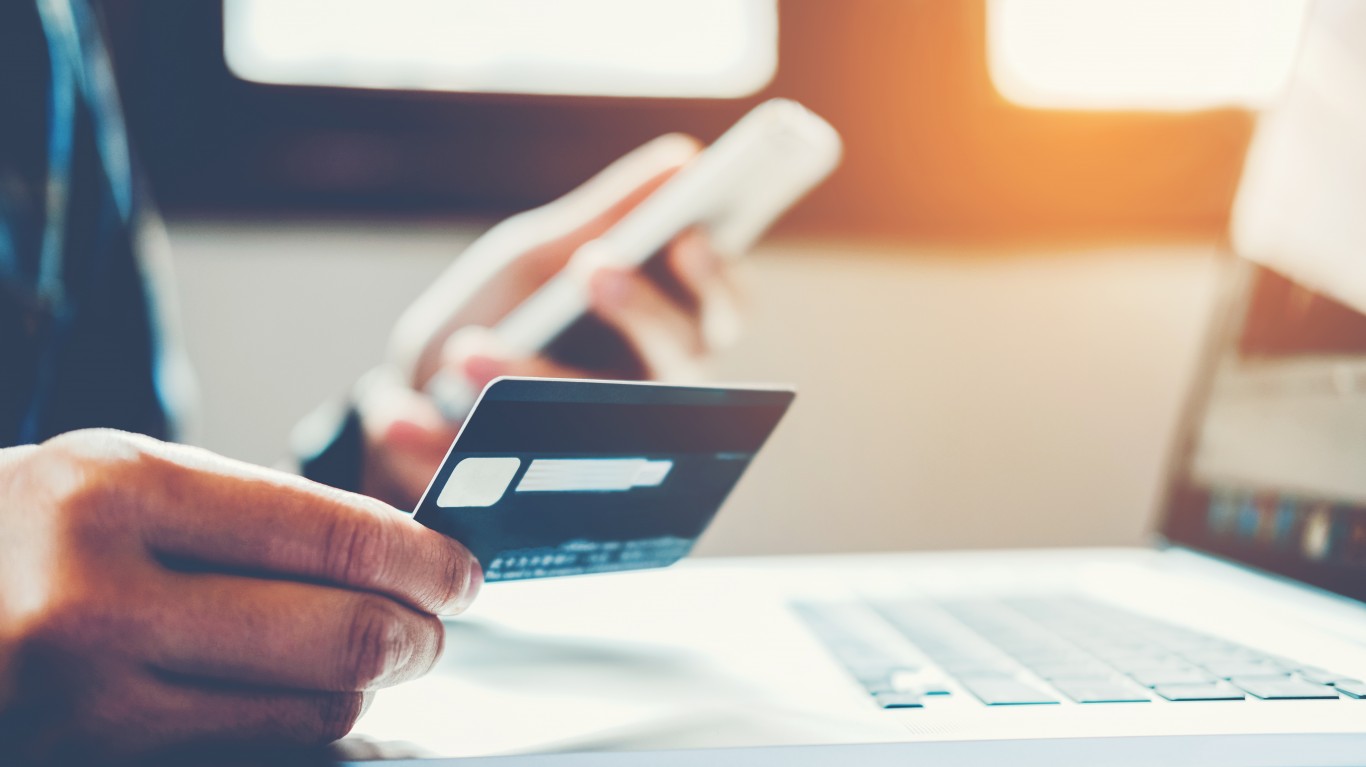
There are plenty of benefits to having a credit card, like getting to rack up points and cash back on the purchases you’re making. But credit cards can also create a headache when their data is stolen and used to make bogus purchases.
That’s what happened to this Reddit poster. They recently got a call from their credit card issuer asking about large purchases on the account, all of which turned out to be fraudulent.
The first charge that triggered the fraud alert was a $5,000 purchase. Following that, two iPhones worth about $800 each were ordered.
What happened next was strange. The poster received two packages in the mail, each containing one of the iPhones.
It’s puzzling, because it’s one thing for a criminal to steal a credit card number and use it to ship goods to their own address (or an address that differs from the rightful credit card owner’s). But it’s odd to ship the products to the credit card holder’s address.
It could be that the criminal made a mistake, or that they planned to try to intercept the packages. It’s hard to know.
Thankfully, the poster handled the situation very well. And it’s something everyone can take a lesson from.
How to protect yourself from credit card fraud
Unfortunately, credit card fraud can happen to anyone. All it takes is for a merchant’s data systems to be compromised for your credit card details to wind up in the wrong hands. But there are some steps you can take to keep your credit card data safe.
First, make sure you know where your card is at all times. Secondly, don’t throw away receipts without making sure they don’t contain your credit card number. And if you still get credit card statements in the mail, shred them, since they probably contain your credit card number.
Also, make sure to protect your online credit card account by using a strong password. And if you’re allowed to, enable two-factor authentication so that if a criminal tries to log into your account, they’ll be blocked by virtue of not having access to your phone (unless, of course, they’ve stolen that, too).
On top of that, make a point to only shop on reputable websites you’ve heard of. And log into your credit card account weekly to check for fraudulent charges.
Sometimes, what a criminal will do is try to make a small charge to see if they can get away with it. So it’s not always a $5,000 charge that alerts you or your credit card company to the fact that something is wrong. It may be as innocent as a $15 charge at a supermarket or a $10 charge at a convenience store so a criminal can test the waters.
Steps to take after your credit card number is stolen
Generally, if your credit card number is stolen, you’ll be issued a new card and your old one will be canceled. You may, at that point, have to update bills that were set to pay automatically with your new credit card number.
But beyond that, you may want to do what the poster above did and check your credit report. In the poster’s case, the criminals who took their card tried to create cell phone account in the poster’s name.
After your credit card is stolen, review your credit report from each bureau — Experian, Equifax, and TransUnion — to make sure you don’t see new accounts or loans you don’t recognize. You may also want to put a freeze on your credit to prevent criminals from opening any new accounts in your name.
Finally, if you receive any items purchased on your credit card by a criminal, contact the merchants directly and ask for instructions on how to ship them back. Keep a copy of any return labels you use so you’re able to track the shipments and follow up in case anything goes awry.
Of course, none of this should deter you from using a credit card. Criminals can just as easily steal a debit card number, and you need to be able to pay for purchases somehow. Just be careful with your credit cards to reduce the risk of falling victim to fraud.
Contact [email protected] for any questions or corrections.
Maurie Backman has more than a decade of experience writing about financial topics, including retirement, investing, Social Security, and real estate. Her work has appeared on sites that include The Motley Fool, USA Today, U.S. News & World Report, The Washington Post, and Kiplinger.
Prior to becoming a full-time financial writer, Maurie worked in the financial industry trading distressed debt. She then changed course and spent a few years designing electronic toys. After a stint in content marketing and UX, she shifted back into writing and has since covered everything from the housing market to estate planning to Medicare.
When she's not busy writing, Maurie can be found hiking, walking her dogs, driving her kids to their various sports practices and games, and curling up with a good book. She cooks on occasion and bakes way too often.