Dave Ramsey: “His Mind Is Not Broken. His Achilles Is Broken”
Financial emergencies reveal what was hiding in plain sight. When Dave Ramsey fielded a call from Heather on a January 2026 episode of The Ramsey Show, the crisis was multilayered: her husband’s gambling addiction had accumulated $150,000 in debt over…


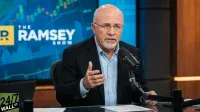
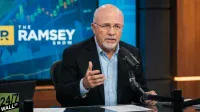
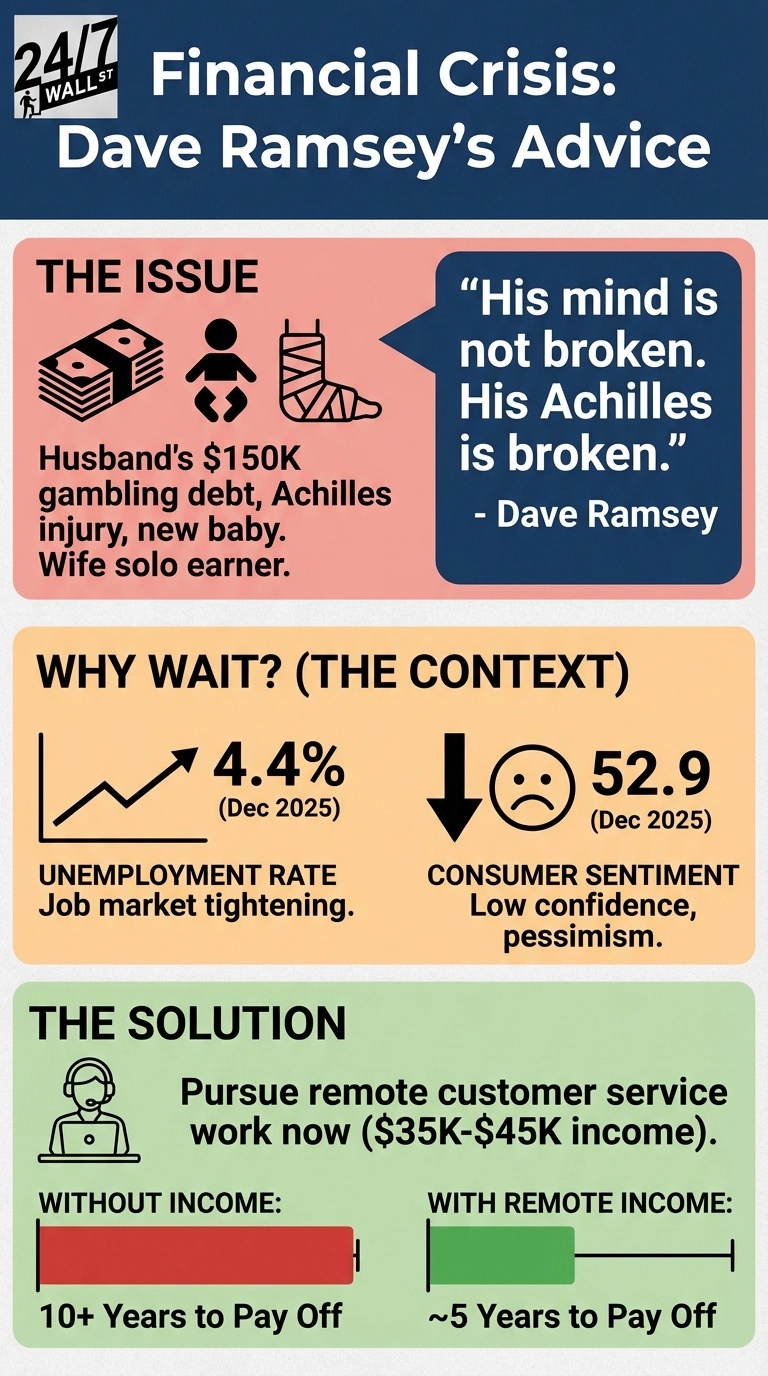
Financial emergencies reveal what was hiding in plain sight. When Dave Ramsey fielded a call from Heather on a January 2026 episode of The Ramsey Show, the crisis was multilayered: her husband’s gambling addiction had accumulated $150,000 in debt over seven years. Now he’s physically unable to work after tearing his Achilles tendon, leaving Heather to support their newborn on her income alone while confronting the financial wreckage.
When Heather suggested waiting until her husband’s physical recovery to address the debt, Ramsey pushed back hard. “His mind is not broken. His Achilles is broken,” he said, urging the husband to pursue remote customer service work immediately, even while caring for their baby.
Where Ramsey’s Advice Holds Up
Ramsey is correct that physical injury doesn’t prevent all forms of work. Her husband previously earned six figures at UPS, but even a modest remote customer service role paying $35,000 to $45,000 would meaningfully accelerate their debt payoff. The key is finding flexible work that accommodates his recovery while generating income.
The math supports immediate action because delay compounds the crisis. Without additional income, Heather faces a decade-long grind where payday loan interest multiplies faster than she can pay down principal. But even modest remote work earning $35,000 to $45,000 annually transforms this timeline, cutting repayment to roughly five years and making an insurmountable problem manageable.
Ramsey’s broader point about mindset matters. Addiction recovery requires accountability, and contributing financially reinforces sobriety and partnership during a crisis he created.
Where the Advice Needs Context
Ramsey’s statement overlooks the reality of Achilles recovery, which involves surgery followed by months of limited mobility and ongoing pain management. Eight months post-injury, her husband may be walking again, but the combination of residual physical limitations and the demands of caring for an infant creates a different challenge than simply sitting at a desk.
The remote work market has tightened considerably over the past year, with unemployment climbing and consumer confidence declining. This economic shift means companies are more cautious about hiring, making the job search harder than it would have been when her husband was last employed.
The advice also assumes the marriage can withstand the resentment of one partner cleaning up the other’s seven-year deception while caring for a newborn. Financial plans work only if relationships survive them.
How to Think About This Advice
Ramsey is right that waiting accomplishes nothing, but his framing oversimplifies a complex situation. The question isn’t whether the husband’s mind works; it’s whether he’s genuinely committed to recovery and whether adding work stress during early parenthood helps or harms that process.
The practical move: her husband should actively apply for remote work now, but the couple needs parallel addiction counseling and financial transparency measures like frozen credit. Income alone won’t solve this without addressing the underlying behavior. For families facing similar crises, financial recovery and addiction recovery must happen simultaneously, or neither will stick.
Contact [email protected] for any questions or corrections.
I am a long time investor and student of business, and believe finding good companies that can become great investments is the best game on earth. After 20 years of writing and researching the public markets it is clear that individuals have never had more tools and information to take control of their financial lives. From ETFs and $0 commissions to cryptos and prediction markets there has never been a greater democratization of access to investing.
I write to help people understand the investments available to them so they can make the best choice for their portfolio, whether they're starting out or looking for income in retirement.