How Extending College Over 4 Years Costs a Ton of Money
We all know that college is expensive. It gets even pricier when students stretch beyond the traditional 4-year undergraduate timeline. Only 44% of college students graduate within four years, and over 50% take 5 years to finish, according to the…

This post may contain links from our sponsors and affiliates, and Flywheel Publishing may receive compensation for actions taken through them.

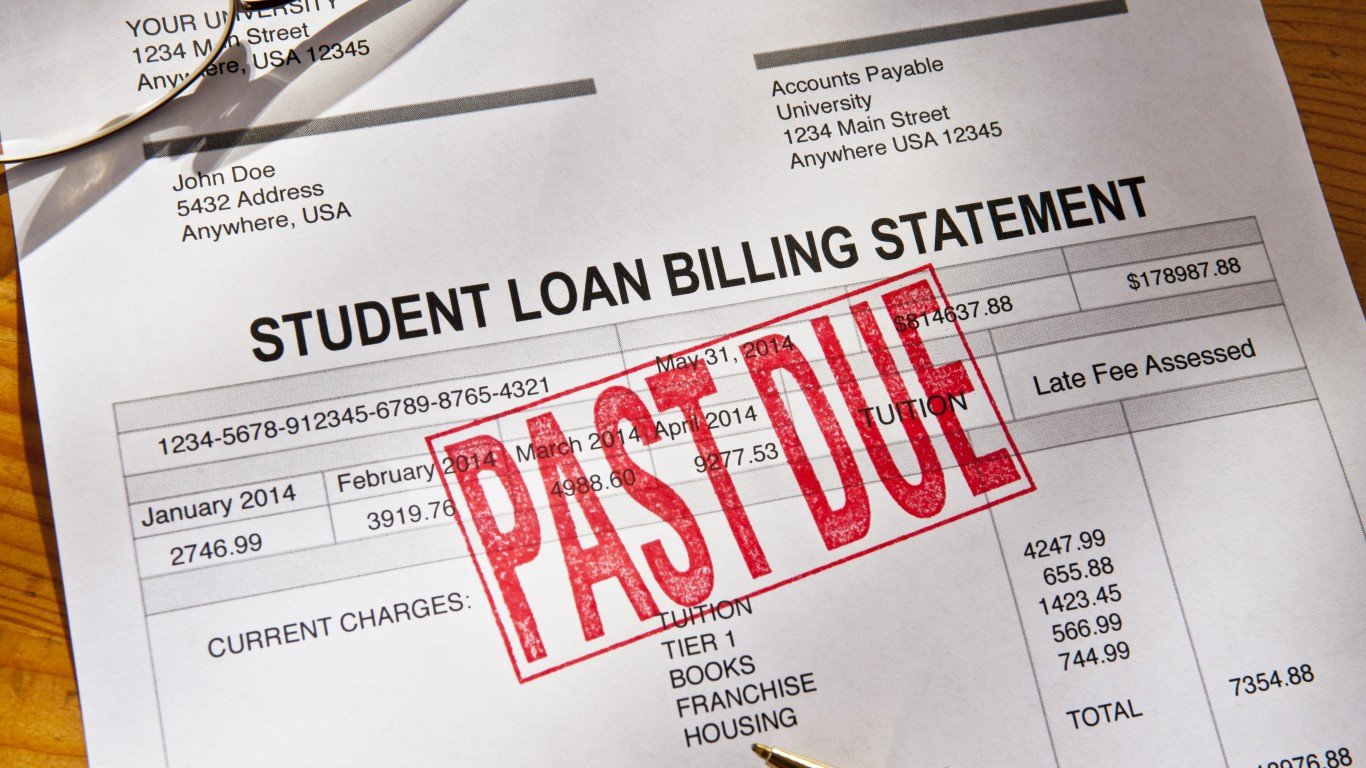
We all know that college is expensive. It gets even pricier when students stretch beyond the traditional 4-year undergraduate timeline. Only 44% of college students graduate within four years, and over 50% take 5 years to finish, according to the National Center for Education Statistics (NCES). That single extra year could be the difference between manageable debt and a balance that follows you into your 30s or beyond.
A typical high school graduate entering a 4-year public college in fall 2026 could take on $43,500 in student loans, based on NerdWallet’s analysis of NCES data. That projection assumes a 5-year graduation timeline, because that is what most students actually do. An extra year means another round of tuition, another lease, another 12 months of food, transportation, and books. Every dollar you borrow compounds while you are in school for unsubsidized loans, then keeps compounding after graduation until you pay it off.
NerdWallet’s Smart Money podcast recently explored college financing challenges. Before taking any loans, exhaust other funding sources including “scholarships, grants, part-time work, parental help,” the hosts said. When loans become necessary, “max out federal loans before turning to private” ones. Federal loans offer more flexible payment options and potential forgiveness programs.
Why Federal Still Beats Private
Some 78% of Americans believe the federal student loan system is broken. Still, federal loans remain the better option. They carry lower rates, more flexible repayment plans, and eligibility for Public Service Loan Forgiveness. Private loans, originated by banks, typically have higher interest rates, less flexible payment plans, and offer no PSLF access. Neither type is generally dischargeable in bankruptcy.
Borrowing costs are not getting friendlier. The 10-year Treasury sits near 4%, near the upper end of its 12-month range. Private lenders price off that benchmark. As NerdWallet’s expert put it, “You’re probably going to be paying off your loans for a long time, so having a federal student loan seems just in general the better way to go.”
Take Only What You Need
To minimize borrowing, start by picking an affordable school like a community college or public state university in your state of residence, the podcast hosts recommended. “Take out only what you need” for school and basic living expenses, not the maximum offered.
“When I was in college, I was given some not great advice,” said Erin El Issa, a NerdWallet writer. “Take the max offered. Like, you’ll be making so much money after graduation, it’ll be so easy to pay off.” She took the max and she regretted it.
Students should also keep applying for scholarships throughout their college career, not just as incoming freshmen. Career services centers can help identify ongoing scholarship opportunities. For parents, provide financial guidance but recognize that “they’re adults now” and may need to make their own mistakes.
The July 1 Rule Change That Decides Your Payment
Starting July 1, federal student loans operate under two new repayment plans. The tiered standard plan stretches repayment from a flat 10 years to anywhere between 10 and 25 years based on loan amount. If you take out $50,000 in student loans, your standard repayment would be 20 years. That means a lower monthly payment, but dramatically more interest paid over the life of the loan.
The second option, the Repayment Assistance Plan (RAP) bases payments on income and family size. Minimum payments for most will be between 1% and 10% of AGI, reduced by $50 monthly per dependent, with any remaining balance forgiven after 30 years. RAP carries an interest subsidy: regardless of your payment, principal goes down by at least $50 a month, with a minimum payment floor of $10 monthly. RAP is the right answer for those with low incomes and high student loan balances. Loans taken before July 1 are not affected.
Tips for College Students
- Build the 4-year plan in writing. Map every required course by semester and try to settle on a major early. As a podcast caller said, “One way to minimize student loans is to adhere to that standard 4-year graduation timeline.” Switching majors is a common path to a fifth year.
- Pick the cheapest credible option. Consider a community college for prerequisites, then an in-state public university.
- Exhaust free money before loans. Apply for scholarships every year, not only as an incoming freshman. Your school’s career services office tracks awards reserved for current students.
- Max out federal before private. Take subsidized loans first, then unsubsidized, and only then consider private debt.
- Borrow only what you need. Calculate tuition plus rent plus food, then request that number.
Contact [email protected] for any questions or corrections.
Carl Sullivan has been a Flywheel Publishing contributor since 2020, focusing mostly on personal finance, investing and technology. He started his journalism career covering mutual funds, banking and financial regulation in Washington.Carl is a contributing editor at Financial Advisor Magazine and previously served as managing editor at Financial Planning Magazine. He is a long-time manager of editorial teams covering a variety of topics including news, business and politics. He’s currently the North America Managing Editor for Flipboard and worked previously for Microsoft News and Newsweek.Carl loves exploring the world and lived in India for several years. Today, he resides in New York City’s Queens borough, where you can hear hundreds of different languages just by riding the subway.