Jeff Bezos Wants to Eliminate Income Taxes for Half of America: Here’s His Plan
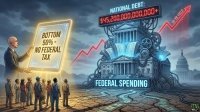
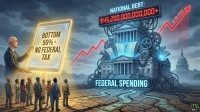
Jeff Bezos walked the factory floor at Blue Origin on May 20, 2026 and used a CNBC interview to propose zero federal income tax for any American earning $75,000 a year or less. He framed wealth inequality as a government…

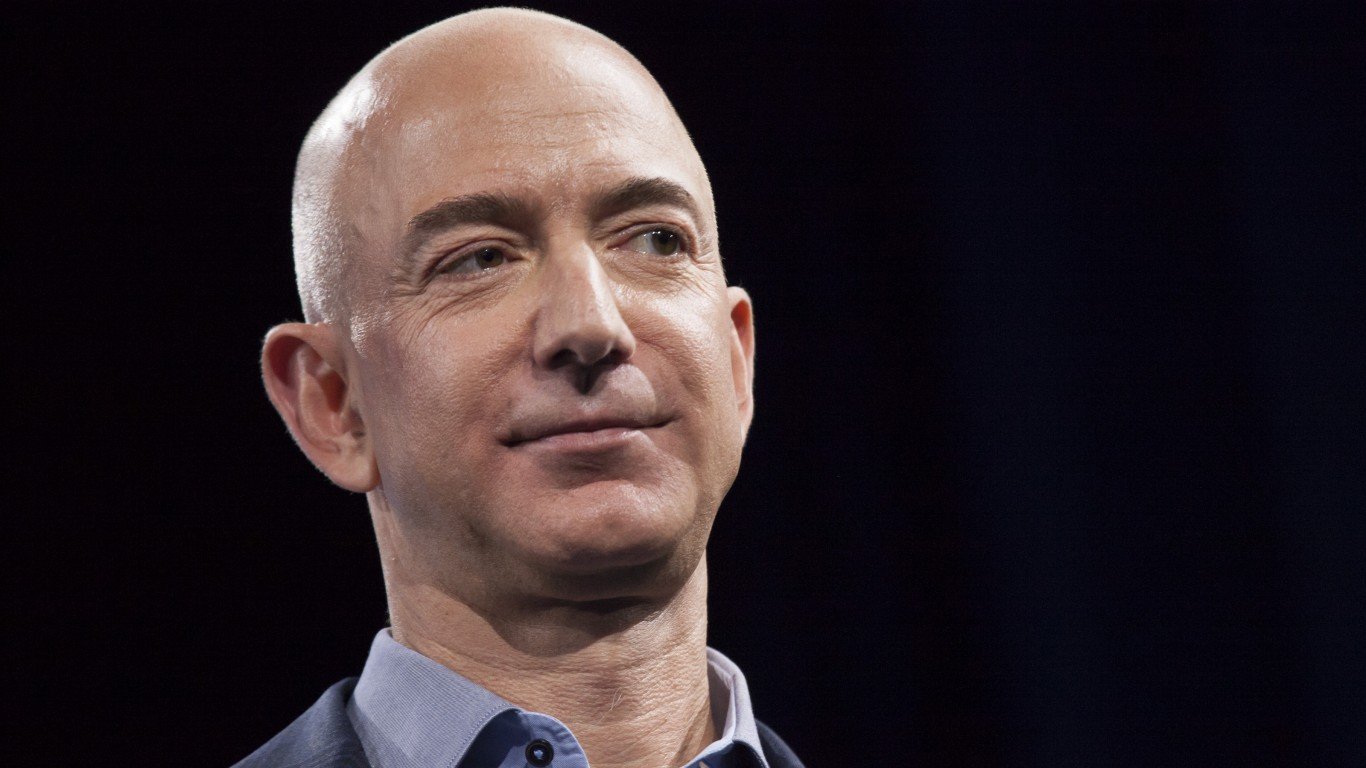
Jeff Bezos walked the factory floor at Blue Origin on May 20, 2026 and used a CNBC interview to propose zero federal income tax for any American earning $75,000 a year or less. He framed wealth inequality as a government efficiency problem, anchoring his argument around a single working person.
“There’s this tale of two economies. You have a bunch of people in this country who are doing really well, but you also have a bunch of people in this country who are struggling, struggling to pay rent, groceries. Politicians are using age old techniques of picking a villain and pointing fingers. But the problem is that doesn’t solve anything.”
That framing lands against real numbers. The University of Michigan Consumer Sentiment Index sat at 53.3 in March 2026, deep in recessionary territory. The U.S. personal savings rate has slipped to 4.0% in the first quarter of 2026, down from 5.2% a year earlier. Households are running thinner cushions while the CPI reached 332.4 in April 2026, a fresh high.
The Queens Nurse At The Center Of The Pitch
Bezos built his case around one person:
“A nurse in queens who makes $75,000 a year pays more than $12,000 a year in taxes. Why is somebody paying all that? I think the bottom half of income earners in this country pay only 3 percent of the taxes. It’s only 3 percent. We don’t need it. The government doesn’t need it. They should be sending her an apology.”
Geography matters. New York’s Regional Price Parity index was 107.921 in 2024, the 11th highest in the country. Real per capita income there came to $78,741. The same nominal salary in Wyoming, with a cost index of 92.691, stretches further across groceries, rent, and gas. A nurse paying more than $12,000 in federal taxes in a high-cost zip code experiences that differently than the same nurse in Tulsa.
Bezos’s own retailer pays $23 an hour, or $52,000 a year, to entry-level Amazon workers in Queens, the floor of the working-class wage band his proposal targets.
The “Skills Problem” Thesis
Bezos argues the federal government should focus on better management and spending discipline.
“We already have the most progressive tax system in the world. The top 1 percent of taxpayers pay 40 percent of all the tax revenue. The bottom half pay only 3 percent. We actually have a spending problem and that’s a skills issue.”
His evidence is municipal:
“The new york city school system spends $44,000 per student. That’s 30 percent more per student than other big cities like chicago, la, and boston. And by the way, new york city doesn’t get better outcomes. If we ran amazon the way new york city runs their school system, your packages would take six weeks to arrive, we’d have to charge you $100 delivery fee, and then when the package did finally arrive, it’d have the wrong item in it anyway.”
Bezos is asking readers to treat government like a logistics company that has lost operating discipline. His policy prescription: cut taxes at the bottom, then tighten spending at the top of the stack.
What Zero Would Actually Free Up
Federal income tax is only one layer of the paycheck deduction. FICA payroll taxes (Social Security and Medicare) would still apply, as would state and local taxes in places like New York. Removing the federal income tax line for a sub-$75K earner would redirect real cash into monthly budgets absorbing rent inflation and grocery bills.
Bezos was explicit about the symbolism:
“I want to eliminate that nurse’s tax bill. I don’t want to reduce it. I want to eliminate it. I think there’s something very powerful about zero. Zero is a better number than like $1. Stop taxing them. We live in the wealthiest country in the world. America is the greatest country in the world.”
Amazon (NASDAQ:AMZN | AMZN Price Prediction), the company Bezos founded, carries a market capitalization near $2.79 trillion and posted trailing revenue of $742.8 billion. The stock is up about 26% over the past year. The man arguing the bottom half should pay zero sits at the top of the curve he is describing.
What To Do With This
The proposal is a pitch, not legislation. But the underlying personal finance exercise it points to is one any reader can run this week:
- Pull your most recent pay stub and identify the federal income tax line separately from FICA, state, and local withholdings. That is the only line Bezos’s proposal targets.
- Multiply that line by your remaining pay periods in 2026 to estimate your annual federal income tax burden. That is the dollar figure on the table in this debate for your household.
- Map that number against your actual budget gaps: rent, groceries, childcare, debt payments. That tells you whether the “power of zero” would meaningfully change your monthly cash flow or simply pad your savings rate.
Bezos is selling a verdict on government. The financial plan for your household is a separate exercise. The number that matters to you is the one already on your pay stub.
Contact [email protected] for any questions or corrections.
I am a long time investor and student of business, and believe finding good companies that can become great investments is the best game on earth. After 20 years of writing and researching the public markets it is clear that individuals have never had more tools and information to take control of their financial lives. From ETFs and $0 commissions to cryptos and prediction markets there has never been a greater democratization of access to investing.
I write to help people understand the investments available to them so they can make the best choice for their portfolio, whether they're starting out or looking for income in retirement.