“This Is Crony Capitalism,” Bezos Tells CNBC, Defending His Tax Bill on Live TV
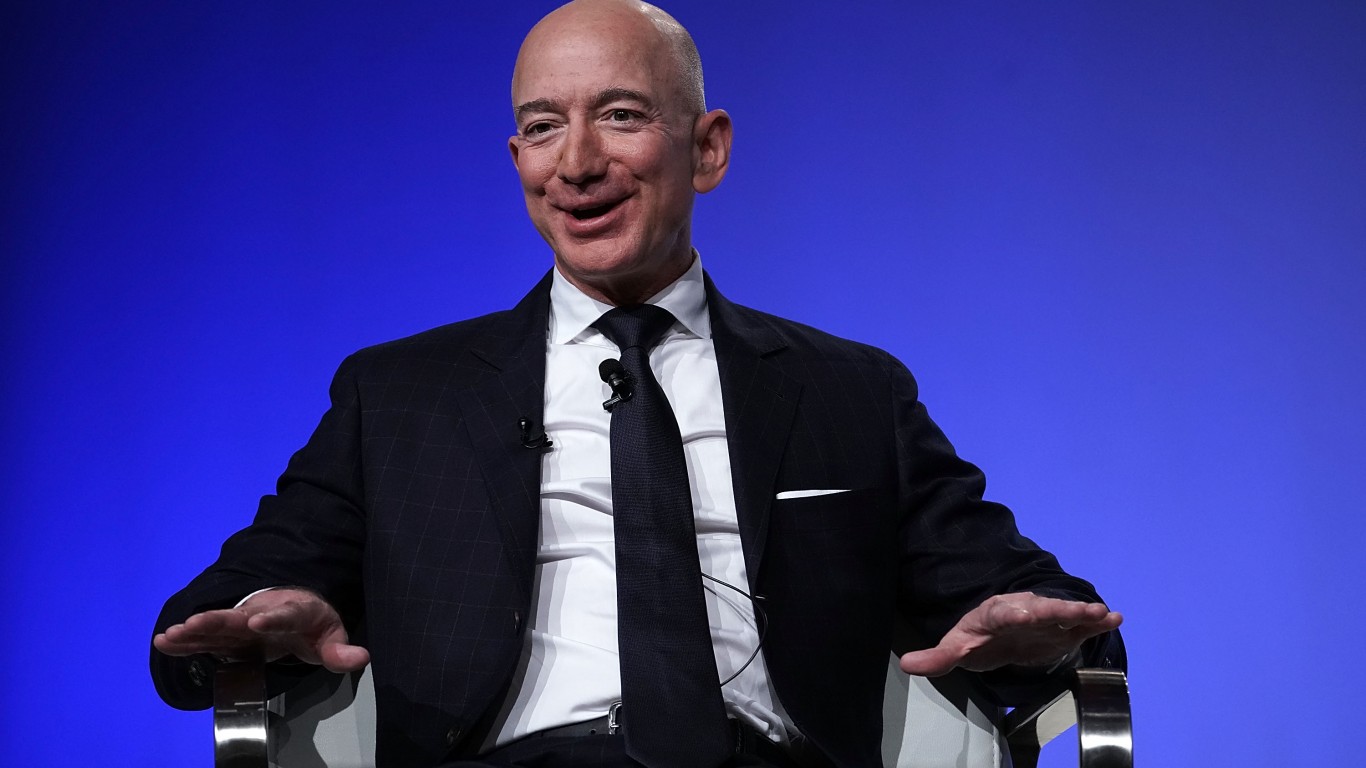
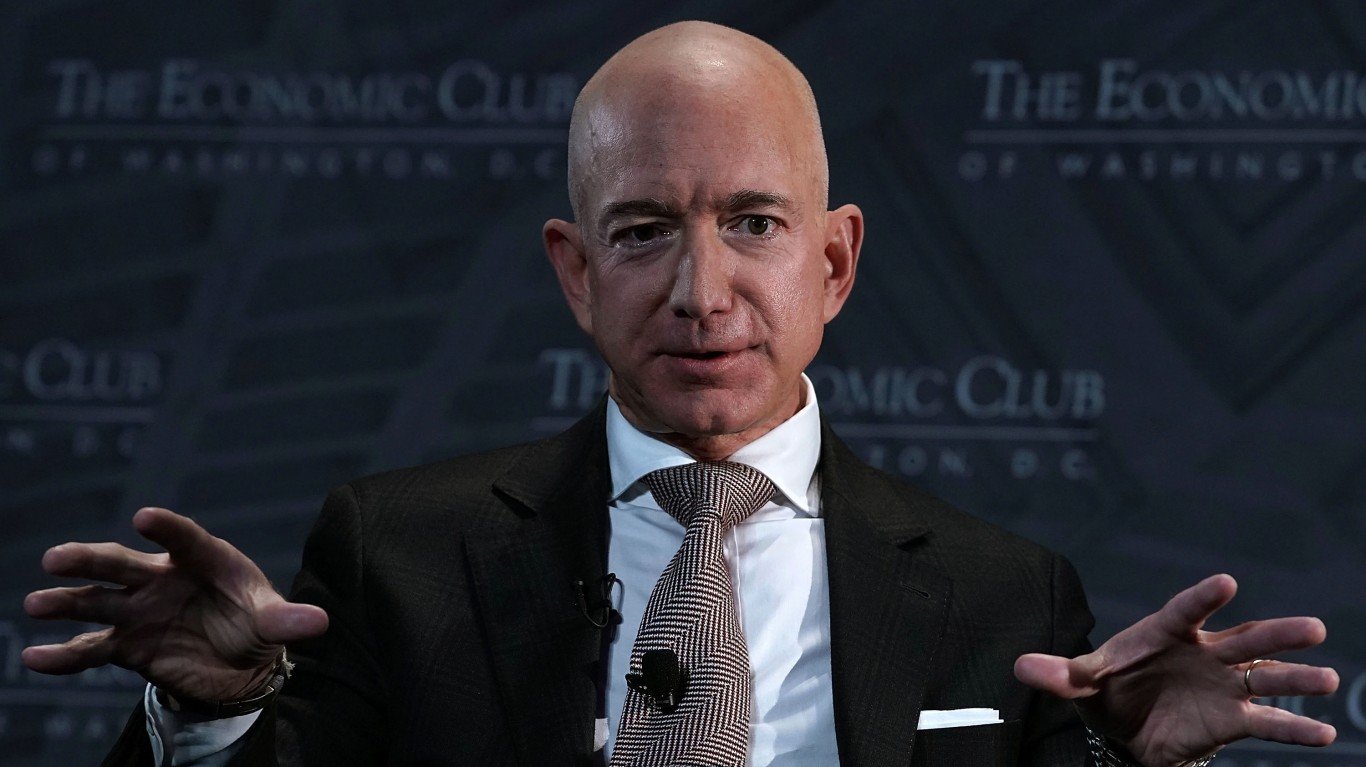
Jeff Bezos sat down with CNBC’s Squawk Box on May 20, 2026, delivering one of the bluntest defenses of his own tax bill any U.S. billionaire has offered in years. The segment, titled "Jeff Bezos on U.S. tax code: This…


Jeff Bezos sat down with CNBC’s Squawk Box on May 20, 2026, delivering one of the bluntest defenses of his own tax bill any U.S. billionaire has offered in years. The segment, titled "Jeff Bezos on U.S. tax code: This is crony capitalism,", framed the Amazon (NASDAQ:AMZN | AMZN Price Prediction) founder’s argument as a structural critique of Washington rather than a self-interested rebuttal.
Bezos told viewers that raising taxes on the very rich will not address the affordability problems voters are angry about. "If people want me to pay more billions, then let’s have that debate. But don’t pretend you know that this is going to solve the problem. You could double the taxes I pay and it’s not going to help that teacher in queens, I promise you," he said.
Three pillars of the argument
Bezos built his case around housing, the tax code, and government efficiency.
On rent and housing supply, he blamed local and federal policy rather than wealthy investors. "What’s really causing high rent is government intervention. We subsidize demand with things like tax policy, which is fine, but at the same time, we constrain supply. We constrain supply with things like zoning and permitting," he said. He pointed to New York City, where Airbnb has been largely outlawed yet rents have not come down, as evidence that restricting supply does not fix affordability.
The Consumer Price Index reached 332.407 in April 2026, a 90.9th percentile reading over the trailing 12 months, and the U.S. personal savings rate slipped to 4.0% in Q1 2026 from 5.2% a year earlier. State-level cost-of-living indices show the structural pressure: California sits at 110.72 on the BEA cost-of-living index while Mississippi posts the country’s lowest per capita income at $51,948.
On the tax code, Bezos was harsher. "We have way too much corporate welfare, way too much corporate subsidies. We have there’s way too much influence in politics from business. The tax code is 1010,000 plus pages long because it has built in corporate loopholes for various things. This is crony capitalism," he said.
The ‘buy, borrow, die’ rebuttal
Bezos addressed the critique that billionaires avoid taxes by borrowing against appreciated stock rather than selling it. "I’m selling amazon stock routinely. And that’s how I fund blue origin and prometheus and a bunch of other things. So I, every time I sell, I pay taxes on that," he said.
SEC filings back up the claim. Bezos disposed of 1,033,597 shares on May 1, 2026 and another 220,200 shares on May 4, 2026, consistent with a Rule 10b5-1 trading plan. Amazon shares are up 25.8% over the past year and 12.36% year to date through May 19, 2026.
He closed on a government-efficiency point that may resonate with retirees watching transfer payments balloon. "If you really want to have a progressive tax system, you also want that money to actually be helping and not just dissolving in, you know, a like administrative bureaucracy and not even getting to the teachers," he said.
What it means for AMZN holders
Bezos’s selling cadence funds Blue Origin, Prometheus, and other private bets, so shareholders should expect those disposals to continue regardless of policy outcomes. The underlying business is delivering strong fundamentals for those sales. Amazon posted Q1 2026 revenue of $181.52 billion, up 16.6% year over year, with AWS growing 28%, its fastest pace in 15 quarters, per the company’s Q1 2026 8-K filing. EPS came in at $2.78 against a $1.73 estimate, and management guided Q2 net sales to $194.0 billion to $199.0 billion.
At a market cap near $2.84 trillion and a P/E of 36, Amazon is priced for continued AWS and advertising momentum. Any policy shift on capital gains, wealth taxation, or corporate loopholes would land directly on the mechanism Bezos described on national television. That makes his Squawk Box appearance worth filing away, whatever side of the debate a reader sits on.
Contact [email protected] for any questions or corrections.
I am a long time investor and student of business, and believe finding good companies that can become great investments is the best game on earth. After 20 years of writing and researching the public markets it is clear that individuals have never had more tools and information to take control of their financial lives. From ETFs and $0 commissions to cryptos and prediction markets there has never been a greater democratization of access to investing.
I write to help people understand the investments available to them so they can make the best choice for their portfolio, whether they're starting out or looking for income in retirement.