Meet the Boomer Dad Who Worked Overnight as a Janitor So His 5 Kids Could Get $700,000 in Free Tuition
For 15 years, Fred Vautour mopped floors on the overnight shift at one of the country's most expensive universities, and most of his coworkers had no idea what that unglamorous job was quietly doing for his family.

This post may contain links from our sponsors and affiliates, and Flywheel Publishing may receive compensation for actions taken through them.

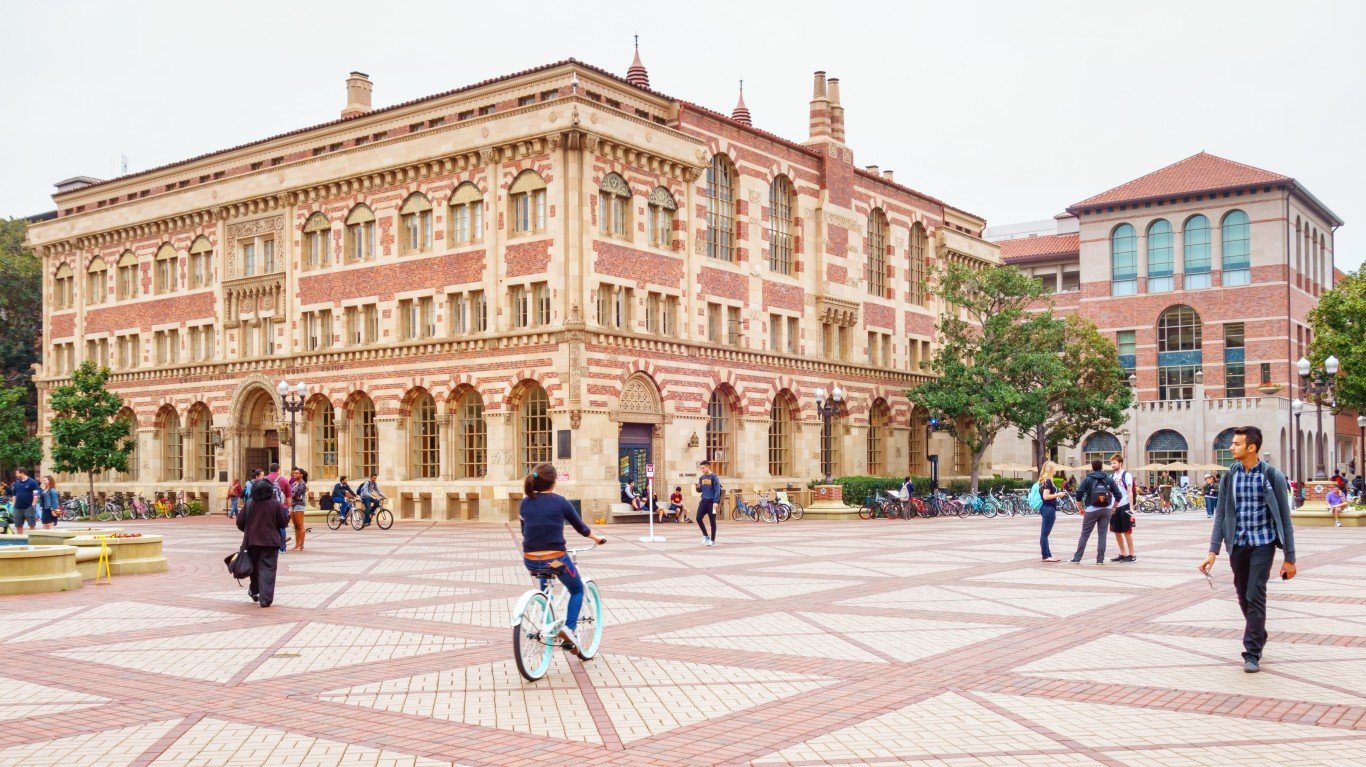
Fred Vautour spent 15 years pushing a mop through the halls of Boston College on the overnight shift. He had no college degree of his own. But over roughly two decades, that low-paying job put all five of his children through one of the most expensive private universities in the country, tuition-free, a benefit worth nearly $700,000, according to CBS News.
“You live for your kids, so they could have a better life than I had,” Fred told CBS’s Steve Hartman in a May 2016 report. His daughter Amy put it plainly: “He really opened the opportunity for us.” His son Brandon captured what their father had built into the family’s DNA: “It was never a question of if we would go to college or not. We will go to college, and that’s what he instilled in us.”
How a Janitor’s Job Became a $700,000 Asset
Boston College allows employees’ children to attend tuition-free, provided they’re accepted through normal admissions on merit. Admission is earned, not handed out as a favor. Once Fred’s children got through the front door, the tuition bill vanished.
All five applied. All five got in. Amy, the oldest, was accepted in 1998. Alicia, the youngest, graduated in May 2016. Across that span, per CBS News, the family received close to $700,000 in tuition Fred, on a janitor’s wages, never could have paid.
What It Would Take Today
Boston College’s total cost of attendance for 2025-26, tuition, fees, room and board, is $91,792, per BC’s own announcement, up 3.57% from the prior year. The steady job that quietly eliminated six figures of family debt is, if anything, a bigger prize in 2026 than when Fred was mopping floors.
The Fuller Picture
Sticker prices have soared. Per the College Board’s 2025 Trends in College Pricing report, average published tuition and fees at private nonprofit four-year colleges rose from $25,820 in 1995-96 to $45,000 in 2025-26, adjusted for inflation. That number generates headlines and dread.
The price families actually pay tells a different story. The College Board finds that average net tuition and fees at private nonprofits, after grants and aid, declined in inflation-adjusted terms, from $19,810 in 2006-07 to an estimated $16,910 in 2025-26. Boston College itself says it meets 100% of demonstrated financial need for domestic students, with average need-based aid packages projected to top $60,000 for 2025-26.
The real shift is that guaranteed, aid-proof access, exactly what Fred’s employee benefit provided, has grown in value, while families without that access have been buried. Total US student loan debt sits at roughly $1.83 to $1.87 trillion as of early 2026, held by about 42.8 million borrowers, per Federal Reserve and Education Data Initiative figures. Among bachelor’s degree recipients in the class of 2024, 47% graduated with debt, averaging $29,560. That is the world Fred’s children skipped entirely.
The Move Most Families Never Think to Make
Employer and university tuition-remission benefits for employees’ children still exist at colleges, universities, and a meaningful number of corporations. Given how far total cost of attendance has climbed, these benefits are worth more today than they were for Fred. The catch is they’re often underpublicized, buried in HR documents few employees read closely.
Ask explicitly. If you work at a college or university, find out whether dependent tuition benefits apply to your kids and what the eligibility terms are. If you work for a large company, ask HR directly whether any tuition-assistance or dependent-education benefit exists, and factor it into how you weigh a job offer. A role that looks ordinary on salary can carry an extraordinary hidden benefit, the way a janitor’s job at Boston College did.
Two Generations, One Strategy
Fred’s generation could stumble into this. A single steady job at the right institution quietly erased what would have been six figures of family debt, without a financial adviser or spreadsheet. Today’s version demands more intent. You have to find the right employer, ask the right questions, and treat the benefit as part of your compensation. With BC’s cost of attendance near $92,000 a year and national student debt past $1.83 trillion, the strategy Fred used, earn your way in, then let the right employer cover the bill, is one of the last reliable ways an ordinary family can send kids to an elite school and walk out owing nothing. The opportunity is still there. You just have to know to ask.
Contact [email protected] for any questions or corrections.
I've spent more than 15 years inside enterprise software, working alongside the finance, sales operations, and HR leaders who run the revenue engines at some of the largest tech companies in the country.
My day job is helping enterprise executives make smarter decisions about retention, compensation, and growth. These are the same operational levers that show up in every earnings report investors actually read. That perspective shapes my writing for 24/7 Wall St.
The headline numbers are easy. The interesting stuff is underneath: how companies make money, what executives are worried about, and what any of it means for the person checking their 401(k) on a Sunday afternoon. I write about personal finance and business as someone who has spent her career inside the rooms where these decisions get made.