She Inherited the Family Cabin. Montana Now Taxes It Like a Second Home.
A $780,000 lakefront cabin that has been in the family since 1972 now faces a tax bill that could upend retirement budgets, and the reason comes down to a single seven-month rule that most heirs never see coming.

This post may contain links from our sponsors and affiliates, and Flywheel Publishing may receive compensation for actions taken through them.
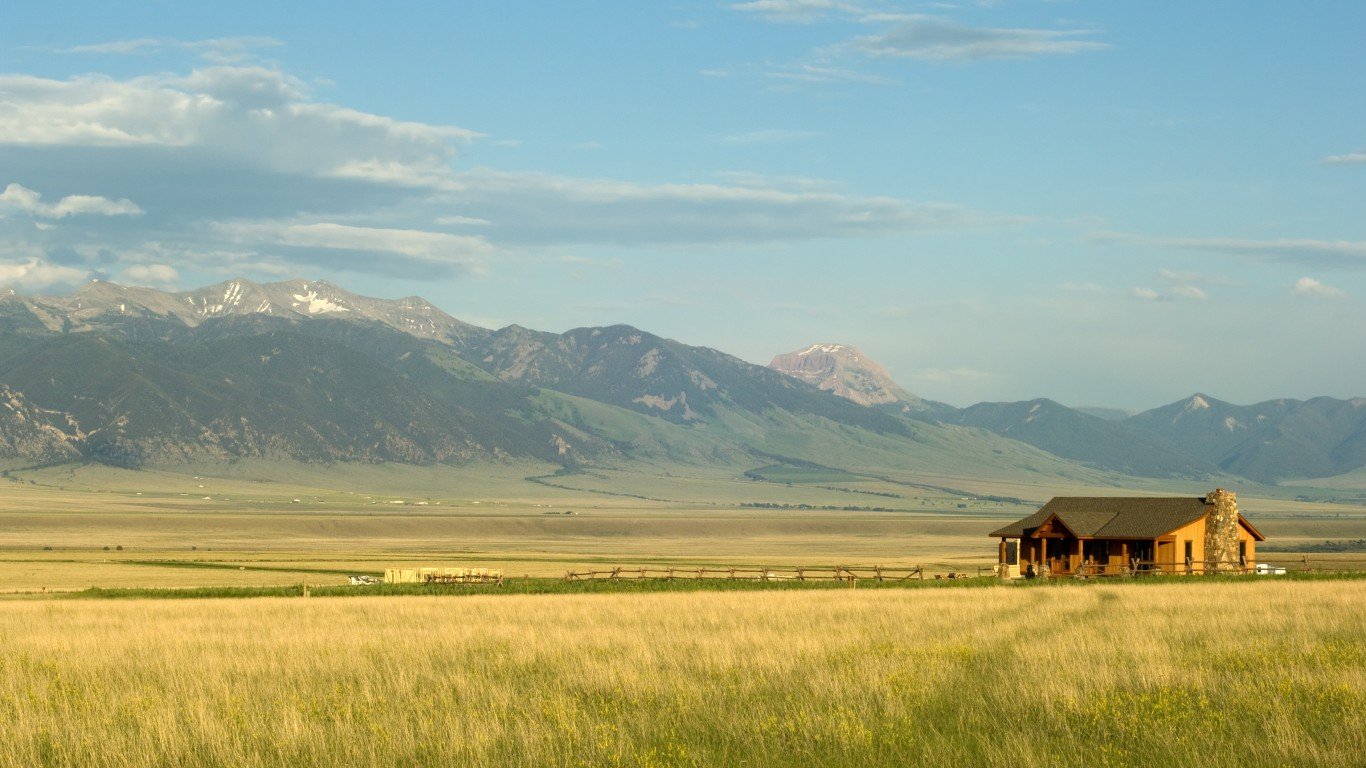
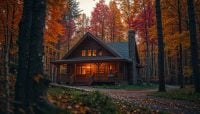
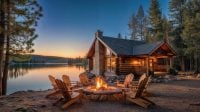
Meet Susan, a 68-year-old retiree in Minneapolis who inherited her parents’ log cabin on Flathead Lake last spring. She spends about four months there each summer and returns for the holidays, then heads home. The cabin has been in the family since 1972, is paid off, appraised around $780,000, and full of her mother’s quilts. Under Montana’s 2026 property-tax rules, it no longer qualifies for the reduced primary-residence rate. It is taxed as a second home.
Versions of Susan’s story are now playing out among Montana heirs and snowbirds. Governor Greg Gianforte’s 2025 property-tax legislation lowered rates on qualifying primary residences and long-term rentals while assigning a higher rate to second homes and other residential properties that do not qualify, with the new structure taking full effect in 2026. A homestead must generally be occupied as the owner’s principal residence for at least seven months of the year.
Montana Free Press has tracked the rollout closely, and the Montana Department of Revenue’s projections show the divide clearly: taxes on the average owner-occupied home were expected to fall about 18%, while the average home that failed to qualify for homestead treatment could rise about 68%. For heirs and snowbirds like Susan, the classification matters almost as much as the property’s value.
Why This Hits Harder Than It Looks
Susan already claims the homestead exemption on her Minneapolis house. Montana generally allows only one principal residence, so she cannot claim the reduced homestead rate on the cabin too. Homestead treatment requires a homeowner to live in the property for at least seven months a year. Alternatively, a landlord must rent it to tenants as a residence for periods of at least 28 days at a time, covering at least seven months of the year. Four summer months do not clear that bar. Neither does letting her adult children use it on weekends.
Montana’s law offers no special exception for a longtime family cabin, which means a $780,000 property taxed at the non-homestead rate could carry an annual bill thousands of dollars higher than it did in 2024. On a fixed retirement income, that is a real line item. With the 10-year Treasury near 4.7% and borrowing costs still elevated, tapping the cabin’s equity to cover the gap would be expensive.
The Four Doors, Ranked
Susan effectively has four choices. They are not the same.
- Convert it to a qualifying long-term rental. This is the option many inherited-cabin owners overlook. A qualifying rental can receive the lower rate even when it is owned through an entity, provided tenants occupy it as a residence for periods of at least 28 days and for at least seven months of the year. Susan could preserve her summer use by renting it during the other months, but she would have to give up holiday visits and much of her off-season flexibility.
- Make the cabin her primary residence. If Susan sold the Minneapolis house and spent at least seven months a year in Montana, the cabin could qualify for homestead treatment. But this is a life decision first. Do not move states simply to escape a property-tax bill.
- Sell. National home prices remain near record highs, with the Case-Shiller index around 331. Because Susan inherited the property, its tax basis was generally reset to its value at her parents’ deaths. Selling reasonably close to that value could limit the taxable gain, although any later appreciation still counts. If the emotional attachment is not strong enough to justify the new bill, this is the cleanest exit.
- Transfer it to heirs or into an entity. Be careful here. Homestead treatment is available to homes owned by individuals, couples, or qualifying revocable grantor trusts, but not LLCs or irrevocable trusts. The long-term rental route may still qualify. An LLC transfer would disqualify the cabin from homestead treatment while the entity owns it, not necessarily forever. Transferring it to heirs during Susan’s lifetime also brings separate tax and estate-planning consequences.
The Lesson
Every state is silently rewriting which house counts as home. Florida, California, and now Montana all reward the primary residence and penalize everything else. Snowbirds who split time between two states and heirs who inherit a place they visit but do not live in get caught.
What to Do Sooner Than Later
Two early steps. First, if the property is in Montana, check its status at homestead.mt.gov. The 2026 deadline has passed, but enrollment for the 2027 tax year is open through March 1, 2027. Second, do not fudge the seven-month rule. Fraudulent claims can be penalized at three times the amount saved, plus a possible $500 fine and up to six months in jail. Short absences may be allowed when the property remains the owner’s principal residence, but they cannot turn a four-month family cabin into a homestead.
The mistake to avoid is treating the cabin as a keepsake and letting higher tax bills pile up year after year. Pick a door on purpose. If Susan wants to keep the cabin without moving to Montana, the long-term rental path may be her clearest route to the lower rate. If she wants her summers uninterrupted, she needs to accept the second-home rate as the price of that choice and budget for it.
Contact [email protected] for any questions or corrections.
Gerelyn Terzo is the author of dividend investing handbook "Dividend Investing Strategies: How to Have Your Cake & Eat It Too." A veteran financial journalist, she covers agri-finance for outlets like Global AgInvesting and the broader stock market and personal finance for 24/7 Wall Street. She began at CNBC and later helped launch Fox Business in New York. Gerelyn currently resides in Woodland Park, Colorado and dabbles in nature photography as a hobby.