Nobody Wants to Inherit a Margaritaville Home. Here’s What It Costs the Kids When They Do
Your parents bought into the Margaritaville dream, and the estate plan says the house is yours now. Before you celebrate, find out what that gated 55-plus community will actually cost you to keep, sell, or even enter.

This post may contain links from our sponsors and affiliates, and Flywheel Publishing may receive compensation for actions taken through them.
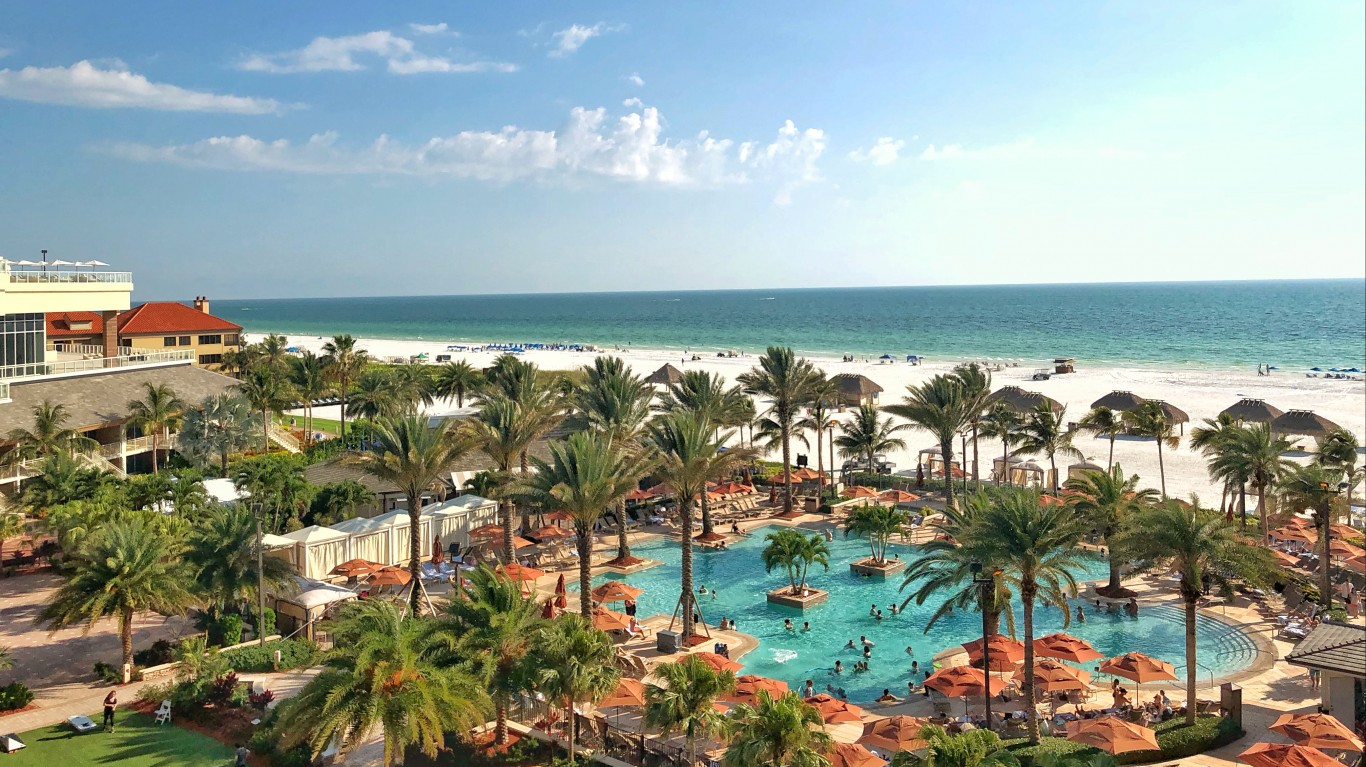
Margaritaville retirement communities market a lifestyle: gated 55+ streets, live music, a golf cart in every driveway. Parents buy in. Then their adult children open an estate plan that says “the house goes to the kids” and nothing more. What does it cost to inherit one of these homes, and what should the parent’s plan set aside so the house stays an asset?
Your Heirs Can Own It and Still Be Barred From Living There
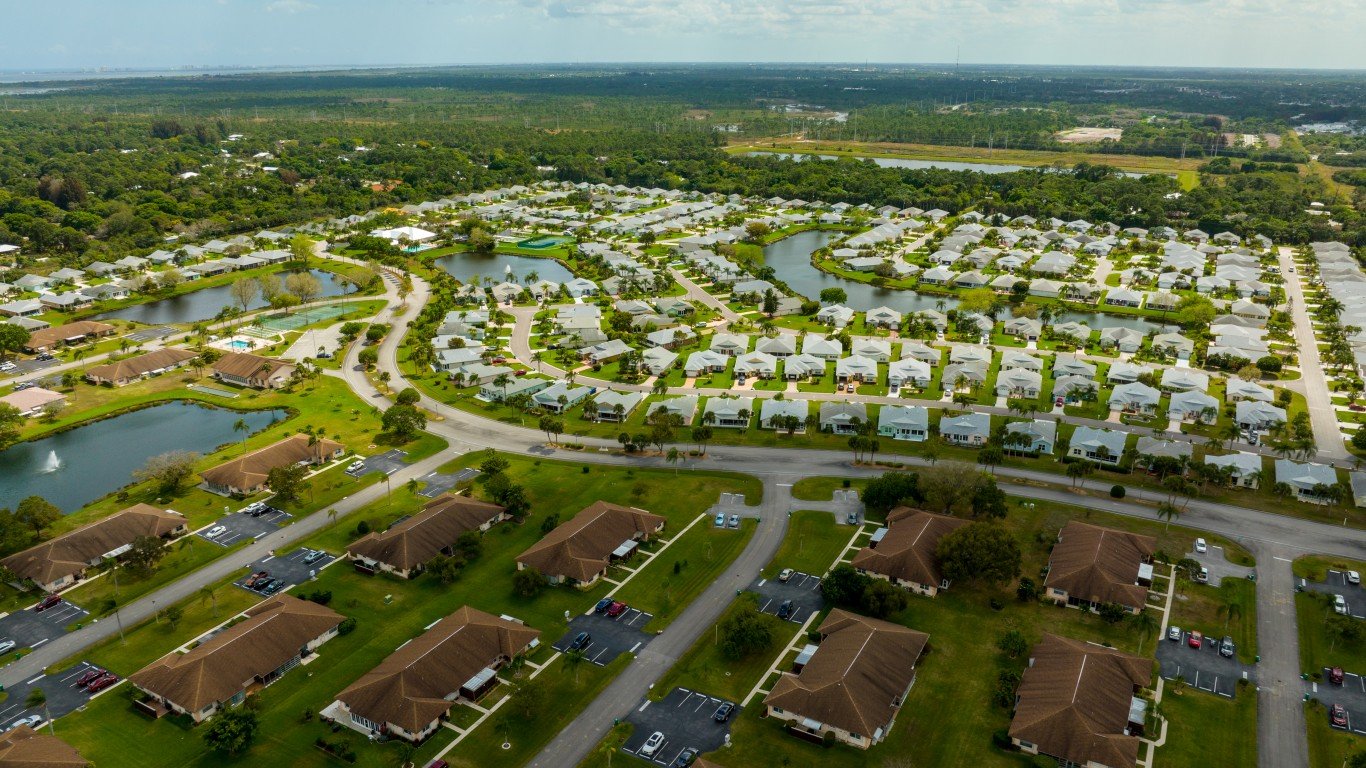
Latitude Margaritaville, located in Daytona Beach, Florida, is a gated 55+ community sold out for new-home sales, with resales generally running from the mid $300,000s to low $800,000s. Under the federal Housing for Older Persons Act, qualifying communities must keep at least 80% of occupied homes with a resident 55 or older. An heir “can still own the property” but “no owner under the age of 55 may occupy a home unless the requirements of the section are met.”
A 48-year-old heir can end up holding a house they may not be allowed to move into. In practice, that leaves two choices: sell it, or pay to keep an empty house.
Florida Resets the Tax Bill When the Kids Take Title
Florida’s Save Our Homes rule caps annual assessment increases on a homestead at 3%. That cap ends when ownership changes. When adult children or other beneficiaries inherit, the property is generally reassessed at full just value the next tax year.
For example, let’s say mom’s capped assessed value is $250,000. After the $50,000 homestead exemption, she pays tax on $200,000. The home’s market value is $450,000; heirs get no exemption. Their taxable base is 2.25 times what Mom paid. Insurance costs depend heavily on county, ranging from $2,105 in Sumter County to $7,863 in Monroe County, with flood coverage requiring a separate policy.
What a Year of Carrying the House Costs
Using that $450,000 Daytona resale, here is what 12 months of holding it costs while it sits on the market:
| Line Item | Annual Cost |
|---|---|
| HOA dues at $350 a month | $4,200 |
| Homeowners insurance (assumed, within county range above) | $3,500 |
| Utilities, lawn, and vacant-home maintenance at $250 a month | $3,000 |
| Property tax at an assumed 1.6% effective rate after reset | $7,200 |
| Total | $17,900 |
That works out to about $1,500 a month. The Hilton Head location’s 2026 dues run $329.11 to $374.56 a month. Swap in your own county’s millage rate and insurance quote.
A full year of carrying costs is reasonable. Existing-home sales slowed to a 3.98 million annual pace, the lowest in the past year. At Latitude Margaritaville Hilton Head, new homes start between $314,812 and $485,240 and come with builder warranties.
A Reverse Mortgage Starts a Clock
Many parents use a HECM reverse mortgage to fund this lifestyle. That loan comes due when the last borrower dies. Heirs can pay off the balance, sell the home for the lesser of the outstanding loan balance or 95% of the appraised value, or hand over a deed in lieu of foreclosure. The lender can give heirs six months to settle, plus up to two 90-day extensions if actively marketing the home.
The loan is non-recourse, so heirs never owe more than the house is worth. On a $450,000 appraisal, keeping the house costs no more than $427,500. Interest keeps building up. Refinancing is expensive now that the 10-year Treasury yield is at 5.26%, it’s high for the past year.
What It Takes to Hand Down the House Cleanly
The step-up in cost basis at death usually keeps capital gains small when heirs sell quickly. Holding time drives the cost. The parent’s plan should fund the exit up front: about $18,000 for each year of expected holding time, kept in a Treasury ladder or high-yield cash outside the portfolio the parent draws on. The plan should also title the home so it can be sold without waiting on probate. A revocable trust or Florida’s enhanced life estate deed both work.
Keeping the house indefinitely, paid from portfolio income, takes $17,900 a year. At a 4% withdrawal rate, that requires $447,500 in invested capital, about the price of a second house. Most estates can more easily afford a one-year reserve, a sale-ready title, and a written plan to sell the house (we include the full estate checklist, titling, and beneficiary forms in a free guide here).
Contact [email protected] for any questions or corrections.
David Beren has been a Flywheel Publishing contributor since 2022. Writing for 24/7 Wall St. since 2023, David loves to write about topics of all shapes and sizes. As a technology expert, David focuses heavily on consumer electronics brands, automobiles, and general technology. He has previously written for LifeWire, formerly About.com. As a part-time freelance writer, David’s “day job” has been working on and leading social media for multiple Fortune 100 brands. David loves the flexibility of this field and its ability to reach customers exactly where they like to spend their time. Additionally, David previously published his own blog, TmoNews.com, which reached 3 million readers in its first year. In addition to freelance and social media work, David loves to spend time with his family and children and relive the glory days of video game consoles by playing any retro game console he can get his hands on.