President Trump Threw Social Security Retirees a Bone. Here’s the Fallout
The OBBBA handed millions of Social Security recipients a tax break, but the relief may be setting the program up for a financial hit it can least afford right now.

This post may contain links from our sponsors and affiliates, and Flywheel Publishing may receive compensation for actions taken through them.

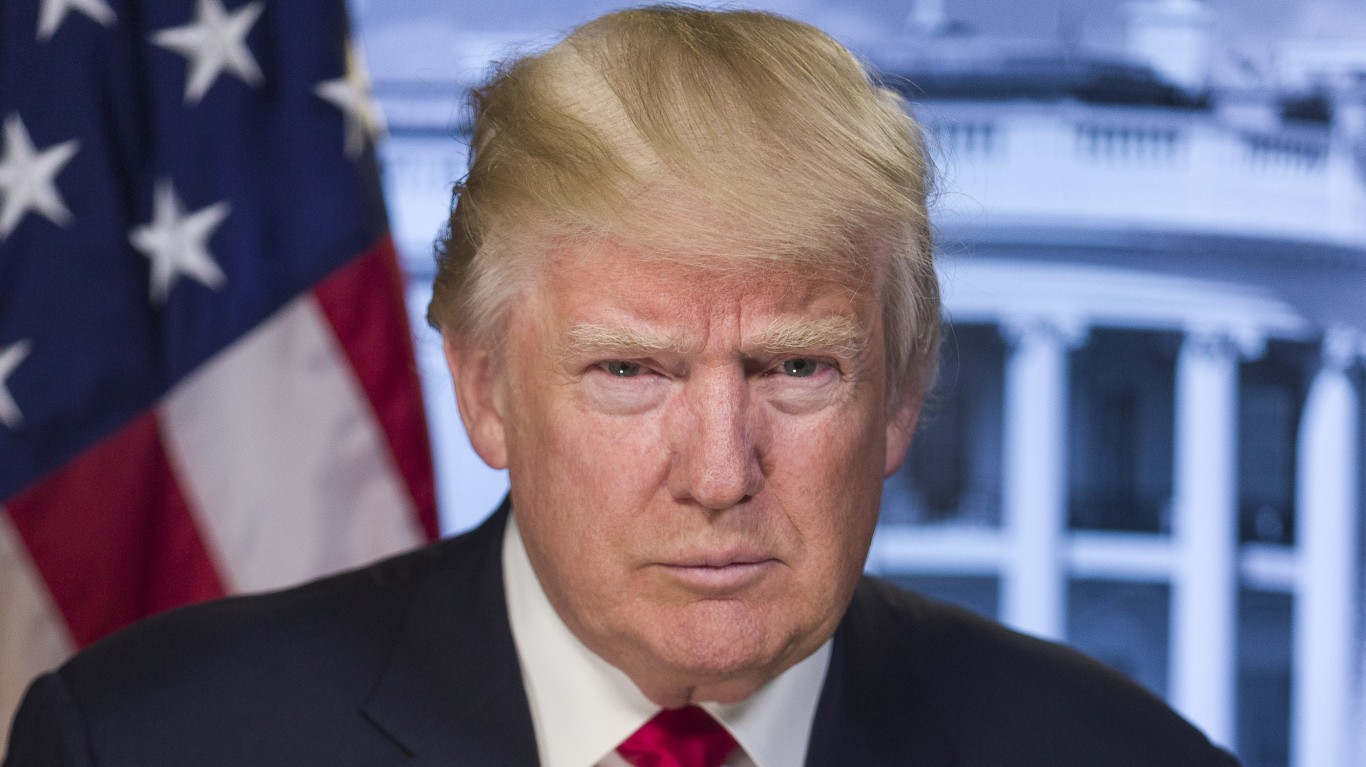
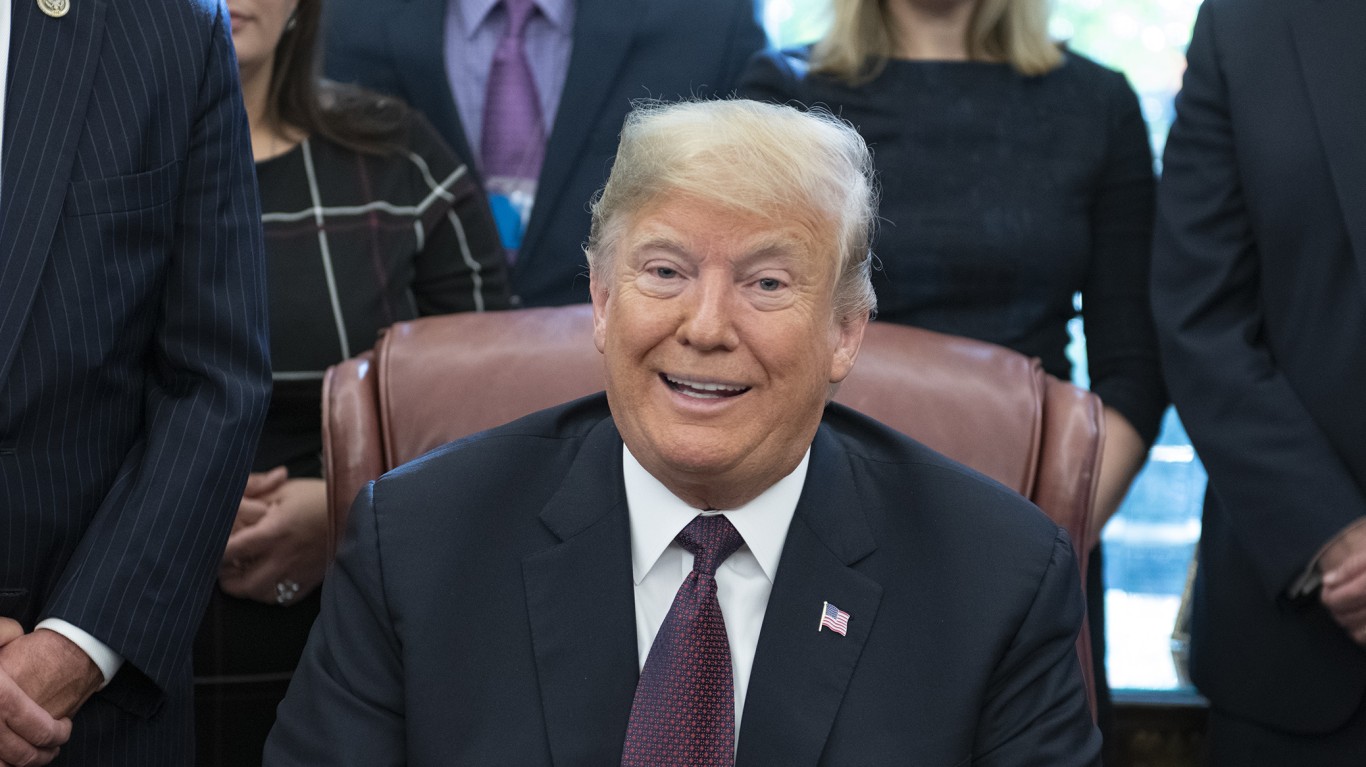
President Trump’s signature One Big Beautiful Bill Act (OBBBA) introduced a number of key changes for working Americans and retirees alike. For example, the OBBBA allows certain workers to deduct qualified overtime pay. There’s also a deduction available for qualified tips.
Another big change that came out of the OBBBA was the new $6,000 deduction for seniors aged 65 and older. The deduction begins to phase out for individuals with modified adjusted gross income above $75,000 and married couples filing jointly with income above $150,000, making it primarily a benefit for low- and middle-income retirees.
As a result of the new $6,000 deduction, though, the majority of seniors who receive Social Security benefits are now exempt from having to pay taxes on those monthly checks. But while that may be a welcome change for seniors who were paying taxes on their Social Security checks before, it’s bad news for the program from a financial standpoint.
Seniors get a break, but Social Security doesn’t
When Trump was running for office, he pledged to do away with taxes on Social Security benefits. So far, he hasn’t implemented that change, since benefits are still subject to taxes. But the $6,000 deduction that came as part of the OBBBA has eliminated taxes on benefits for most recipients in the near term.
The $6,000 tax deduction is set to expire after 2028 unless lawmakers vote to renew it. If they don’t, many seniors who are currently exempt from having their benefits taxed will have to pay taxes on their Social Security checks once again.
Of course, for now, the tax savings millions of Social Security recipients are enjoying may be nice. But this change could also impact the program negatively.
Since the 1980s, a portion of the federal income taxes paid on Social Security benefits has been directed back into Social Security’s trust funds, which are needed to help pay benefits.
The Committee for a Responsible Federal Budget estimates that the OBBBA’s new senior deduction will reduce revenues flowing to Social Security by roughly $169 billion over the next decade. That money could have otherwise helped support benefit payments and improve the program’s financial outlook.
Also, while seniors in particular may have welcomed the changes brought about by the OBBBA, the timing is precarious.
Social Security’s Old-Age and Survivors Insurance Trust Fund is on track to be depleted by 2032, according to the most recent update from the program’s Trustees. Once that fund runs out of money, Social Security may have to cut benefits by 22%. Given that many seniors get the majority of their retirement income from Social Security, a cut that size could be catastrophic.
A benefit that came at a cost
Given the way living expenses have risen in recent years, many seniors on Social Security are no doubt happy to not have their benefits taxed. But that tax break has a big cost to Social Security on a whole.
Lawmakers may now have an even more daunting task ahead of them in trying to stave off Social Security cuts. There are options they can look at to pump revenue into the program, like raising taxes broadly. But at the end of the day, someone is going to pay the price to keep benefits from being reduced.
Contact [email protected] for any questions or corrections.
Maurie Backman has more than a decade of experience writing about financial topics, including retirement, investing, Social Security, and real estate. Her work has appeared on sites that include The Motley Fool, USA Today, U.S. News & World Report, The Washington Post, and Kiplinger.
Prior to becoming a full-time financial writer, Maurie worked in the financial industry trading distressed debt. She then changed course and spent a few years designing electronic toys. After a stint in content marketing and UX, she shifted back into writing and has since covered everything from the housing market to estate planning to Medicare.
When she's not busy writing, Maurie can be found hiking, walking her dogs, driving her kids to their various sports practices and games, and curling up with a good book. She cooks on occasion and bakes way too often.