Medicare Has Never Paid for a Hearing Aid. Many Retirees Need One by Their Mid-70s, and a Pair Runs $4,600.
Most retirees will need hearing aids by their mid-70s, yet a gap written into Medicare's original 1965 statute still leaves them facing thousands of dollars in costs that no supplement plan can touch. There are options, but they come with…

This post may contain links from our sponsors and affiliates, and Flywheel Publishing may receive compensation for actions taken through them.
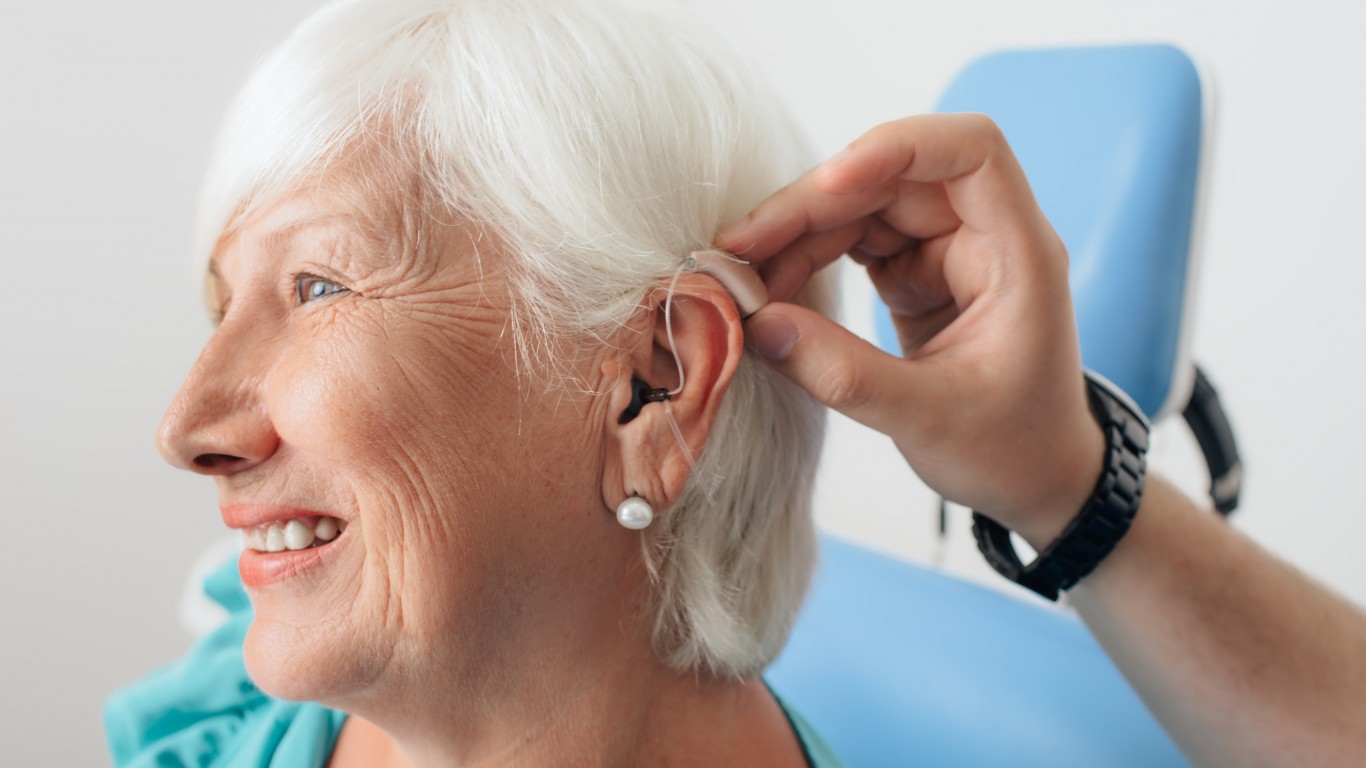
A 74-year-old walks out of her audiologist’s office with a quote for a pair of mid-range hearing aids: $4,600. She assumed Medicare would cover most of it. It will cover none of it. The exam solely for fitting the devices? Not covered. The fitting? Not covered. The follow-up adjustments? Not covered. The exclusion is written into the statute.
Original Medicare has excluded hearing aids and the exams used to fit them since the program was signed into law in 1965. Sixty-one years later, the exclusion still stands. The National Institute on Deafness and Other Communication Disorders estimates that roughly one in three adults between 65 and 74 has hearing loss, rising to nearly half of those older than 75. This is one of retirement’s most common medical expenses, and Medicare treats it as a personal purchase.
What the $4,600 Actually Buys, and What It Does Not
Her $4,600 quote may bundle the devices, fitting, and several follow-up visits during the first year. Batteries, repairs after the warranty expires, and eventual replacement come on top. Most devices last around five to seven years, so a retiree living 20 years after buying the first pair could need three or four sets. The lifetime exposure can easily reach five figures.
Set that against the income available to absorb it. The 2026 Social Security cost-of-living adjustment (COLA) came in at 2.8%, adding roughly $56 a month to the average retired worker’s benefit. That is about $672 for the year. One $4,600 hearing-aid purchase consumes nearly seven years of that annual increase in a single afternoon.
Why Adding Medigap Does Not Fix It
Medigap policies pay certain costs left behind by Medicare. They do not create coverage for services Medicare excludes. If Original Medicare will not cover the hearing aids, neither will Plan G, Plan N, or another standardized supplement. A more expensive Medigap policy does not change that answer.
Part B does cover certain diagnostic hearing and balance exams when a doctor or other provider orders them to diagnose or manage a medical condition. After the deductible, the patient generally owes 20% of the Medicare-approved amount, with an additional copayment possible in a hospital outpatient setting.
That coverage might apply when a doctor is investigating sudden hearing loss, dizziness, or another medical problem. It does not extend to hearing aids or exams performed solely to prescribe, fit, or adjust them.
The Real Options: Advantage Extras, OTC Devices, or Cash
Nearly all individual Medicare Advantage plans offer some form of hearing benefit in 2026, but “hearing benefit” can mean several things. One plan might provide an allowance. Another might charge a fixed copayment per device or limit members to selected models through a contracted vendor. The useful number is what the member still owes. If a plan contributes $1,500 toward a $4,600 pair, the remaining bill is $3,100. Better than $4,600. Still nowhere near free.
Since the FDA’s October 2022 rule took effect, adults with perceived mild-to-moderate hearing loss can buy over-the-counter hearing aids without a prescription or fitting exam. They can cost thousands less than prescription devices, but the buyer may have to handle programming and adjustments without the same professional support.
For someone experiencing mild-to-moderate loss, an OTC pair may be worth trying. Asymmetric or sudden hearing loss, severe hearing loss, persistent tinnitus, dizziness, pain, or drainage calls for professional evaluation, not a device pulled from a retail shelf.
Health Savings Account (HSA) dollars provide another option. Hearing aids are a qualified medical expense, so withdrawals used to pay for them are tax-free. A retiree who stopped contributing when Medicare began can still spend the balance already accumulated.
Line of Defense
Three moves are worth making before writing the check:
- Ask what the quote includes. Confirm the device model, warranty, fitting, follow-up visits, repairs, batteries or charging equipment, and return period. Two identical-looking quotes may buy very different levels of service.
- Compare OTC and prescription options with the audiogram in hand. Ask whether the type and severity of hearing loss make an OTC device reasonable. If so, the savings could reach thousands of dollars. If not, ask the audiologist to explain which clinical need requires the prescription model.
- Treat a Medicare Advantage hearing benefit as a tiebreaker, not the reason to switch coverage. Anyone already comparing MA plans should examine the allowance or copayment, approved devices, vendor network, and replacement frequency. Someone with Original Medicare and Medigap should not give up that coverage for a hearing allowance without considering medical networks, prior authorization, and the possibility of Medigap underwriting later.
If HSA funds are available, compare the benefit of a tax-free hearing-aid purchase with the value of preserving the account for future Medicare premiums and other qualified expenses. At a 22% federal marginal rate, paying a $4,600 qualified expense with tax-free HSA dollars instead of taxable income represents roughly $1,000 in federal tax value, although the exact savings depend on how the account was funded and the household’s tax situation.
Contact [email protected] for any questions or corrections.
Gerelyn Terzo is the author of dividend investing handbook "Dividend Investing Strategies: How to Have Your Cake & Eat It Too." A veteran financial journalist, she covers agri-finance for outlets like Global AgInvesting and the broader stock market and personal finance for 24/7 Wall Street. She began at CNBC and later helped launch Fox Business in New York. Gerelyn currently resides in Woodland Park, Colorado and dabbles in nature photography as a hobby.