Medicare’s Free ‘Annual Wellness Visit’ Isn’t a Physical. Ask the Wrong Question and a Bill Follows.
Medicare promises a free annual visit, yet bills keep arriving in the mail for patients who thought they did everything right. The trap hides inside a single question asked at the wrong moment.

This post may contain links from our sponsors and affiliates, and Flywheel Publishing may receive compensation for actions taken through them.

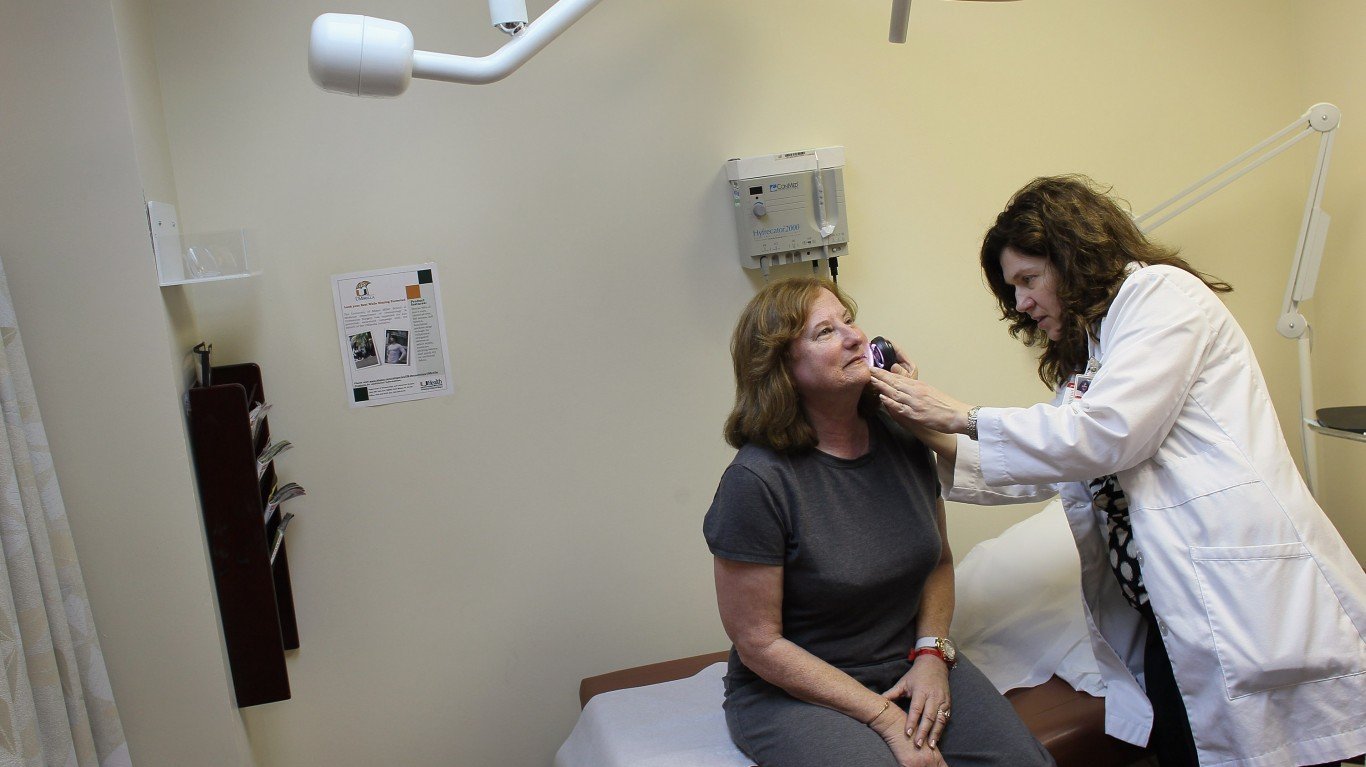
A 67-year-old walks into her primary care office for what she calls her yearly checkup. The nurse takes vitals, the doctor talks through her health history for 20 minutes, refills a blood pressure medication, and glances at a mole she asks about. Two weeks later, a bill arrives for about $90. She calls the office, furious, because Medicare’s Annual Wellness Visit is supposed to be free.
Both sides can be right. And that is the trap.
What Medicare’s Annual Wellness Visit Actually Covers
Medicare covers the Annual Wellness Visit at 100%, with no copay, coinsurance, or deductible when the provider accepts assignment. It also covers a one-time “Welcome to Medicare” preventive visit within the first 12 months of Part B enrollment. But only the covered preventive visit is free. Additional services performed during the same appointment can trigger a bill.
The AWV is not a physical exam. It is largely a structured prevention visit, not a comprehensive hands-on examination or an evaluation of a new medical concern such as the mole. It includes a health risk assessment, a review of medications and family history, cognitive screening, a fall-risk check, and a personalized prevention plan.
Medicare does not cover the routine annual physical most people picture when they hear the word checkup. If the doctor performs additional services, such as managing a medication or examining a new concern, the usual Part B deductible and coinsurance may apply. A routine physical that Medicare does not cover may leave the patient responsible for the full charge.
The Billing Mechanic That Triggers the Charge
The moment a patient asks the doctor to evaluate a new symptom, adjust a chronic medication, or examine something specific, the appointment may include a separate evaluation and management service. If the service is medically necessary and significant enough to stand apart from the wellness visit, the provider may add an office-visit code with modifier 25. Codes 99213 and 99214 are common for established patients, but it also depends on the work performed and documented.
That second code falls under standard Part B cost sharing, not preventive coverage. In 2026, that means the patient owes any remaining portion of the $283 Part B deductible and then 20% of the Medicare-approved amount. The bill varies with the visit level, location, remaining deductible, and supplemental coverage. Medicare-covered diagnostic laboratory tests usually carry no patient cost, but imaging and other diagnostic services may trigger the deductible and coinsurance.
The Part B standard premium is $202.90 per month in 2026, and the deductible rose from $257 in 2025 to $283. For a retiree living on a fixed income that received a 2.8% Social Security cost-of-living adjustment (COLA) for 2026, an unexpected $90 bill after what was billed as a free visit lands harder than the number suggests.
Real Patients Are Getting Blindsided
Threads on Medicare and health-insurance subreddits regularly fill up with variations of a similar complaint: patients who booked an AWV, mentioned a knee that had been hurting or asked for a statin refill, and received a bill for a second visit code they never knew was on the table. “Feel duped by annual wellness check up, billed 2 codes,” reads one recent post. The office may have billed correctly. The patient may still feel blindsided. Medicare allows a separate office-visit charge when the problem-focused care is medically necessary, significant, and separately identifiable from the wellness visit.
How to Keep the Visit Free
Three actions reduce the odds of a surprise bill.
- Book it as an Annual Wellness Visit, in those exact words. Not a physical, not a checkup, not a “yearly.” Ask the scheduler to confirm whether you qualify for the initial AWV, coded G0438, or a subsequent AWV, coded G0439. If the office plans to perform a routine physical instead, ask about the cost because Original Medicare does not cover it.
- Save nonurgent medical questions for a separate appointment. If a nagging symptom or medication issue needs attention, book a second office visit for it. That visit will incur standard cost sharing, but the AWV stays free, and the patient sees the charge coming instead of finding it in the mail. If waiting is not realistic, address the problem and expect possible cost sharing.
- Request an itemized bill, the Medicare Summary Notice, and the billing codes when a charge appears. If only G0438 or G0439 was submitted, the balance may be a billing error and should be questioned. If a separate E/M code appears with modifier 25, the charge may be valid, but the modifier alone does not prove that the additional service was medically necessary and separately identifiable. Plan G generally covers the Part B coinsurance after the deductible is met, while Plan N may leave a copay for some office visits.
The Annual Wellness Visit is a genuinely useful benefit. It just does not do what its name implies, and the gap between what patients expect and what Medicare pays for is where the bill lives.
Contact [email protected] for any questions or corrections.
Gerelyn Terzo is the author of dividend investing handbook "Dividend Investing Strategies: How to Have Your Cake & Eat It Too." A veteran financial journalist, she covers agri-finance for outlets like Global AgInvesting and the broader stock market and personal finance for 24/7 Wall Street. She began at CNBC and later helped launch Fox Business in New York. Gerelyn currently resides in Woodland Park, Colorado and dabbles in nature photography as a hobby.