Her Physical Therapist Said Medicare’s $2,480 Limit Had Been Reached. That Number Is Not a Coverage Cap.
A 72-year-old stopped her post-surgery physical therapy after a clinic cited a Medicare number that sounded like a hard cutoff. Eight years ago, Medicare eliminated the rule that number is still being used to describe.

This post may contain links from our sponsors and affiliates, and Flywheel Publishing may receive compensation for actions taken through them.

The Number That Sounded Like a Stop Sign
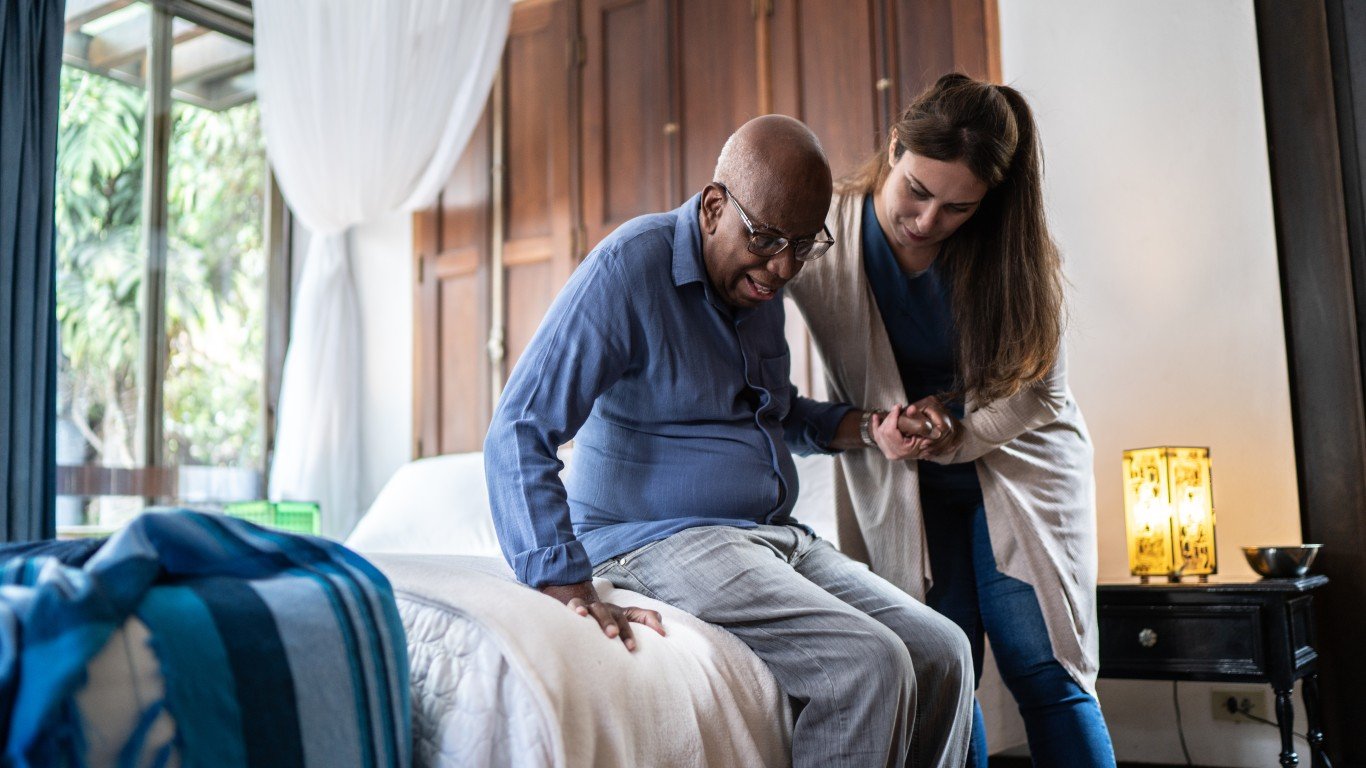
Picture a 72-year-old recovering from knee replacement surgery. She has made steady progress during three months of outpatient physical therapy when someone at the clinic delivers the news: she has reached Medicare’s $2,480 therapy limit. Her choices, she is told, are to pay the full cost herself or stop treatment.
She stops. Six weeks later, her gait has deteriorated, and her orthopedist wants to know why she left therapy. The answer is one word: limit. The $2,480 figure is real. The description is not. Medicare has not imposed a hard annual cap on outpatient therapy since 2018.
What Happens at $2,480
For 2026, Medicare’s KX modifier threshold, essentially a billing code, is $2,480 for physical therapy and speech-language pathology services combined. Occupational therapy has its own separate threshold of the same amount. These totals represent Medicare-allowed charges accumulated during the calendar year, not what the patient personally paid.
Once covered therapy exceeds the applicable threshold, the provider must include the KX modifier on subsequent claims. By adding that code, the provider is confirming that the services remain medically necessary and that the patient’s record contains documentation supporting continued treatment.
Medicare can continue paying its share. The patient does not need to submit a special application or obtain a separate exception. The work belongs largely to the clinic. The therapist must document why skilled care remains reasonable and necessary, and the billing staff must submit the claim correctly. A claim above the threshold without the KX modifier will be denied. The threshold creates more paperwork. It does not end the benefit.
The Second Number Is Not a Cap Either
A separate $3,000 threshold applies to physical therapy and speech-language pathology combined, with another $3,000 threshold for occupational therapy. Once allowed charges cross that figure, claims become eligible for targeted medical review. They are not all reviewed automatically. Medicare contractors select certain claims and examine whether the services were reasonable, necessary, and properly documented. If the records support the care, coverage can continue beyond $3,000. There is no new annual ceiling waiting on the other side of the review.
The two numbers serve different purposes:
- $2,480 triggers the KX modifier requirement.
- $3,000 makes claims eligible for targeted review.
Neither one instructs the patient to stop therapy.
Improvement Is Not the Only Standard
Documentation does not always have to promise that the patient will keep improving. Medicare can cover skilled therapy needed to maintain current function or prevent or slow deterioration when the patient’s condition requires the judgment and skills of a qualified therapist. Coverage turns on the need for skilled care, not solely on whether complete recovery is expected.
Routine exercises that the patient can perform safely without a therapist generally are not covered indefinitely. A therapist’s skilled assessment, gait training, adjustment of a maintenance program, or response to a complicated condition may be.
That distinction matters for patients recovering from surgery and for people managing progressive or chronic conditions. “You stopped improving” is not automatically the same as “Medicare will no longer cover therapy.”
What the Patient Still Pays
Continued therapy remains subject to ordinary Part B cost sharing. In 2026, the patient first meets the $283 annual Part B deductible and then generally pays 20% of Medicare’s approved amount. Medigap or Medicaid may cover some or all of that share. Medicare Advantage plans use their own copayments, networks, and claims procedures, so the KX discussion applies most directly to Original Medicare.
If a provider believes the therapy itself is no longer medically necessary, that is a separate coverage judgment. The clinic may present an Advance Beneficiary Notice of Noncoverage before continuing treatment. It should not describe the $2,480 threshold itself as proof that coverage has ended.
What to Ask Before Stopping
Three questions can clarify what the clinic actually means:
- “Are you referring to Medicare’s KX modifier threshold?” If so, ask whether the clinic can document continued medical necessity and submit the claim with the modifier.
- “Does my therapist believe skilled treatment is no longer necessary, or is this only a billing concern?” Those are different answers with different consequences.
- “What will my expected coinsurance be if treatment continues?” Crossing $2,480 does not automatically make the patient responsible for the full charge.
If the clinic says the threshold has been reached, ask for clarification before ending treatment. Does the therapist believe continued care is no longer medically necessary, or is the office referring to the KX billing requirement? If the answer remains unclear, Medicare or the local State Health Insurance Assistance Program can help explain the coverage rules. Medicare eliminated its hard therapy cap eight years ago, but the old language still surfaces. Sometimes the difference between stopping therapy and continuing medically necessary care is simply knowing which question to ask.
Contact [email protected] for any questions or corrections.
Gerelyn Terzo is the author of dividend investing handbook "Dividend Investing Strategies: How to Have Your Cake & Eat It Too." A veteran financial journalist, she covers agri-finance for outlets like Global AgInvesting and the broader stock market and personal finance for 24/7 Wall Street. She began at CNBC and later helped launch Fox Business in New York. Gerelyn currently resides in Woodland Park, Colorado and dabbles in nature photography as a hobby.