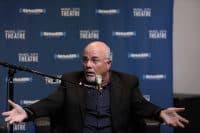
Dave Ramsey: “He Doesn’t Get to Sit on His Butt” – Warehouse Worker Faces Layoff After 26 Years With Company
After 26 years at the same company, a warehouse worker faces a December layoff with severance, savings, and debt in play. Dave Ramsey told his wife the family is already making a costly mistake, and the clock is running out…

This post may contain links from our sponsors and affiliates, and Flywheel Publishing may receive compensation for actions taken through them.

A caller named Jeanette explained to Dave Ramsey that after 26 years with the same communications company, her husband is scheduled to lose his warehouse job at the end of December. He earns $48,000 a year and expects 39 weeks of severance, while the couple holds $200,000 in his 401(k) and carries $13,000 in credit card debt.
The severance provides valuable breathing room, but Ramsey warned the couple against treating it as permission to delay the next job search: “Just because there’s severance doesn’t mean he gets to sit on his butt.”
His plan was direct: pause retirement contributions, eliminate the credit card balance, transfer the 401(k) correctly, and begin interviewing now — months before the final severance paycheck arrives. Each step builds on the last, and skipping one can cost the family thousands.
Why Ramsey Wants the 401(k) Contributions Stopped Now
Ramsey told Jeanette to stop 401(k) contributions immediately and throw every dollar at the $13,000 card balance: “You should have already done that regardless of being laid off.” The urgency behind that advice is rooted in math. The Federal Reserve’s G.19 consumer credit report showed that the average APR for cards accruing interest rose to 22.36% in Q3 2026. Carrying a balance at that rate compounds against the household every single month.
Paying down a 22% interest debt effectively delivers a guaranteed 22% annual return, net of taxes and fees, which is nearly impossible to match inside a diversified 401(k). Once the card is gone, the family can redirect those same dollars into an emergency fund and, later, back into retirement savings.
Jade Warshaw framed the pause the same way: “The best way to pay off debt quickly is to temporarily pause your investing so that you have all of your income to throw at your debt so that you can pay the debt off as fast as possible. It’s a temporary pause. Pay off the debt, and then once you’ve stacked up 3 to 6 months of expenses, now we can press play on investing again.”
The $40,000 Rollover Mistake Ramsey Warned About
On the $200,000 401(k), Ramsey told Jeanette to do a direct transfer into an IRA and split the money across four mutual fund types: growth, growth and income, aggressive growth, and international. He was blunt about what happens if she takes a check from the company instead: “They would withhold $40,000. You’d get $160,000, but you’re required when you do a rollover to put all of it into the new IRA within 60 days, or you will be penalized.”
The key distinction here is between a direct trustee-to-trustee transfer and an indirect rollover. A direct transfer moves the full balance from plan to IRA with nothing withheld. An indirect rollover sends the check to the account holder, mandatory federal withholding is applied at 20%, and the full pre-withholding amount must land in the new IRA within 60 days to avoid taxes and a 10% early-withdrawal penalty. Anyone in this situation should confirm current withholding and rollover rules with a qualified tax professional before moving money.
Why the Job Search Has to Start Now
Ramsey pushed hard for Jeanette to ask her husband to start the job search immediately: “September for sure. I want him to have several good leads, if not already figured out. It’s been 26 years since he went on a job interview. Don’t wait.”
The labor market supports that urgency. The Bureau of Labor Statistics reported 7.27 million seasonally adjusted total nonfarm job openings for July 2026. The unemployment rate was little changed at 4.2% in September 2026, holding within a narrow range of 4.1% to 4.3% since March. Weekly jobless claims have held near 57-year lows for four straight weeks, with initial claims slipping to a seasonally adjusted 197,000 for the week ended October 3. Workers with warehouse and logistics experience have particular reason for confidence: transportation, warehousing, and utilities added 97,000 openings in the June JOLTS report alone.
Ramsey’s other point was to accept a higher salary right away, even if it cuts severance short: “If someone offers him a job for $75,000 this week, forget the severance. Gotta go get it. That’s more than your severance is going to be. He might figure out he’s worth more than they’ve been paying him for the last 5 years.”
Key Takeaways
The couple has advance notice, a substantial retirement balance, and 39 weeks of severance. Those are advantages many laid-off workers never receive. But those advantages erode quickly when a family carries high-interest debt and delays the job search. Ramsey’s central message was to use the warning period aggressively, turning the severance into a bridge toward a better-paying job rather than a countdown to unemployment.
Editor’s note: This article has been updated to reflect the most current available labor market data, including the July 2026 JOLTS job openings figure of 7.27 million, the September 2026 unemployment rate of 4.2%, initial jobless claims of 197,000 for the week ended October 3, 2026, and the Federal Reserve’s Q3 2026 average credit card APR of 22.36% for accounts accruing interest.
Contact [email protected] for any questions or corrections.
Thomas Richmond is a financial writer and content strategist with 5+ years of experience covering stocks and financial markets. He has published over 500 articles focused on individual stock analysis, helping investors better understand business fundamentals, stock valuations, and long-term opportunities.
Thomas previously served as a Content Lead at TIKR, a stock research platform, where he helped scale the company’s blog to hundreds of articles per month and contributed to a weekly newsletter reaching more than 100,000 investors.
Outside of work, Thomas enjoys weight lifting and soccer.