‘Six or Six and a Quarter Percent Is Not Normal’: Clark to Caller Eyeing Mom’s House for $200K Student Debt
Two new graduates inherited their mother's house and carry $200,000 each in student loans, and a seemingly obvious refinancing move could put the home at risk. Clark Howard explains the hidden danger buried inside a rate that looks like a…

This post may contain links from our sponsors and affiliates, and Flywheel Publishing may receive compensation for actions taken through them.

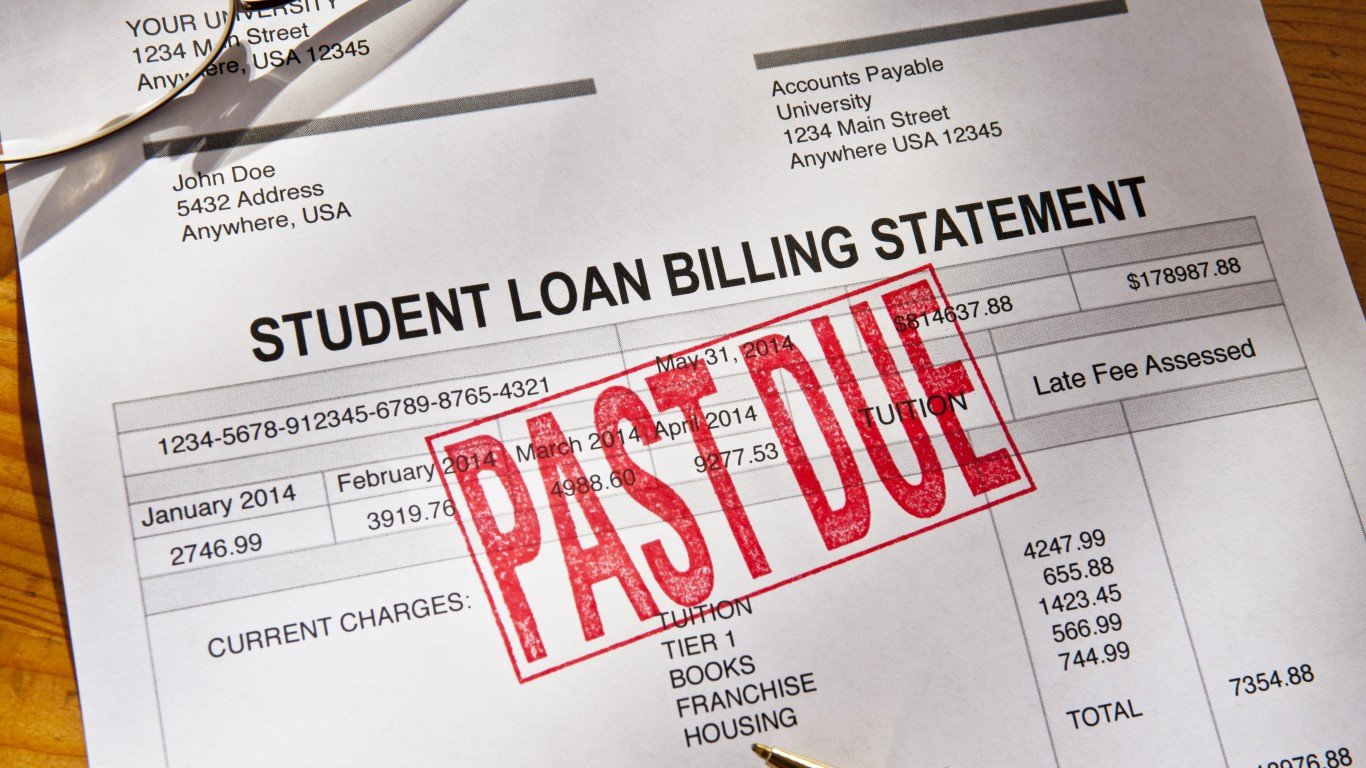
A listener named Mike called The Clark Howard Podcast with a math problem that sounded like a slam dunk. He is now mentoring his late fiancée’s two adult children, who graduate in May 2027 each carrying a subsidized student loan at 9% of roughly $200,000. They also inherited their mother’s house. His question: why not put a home equity loan at 6% to 6.25% on the inherited home and wipe out the 9% student debt, pocketing 2 to 3 points?
The host said no, and the refusal was blunt: “the home equity loan, getting it right now at six or six and a quarter percent is not normal unless it’s a credit union. It’s a five year cycle. They’re not going to be able to pay off 200 grand each in the next five years.” He added: “I’d rather them keep it simple with the loans they have and not mess with the equity in the home.”
Why the Cheap Rate Isn’t Really Cheap
The verdict here is correct, and the rate backdrop is why. The Federal Reserve pushed its target rate upper bound to 4% on September 17, 2026. The 10-year Treasury is near 5%, after touching a one-year high just above 5%, sitting in the 97th percentile of the past year. That is the benchmark most fixed home-equity products key off. A 6% quote on a five-year cycle looks like a bargain against a 9% fixed student loan, but it is priced well under where the market clears, which is the tell.
Now run the payment math. A $200,000 loan on a five-year amortization at 6% costs roughly $3,867 a month per borrower. Two siblings each carrying that means about $7,700 a month between them, every month, for 60 straight months. Miss the payoff window and the balance rolls into whatever the market offers at that moment. With Treasuries near a one-year high, that reset is a refinance risk.
Compare that to leaving the 9% student loans in place and paying above the minimum. On a standard 10-year schedule, a $200,000 balance at 9% runs about $2,533 a month. The cash flow is far more survivable for two new graduates. And crucially, if either borrower loses a job, gets sick, or hits a rough year, the collateral for the student loans is a future paycheck. The collateral for the home equity loan is the house their mother left them.
One Variable Flips the Verdict
The one factor that determines whether this trade ever makes sense is whether the borrowers can genuinely retire the full balance inside the fixed-rate window. If both graduates land jobs paying enough to throw $7,700 a month at a five-year loan and still cover rent, food, taxes, and retirement contributions, the 6% rate holds and the interest savings are real. If they cannot, the loan resets into a market where the average credit card APR is 21% and home-equity products are climbing with the benchmark. The house becomes the fallback, and the lender’s remedy for nonpayment is foreclosure.
The host has been on this theme all week. Two days before this call, the same show aired an episode titled “09.21.26 HELOCked Into A Debt Trap / New Vehicles Under $40,000”, warning that “The banks are trying to con you into taking out these HELOCs“ and that cashing out equity to pay off other debt often ends with the original debt reappearing and the house now on the hook.
What to Do Instead
- Pull the actual amortization schedules for both the 9% student loans and any home-equity quote. Compare total interest paid, not just the headline rate, and stress-test the home-equity payment at the reset.
- Direct extra dollars to the highest-rate loan first. On a 9% fixed loan, every additional principal payment earns a guaranteed 9% return, which beats most conservative investment assumptions.
- Fund a Roth IRA and any employer 401(k) match before accelerating debt payoff. The match is free money the interest-rate math cannot beat.
- If the family insists on exploring home equity, price a fixed-rate loan at a credit union, confirm the amortization term, and only proceed if the payment is genuinely affordable through the full payoff window.
The core lesson: a rate quote well below the market is a warning label. Keep the house out of the student-loan problem.
Contact [email protected] for any questions or corrections.
Jake has been been working in financial media for almost 15 years. He focuses on all things personal finance for 24/7 Wall St. with high hopes to educate and entertain. Most recently, Jake spent 12 years working various roles at The Motley Fool. He started copy editing fool.com content, worked on premium and marketing campaigns, and helped launch The Ascent, a personal finance brand.
His work has been featured on platforms like MSN, Yahoo Finance, USA Today, and more. He's written about credit cards, social security, ETFs, savings accounts, and just about anything else you can imagine when thinking about money. Jake love to cook, play golf, and tell people he's never had a cavity. (It's true!)