$2,500 a Month in Costa Rica: Here’s How to Retire to the Beach at 59 Without Touching Your Savings
Retiring to a Costa Rican beach at 59 on $2,500 a month sounds straightforward until the residency rules, the real yield math, and a Medicare trap each take a bite out of the plan.

This post may contain links from our sponsors and affiliates, and Flywheel Publishing may receive compensation for actions taken through them.
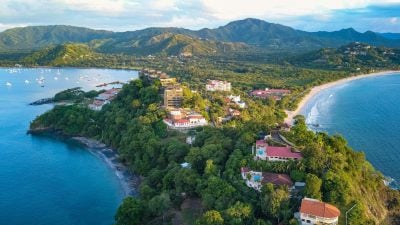
People ask some version of this question all the time: whether they could stop working at 59, move to a Costa Rican beach town, live on about $2,500 a month, and never spend down the nest egg. It sounds like a small, reasonable dream. Costa Rica’s residency rules, its public health system, and U.S. inflation each add something to the math, though. Below is what the budget covers, how big the portfolio has to be, and the residency detail most plans skip.
What $2,500 a Month Covers on the Pacific Coast
At current exchange rates, $2,500 comes to about 1.13 million colones a month. The budget works in a secondary beach town. The budget falls short in Tamarindo or Flamingo, where a two-bedroom near the sand runs $1,500 to $3,000 per month. Across the country, two-bedroom rentals typically cost $700 to $1,400, and beach towns charge 20% to 40% more in high season.
| Monthly Line Item | Amount |
|---|---|
| Rent, two-bedroom, secondary beach town | $1,000 |
| Caja public health contribution | $250 |
| Out-of-pocket and private care | $150 |
| Groceries | $450 |
| Utilities, internet, and air conditioning | $200 |
| Transportation | $150 |
| Reserves, maintenance, gifts, U.S. taxes | $300 |
| Total | $2,500 |
Air conditioning alone can add $60 to $150 a month to a coastal power bill, so the utilities line has little slack. The $300 reserve line covers every surprise. For comparison, the average U.S. household spent $78,535 in 2024.
Why Living Off Yield Requires Far More Than $580,000
The phrase “without touching savings” means income alone pays the $30,000 annual budget. With the 10-year Treasury at 5.18%, a Treasury ladder of about $579,000 produces that much interest. That portfolio holds its dollar balance. It loses real value every year.
CPI rose about 3.4% through August. At that rate, a $579,000 balance loses nearly $19,700 of purchasing power each year. Holding the principal whole in real terms means reinvesting that inflation portion and spending only the real yield of roughly 1.8%. That drives the target to about $1.69 million. Yields are also moving. The 10-year sat at 3.97% in February, so a ladder bought at today’s rates locks in income that could fall when bonds mature and get reinvested.
For years 59 to 62, penalty-free retirement account access begins at 59½. A taxable account or cash reserve covers the first six months. On the U.S. side, $30,000 of interest sits mostly in the 10% and 12% federal brackets.
How Social Security at 62 Shrinks the Target
The average retired-worker benefit is about $2,071 a month. Take a worker whose full-retirement-age benefit matches that average. Claiming at 62 would pay roughly $1,450. That leaves a gap of $12,600 a year, which needs about $243,000 at nominal yield or about $708,000 to hold purchasing power. Benefits also rise with COLAs, and the 2027 adjustment is tracking toward 3.3%. Waiting past 62 raises the check, but the portfolio covers the full budget for longer.
Residency Rules That Force a Drawdown Anyway
Costa Rica’s Rentista visa requires $2,500 a month from guaranteed income or a $60,000 deposit for two years. Brokerage dividends and Treasury interest usually don’t count as guaranteed income, so a 59-year-old without a pension typically uses the deposit. That deposit pays out as living money over two years, so the savings get spent after all. Once Social Security starts, the Pensionado route opens up with just $1,000/month in pension income.
Caja premiums run 7% to 11% of declared income, or $175 to $275 a month at the Rentista level. Costa Rica’s territorial system generally leaves foreign income like U.S. Social Security, pensions, dividends, and interest untaxed locally. At 65, Medicare generally won’t pay for care abroad. Dropping Part B, currently $202.90/month, brings a 10% per year late-enrollment penalty on return.
What It Takes to Make the Beach Math Work
A beach retirement at 59 on $2,500 a month depends on a rental outside the premium towns, a Treasury ladder or similar income assets yielding near 5%, and roughly $1.69 million if the principal truly stays intact through 62 (turning a lump sum into something that acts like a paycheck is the whole exercise in our free Paycheck Portfolio guide). Claiming Social Security at 62 lowers that to about $708,000 after. A $579,000 portfolio pays the bills from day one, but it loses purchasing power every year. The $60,000 Rentista deposit also has to be budgeted as spending money. Folding it into the bridge years, then switching to Pensionado status once benefits start, lines up the visa rules with the portfolio plan.
Contact [email protected] for any questions or corrections.
David Beren has been a Flywheel Publishing contributor since 2022. Writing for 24/7 Wall St. since 2023, David loves to write about topics of all shapes and sizes. As a technology expert, David focuses heavily on consumer electronics brands, automobiles, and general technology. He has previously written for LifeWire, formerly About.com. As a part-time freelance writer, David’s “day job” has been working on and leading social media for multiple Fortune 100 brands. David loves the flexibility of this field and its ability to reach customers exactly where they like to spend their time. Additionally, David previously published his own blog, TmoNews.com, which reached 3 million readers in its first year. In addition to freelance and social media work, David loves to spend time with his family and children and relive the glory days of video game consoles by playing any retro game console he can get his hands on.