The Retirees Who Bought in Florida Sight Unseen Say the Listing Photos Left Out the Part That Cost Them Most
Retirees who bought Florida homes without visiting in person ran the numbers on the listing, felt confident in their portfolios, and then opened their first tax bill. The costs nobody showed them in the photos turned out to be the…

This post may contain links from our sponsors and affiliates, and Flywheel Publishing may receive compensation for actions taken through them.
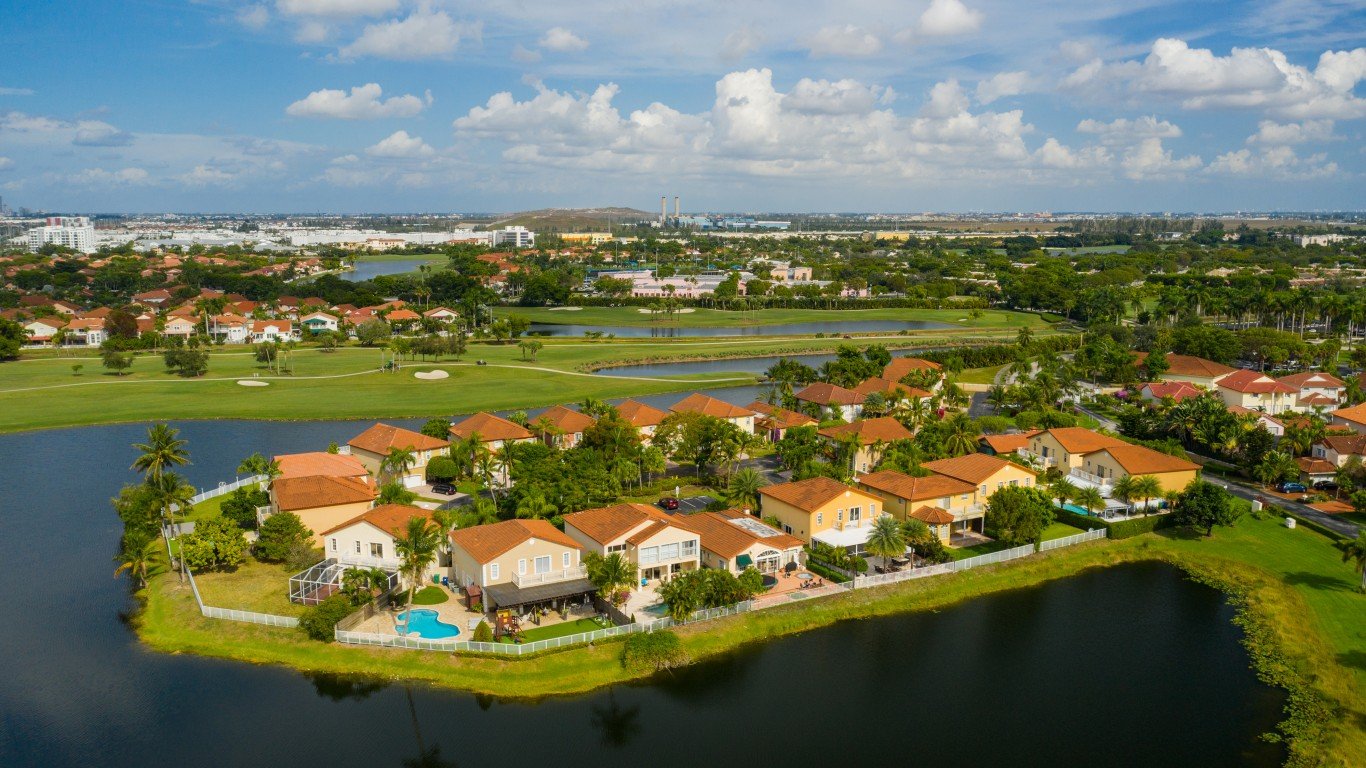
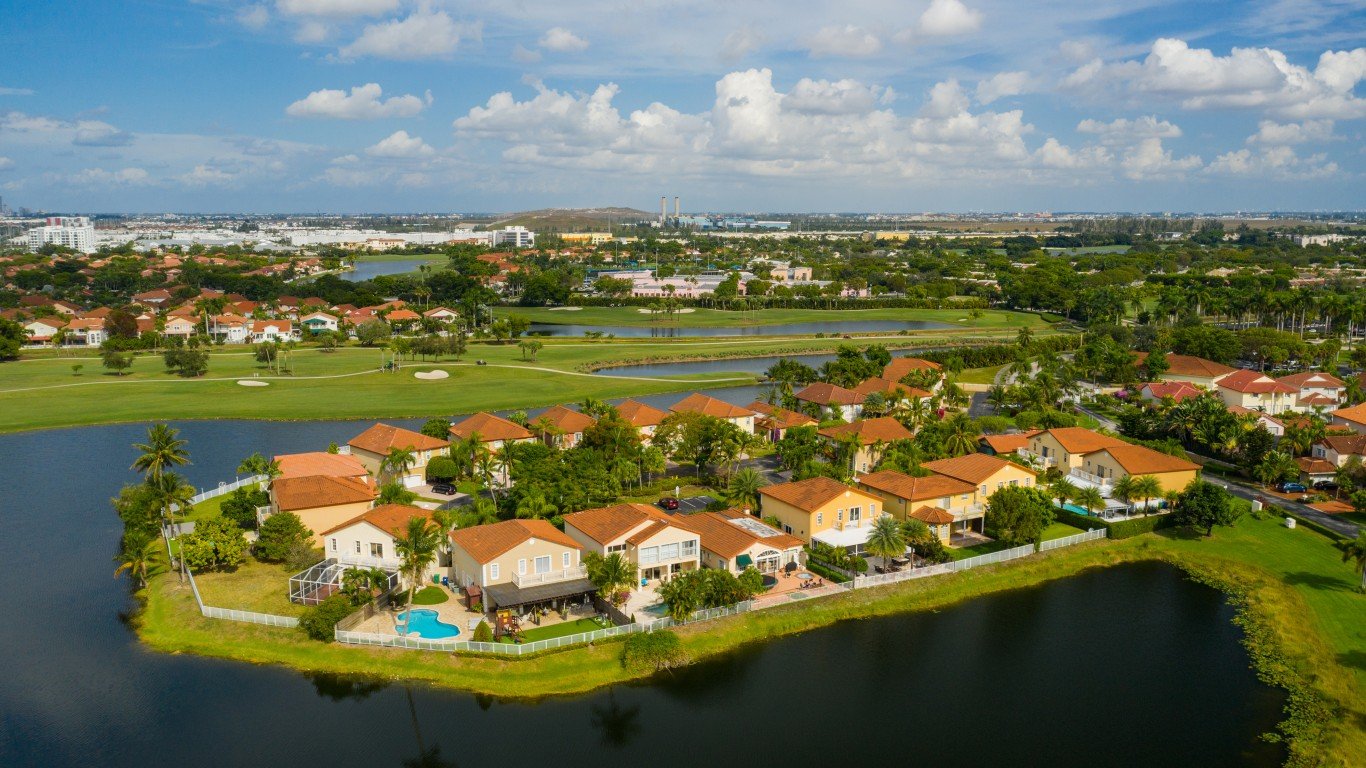
Retirees buying Florida homes sight unseen often see listing photos, drone shots, and prices that look reasonable compared to northern properties. The question for a financial planner is simple: can the portfolio carry this house for 30 years? Buyers who went through it sight unseen report the same story. The photos priced the house right, but they miscalculated the holding costs.
Seller’s Tax Bill Belongs to the Seller
Florida’s statewide median price was $425,000 for a single-family home and $295,000 for a condo or townhouse in July. The state has no personal income tax, but its cost-of-living index is 103.414, a bit above the national benchmark of 100. So the tax savings get used up faster than many buyers expect.
The property tax line is where listings mislead most. The number shown is the seller’s bill, held down by the Save Our Homes cap of 2.7% for the 2026 tax year. Under section 193.155, a homestead is reassessed at full market value on January 1 of the year after it sells, and section 689.261 requires a contract warning that buyers should not rely on the seller’s taxes.
In Coral Gables, the median homesteaded property has a market value of about $1.486 million but is taxed on only about $616,000. At a combined rate of 10 mills, that gap works out to $8,700 a year that a new owner pays and the old owner did not. On a median-priced house, the $50,000 homestead exemption leaves about $375,000 taxable for most levies. Every 10 mills on that adds $3,750 a year.
Insurance, Flood and Condo Reserves Stack Up
Average homeowners premiums, including wind coverage, run from $2,105 in Sumter County to $7,863 in Monroe County. Covering that spread at a 4% withdrawal rate takes an extra $143,950 in the portfolio. Flood insurance is separate, and the seller’s rate may still be discounted. Federal flood premiums can rise up to 18% a year until they reach the full-risk rate. A policy costing $1,755 that climbs at the cap for five years ends up near $4,015.
Condos add a third layer, and starting January 1, 2026, associations can no longer waive or reduce reserves for the building components covered by the structural integrity reserve study. Agents report surprise special assessments of $10K to $100K+. A condo’s lower sticker price can be offset by a single board vote.
Running the Retirement Math With Real Carrying Costs
Take a couple at 65 who each collect a typical retiree benefit of $2,071 a month, or $49,704 a year combined. Medicare Part B costs $202.90 a month per person. Add a Florida Plan G supplement at roughly $175 a month each, and healthcare comes to about $9,070 a year.
Say the couple built a $90,000 annual budget using the costs shown on the listing, including healthcare. The gap Social Security leaves, divided by 4%, calls for about $1.01 million. Now add $10,000 a year in costs they missed, which a tax reset plus a higher insurance quote can easily produce. The target climbs to about $1.26 million at 4%, or $1.44 million at 3.5%. The lower rate makes sense here because insurance can reprice faster than Social Security adjusts. For 2027, the cost-of-living adjustment is tracking toward 3.3%.
Current yields help with reserves. The 1-year Treasury yields 4.59%, and the 10-year yields 5.24%. A short Treasury ladder can hold money for hurricane deductibles or assessments without selling stock funds in a down year. Delaying Social Security to 70 raises benefits through delayed retirement credits and narrows the gap, though it means drawing more from the portfolio early on.
Price the Holding Costs Before the Photos
For this couple, a viable plan needs roughly $1.25 million to $1.45 million, withdrawals of 3.5% to 4% from diversified index funds, plus a separate Treasury ladder as a reserve. Before making an offer, three documents matter more than photos: the property appraiser’s market value, which sets the new tax bill; binding insurance and flood quotes; and for condos, the reserve study.
The national resale market is running at a soft 3.98M annualized rate, so buyers generally have time to collect them. The tax bill on the listing reflects the seller’s years of ownership. The new owner’s bill will be based on what they paid.
Contact [email protected] for any questions or corrections.
David Beren has been a Flywheel Publishing contributor since 2022. Writing for 24/7 Wall St. since 2023, David loves to write about topics of all shapes and sizes. As a technology expert, David focuses heavily on consumer electronics brands, automobiles, and general technology. He has previously written for LifeWire, formerly About.com. As a part-time freelance writer, David’s “day job” has been working on and leading social media for multiple Fortune 100 brands. David loves the flexibility of this field and its ability to reach customers exactly where they like to spend their time. Additionally, David previously published his own blog, TmoNews.com, which reached 3 million readers in its first year. In addition to freelance and social media work, David loves to spend time with his family and children and relive the glory days of video game consoles by playing any retro game console he can get his hands on.