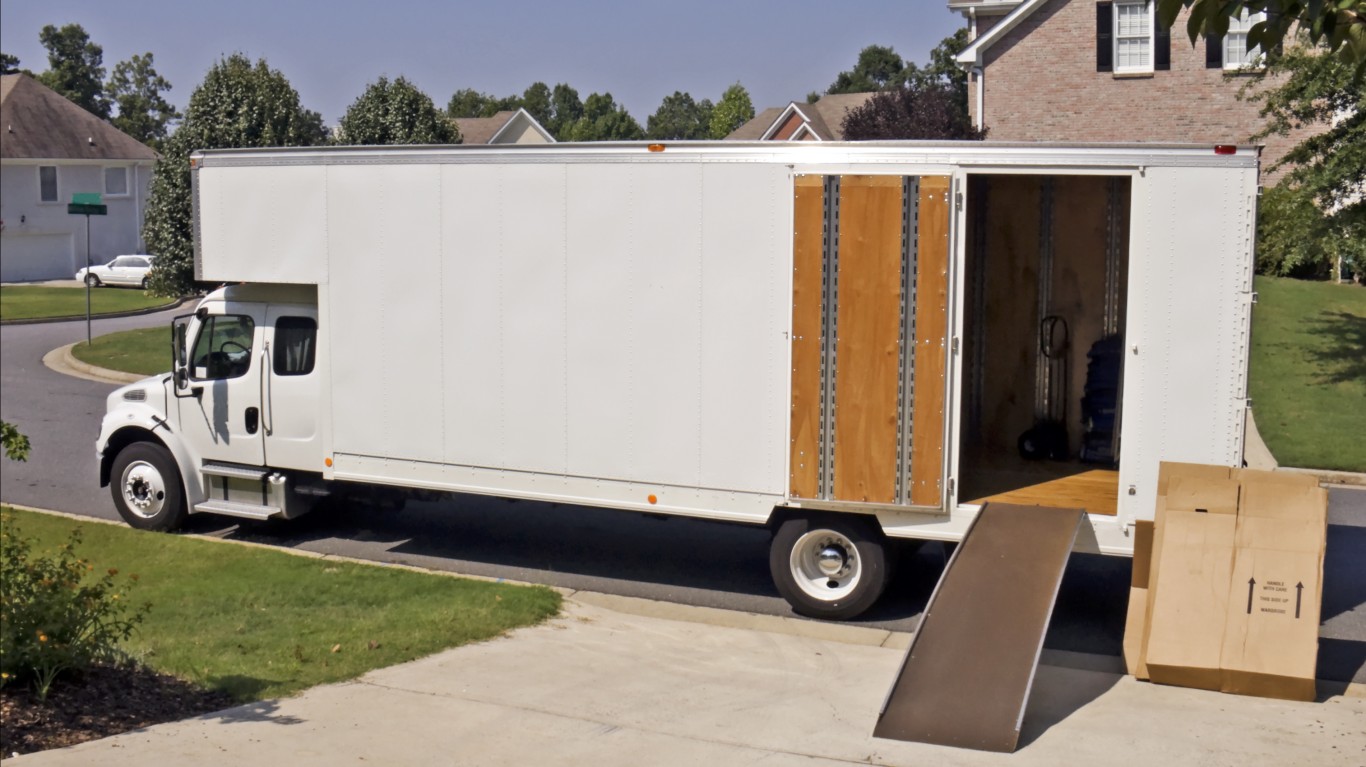
The Retirees Who Moved to Florida and Moved Back Say the Return Trip Cost More Than the Move Down
Retirees who traded their northern roots for Florida's tax breaks are discovering the move back north carries a financial sting that the original move never did, and the biggest cost has nothing to do with moving trucks or real estate.

This post may contain links from our sponsors and affiliates, and Flywheel Publishing may receive compensation for actions taken through them.
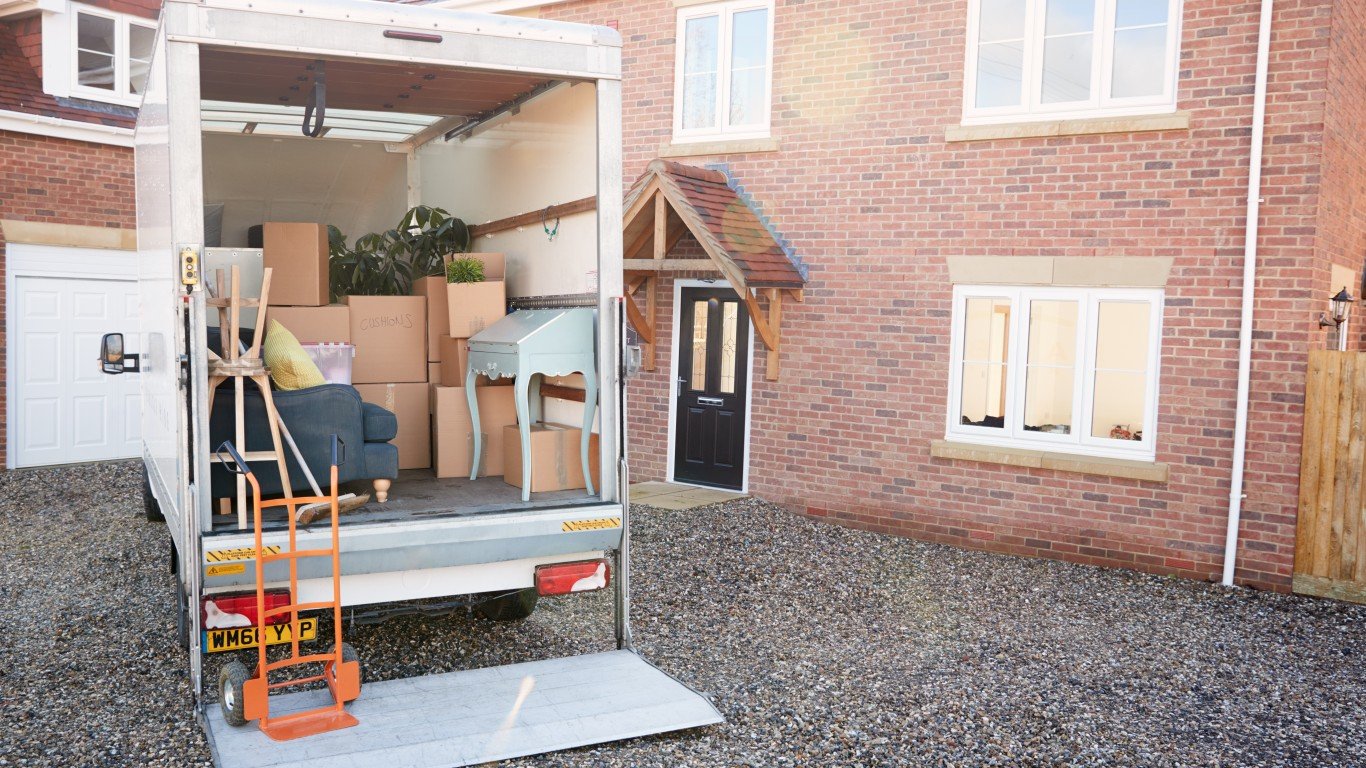
Florida often attracts retirees, unsurprisingly, because it has no state income tax on individual earnings. It ranks 4th overall on the 2025 State Tax Competitiveness Index and 1st on individual income tax. Many take that deal, then move back north to be near grandchildren, escape insurance bills, or return to old doctors.
The same group also often says that the return trip cost more than the move down. A recent Wall Street Journal article noted that “lower-cost areas aren’t always what they seem,” and it looks at what the return trip adds to a retirement budget and how much extra portfolio it requires.
How Much Moving Back North Adds to the Annual Budget
The average American household spends $78,535 a year. Adjusted for regional prices using the BEA’s cost-of-living index, Florida comes in at 103.414, putting the same lifestyle at about $81,200. Surprisingly, Florida isn’t the cheapest place to live, as New Jersey, at 108.805, comes to roughly $85,450. New York, at 107.921, comes to about $84,750.
Taxes widen the gap, with state and local tax burdens running $5,110 per person in Florida, $8,152 in New Jersey, and $10,828 in New York. For a couple, returning to New Jersey adds about $6,100 a year in taxes; New York adds about $11,400. Combined with higher living costs, the ongoing expense of returning is about $10,300 a year for New Jersey and close to $15,000 a year for New York.
Medicare costs stay the same. The Part B premium is $202.90 a month per person, or about $4,870 a year for a couple. Joint filers pay IRMAA surcharges once modified adjusted gross income tops $218,000. This matters when a house sale produces a large capital gain in the year of the move (the surcharge is one of several Medicare traps we mapped in a free guide here).
Why the Round Trip Costs the Portfolio Twice
A retiree who moves back pays transaction costs twice: selling in Florida and buying up north. Existing home sales are running at an annualized 3.98 million, the weakest pace over the past year. The Case-Shiller national index hit 336.7, its highest level over the same stretch. Retirees are selling into weak demand and buying at peak prices. Much of the home equity the move down freed up, which a Vanguard study put at around $100,000, can disappear on the way back.
Inflation adds pressure. CPI rose about 3.4% over the past year, and the 2027 Social Security COLA is tracking toward 3.3%. Benefit increases leave little room to take in higher costs up north.
To cover the higher ongoing cost, divide it by your annual withdrawal percentage. At 4%, the extra $10,300 for New Jersey requires about $258,000 more in savings. New York’s $15,000 requires about $374,000. A 70-year-old returning with a 25-year horizon may prefer a 3.5% rate, raising the New York figure to about $428,000. If one spouse hasn’t claimed Social Security yet, delaying until 70 increases the inflation-adjusted benefit and reduces that gap.
Medigap Deadline Returning Retirees Often Miss
The costliest mistake involves Medicare Advantage plans, which tie retirees to local provider networks. When they move out of the plan’s service area, federal rules give them a limited guaranteed-issue right to buy a Medigap policy, typically within 63 days after coverage ends. Miss that window and medical underwriting applies.
By 75, someone with a heart condition or cancer history can be turned down or priced out. A few states, including New York and Connecticut, allow year-round Medigap enrollment, but premiums reflect it. Retirees who already had Medigap in Florida can usually keep their policy, priced at the new state’s rates.
What It Takes to Make the Return Trip Work
A couple spending at the national average would need roughly $258,000 to $428,000 in extra savings to move back north, depending on the state and withdrawal rate. Retirees often put that money into broad index funds, plus a Treasury ladder covering the first several years of higher costs.
The return involves two rounds of closing costs and buying a home at today’s high prices. Timing the move so the Medigap enrollment window and Social Security claiming fall inside it reduces friction. A missed Medigap window can close off options for good, and that is the risk most returning retirees don’t expect.
Contact [email protected] for any questions or corrections.
David Beren has been a Flywheel Publishing contributor since 2022. Writing for 24/7 Wall St. since 2023, David loves to write about topics of all shapes and sizes. As a technology expert, David focuses heavily on consumer electronics brands, automobiles, and general technology. He has previously written for LifeWire, formerly About.com. As a part-time freelance writer, David’s “day job” has been working on and leading social media for multiple Fortune 100 brands. David loves the flexibility of this field and its ability to reach customers exactly where they like to spend their time. Additionally, David previously published his own blog, TmoNews.com, which reached 3 million readers in its first year. In addition to freelance and social media work, David loves to spend time with his family and children and relive the glory days of video game consoles by playing any retro game console he can get his hands on.