Her Father’s 60 Acres Outside Austin Will Be Taxed as Farmland Until the Day She Sells to a Builder. Then Texas Will Bill Three Years of Back Taxes
Inheriting Texas farmland with a $300 annual tax bill sounds like a windfall until a builder's offer triggers a rollback that can quietly erase a six-figure slice of the sale price before closing day arrives.

This post may contain links from our sponsors and affiliates, and Flywheel Publishing may receive compensation for actions taken through them.
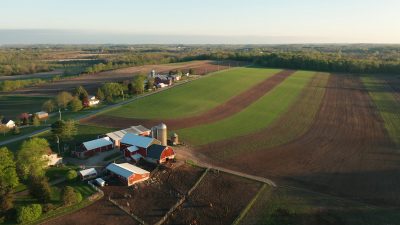
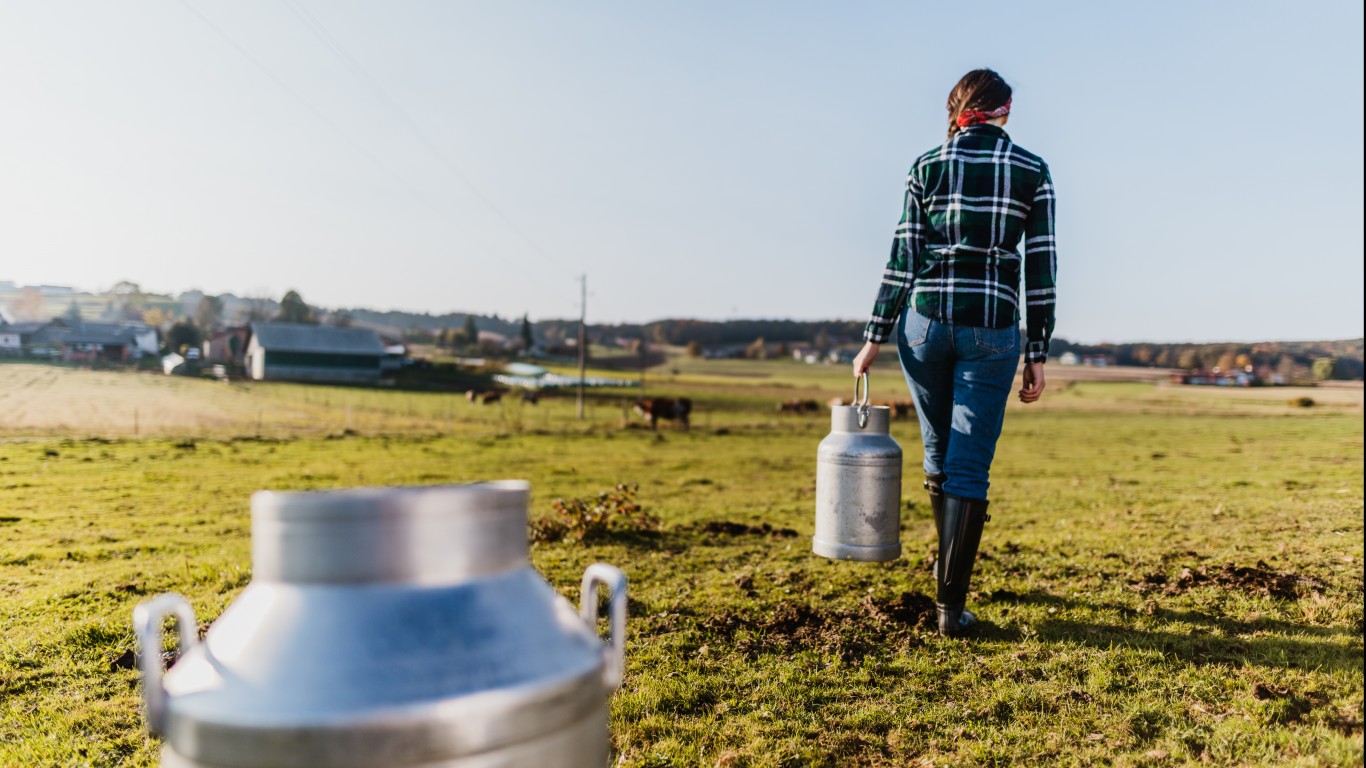
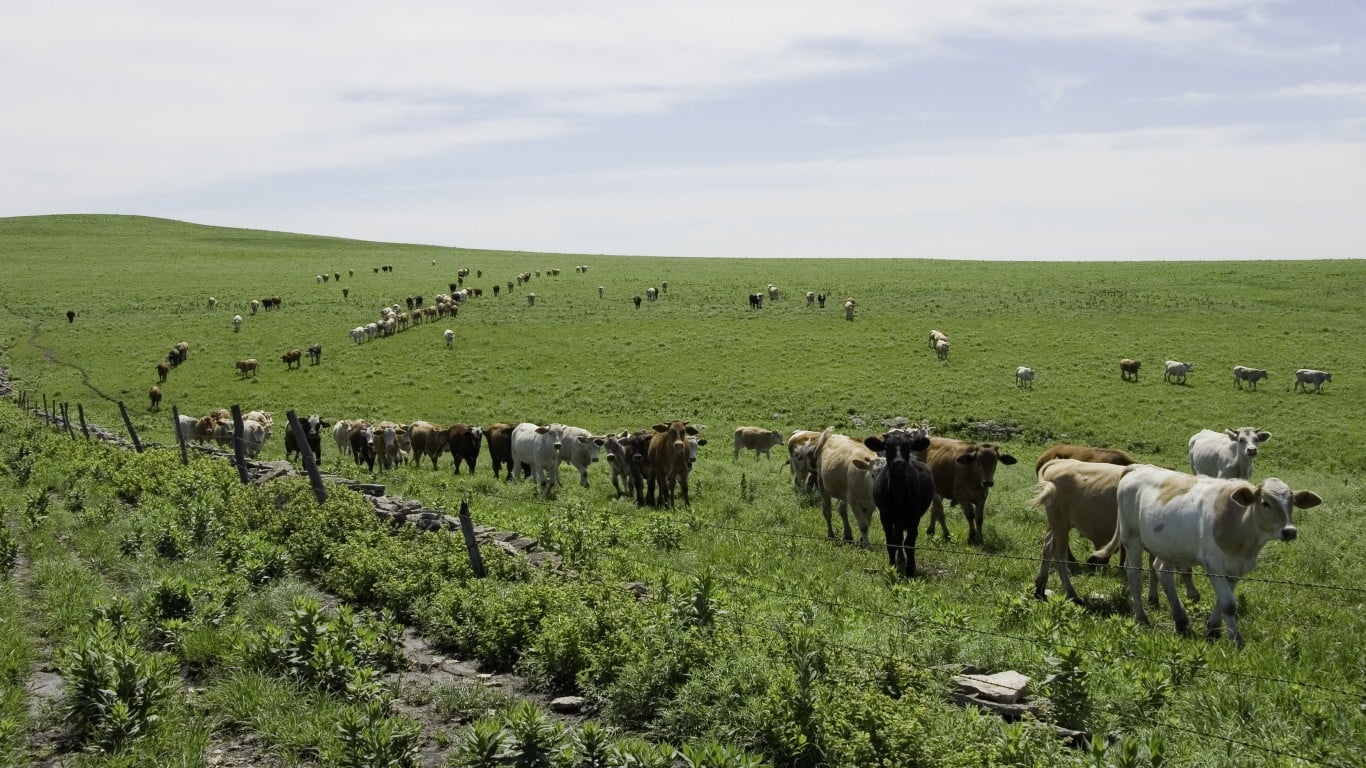
A woman in her late 50s inherited her father’s 60 acres east of Austin two years ago. He grazed cattle there for decades, so the land carries Texas agricultural valuation and the yearly property tax bill comes to a few hundred dollars. Now a homebuilder has offered about $3 million. She has heard that selling will trigger a rollback tax, but she does not know whether that bill belongs to her, how large it will be, or whether she can avoid it.
Families on the Austin fringe encounter this as pasture turns into subdivisions. One heir on Reddit inherited 100 acres in West Texas. He wrote: “Property tax was like $56 because it was agricultural/undeveloped raw land.” Builders are still hunting for land as national home prices remain up 2% from a year earlier.
A Six-Figure Liability Behind a $300 Tax Bill
The land is taxed on what it can produce as farmland, a fraction of what a builder would pay for it. Under Texas Tax Code Section 23.55, a change in use triggers an extra tax equal to the difference between what was paid and what market value would have produced for each of the three years preceding the year in which the change of use occurs.
The rule has become friendlier to owners over time. The lookback used to run five years. Then a 2021 law removed the interest charge on rollbacks of open-space land.
Say the market value is $50,000 an acre, the productivity value is $300 an acre, and the combined tax rate is 1.8%. Assessed as farmland, the 60 acres owe about $324 a year. Assessed at market value, they would owe about $54,000. Three years of that gap comes to around $161,000, or about 5% of the sale price.
Whoever Owns the Land When the Bulldozers Arrive Gets the Bill
Under 1-d-1 appraisal, a sale by itself is different from a change of use. The rollback falls on whoever owns the land when the qualifying use stops. If the builder starts grading streets after closing, the builder gets the bill. Texas’s standard official sale contracts follow the same logic: the buyer pays for rollbacks caused by its use after closing, and the seller pays for changes the seller makes before closing.
Any experienced Austin builder has already worked the rollback into its offer price. Inherited property gets a stepped-up basis, so her federal capital gain only counts appreciation since her father died. With just two years of ownership, the rollback figure can match her capital gains bill. Inherited land is one of the places estate paperwork quietly decides who owes what, which is why we put the full checklist, titling and beneficiary forms included, in a free estate guide.
Two Paths, and One Clearly Wins
Path 1: Keep the Cattle Grazing Until Closing Day
Keep a documented grazing lease running until closing. Make sure the valuation is in her name, because it does not simply carry over to a new owner. Then sign a contract that puts any rollback from the builder’s development on the builder.
The builder will reduce the price to cover it. Ask each bidder to show the rollback figure behind its offer so you can compare side by side. If the builder wants to buy in phases, the statute limits the tax to only that part of the parcel that changes use. Keeping the lease going on the rest protects the valuation on those acres.
Path 2: Pay the Rollback for a Higher Price
Some builders ask the seller to pay the rollback or give a closing credit for it, but that trade only makes sense if the price goes up by more than the rollback estimate. Treat it as a cut of about $161,000 and compare net proceeds.
The worst version is selling the herd or calling off the lease because the land is being sold anyway. Under the contract, the rollback becomes hers, and the current year moves to full market value, which means about $54,000 instead of $324 in this example. If the deal falls apart, she is left holding land that has lost its valuation. Standards also vary county by county, so getting it back can be hard.
What to Do Before Signing Anything
Pull the appraisal district record, check that the ag valuation is in her name, and write down the market and productivity values for each of the last three years. Those numbers give her the actual rollback figure to negotiate with.
Keep the qualifying use going, in writing, until the deed records. Ending the ranching early is the expensive mistake.
If the builder wants rezoning, site work, or staged closings before taking title, hire a Texas real estate attorney. Contract wording decides who owes a six-figure bill, and the bill comes due before the next February 1 that is at least 20 days after it’s delivered.
Contact [email protected] for any questions or corrections.
Jake has been been working in financial media for almost 15 years. He focuses on all things personal finance for 24/7 Wall St. with high hopes to educate and entertain. Most recently, Jake spent 12 years working various roles at The Motley Fool. He started copy editing fool.com content, worked on premium and marketing campaigns, and helped launch The Ascent, a personal finance brand.
His work has been featured on platforms like MSN, Yahoo Finance, USA Today, and more. He's written about credit cards, social security, ETFs, savings accounts, and just about anything else you can imagine when thinking about money. Jake love to cook, play golf, and tell people he's never had a cavity. (It's true!)