Americans Are Paying 30% More Than in 2019 — and the Cost of Everyday Life Keeps Climbing
Your paycheck grew, your career advanced, and yet something quietly eroded the ground beneath your feet. The math behind why so many Americans feel financially stuck despite earning more than ever reveals a gap most people sense but struggle to…

This post may contain links from our sponsors and affiliates, and Flywheel Publishing may receive compensation for actions taken through them.

A bigger paycheck doesn’t necessarily mean a better standard of living. Millions of Americans have received raises over the past seven years, changed jobs for higher salaries, or advanced in their careers. Yet many have less money left over at the end of each month. The problem isn’t necessarily their spending habits. It’s what their dollars can buy.
Since 2019, the cost of everyday life has climbed roughly 30%, with some necessities rising much faster. And although inflation has retreated from its 2022 peak, prices haven’t followed it back down. Americans are discovering that earning more and getting ahead are two very different things.
The Raise That Really Wasn’t
Consider someone earning $75,000 in 2019 who now makes $90,000. That’s a $15,000 raise, or 20%. On paper, they’re doing better.
Except they’re not.
With cumulative inflation around 30%, that worker would need approximately $97,500 today just to maintain their 2019 purchasing power. Their $90,000 salary leaves them $7,500 short.
Put differently, their bigger paycheck buys about 8% less than their old one did.
Recent analysis by Bespoke Investment Group’sillustrates where the money went. Compared with December 2019, its figures showed:
| Expense Category | Cumulative Price Increase |
| Overall consumer prices | 30.4% |
| Food | 34.5% |
| Rent | 33.3% |
| Groceries | 30.0% |
| Vehicle maintenance and repairs | 55.2% |
| Services excluding rent | 29.2% |
These are national averages, not a household-specific budget. But they’re revealing because Americans can’t simply stop paying rent, buying groceries, or repairing their cars.
For example, a $300 monthly grocery bill that increased 30% now costs $390. That’s another $1,080 annually for essentially the same food.
The numbers help explain why the economy can grow for 77 consecutive months while so many Americans feel like they’re in a recession.
Inflation Is Slowing, but Prices Aren’t Falling
Here’s another frustration. When government officials report that inflation is slowing, consumers understandably expect some relief. Unfortunately, slower inflation generally means prices are rising less quickly, not declining.
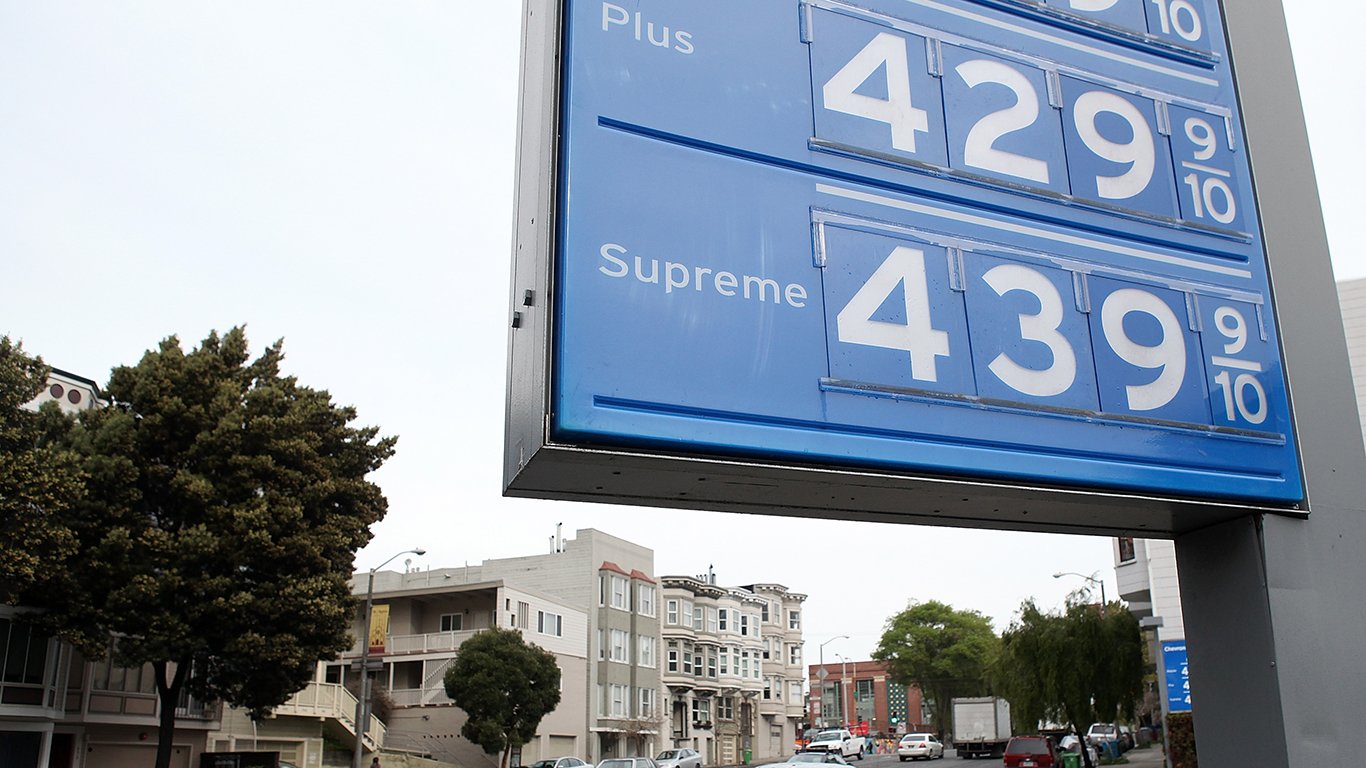
The Bureau of Labor Statistics reported September’s Consumer Price Index rose 3.7% from a year earlier, accelerating from August’s 3.4% increase. Gasoline prices jumped 34.2% year over year, while motor vehicle maintenance and repairs climbed another 5.8%.
So the accumulated price increases since 2019 aren’t disappearing. New inflation simply piles onto an already expensive foundation.
Electricity presents another problem. The Energy Information Administration forecasts wholesale power prices in America’s largest electricity market will jump 41% this year, partly reflecting growing demand from artificial intelligence data centers.
Granted, wholesale increases don’t translate directly into identical household rate hikes. But they create additional pressure on budgets already stretched by housing, food, and transportation.
The Financial Squeeze Is Spreading
The consequences are becoming harder to ignore. Federal Reserve research found that 19.6% of borrowing families were behind on payments in 2025, compared with 12.2% in 2022. Meanwhile, the median household debt-payment burden increased from 13% to 15% of income.
Nearly one in five families with debt struggling to make payments is hardly evidence of widespread financial comfort.
For investors, this creates an important dividing line between companies that can raise prices without losing customers and those whose sales depend on discretionary spending.
A business selling essentials has a different demand profile from one selling expensive vacations or optional upgrades. Yet even grocery chains and discount retailers face pressure when shoppers trade down to cheaper products.
So don’t confuse continued consumer spending with unlimited consumer spending power.
Key Takeaway
In short, Americans are not imagining the affordability squeeze. A 20% raise since 2019 can still leave someone with less purchasing power today.
Investors should account for that reality when evaluating consumer-facing businesses. Favor companies with manageable debt, consistent free cash flow, and products customers need rather than merely want.
The economy can keep growing while households struggle to keep pace. For many Americans, the problem isn’t that they’re earning too little compared with yesterday. It’s that yesterday’s dollars bought so much more.
Contact [email protected] for any questions or corrections.
After two decades of patrolling the dark corners of suburbia as a police officer, Rich Duprey hung up his badge and gun to begin writing full time about stocks and investing. For the past 20 years, he’s been cruising the markets looking for companies to lock up as long-term holdings in a portfolio while writing extensively on the broad sectors of consumer goods, technology, and industrials. Because his experience isn’t from the typical financial analyst track, Rich is able to break down complex topics into understandable and useful action points for the average investor. His writings have appeared on The Motley Fool, InvestorPlace, Yahoo! Finance, Money Morning, and, of course, 24/7 Wall St. He has been featured in both U.S. and international publications, including MarketWatch, Financial Times, Forbes, Fast Company, and USA Today.