Household Income Soars to Record $87,460 — So Why Is Everyone Feeling So Poor?
The Census Bureau just declared a record high for American household income, yet kitchen tables across the country tell a very different story about where all that money is actually going.


The latest Census Bureau data delivers a headline that sounds almost too good to be true: American households earned more in 2025 than ever before. But the numbers also explain why a record income figure can coexist with a persistent sense that the household budget is under pressure.
For investors, that disconnect matters. Consumer spending remains a major engine of the U.S. economy, but the quality of that spending is changing. Households with rising incomes can keep buying, while lower-income consumers have less room to absorb higher prices.
A Record Income Number With A Catch
According to the Census Bureau’s Income in the United States: 2025, real median household income reached $87,460 in 2025, up 2.6% from $85,210 in 2024 and the highest level since the Census Bureau began tracking the measure in 1967. Because the figure is adjusted for inflation, this was a genuine increase in purchasing power at the median. But median income doesn’t tell every household’s story.
Post-tax median income increased 3.1% to $76,060, yet that figure remained below the post-tax records of 2020 and 2021, when pandemic-era stimulus payments and tax credits boosted household resources.
More tellingly, the income gains haven’t been evenly distributed. The Census Bureau found that income for households near the bottom of the income scale barely changed in 2025, while households near the top saw income rise 1.7%. Over the past 58 years, pretax income for lower-income households rose about 56%, roughly matching the gain for the typical household. But income for households near the top rose 121%. In other words, the typical American household has earned more over time, but the highest earners have pulled much farther ahead.
Prices Still Bite
The Bureau of Labor Statistics’ August 2026 Consumer Price Index showed overall consumer prices were 3.4% higher than a year earlier. Food prices increased 2.7%, including a 3.4% increase for food away from home. Shelter rose 3.0%, while medical-care services increased 2.5% and hospital services climbed 5.2%.
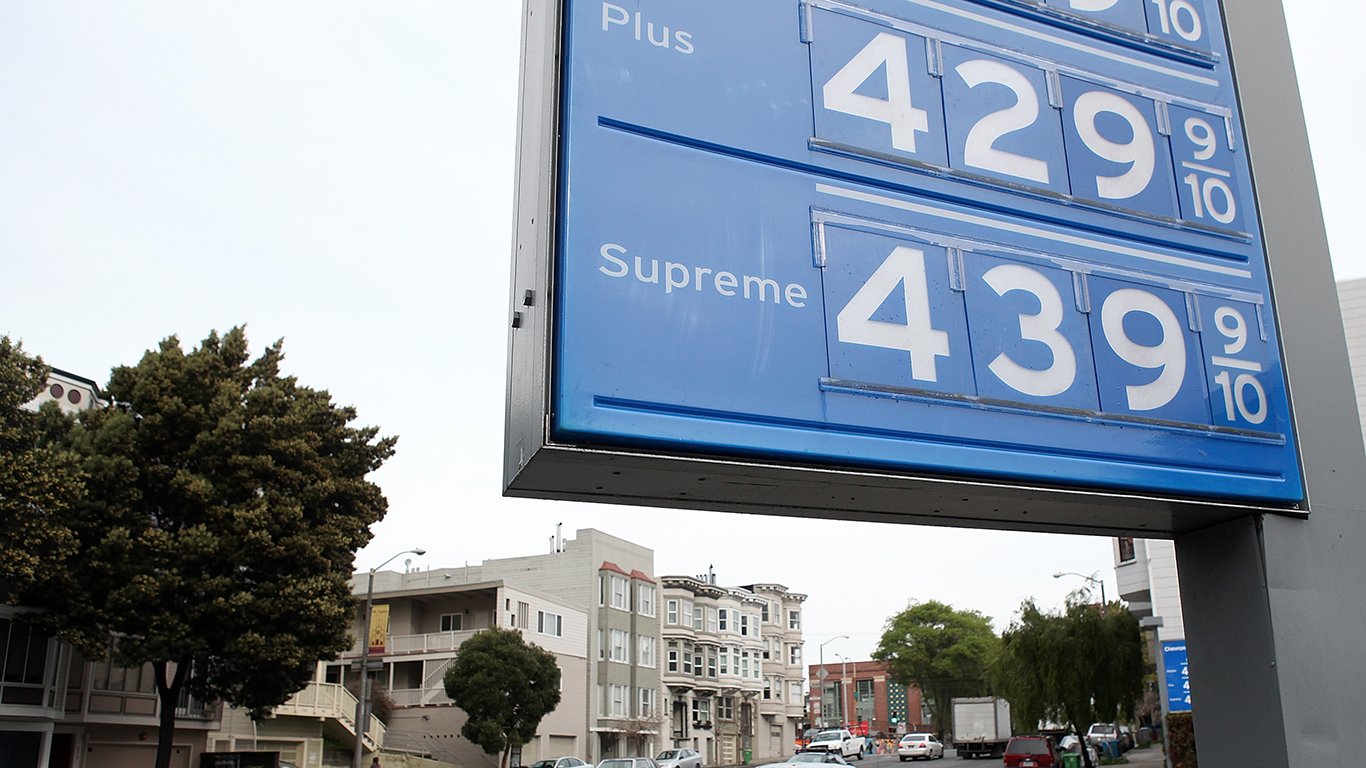
Gasoline is an even sharper example of why the household experience can differ from the headline income data. Gasoline prices were 27.4% higher in August 2026 than a year earlier, while the broader energy index increased 16.3%.
A household doesn’t experience inflation as an abstract index. It experiences it when filling the tank, buying groceries, paying rent, or opening a medical bill.
And lower-income households have less flexibility when those expenses rise. A family already spending most of its income on necessities cannot simply postpone gasoline, food, housing, or healthcare.
What It Means For Investors
The Census data creates a useful split-screen view of the consumer. Higher-income households are still generating income gains, supporting spending and helping the broader economy. But the lack of meaningful income growth at the bottom means value-oriented businesses and lower-priced goods can remain important even when the overall economy looks healthy.
For investors, that makes pricing power and value worth watching. Companies able to offer necessities at competitive prices can benefit when consumers trade down, while businesses dependent on discretionary purchases from financially stretched households face greater pressure.
The Census Bureau’s numbers don’t say Americans are poorer. Quite the opposite: real median income reached a record. But they do show that the gains are uneven, while today’s higher price levels remain embedded in household budgets.
Key Takeaway
In short, the $87,460 median household income figure is good news — but it isn’t the whole consumer story. Income at the bottom failed to show meaningful growth in 2025, while food, shelter, healthcare, and energy costs have soared in 2026.
Smart investors should consider the best opportunities may lie with businesses serving households that are still watching every dollar, while favoring companies with durable pricing power, value propositions, and exposure to essential spending.
Contact [email protected] for any questions or corrections.
After two decades of patrolling the dark corners of suburbia as a police officer, Rich Duprey hung up his badge and gun to begin writing full time about stocks and investing. For the past 20 years, he’s been cruising the markets looking for companies to lock up as long-term holdings in a portfolio while writing extensively on the broad sectors of consumer goods, technology, and industrials. Because his experience isn’t from the typical financial analyst track, Rich is able to break down complex topics into understandable and useful action points for the average investor. His writings have appeared on The Motley Fool, InvestorPlace, Yahoo! Finance, Money Morning, and, of course, 24/7 Wall St. He has been featured in both U.S. and international publications, including MarketWatch, Financial Times, Forbes, Fast Company, and USA Today.