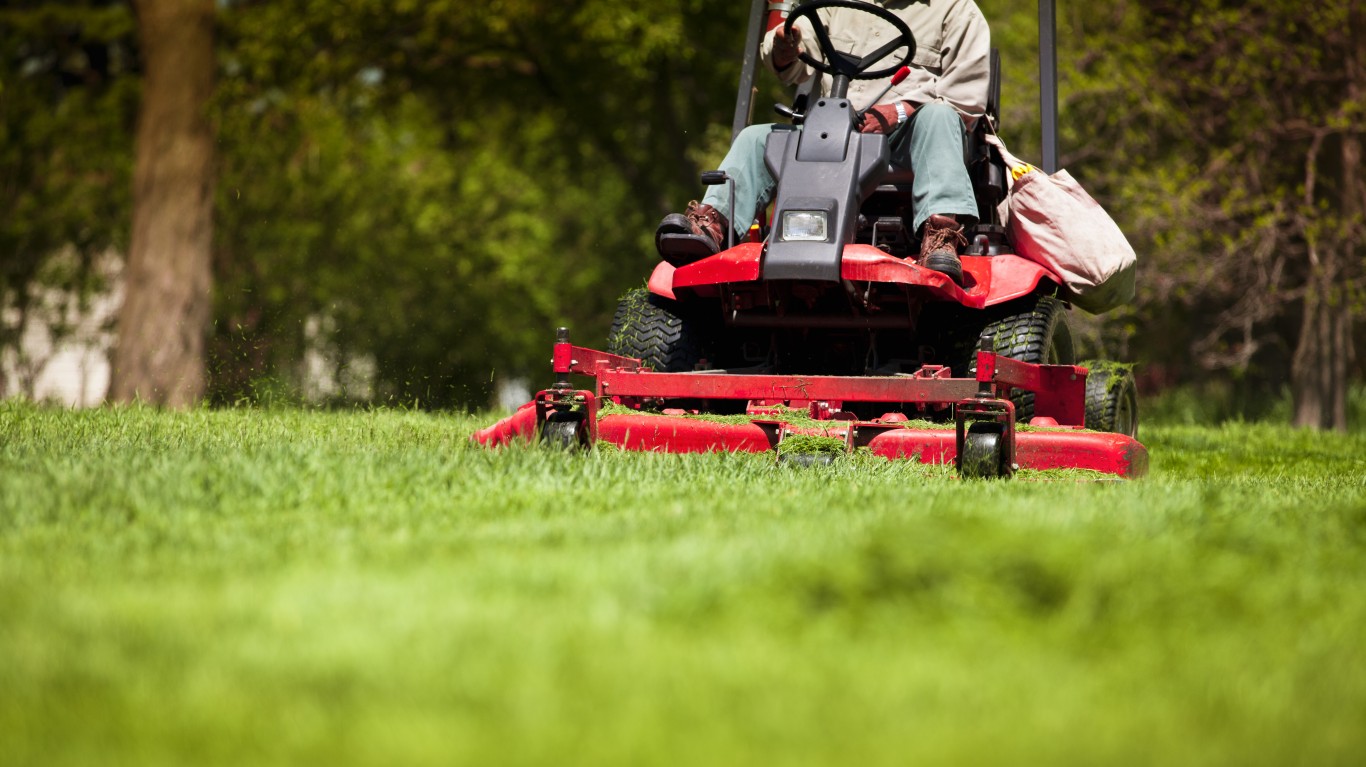
Dad’s $180,000 in Farm Equipment Will Be Exempt While His Business Runs. Selling It After He Enters a Nursing Home Could Cost Him Medi-Cal Coverage

This post may contain links from our sponsors and affiliates, and Flywheel Publishing may receive compensation for actions taken through them.
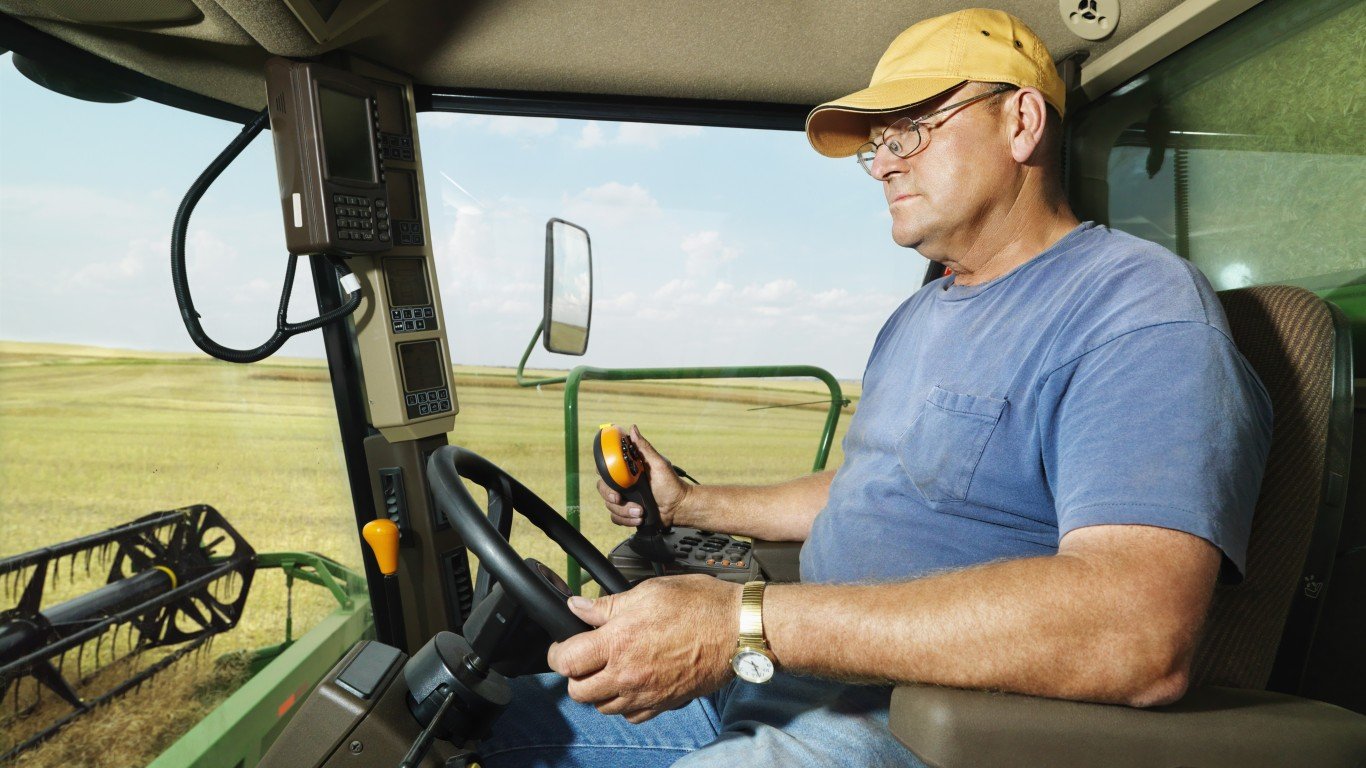
Picture a California farmer entering a nursing facility in late 2026. He still owns $180,000 in tractors, a combine and harvest gear, and his son keeps using that equipment to run the family operation. Medi-Cal excludes personal property used in a trade or business from the asset count. As long as Dad’s equipment remains part of the operating farm, the $180,000 may stay outside his countable assets.
Then the family sells it. Once the buyer’s check clears into Dad’s account, exempt farm equipment becomes countable cash. California’s 2026 Medi-Cal asset limit for a single person is $130,000, so one transaction can leave him $50,000 over the line.
How Medi-Cal’s Business Property Exemption Shields Working Farm Equipment
Medi-Cal is California’s version of Medicaid, the joint federal and state program that pays for long-term care in nursing facilities for those who qualify on income and assets. Medicare is the federal health plan for those 65 and over. Years of custodial care fall outside Medicare coverage, so that bill lands on Dad’s savings or on Medi-Cal.
California brought back its Medi-Cal asset test on January 1, 2026, after previously eliminating it. The current limit is $130,000 for one person through June 30, 2027. Married applicants may qualify for additional protection under Medi-Cal’s spousal impoverishment rules.
A long list of property never counts toward that limit. California exempts several categories of property, including a principal home, one vehicle and personal property used in a trade or business. The key for Dad is that the equipment remains part of the farm operation. Machinery still being used by the business is very different from equipment left behind after the farm shuts down.
California’s limit is generous by national standards. Many states borrow the federal SSI resource limit of $2,000[1] for an individual, and each state writes its own exemption list. A farm equipment rule that holds up in Fresno can read very differently in Iowa or Texas.
Selling the Equipment Turns $180,000 Into Countable Cash
The exemption follows the equipment’s business use. Once the machinery is sold, the proceeds are no longer business equipment. Cash and bank accounts are countable assets, so the $180,000 can push Dad over the limit.
Families often sell the equipment because Dad went into the nursing home and nobody plans to keep farming. That’s exactly when the proceeds become a problem. Counties are watching, too. Medi-Cal now requires affected applicants and members to report assets such as bank accounts and cash when they apply or renew.
Coverage after a sale depends on what else Dad has, how much the equipment brings, and where the money goes before the county counts it. A farmer with little other savings who sells a single baler can stay comfortably under the 2026 limit. A farmer who sells everything at once and puts the full $180,000 in his own name has a much harder conversation with the county.
Timing and Destination Decide Whether Dad Keeps Medi-Cal
The destination of the money matters as much as the sale itself. California attorneys describe spend-down moves that don’t trigger a period of ineligibility, including settling medical bills, paying off the home mortgage or making repairs to the home. Paying the nursing home privately for a stretch also brings the balance down, one invoice at a time.
Gifts carry the real danger. Giving the proceeds to the kids, or selling the combine to a son for a token price, can count as a transfer for less than fair value. For long-term care Medi-Cal, that can trigger a period when the program won’t pay for nursing facility care. Saving the farm for the next generation can backfire this way.
The calendar adds pressure. The 2026-27 state budget, signed this summer, keeps the $130,000 limit for now but drops it to $21,000 in July of 2027. For couples, the limit falls to $31,000. Under those numbers, even a partial equipment sale could push a nursing home resident over the line.
Families who handle this well usually follow a sequence. They keep the equipment working while the farm operates. If they sell, they line up the destination for the proceeds before the sale, then document every dollar so the county can see where it went. Elder law attorneys prefer to run that math before the auctioneer shows up.
The same $180,000 can be invisible to Medi-Cal as working farm equipment and fully countable as a bank balance after a sale. The value barely changed. Its form did, and that can change Dad’s eligibility.
Contact [email protected] for any questions or corrections.
Gerelyn Terzo is the author of dividend investing handbook "Dividend Investing Strategies: How to Have Your Cake & Eat It Too." A veteran financial journalist, she covers agri-finance for outlets like Global AgInvesting and the broader stock market and personal finance for 24/7 Wall Street. She began at CNBC and later helped launch Fox Business in New York. Gerelyn currently resides in Woodland Park, Colorado and dabbles in nature photography as a hobby.