Food Truck Owners Say the Food Was Never the Hard Part. City Hall Is.

This post may contain links from our sponsors and affiliates, and Flywheel Publishing may receive compensation for actions taken through them.
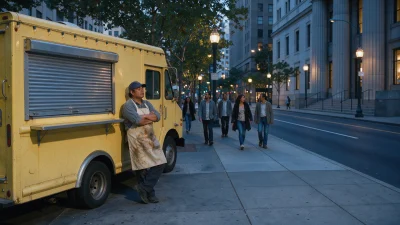
Ask someone who has never run a food truck what the hard part is, and they will usually name the cooking: the menu, the prep, the heat inside a steel box in July. Owners who have spoken out publicly in several cities point to local government instead. In Milwaukee; Nampa, Idaho; and Charlotte, the conflicts that made local news were about closing times and operating rules set by city government.
Customer demand is strong. Americans spent at a seasonally adjusted annual rate of $1,610.5 billion on food services in September 2026, the highest monthly figure in Bureau of Economic Analysis data going back to January 2024. Owners face pressure on two sides: rising operating costs and the rules that decide where and when they can sell.
What City Rules Actually Control
Local regulations can set the hours a truck may operate, where it may park, which permits it needs and what inspections it must pass. They can also change quickly, sometimes with little warning to the people affected.
The Milwaukee Journal Sentinel reported that food truck owners objected when the city set an earlier downtown closing time. One owner was quoted saying, "They should have let us know." The Wisconsin Institute for Law & Liberty reported that Milwaukee later repealed that food truck curfew following its lawsuit. In Charlotte, WSOC TV reported that owners were unhappy with forced closing hours in the Uptown area. In Nampa, KTVB reported that owners said proposed city-wide operating rules could force them to close.
Why a Curfew Hits a Truck Harder Than a Restaurant
A restaurant has a fixed address and customers come to it, while a food truck makes money by going where the crowd is, when the crowd is there. For a downtown truck, that often means late evenings when nightlife lets out, and an earlier closing time cuts out those hours while a parking restriction cuts off the location.
The costs keep running either way. The truck payment, insurance, commissary fees and fuel stay the same whether the window is open for six hours or four. Fuel is a growing line item: consumer spending on gasoline ran at a $547.3 billion annual rate in September 2026, compared with $424.7 billion a year earlier. Other prices are rising too. The Consumer Price Index stood at 337.511 in October 2026, up from 308.417 in January 2024. When rules cut into peak hours, a truck has fewer sales to cover those higher costs.
What to Check Before You Buy a Truck
The research costs nothing except time, and it should come before you sign a loan or a purchase agreement:
- City and county regulations. Read the mobile vending rules for every city where you plan to operate, including permitted hours, restricted zones and parking limits. Nearby cities often have different rules.
- Permit requirements. Find out which licenses, vending permits and fire or safety inspections apply, how long approval takes and how often each one must be renewed.
- Health department and commissary rules. Many cities require trucks to operate from an approved commissary. Confirm that one with space is available near your routes.
- Pending changes. Check city council agendas for proposed rules. The Nampa conflicts began with rules that had only been proposed.
- A local food truck association. If one exists, join it. Established owners know which rules are enforced, which locations work and what changes are coming.
Research City Hall Before the Menu
Your recipes can be adjusted once you open. The rules on hours and locations are set by the city, and they can change. This week, call the permitting office in the city where you plan to sell, ask for the current mobile vending regulations in writing and sign up for council agenda alerts. Then talk to three working truck owners about what changed in their first year. Do all of this before you spend money on a truck or design a menu.
Contact [email protected] for any questions or corrections.
Austin Smith is a financial publisher with over two decades of experience as an investor, analyst, and advisor. He covers stocks, ETFs, Artificial intelligence and personal finance for 24/7 Wall St. Previously, he spent over a decade at The Motley Fool as a senior editor for Fool.com, portfolio advisor for Millionacres, and launched The Ascent to help reader take control of their personal finances.
His work has been featured on Fool.com, NPR, CNBC, USA Today, Yahoo Finance, MSN, AOL, Marketwatch, and many other publications. He is as an advisor to private companies, and co-hosts The AI Investor Podcast with Eric Bleeker.
When not looking for investment opportunities, he can be found skiing, running, or playing soccer with his children. Learn more about Austin's investment approach here.