Nobody Warns New Franchise Owners That the Fees Never Stop

This post may contain links from our sponsors and affiliates, and Flywheel Publishing may receive compensation for actions taken through them.

Many franchise buyers build their budget around two numbers: the upfront franchise fee and the cost of building out the location. Once those are paid, the thinking goes, whatever the store brings in belongs to the owner. That math leaves out the payments that come due every week or month for as long as the franchise agreement runs. If you’re mid-career and putting savings or retirement money into one location, those recurring charges decide whether the business ends up paying you.
Fees That Keep Coming for the Life of the Agreement
Most franchise systems charge an ongoing royalty, and royalties are typically based on gross revenue. The royalty is calculated on sales before expenses. That means it still comes due in a month when payroll, rent and supply costs leave the store losing money.
Royalties are only the first layer. Other recurring charges often include:
- Contributions to a brand marketing or advertising fund, which pays for campaigns the owner has little say over
- Technology and software fees for point-of-sale systems, apps and online ordering
- Required renovations and equipment upgrades on the franchisor’s schedule
- Mandated suppliers, which can lock in what the owner pays for food, packaging and inventory
Covering a short month with a credit card adds interest on top of all this. The average credit card APR at commercial banks was 21.19%[1] as of August 2026.
Subway Franchisees Took Their Royalty Fight Public
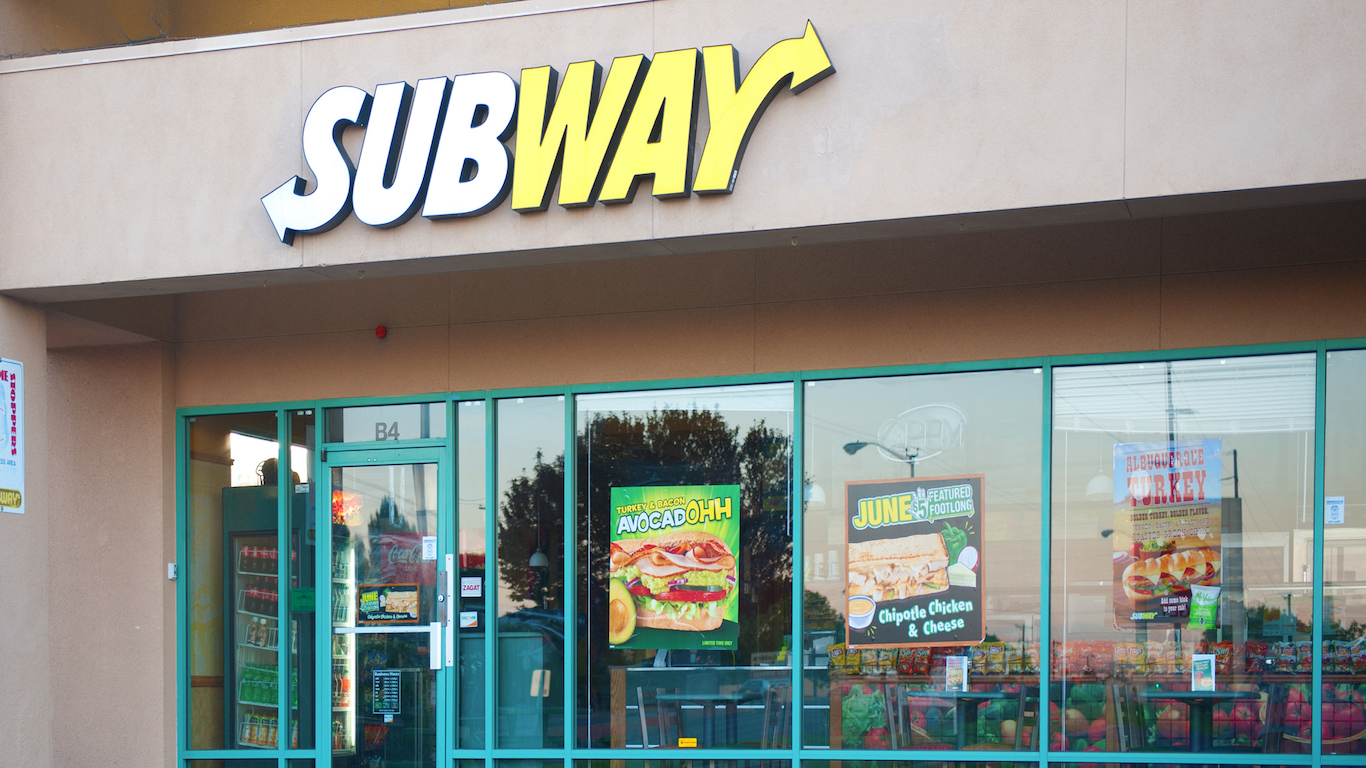
On May 12, 2021, Business Insider reported that a group of Subway franchisees had published an open letter to one of the chain’s owners. The letter demanded lower royalties. The group of more than 100 franchisees had already sent her a letter in April. At the time, Subway franchisees paid the corporate office 8% of gross sales every week in royalties. The letter asked for a cut to 4.5%.
"In the middle of a pandemic, we were denied relief from our royalty payments to you, a multi-billionaire who owns Subway with no debt," the letter read. That was according to a report by Business Insider. Franchisees said a lower royalty would let them reinvest in stores and hire more workers, and a Subway representative had told Business Insider that the earlier letter did not represent the views of most franchisees.
The lesson for buyers is that a royalty rate that seems fine at signing stays the same when sales fall years later.
Where Every Fee Has to Be Disclosed
Under the FTC Franchise Rule, franchisors must give buyers a Franchise Disclosure Document. The initial franchise fee goes in Item 5; royalties and all other recurring or occasional fees, including advertising contributions and technology fees, go in Item 6. In 2024, FTC staff issued guidance. If a franchisor leaves required fees out of the disclosure document, it violates the Franchise Rule and Section 5 of the FTC Act.
Item 20 matters just as much. It requires the franchisor to disclose the name, city and state, and current business telephone number[2] of franchisees, including owners who have left the system. That list gives you direct access to people who have paid the fees you are about to agree to.
Call the Owners Listed in Item 20 Before You Sign
Get the disclosure document, turn to Item 20 and call several current and former franchisees to ask each one what they actually pay every month in royalties, marketing fund contributions, technology fees and supplier costs. Ask how often they were told to remodel or replace equipment, and what it cost. Ask former owners why they left. Check their answers against Item 6 line by line. Then rebuild your projections with those monthly payments included before you put any savings to the deal.
Contact [email protected] for any questions or corrections.
Austin Smith is a financial publisher with over two decades of experience as an investor, analyst, and advisor. He covers stocks, ETFs, Artificial intelligence and personal finance for 24/7 Wall St. Previously, he spent over a decade at The Motley Fool as a senior editor for Fool.com, portfolio advisor for Millionacres, and launched The Ascent to help reader take control of their personal finances.
His work has been featured on Fool.com, NPR, CNBC, USA Today, Yahoo Finance, MSN, AOL, Marketwatch, and many other publications. He is as an advisor to private companies, and co-hosts The AI Investor Podcast with Eric Bleeker.
When not looking for investment opportunities, he can be found skiing, running, or playing soccer with his children. Learn more about Austin's investment approach here.