Renting Your Pickup to Neighbors Can Pay Off. Your Auto Insurance May Not Cover It.

This post may contain links from our sponsors and affiliates, and Flywheel Publishing may receive compensation for actions taken through them.
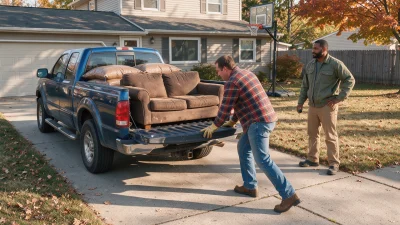
A pickup that sits in the driveway most weekends looks like easy money. Neighbors need to haul a couch, a trailer’s worth of mulch or a load of boxes, and you own the one vehicle on the block that can handle it. Billing for the favor can turn an idle truck into extra cash. How much of that cash you keep depends on how you rent, what each trip costs you, and whether your insurance still covers the truck when someone else is driving it.
Two Ways to Put an Idle Pickup to Work
The informal approach is a handshake deal. A neighbor pays you a flat fee for an afternoon. You need no app, you pay no listing fee, and you carry the most risk, as explained below.
The formal approach is a peer-to-peer car sharing platform. You list the truck and set when it’s available, and the platform handles booking and payment. Each platform sets its own fees and payout terms and can change them, so check the current terms on its site before you count on any number. Treat advertised earnings as marketing.
Insurance Gap Owners Discover After a Crash
Personal auto policies commonly exclude using a vehicle for hire, so an informal rental may leave the owner exposed if the renter crashes. Damage to your truck, damage to another driver’s car and any injury claims could all fall on you.
Peer-to-peer platforms offer their own protection plans, and coverage levels vary. The plan tier you pick can change both your deductible after a claim and how much of each booking you keep. Read the platform’s protection terms in full, including what counts as excluded use and what happens to damage that happens slowly over time.
Then call your own insurer before listing. Consumer advocate Clark Howard gave that advice to a caller in 2018 who wanted to lend out a car, telling the caller to contact the company, explain the plan exactly and ask whether "there is a way to insure" it. Get the answer in writing.
Costs That Eat Into Every Rental
- Fuel: Regular gasoline averaged $3.81 per gallon[1] nationally on November 16, 2026, down from $4.478 on September 21, 2026, according to Energy Information Administration data. Decide up front whether renters return the tank full.
- Wear and mileage: Heavy loads are hard on tires, brakes, suspension and the bed. Every mile a renter drives speeds up maintenance and reduces resale value.
- Cleaning: Mulch, gravel and dirt stay in the bed and the cab after the job is done.
- Scheduling: Handoffs, inspections and late returns take your time, and the truck is gone when you need it.
How the IRS Taxes Truck Rental Income
Federal law counts rents[2] as gross income under 26 U.S.C. § 61(a)(5). Reporting income from renting personal property, such as equipment or vehicles, depends on whether the activity is a business and whether it is done for profit, according to IRS Publication 525 for tax year 2025. If your main goal is profit and you rent with continuity and consistency, the IRS generally treats it as a business, reported on Schedule C (Form 1040).
If you aren’t in the business of renting, you report the income on Schedule 1 (Form 1040), line 8l. If you rent for profit, related expenses go in the total on line 24b. If you don’t rent for profit, your deductions are limited and you can’t report a loss to offset other income.
Business treatment can also bring self-employment tax. Anyone expecting self-employment income should figure that tax when calculating payments, according to IRS Publication 505 for 2026. Keep receipts for fuel, cleaning, repairs and platform fees starting with the first rental.
Who Should Rent Out a Pickup
Renting out a pickup suits owners who rarely use the truck on weekends, live near people who need hauling, and are comfortable with someone else driving. Retirees with flexible schedules can handle handoffs easily. It fits poorly if the pickup is your only vehicle or if an uncovered claim would strain your savings.
Before you list the truck or take cash from a neighbor, call your insurer.
Contact [email protected] for any questions or corrections.
Austin Smith is a financial publisher with over two decades of experience as an investor, analyst, and advisor. He covers stocks, ETFs, Artificial intelligence and personal finance for 24/7 Wall St. Previously, he spent over a decade at The Motley Fool as a senior editor for Fool.com, portfolio advisor for Millionacres, and launched The Ascent to help reader take control of their personal finances.
His work has been featured on Fool.com, NPR, CNBC, USA Today, Yahoo Finance, MSN, AOL, Marketwatch, and many other publications. He is as an advisor to private companies, and co-hosts The AI Investor Podcast with Eric Bleeker.
When not looking for investment opportunities, he can be found skiing, running, or playing soccer with his children. Learn more about Austin's investment approach here.