The X-Ray Found Black Lung Before He Felt Symptoms. One Federal Rule Could Protect His Pay and Social Security Record.
A coal miner just got a black lung diagnosis before feeling a single symptom, and what he does in the next 20 days could shape the Social Security check he collects for the rest of his life.

A Diagnosis That Arrived First
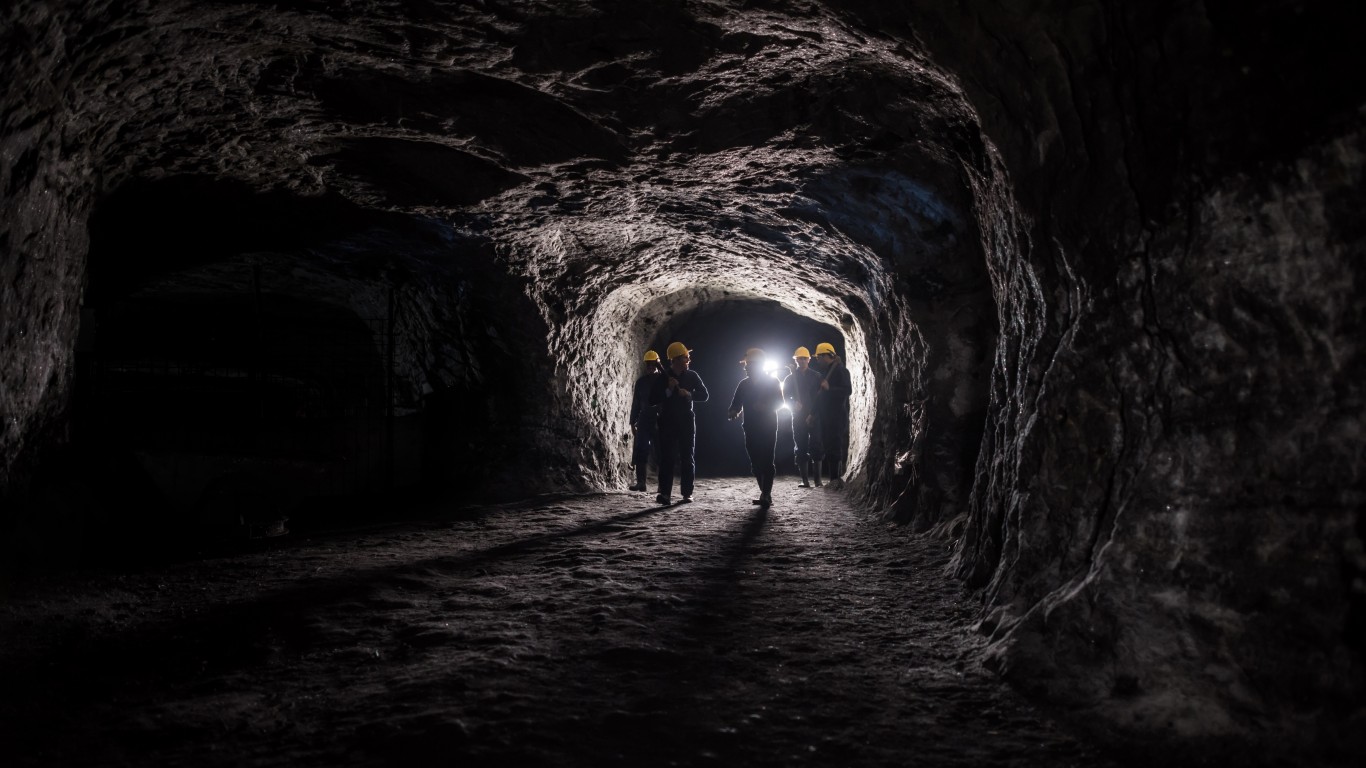
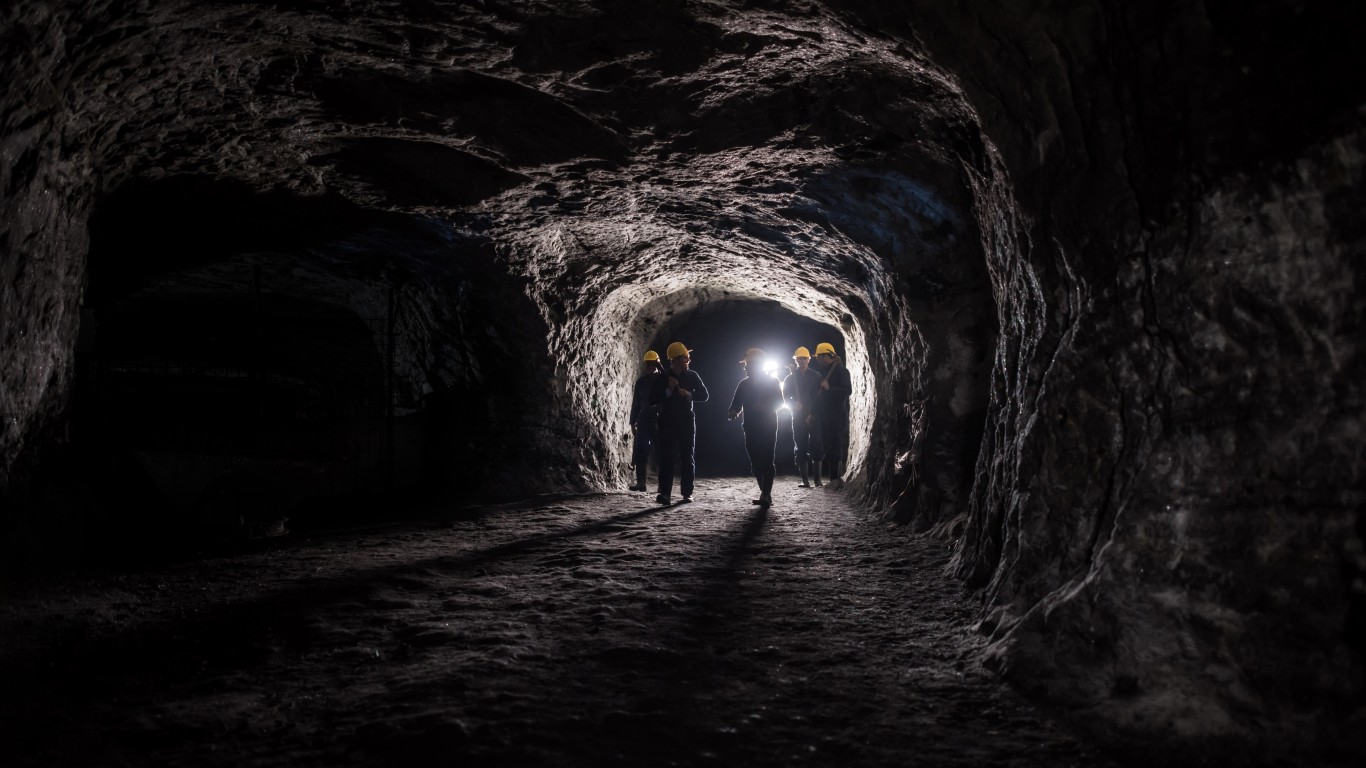
Picture a coal miner in his late fifties who has spent decades underground. He feels fine when he steps into a mobile clinic offering free screenings to miners. A few weeks later, the call comes. His chest X-ray shows early evidence of pneumoconiosis, commonly called black lung. No cough. No shortness of breath. Just a shadow on a film and a career decision he never expected to make that morning.
His first instinct is to leave the mine. That may ultimately be the right medical decision, but it is not necessarily his only option. A little-known federal protection may allow him to move away from heavy dust exposure without walking away from his pay or the covered earnings still building his future Social Security check.
The Right to Leave the Dust, Not the Payroll
Under a federal protection known as Part 90, a coal miner whom the National Institute for Occupational Safety and Health (NIOSH) finds to have evidence of pneumoconiosis can elect to work in a lower-dust part of the mine. His regular rate of pay cannot be cut because he exercised that right, and the program includes protections against discrimination and termination.
Eligibility does not move him automatically. NIOSH provides an option form, and the miner must return it to the Mine Safety and Health Administration to exercise his rights. Once that happens, the operator generally has 20 days to identify a qualifying work area. The pay protection deserves a closer look. Part 90 preserves his regular rate, not necessarily every overtime hour, shift premium or bonus that appeared on last year’s W-2. His annual earnings could still change. But the rule may preserve far more of his income than quitting outright.
Why the Next Few W-2s Still Matter
Social Security calculates retirement benefits using a worker’s 35 highest years of covered earnings. If he has fewer than that, every missing year enters the formula as a zero. If he already has reached that milestone, another strong year can replace a leaner one from earlier in his career. Leaving the mine would not erase or freeze the value of the earnings already on his record. Those years remain and receive the indexing provided under Social Security’s formula. What stops is the opportunity to add new covered wages.
That distinction matters for a miner in his late fifties, when pay may be near its career peak. Several more years at a protected rate could replace weaker years and raise the monthly benefit he eventually receives. Part 90 does not create Social Security credits by itself. It may let him remain in a job that does.
His Health Still Gets the First Say
No retirement calculation should persuade someone to remain in work that his medical team considers unsafe. Part 90 lowers permitted dust exposure and requires monitoring, but it does not reverse lung damage or guarantee that continued mining is medically appropriate. If he cannot continue safely, federal black lung benefits, disability coverage, a pension and Social Security Disability Insurance may need to enter the conversation. Those programs follow different rules and should be evaluated separately.
If he can keep working in a protected assignment, he gains something valuable beyond another paycheck: time. He can continue building his earnings record, avoid claiming retirement benefits out of immediate necessity and decide later whether to file at 62, wait until full retirement age or delay longer.
Canary In the Coal Mine
Before he turns in his badge, two steps can bring the choices into focus.
- Ask his medical team what work remains safe, then confirm the NIOSH finding and Part 90 process with MSHA or his union.
- Pull his Social Security statement and compare stopping now with adding several years at protected pay.
The diagnosis may change where he works without deciding when he retires. Part 90 could let him leave the dust, keep earning and choose his next chapter on his own timetable.
Contact [email protected] for any questions or corrections.
Gerelyn Terzo is the author of dividend investing handbook "Dividend Investing Strategies: How to Have Your Cake & Eat It Too." A veteran financial journalist, she covers agri-finance for outlets like Global AgInvesting and the broader stock market and personal finance for 24/7 Wall Street. She began at CNBC and later helped launch Fox Business in New York. Gerelyn currently resides in Woodland Park, Colorado and dabbles in nature photography as a hobby.