Texas Data Centers ‘Dug Their Own Grave,’ Gov Says. At 63, a Rancher Can Lease His Land and Give Social Security More Time to Grow.
Texas ranchers sitting on acreage data centers desperately need are discovering the lease deal can do something the rent check barely hints at: quietly reshape when and whether Social Security needs to start at all.

This post may contain links from our sponsors and affiliates, and Flywheel Publishing may receive compensation for actions taken through them.
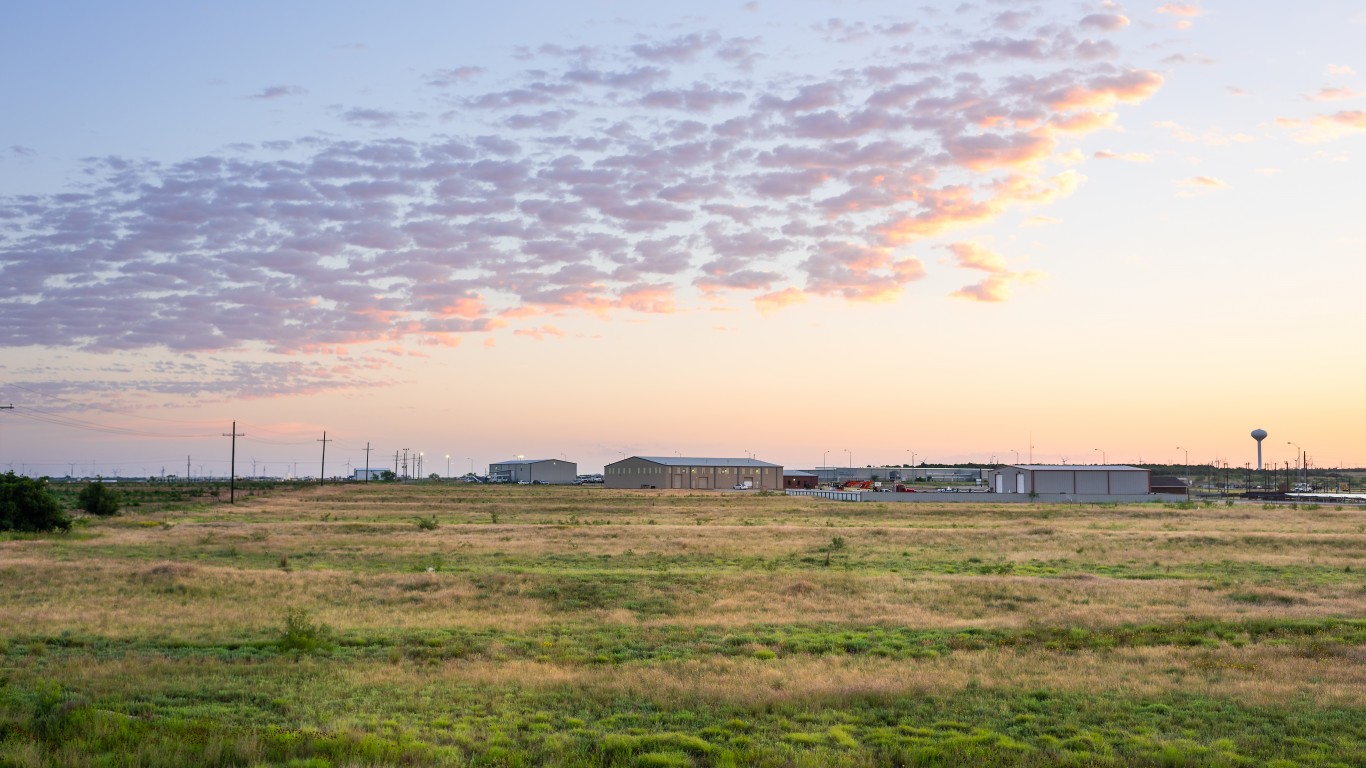
Texas spent years courting the data-center boom. Now Gov. Greg Abbott says the industry “dug their own grave” by expanding too quickly without winning over the communities expected to host the projects. The backlash is real.
Fewer than 10% of data-center companies responded to a state request for information needed to forecast future electricity demand, according to Abbott, and Texas has begun auditing projects seeking grid connections. Nationally, 61% of Americans now oppose construction of a new data center in their area. None of that eliminates one thing developers still need in Texas: land.
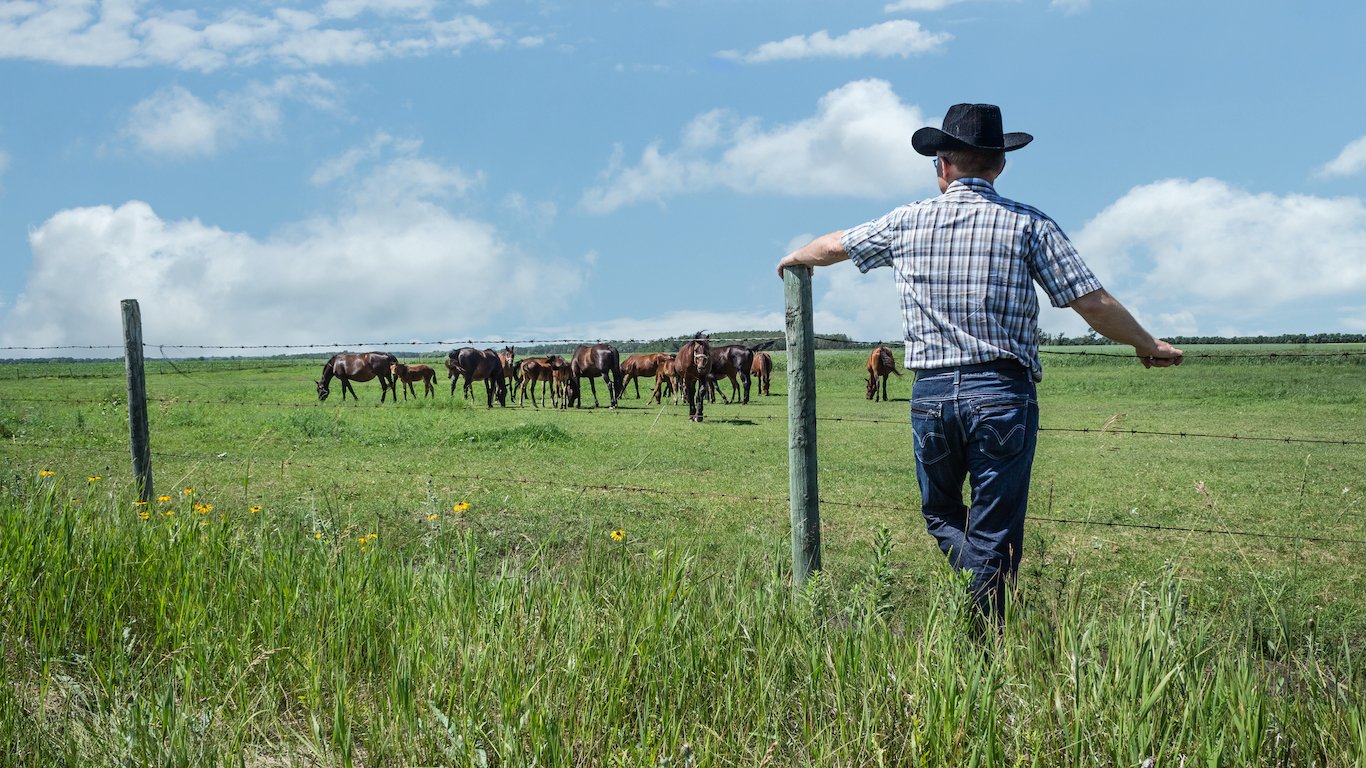
Picture a 63-year-old West Texas rancher offered a long-term ground lease on acreage he has no intention of selling. The developer gets the site. He keeps the ranch and starts collecting rent. That income could give him something particularly valuable at 63: enough room to leave work without immediately turning on Social Security.
Four Years Can Change the Social Security Check
For someone born in 1960 or later, full retirement age (FRA) is 67. Starting Social Security at exactly 63 generally pays 75% of the FRA benefit. A worker entitled to $2,500 a month at 67 would receive about $1,875 if he files at 63. Waiting does not mean the benefit is earning delayed retirement credits during those four years. Those credits begin only after FRA. From 63 to 67, the increase comes from avoiding more of the permanent early-claim hit.
After 67, waiting can increase the benefit further, reaching 124% of the full benefit amount at 70. A recurring land lease changes the practical question. If rent can cover a meaningful share of living expenses, the rancher may no longer need Social Security simply because the paycheck stopped. The ground lease becomes a bridge.
Keep the Land and the Income Stream
That is different from selling acreage outright. A long-term lease can preserve ownership while turning part of the ranch into recurring retirement income. Depending on the agreement, payments may also rise over time through contractual escalators. And ordinary real-estate rent generally does not become net self-employment earnings merely because the owner is collecting it. Social Security excludes real-estate rental income in most cases unless the owner is a real-estate dealer or regularly provides substantial services primarily for the occupant’s convenience.
That distinction still matters if the rancher decides to claim Social Security before 67. Passive rent generally stays outside the retirement earnings test, while wages or net self-employment income can trigger benefit withholding. But that is no longer the most interesting reason to care about the lease. The bigger advantage may be that he does not have to claim yet at all.
Retirement Math
Ground rent is not invisible to the tax return. Rental income generally feeds adjusted gross income, which can affect how much of Social Security becomes federally taxable after benefits begin (it is one of several quiet IRS rules that drain retirement accounts, and we mapped the rest in a free tax trap guide).
At 63, health insurance adds another consideration. A retiree using Marketplace coverage before Medicare may find that a large lease changes eligibility for premium tax credits because those subsidies depend on household income. Then Medicare arrives at 65. Income-related Part B and Part D surcharges generally use tax-return information from two years earlier, so a large lease beginning at 63 can potentially show up again in the Medicare calculation. None of that makes the lease a bad retirement asset. It means the rent should be modeled as part of the retirement plan, not treated as free money sitting outside it.
Decide What the Land Can Buy Besides Rent
Before signing a decades-long ground lease, three pieces deserve attention alongside the headline payment.
- Price the Social Security bridge. Compare what the benefit would be at 63, 67 and 70, then see how many years of living expenses the lease can realistically cover.
- Model the after-tax rent. Include the effect on Marketplace subsidies before 65, Social Security taxation after claiming and potential Medicare surcharges.
- Protect the long-term value of the acreage. Escalators, renewal rights, restoration obligations and exit terms can matter long after the first rent check arrives.
Texas data centers may be having a harder time winning over their neighbors. For the rancher willing to say yes, the land can do more than produce rent: it can buy him time to make the Social Security decision on his own clock.
Contact [email protected] for any questions or corrections.
Gerelyn Terzo is the author of dividend investing handbook "Dividend Investing Strategies: How to Have Your Cake & Eat It Too." A veteran financial journalist, she covers agri-finance for outlets like Global AgInvesting and the broader stock market and personal finance for 24/7 Wall Street. She began at CNBC and later helped launch Fox Business in New York. Gerelyn currently resides in Woodland Park, Colorado and dabbles in nature photography as a hobby.