37,675 Wild Horses Are Grazing on Private Ranches. At 63, Boarding Them Is Work to Social Security. Renting Out the Same Ground Isn’t.
Boarding federal wild horses on your ranch and leasing the same pasture to a neighbor can both put $40,000 in your pocket, but Social Security treats those two arrangements very differently, and the wrong choice at 63 can cost you…

This post may contain links from our sponsors and affiliates, and Flywheel Publishing may receive compensation for actions taken through them.
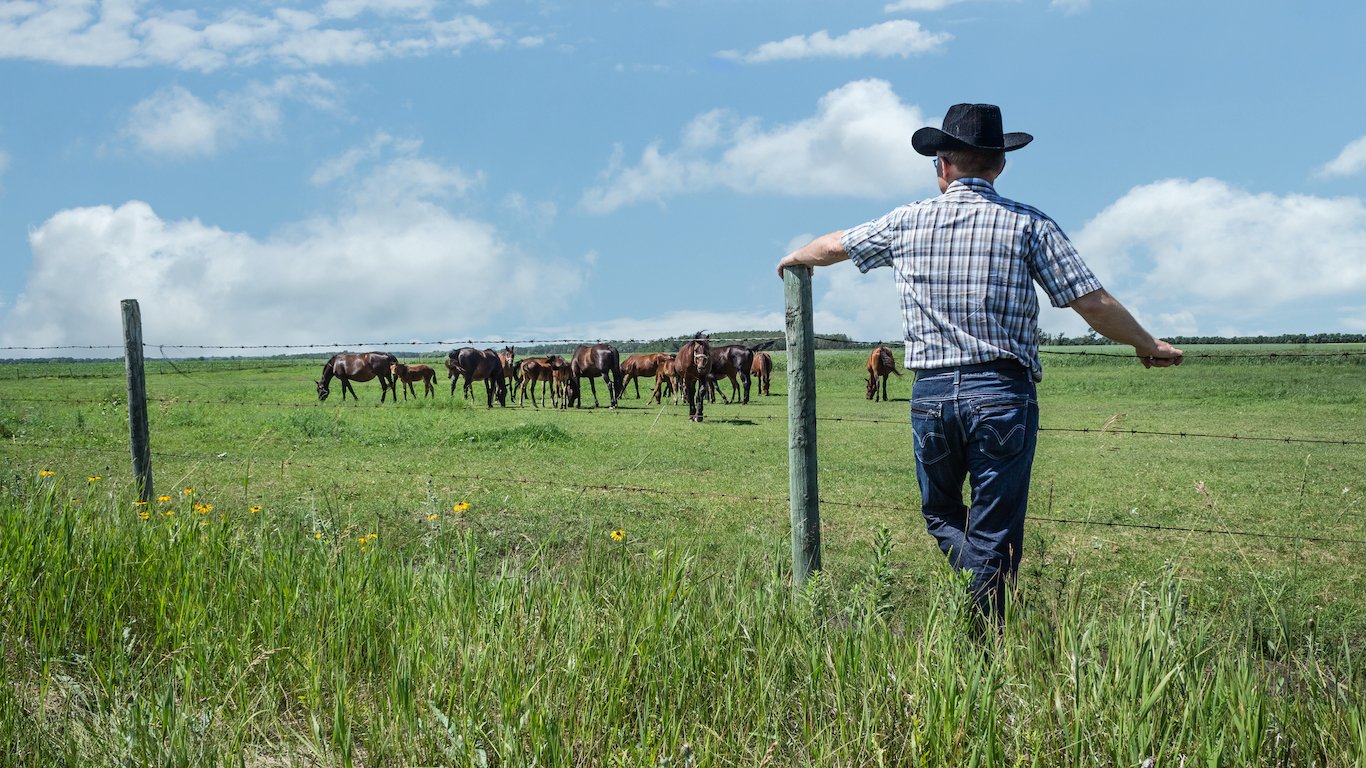
As of mid-2026, the U.S. Bureau of Land Management (BLM) had 36,459 wild horses living on off-range pastures and another 1,216 on public off-range pastures. These are not small boarding arrangements. A recent federal solicitation sought ranches capable of holding between 200 and 10,000 horses under contracts lasting five to 10 years.
The agency still needs the capacity. A federal judge blocked the planned September removal of 856 horses from three Northern California herd areas, but nearly 58,000 horses and burros remain in some form of off-range holding. The BLM spent $101 million on that system in fiscal 2024, according to its current program data.
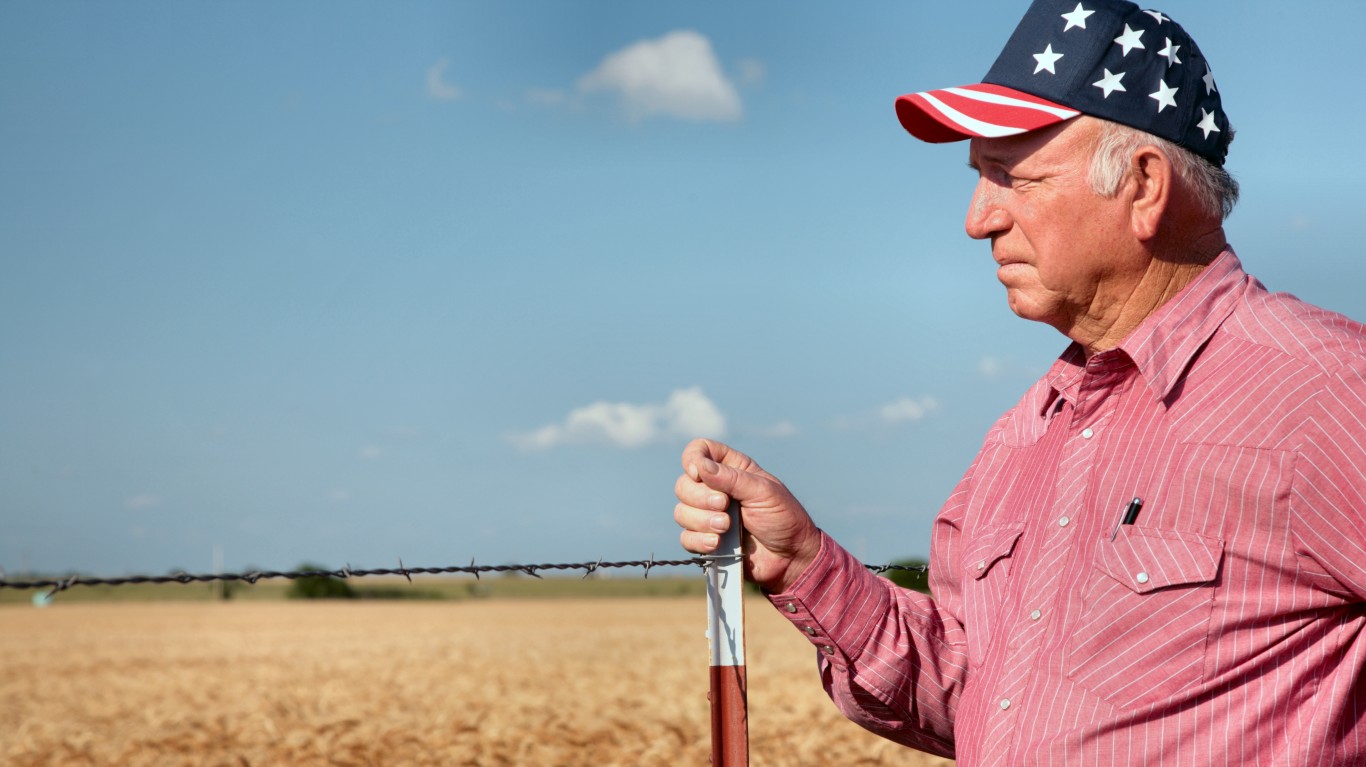
Picture a 63-year-old Kansas rancher with enough fenced grass to pursue one of those contracts. Knee surgery pushed him away from cattle, and he claimed Social Security at 62. He now has two offers for the acreage: provide pasture and care for federal horses or lease the ground to another operator for a flat cash payment. Both arrangements put money in his account. Only one ordinarily looks like work to Social Security.
The IRS Draws the Line at Care
The distinction is unusually direct. According to the IRS Farmer’s Tax Guide, someone who pastures another person’s livestock and cares for the animals reports the payment as farm income on Schedule F. Someone who merely rents pasture for a flat cash amount, without providing services, generally reports it as rental income on Schedule E.
A BLM off-range pasture contract involves more than handing over a gate key. Contractors can be responsible for appropriate personnel, water, forage, fencing, animal handling and continuing welfare standards. They also must complete annual training. That makes the federal payment income from an operating farm business. The earnings test reads the resulting net profit after allowable expenses, not the contract’s gross value.
Social Security Reads the Two Tax Schedules Differently
Because the rancher claimed before his full retirement age (FRA) of 67, the retirement earnings test remains active. In 2026, someone below that age throughout the year can earn $24,480 before Social Security begins withholding $1 in benefits for every $2 above the limit. Suppose his federal pasture operation produces $40,000 in net Schedule F income after fencing, water, forage, labor and other expenses. That places him $15,520 over the limit, making approximately $7,760 of his Social Security benefits subject to withholding.
The benefits are not returned later as a lump sum. At FRA, Social Security recalculates his future payment and removes part of the early-claiming reduction for months in which an entire check was withheld. That can raise his monthly benefit, but it does not replace the cash he expected at 63.
Now change only the agreement. Another farmer leases the same acreage for a flat $40,000 and handles the animals, crops and operating decisions. Rental income from real estate generally sits outside net earnings from self-employment and therefore outside the retirement earnings test. A crop-share lease or an arrangement in which the owner continues participating in management can produce a different result. Calling a payment “rent” does not settle the matter if the owner is still helping run the operation.
Income Tax Still Sees Both Arrangements
The cash lease has another advantage: ordinary real estate rent generally escapes self-employment tax. Net boarding income ordinarily does not. Both payments can still raise adjusted gross income (AGI), however. That means either arrangement may increase the taxable portion of his Social Security benefits. The difference is that active boarding can trigger the earnings test and self-employment tax before the income-tax calculation even begins (this is one of the four tax traps we walked through in a free semi-retirement guide: Retire Twice).
The Contract Determines Which Side of the Fence He Occupies
Before committing the acreage, three details need attention:
- Identify every service the federal or private contract requires him to perform.
- Estimate net business income after the genuine cost of caring for hundreds of horses.
- Compare that result with a flat cash lease that leaves daily decisions to the tenant.
The horses do not turn the pasture into work. His promise to care for them does.
Contact [email protected] for any questions or corrections.
Gerelyn Terzo is the author of dividend investing handbook "Dividend Investing Strategies: How to Have Your Cake & Eat It Too." A veteran financial journalist, she covers agri-finance for outlets like Global AgInvesting and the broader stock market and personal finance for 24/7 Wall Street. She began at CNBC and later helped launch Fox Business in New York. Gerelyn currently resides in Woodland Park, Colorado and dabbles in nature photography as a hobby.