His Farm Had Three Wind Turbines and a Tenant. Social Security Counted Only Part of What the Land Paid Him.
Two checks from the same acreage look identical to a retired farmer, but Social Security treats them by completely different rules, and the wrong assumption about which is which can quietly shrink monthly benefits.

This post may contain links from our sponsors and affiliates, and Flywheel Publishing may receive compensation for actions taken through them.
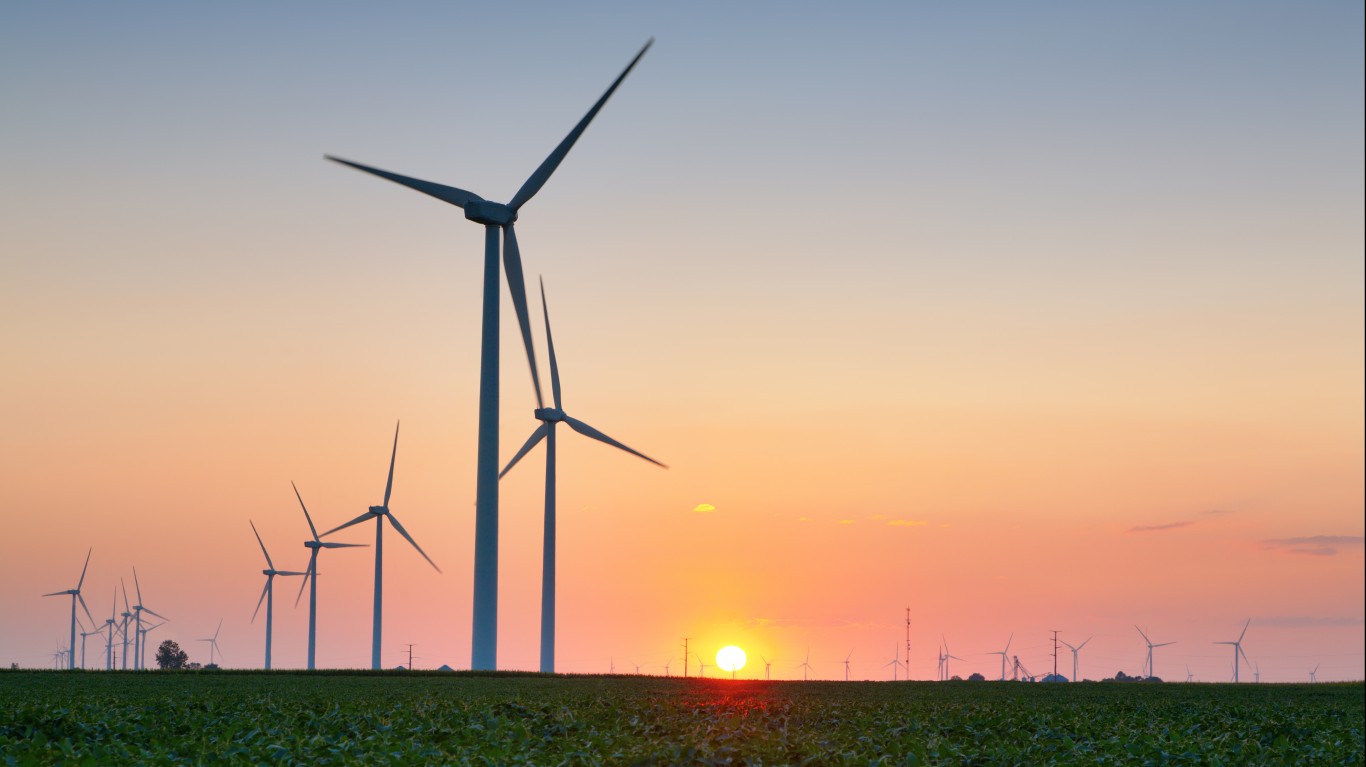
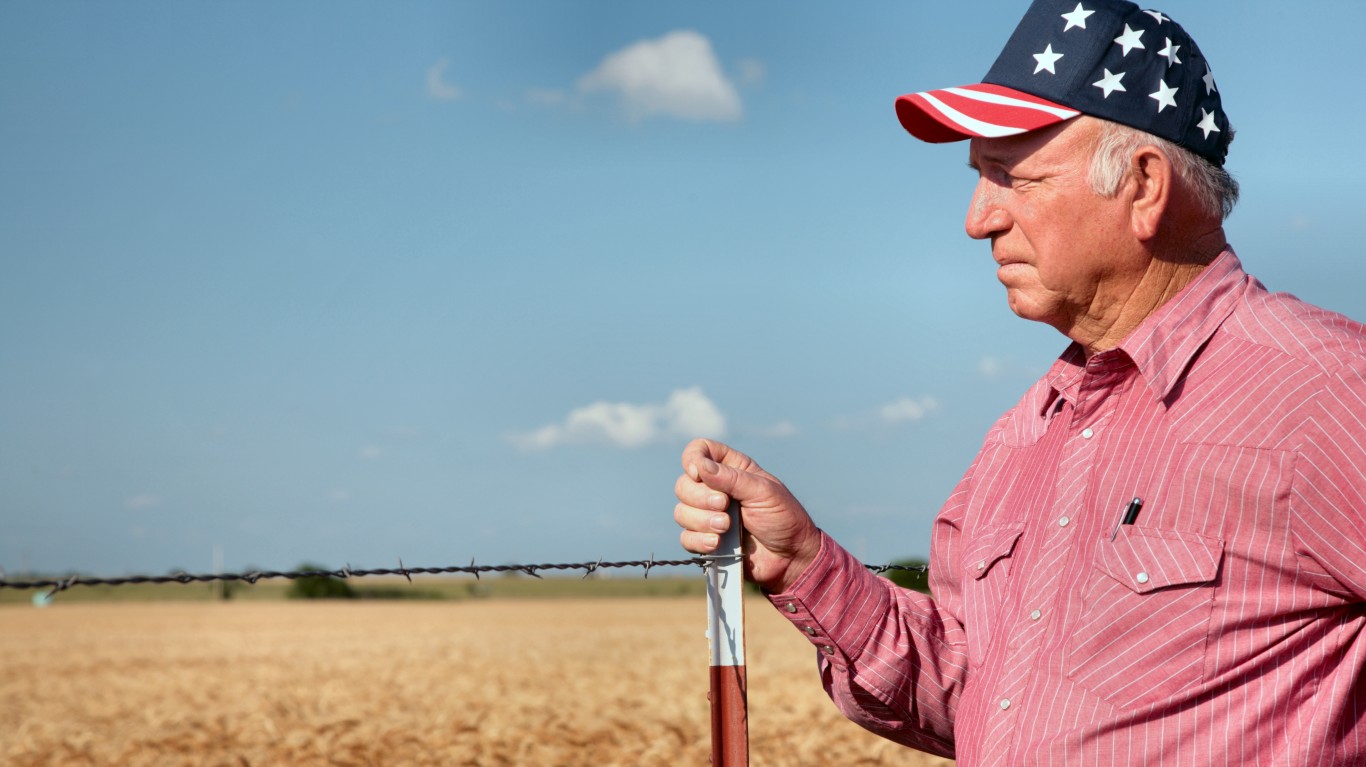
Picture a retired farmer in his mid-sixties. Three wind turbines turn on the back 40 acres of his farm under a long-term lease with an energy developer. A neighbor rents the tillable acres around them and plants corn and soybeans every spring.
Two checks arrive from the same piece of ground. To the farmer, both look like income from land he owns. To Social Security, one may be ordinary rent while the other can become earnings from work. That distinction matters especially if he has already claimed benefits and is still below full retirement age (FRA).
The Turbines Can Spin Without Creating Earnings
Social Security generally leaves ordinary real-estate rental income out of net earnings from self-employment. That means payments from a typical wind-energy lease can sit outside the retirement earnings test when the landowner is essentially being paid to let the developer use part of the property. The exact contract matters, especially when payments cover easements, services or something beyond simple land use, but rent does not become Social Security earnings merely because the checks are large.
The turbines could send him $40,000 while requiring little more from him than living with them on the horizon. Social Security can still see rent, not work. The neighboring cornfield is where the answer gets more interesting.
Farm Rent Has an Extra Test
A farmer who truly steps back and rents the ground to someone else can generally keep that rental income outside self-employment earnings too. But farm rentals carry a special rule. If the arrangement calls for the landowner to participate materially in producing or managing the crops, and he actually does so, the resulting farm-rental income can become net earnings from self-employment.
That requires more than simply caring what happens on land he has owned for decades. The IRS looks at the actual arrangement and involvement. A landlord who regularly helps make important planting, spraying or harvesting decisions, supplies substantial equipment or costs, spends significant time working in the operation or otherwise plays a meaningful production role can cross the line.
The lease heading does not settle it. Calling the agreement “cash rent” will not make an actively involved landlord passive if the facts say otherwise. But an occasional walk through the corn or conversation with the tenant does not automatically turn him back into the farmer either.
One Farm Can Land on Both Sides
Suppose the wind lease pays $40,000 and his materially participating farm arrangement produces $30,000 of net self-employment earnings after applicable expenses. For someone under FRA throughout 2026, Social Security’s retirement earnings limit is $24,480. Benefits can be withheld at $1 for every $2 of earnings above that amount.
The $40,000 of qualifying real-estate rent may contribute nothing to that calculation. The $30,000 of covered farm earnings, however, would put him $5,520 over the limit and could result in $2,760 of benefits being withheld. Same acreage. Same owner. Very different treatment.
There is an upside too. Farm rental income that qualifies as self-employment earnings can also add to his Social Security record and potentially improve his benefit if the year replaces a weaker one among the 35 used in the calculation. Passive rent does not. Phasing out of active farming has its own tax landmines beyond this one, and we mapped the four biggest in a free semi-retirement playbook for anyone easing out of work in stages.
The Lease Does Not Tell the Whole Tale
Before assuming every check from the farm is passive income, these three steps can separate what the land earns from what the farmer is still earning:
- Review the wind lease separately from the farm lease and identify exactly what each payment is buying.
- Document how much involvement the farmer actually has in the tenant’s operation, including management decisions, equipment, expenses and time spent working.
- If benefits have already started before FRA, calculate any covered farm earnings separately from rental income before estimating the retirement earnings-test effect.
The turbines can keep turning and the neighbor can keep planting the same ground. What Social Security cares about is whether the farmer is merely collecting rent from that land or still helping make it produce.
Contact [email protected] for any questions or corrections.
Gerelyn Terzo is the author of dividend investing handbook "Dividend Investing Strategies: How to Have Your Cake & Eat It Too." A veteran financial journalist, she covers agri-finance for outlets like Global AgInvesting and the broader stock market and personal finance for 24/7 Wall Street. She began at CNBC and later helped launch Fox Business in New York. Gerelyn currently resides in Woodland Park, Colorado and dabbles in nature photography as a hobby.