The Biggest Renovations in the White House’s History
Since its original construction in 1800, the building has undergone several renovations and expansions to accommodate the country’s evolving needs. From surviving the War of 1812 to modern-day security and technological upgrades, each change has had to upgrade the balance…


Since its original construction in 1800, the building has undergone several renovations and expansions to accommodate the country’s evolving needs. From surviving the War of 1812 to modern-day security and technological upgrades, each change has had to upgrade the balance between preserving its historical significance and adapting to the demands of the modern world.
Let’s look at how the White House has transformed over the years.
Why We’re Covering This

The White House is a huge symbol of American history and resilience. It’s not just the home of the U.S. president; it represents America as a whole. Much of our coverage revolves around America’s economy, and the White House is only an extension of that.
American politics seriously impact the stock market, too. For instance, we have a story about which stocks to buy for a President Kamala Harris market.
Original Construction of the White House
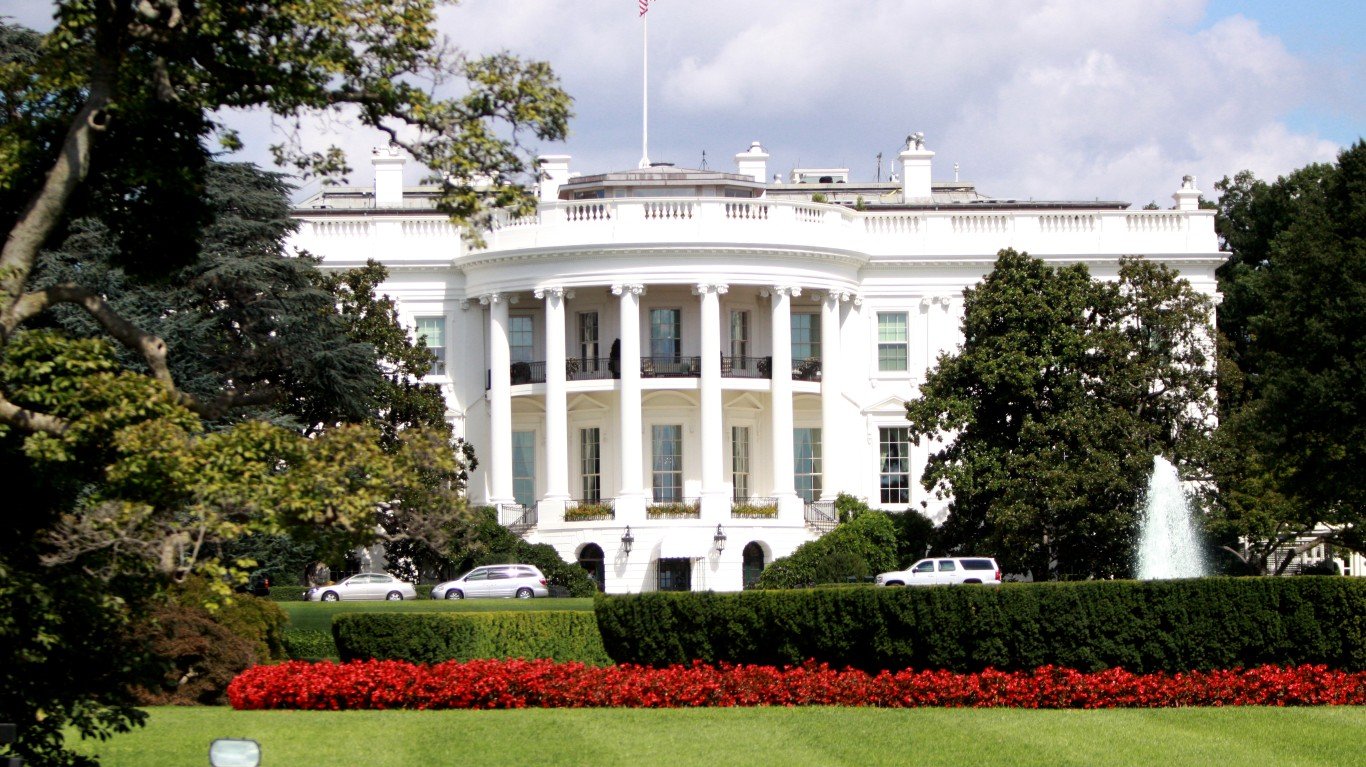
Originally, the White House was designed by the architect James Hoban. Construction began in 1792 under the supervision of George Washington, though he never lived to see its completion. It was built from sandstone and featured a neoclassical design.
The Burning of the White House
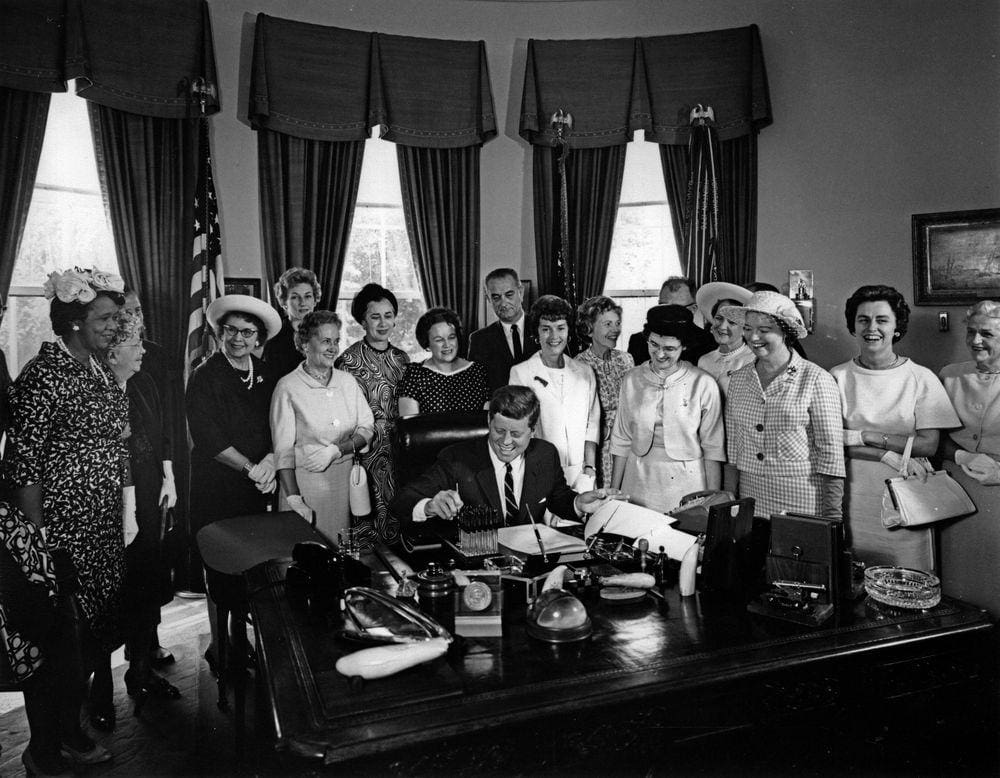
During the War of 1812, the British set fire to the White House. The fire destroyed much of the interior and weakened the building as a whole. Therefore, the building had to be largely rebuilt. The restoration took about three years, and the exterior remained largely the same. However, the interiors were redesigned.
The Truman Renovation
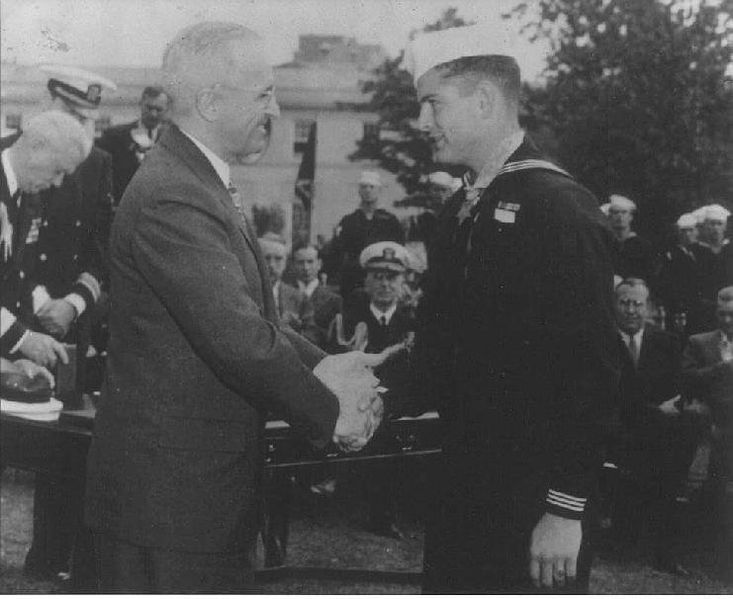
By the late 1940s, the White House had deteriorated structurally, becoming unsafe. Truman authorized a complete overhaul, which involved getting the entire interior while leaving the outer walls intact.
A steel frame was installed to support the structure, and the interior was rebuilt to modern standards.
West Wing Construction

The West Wing was added during Theodore Roosevelt’s presidency in 1902 to move the president’s offices out of the residence. This significant addition changed how the White House functioned, adding a dedicated workspace for the president and the staff.
East Wing Construction
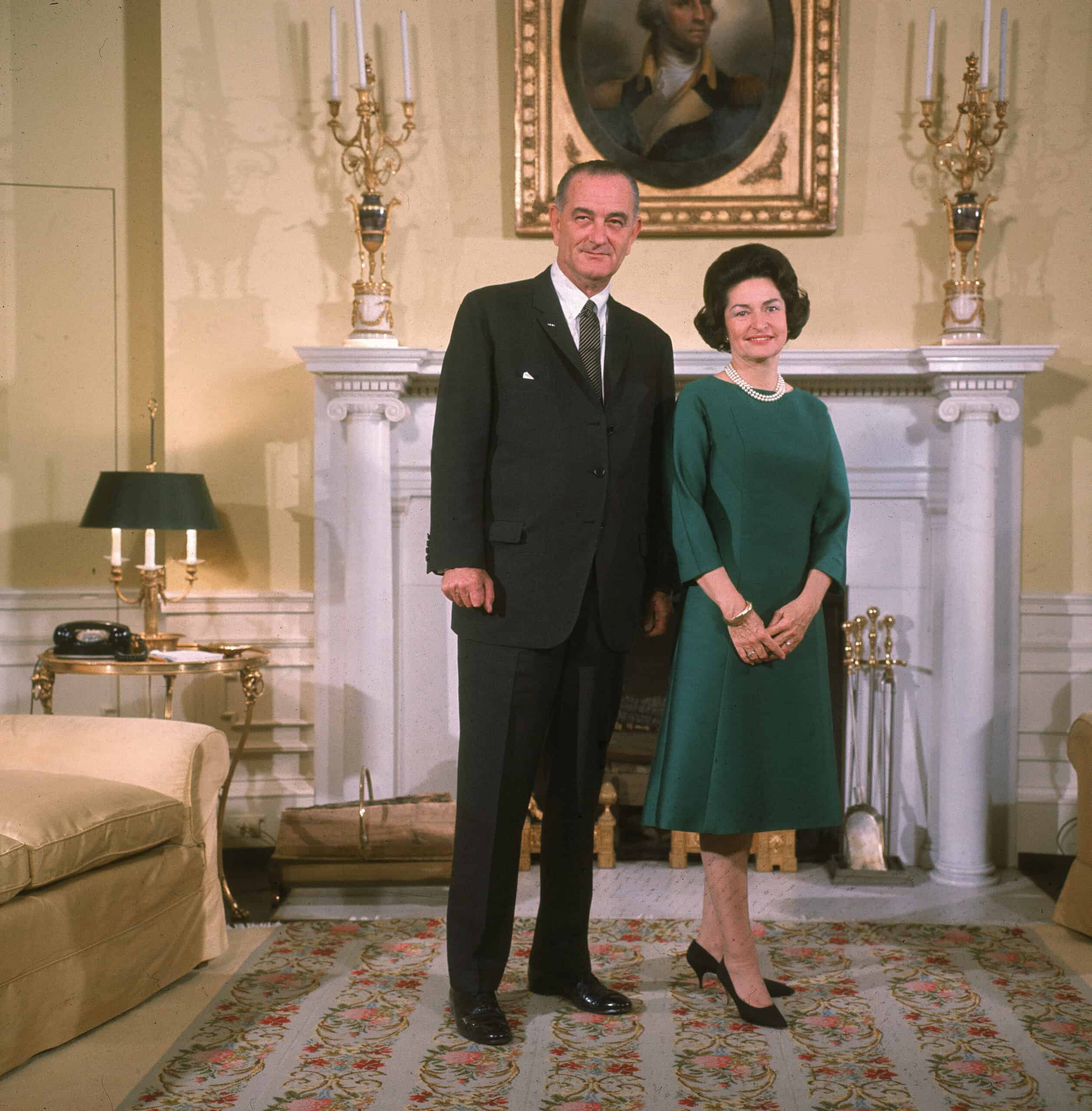
In 1942, the East Wing was built as an additional office space. It included a bomb shelter during World War II, marking one of the first efforts to enhance the White House’s security in the face of modern warfare.
Underground Facilities
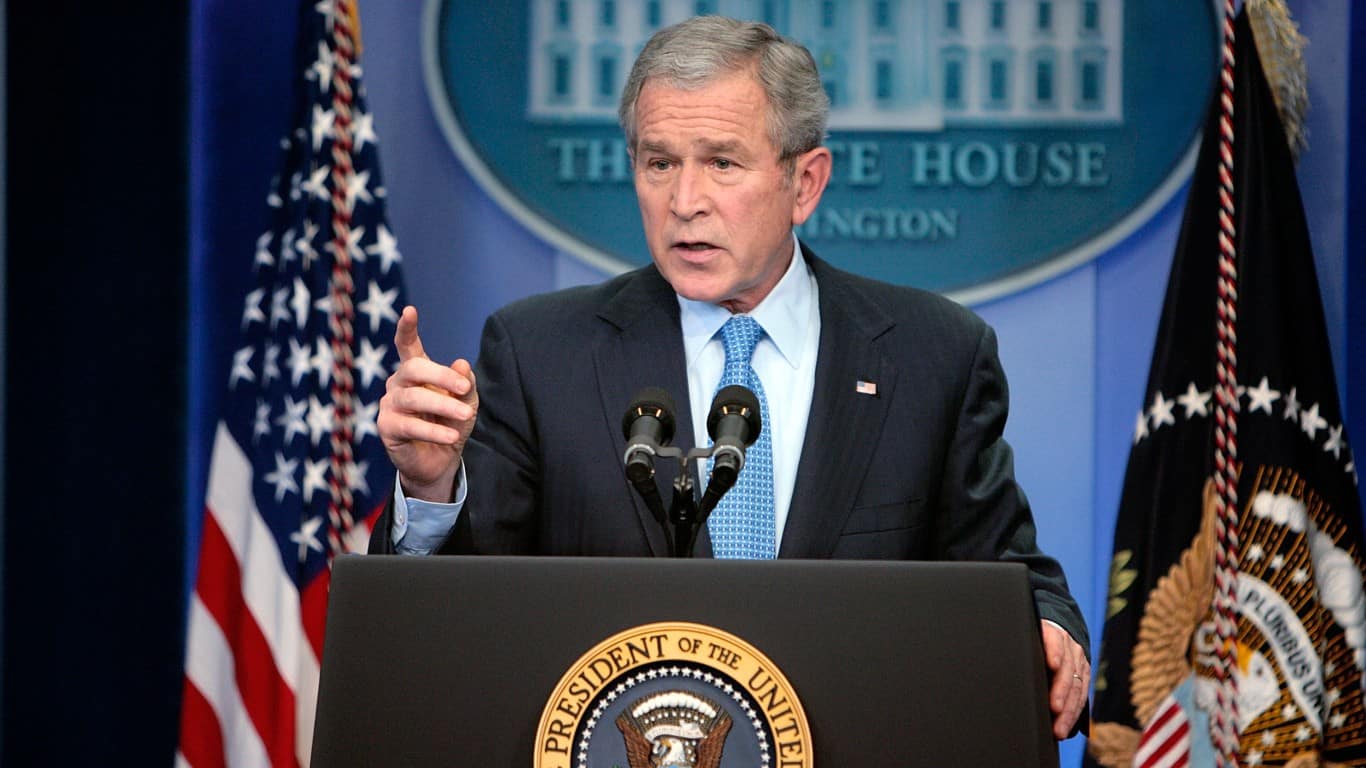
During the Cold War, the White House expanded with underground capabilities. The installation of a bomb shelter and the creation of the Presidential Emergency Operations Center upgraded the White House for modern times.
Contact [email protected] for any questions or corrections.
Kristin Hitchcock is a financial expert who has been writing on topics related to retirement for over eight years. Her knowledge spans a wide range of areas, including navigating the complexities of Social Security, developing sustainable investment strategies, and helping individuals achieve their retirement goals.
Throughout her career, she has written for various platforms, including several retirement communities, to ensure that seniors have access to clear and actionable financial advice.
Kristin is also an active investor with more than ten years of experience in a diverse range of investment strategies, including short-term trades, dividend stocks, and options. She enjoys simplifying complex trading concepts by writing easy-to-follow guides that help readers meet their investment goals.