History Shows Us How Much Vice Presidents Actually Matter, and Whether That’s Good or Bad for JD Vance
JD Vance has kept a rather low profile since the 2024 presidential election. As Vice-President-elect, he will be a heartbeat from the presidency. Should he ascend before the end of Trump’s second term, he will be the youngest president since…

JD Vance has kept a rather low profile since the 2024 presidential election. As Vice-President-elect, he will be a heartbeat from the presidency. Should he ascend before the end of Trump’s second term, he will be the youngest president since Theodore Roosevelt. This article will examine how the office of the Vice President of the United States evolved and what that means for JD Vance’s future.
Why This Matters
Contrary to expectations, the vice presidency is not a particularly effective springboard to the top job, especially electorally. Most vice presidents who ascended to the presidency have done so because of the incumbent’s death. The last president to die in office was John F. Kennedy in 1963. Resignation is another path, but it was only taken once, in 1974.
Given his advanced age and legal troubles, Donald Trump has a statistically higher-than-normal chance of not fulfilling his term. Vance may not currently be a central figure in the incoming administration, but that could change very quickly. Often a clear view of the future comes from a strong understanding of the past.
Early Vice Presidents
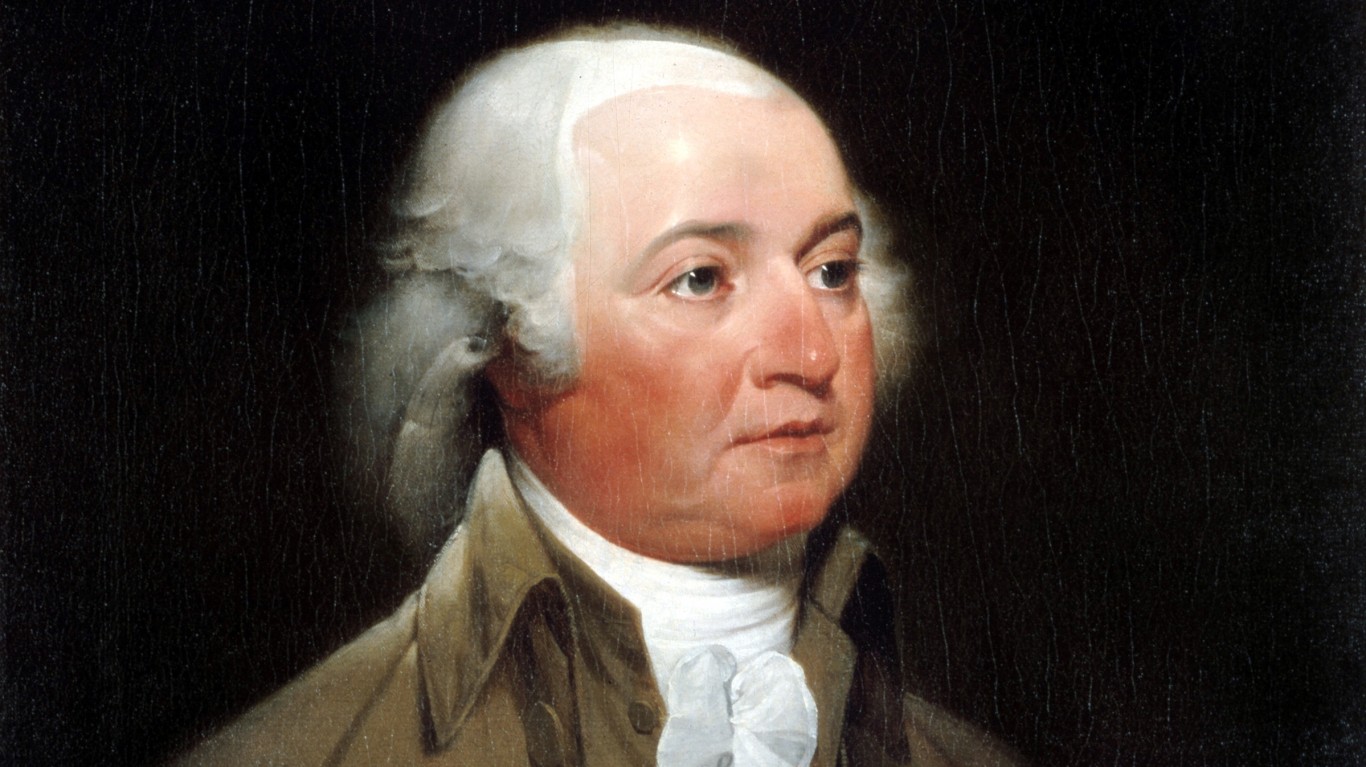
John Adams, the first Vice President of the United States, did not value the position that he saw as the “most insignificant office.” Adams narrowly won the first contested presidential election in 1796, with the runner-up, Thomas Jefferson becoming his reluctant vice president. The hostility between Adams and Jefferson led to electoral reform and the Twelfth Amendment’s ratification in 1804. Jefferson remains the only former vice president to complete two full terms as President of the United States.
Most early vice presidents did not take the job particularly seriously. They had few official duties and seldom had much say in the administrations they served in. Adlai Stevenson was a rare exception. He seemed to enjoy the role and enjoyed a solid reputation in Washington.
Some ambitious politicians saw the office as an insult. Levi P. Morton turned down the chance to serve as James A. Garfield’s running mate in 1880. Unbeknownst to Morton, that choice was ill-fated as Garfield was assassinated just a few months into his term. Morton did take the post a few years later under Benjamin Harrison for one term but was dumped from the 1892 ticket and looked over for the Republican nomination in 1896.
Succession Defined
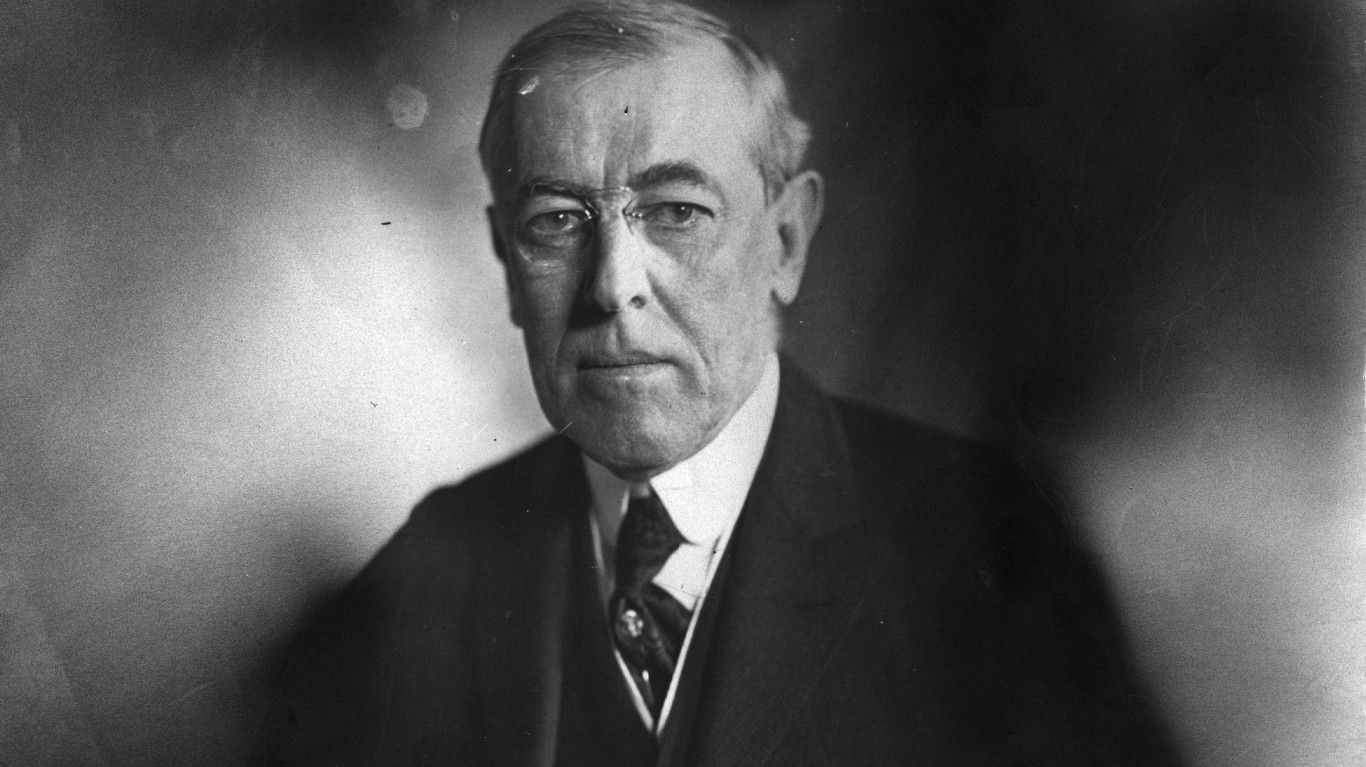
The most common way for a vice president to assume the top job remains the incumbent’s death. Death was a particularly acute occupational hazard in the White House from 1840 to 1945 when the Grim Reaper claimed seven presidents. In such cases, there was no ambiguity over succession, but there were other circumstances where the right course of action was decidedly murkier.
In 1919, Woodrow Wilson suffered a debilitating stroke caused by the stress of trying to shape the post-World War I world. While incapacitated, his wife Edith and his closest advisors kept things running. The true extent of Wilson’s health was hidden from the public, and his vice president, Thomas Marshall, did not press the issue of succession owing to a lack of constitutional guidance. The Twenty-Fifth Amendment finally clarified ascension in 1965.
Running Into Problems
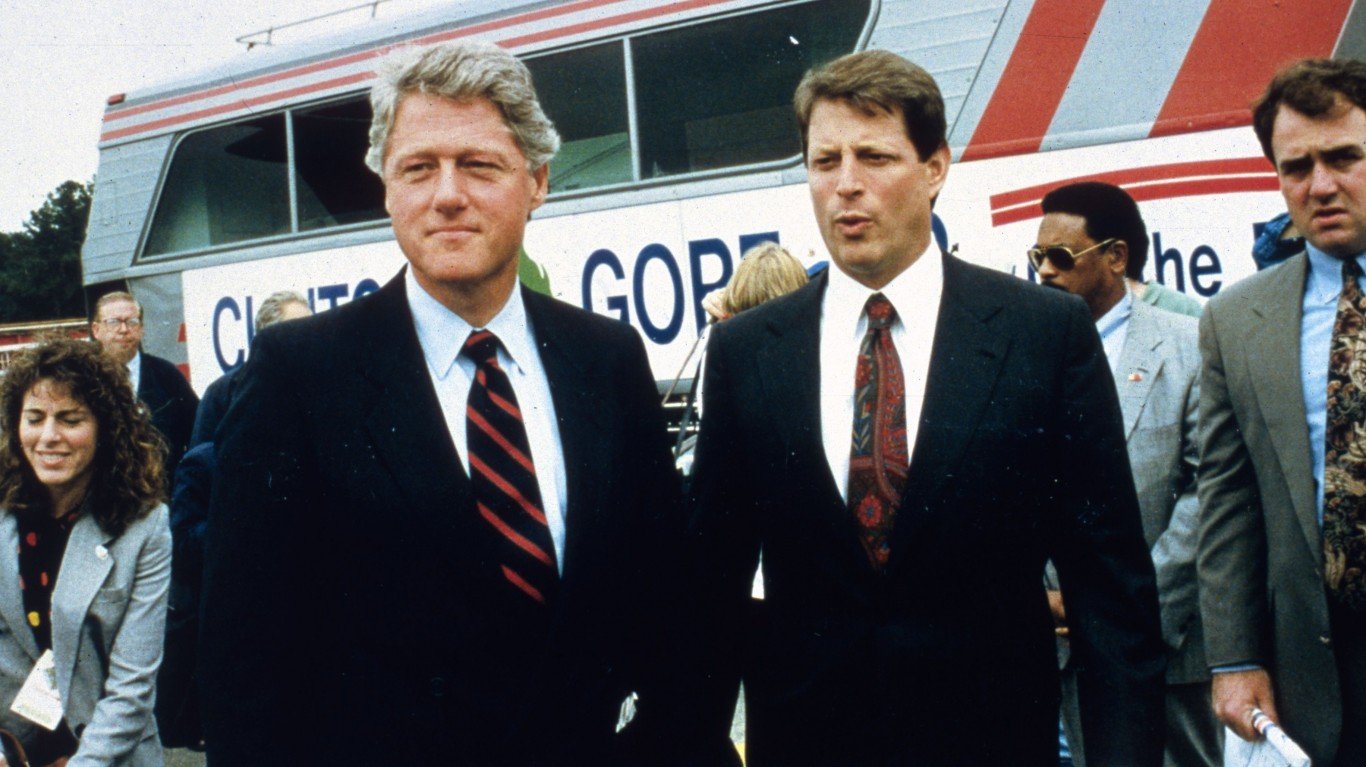
If a sitting president seeks a second term, there is no guarantee that his running mate will stay on the ticket. Several times an incumbent vice president has been dropped from a president’s re-election bid. Worse still, in the cases of Hannibal Hamlin (1864) and Henry Wallace (1944), the president perished soon after winning re-election.
Even if they do stay on the ticket, the vice president’s future aspirations are inexorably tied to the president they served under. Hubert Humphrey, Lyndon B. Johnson’s vice president, found the Vietnam War an impossible needle to thread. The anti-war voters despised the administration’s role in the conflict, while other voters were turned off by the protests at the convention. Al Gore had to contend with “Clinton fatigue” in his bid for the presidency in 2000. Most recently, Kamala Harris failed to adequately distance herself from the unpopularity of the Biden administration. Her campaign floundered as she struggled to convey an independent message that resonated with voters.
1945-2000: Evolving the Role
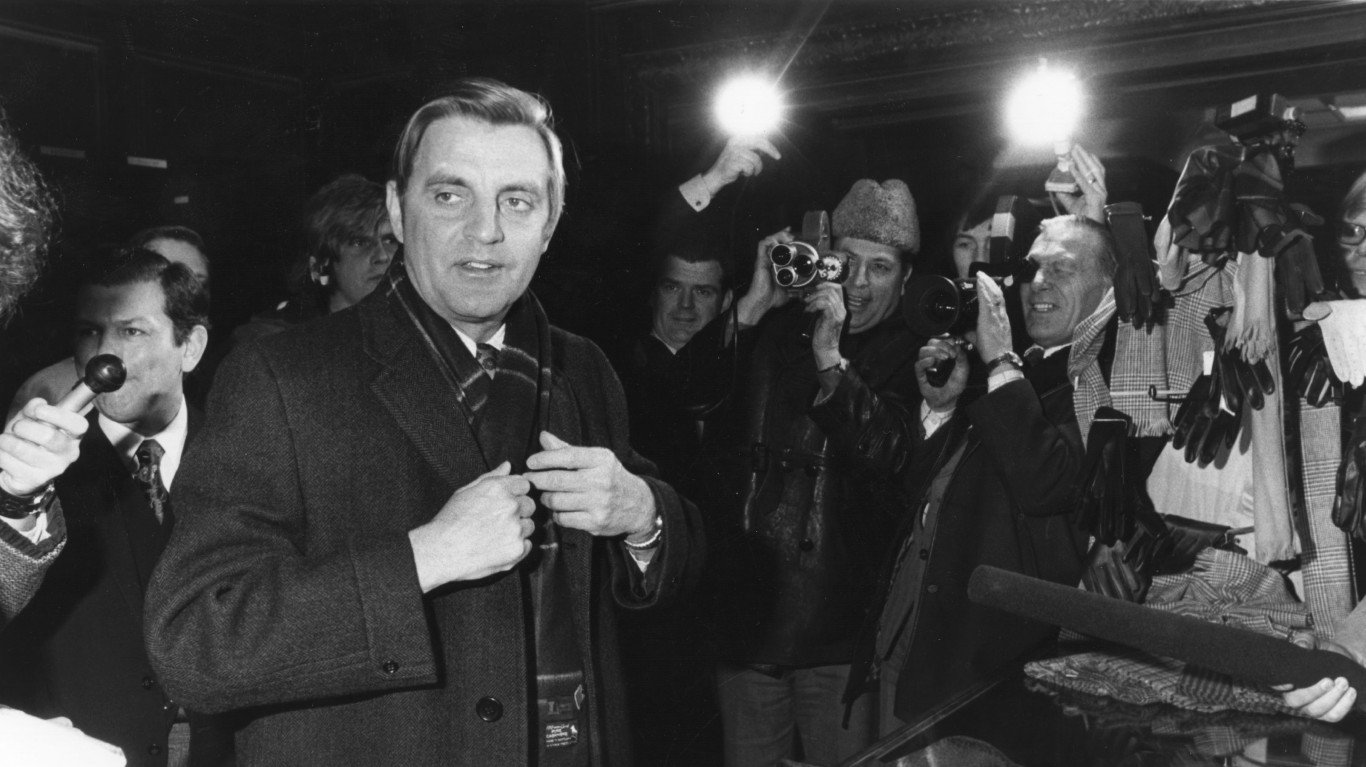
The role has evolved considerably over time. While the early vice presidents were largely excluded from the president’s inner circle, that began to change in the 20th century. The vice president became an advocate for the president with Congress and the public. Lyndon B. Johnson was notably adept at corralling support for John F. Kennedy’s legislative agenda. Johnson’s own vice president, Hubert Humphrey, was also effective in managing the upper chamber.
Arguably, Walter Mondale was the first truly modern vice president. Jimmy Carter’s second vice president was an active member of the administration. He had an office in the White House, traveled widely to promote Carter’s agenda, and met weekly with the president. Mondale’s successor, George H. W. Bush, built on those foundations and formed a strong working relationship with Ronald Reagan. Bush served Reagan loyally and took on several domestic responsibilities to support the president’s agenda. At the same time, he laid the foundations for his own bid for the presidency in 1988. His many trips abroad helped him form ties with world leaders. At the time, only three former vice presidents had become president through election.
Bill Clinton bucked conventional wisdom for choosing a running mate when he selected Al Gore in 1992. Traditionally, the vice president was supposed to balance the ticket. This could mean coming from a different part of the nation to bring in regional support or someone much younger or older. The former is to bring in youthful energy if the presidential candidate is older, and the latter is to provide experience to support a younger candidate. Clinton, a young Southerner, instead chose another young Southerner to form a dynamic ticket to defeat George H. W. Bush and end years of Republican dominance.
Vice Presidents Since 2000
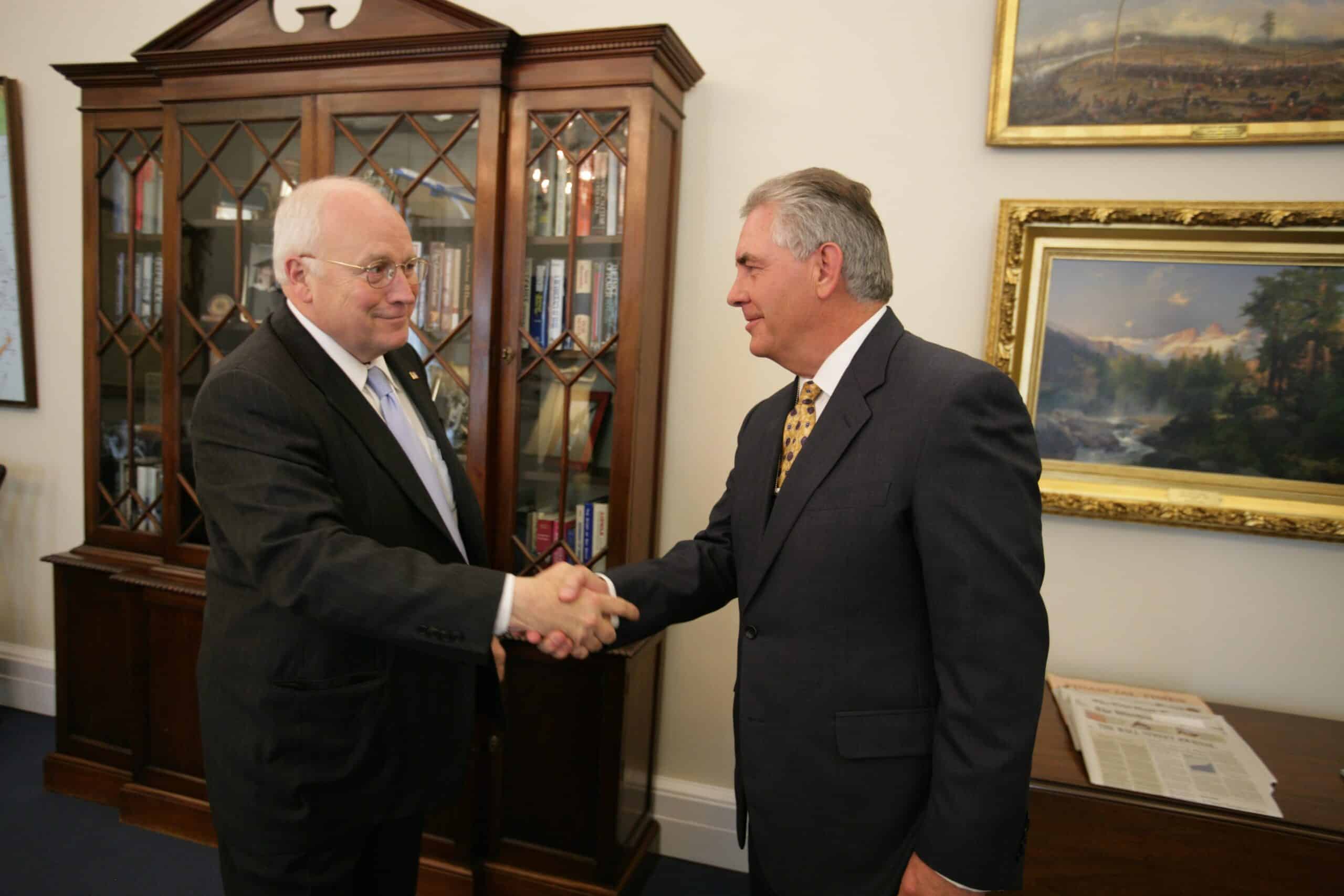
The most recent vice presidents have differed greatly. Dick Cheney is easily the most powerful vice president in American history, particularly in George W. Bush’s first term. He played an outsized role in shaping the president’s agenda. On the domestic front, he screened candidates for the cabinet and the Supreme Court while redefining national security and surveillance laws. He was a major proponent of pushing the boundaries of presidential authority with unitary executive theory. Cheney’s influence waned somewhat during Bush’s second term as the president grew in confidence in the role. His enduring legacy, for better or worse, is the role he played in making the case for invading Iraq.
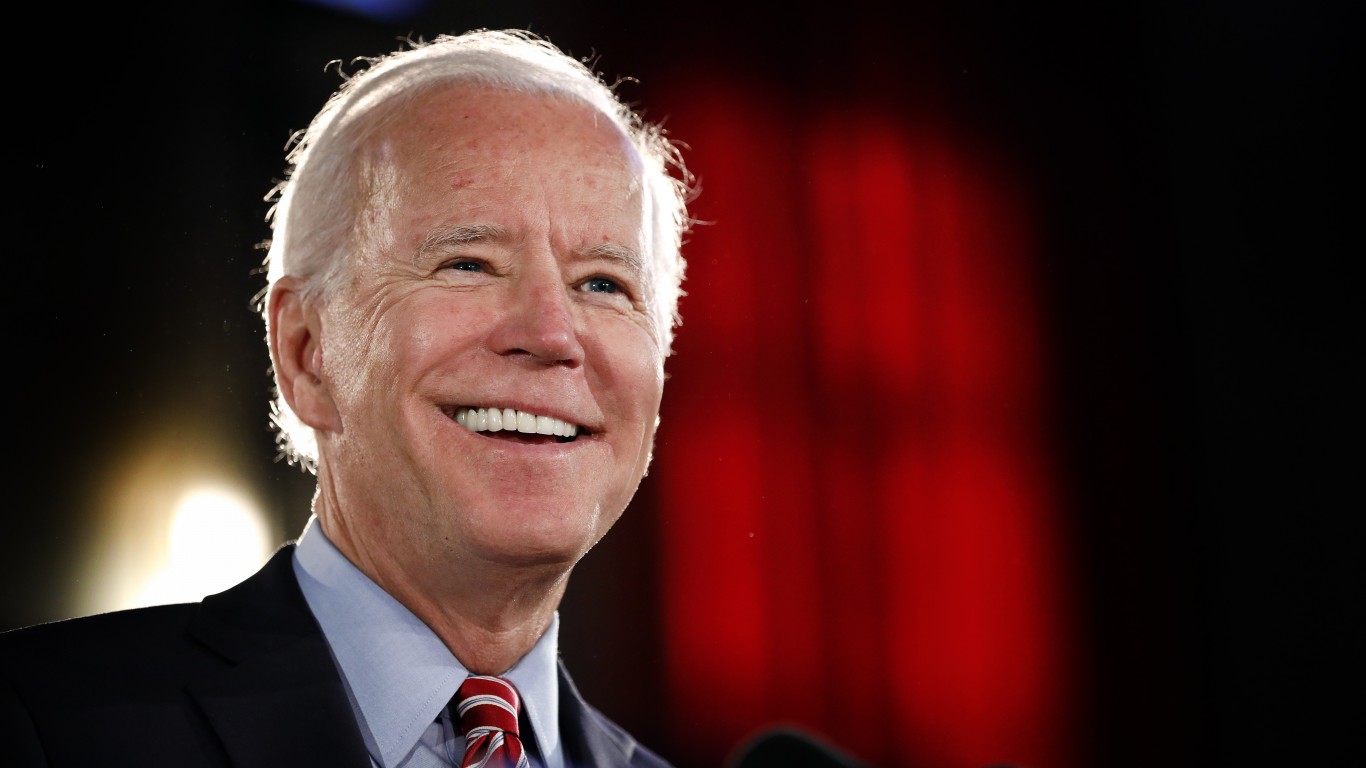
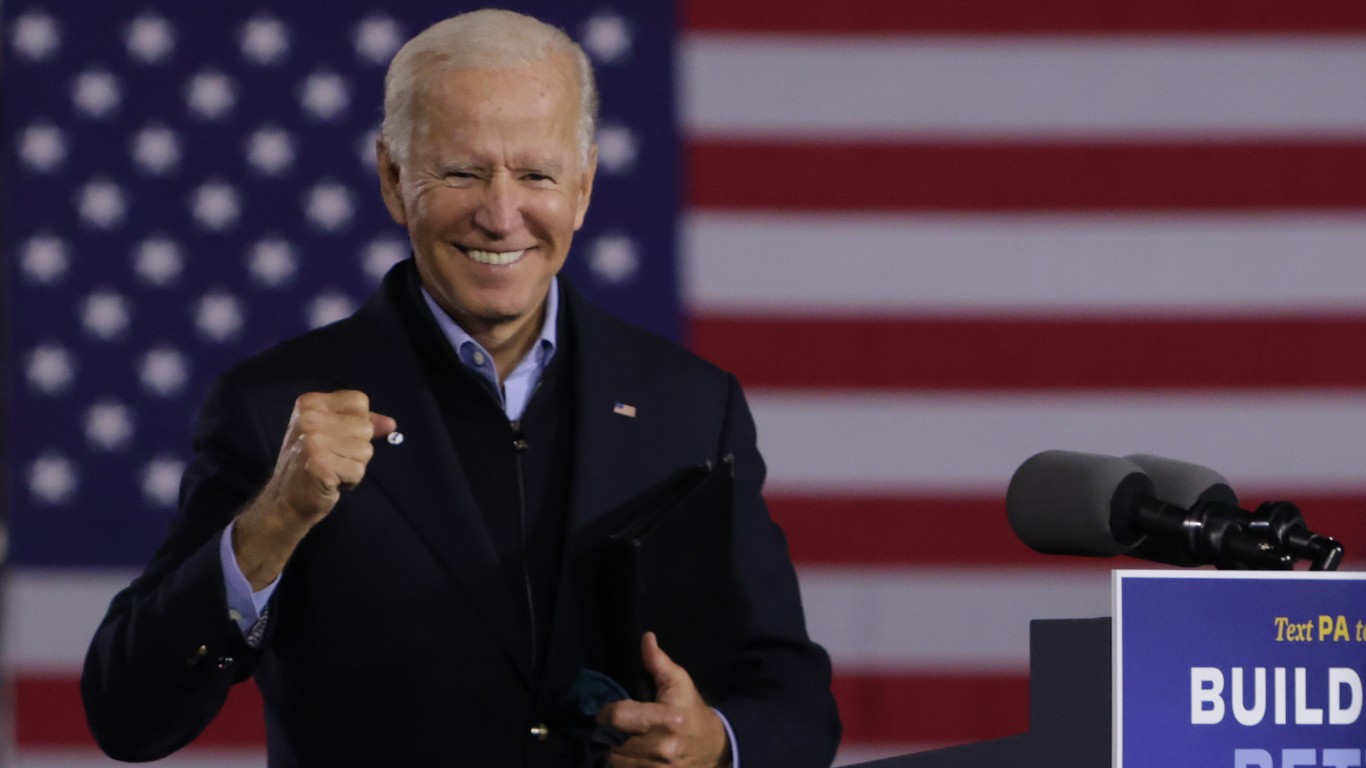
Joe Biden’s vice presidency took a different path. As a vastly experienced senator, he provided key support to the far less experienced Barack Obama in 2008. His inside knowledge of the upper chamber and foreign policy insights made him a key member of the administration. His responsibilities grew with Obama’s increased trust, and the two formed a close friendship.
Mike Pence was a more peripheral figure. He was brought in to shore up the evangelical vote and provide a moderating voice to contrast with Donald Trump’s bombast. He worked behind the scenes in staff positions and with Congress, but the most noteworthy aspect of his tenure was its dramatic end when he refused to overturn the result of the 2020 election.
As Vice President, Kamala Harris holds the record for the most tie-breaking votes cast in the Senate, a stark contrast to Joe Biden, who didn’t cast a single one. After Biden withdrew late from the 2024 election under pressure from his own party, Harris struggled to establish her own identity on the campaign trail.
JD Vance
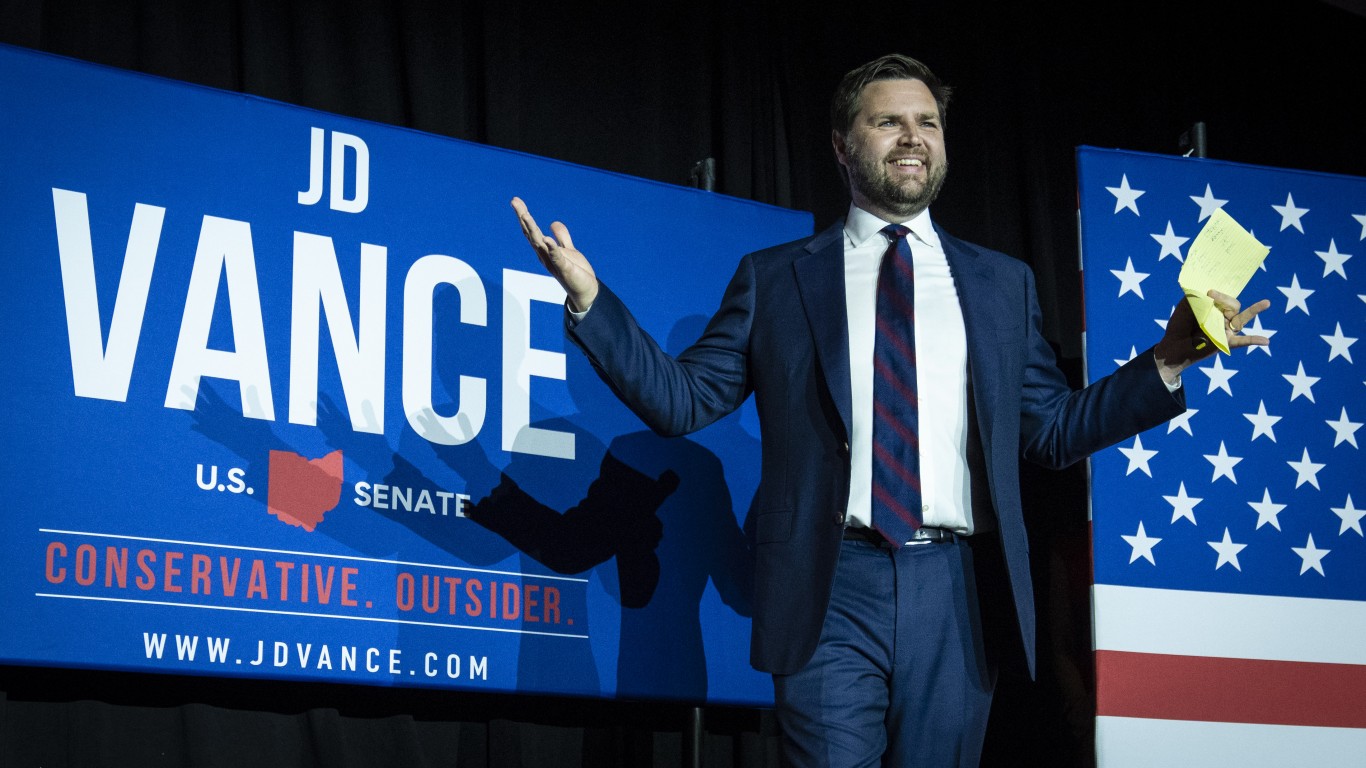
After the tumult of certifying the 2020 election, Mike Pence was persona non grata in Trump’s eyes. JD Vance was a surprise choice to replace Pence as his running mate for 2024. Vance has very little political experience, having only served as Senator for Ohio since 2023. His favorability polling numbers are low, with a net 3.5 disapproval rating as of December 2024, but that figure has steadily improved since his nomination was announced. At 40, he could become the youngest-ever President if Trump does not complete his term.
Because of his youth and lack of political experience, Vance will probably not be a Vice President in the vein of Dick Cheney or Joe Biden, but he may well grow into the role over time. He is something of a blank canvas; he doesn’t have a long political track record to garner clues about future intentions. As Senator, none of the 57 bills he sponsored have become law, though this is quite typical for junior senators. Given Trump’s advanced age and the ever-present threat of assassination, Vance stands a reasonable chance of assuming the presidency. However, if Trump fulfills his term, Vance will have a hard time winning electorally in 2028, as many former vice presidents have shown.
Conclusion
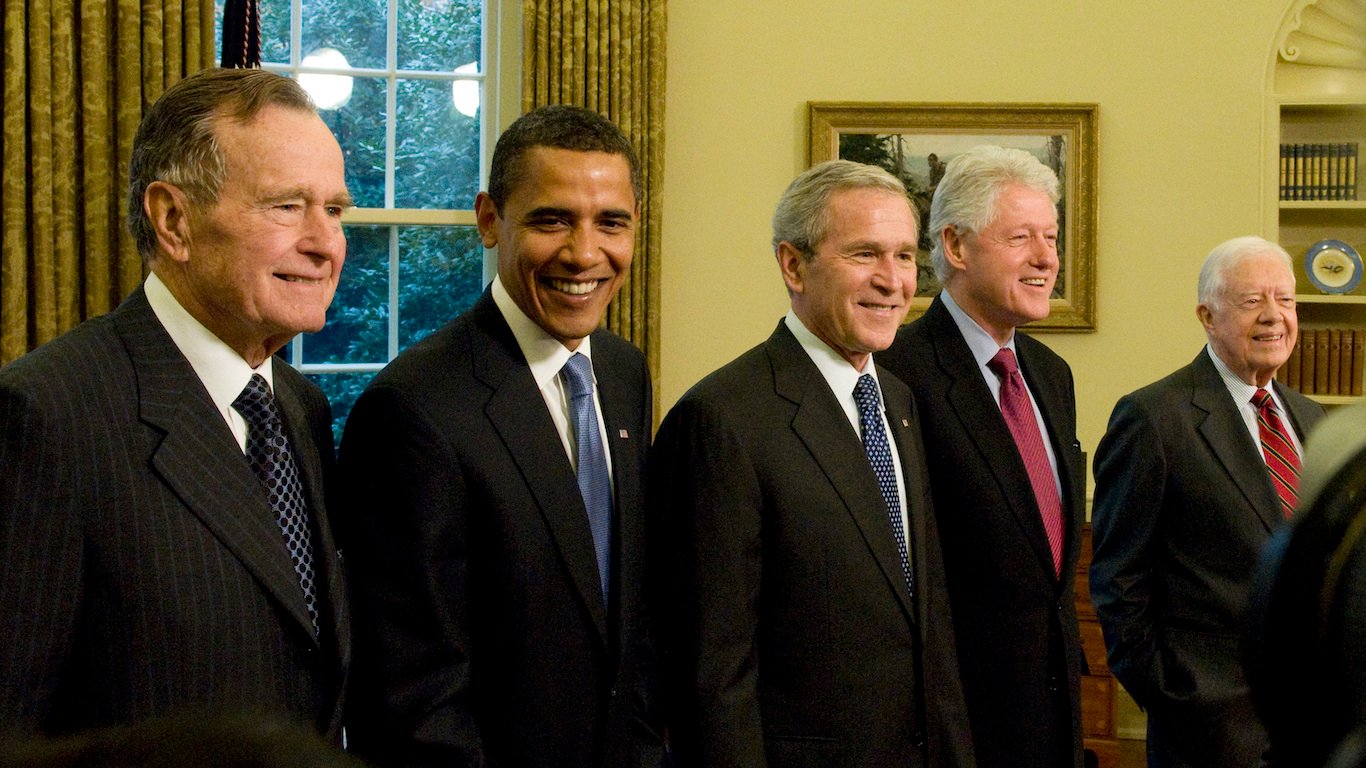
The Vice President of the United States has a highly visible but still quite poorly understood role in American politics. Over the years, the role has evolved considerably from total obscurity to a key part of the administration. Still, the president’s discretion remains the main deciding factor in determining how important or maligned a vice president is. The early vice presidents held little sway over the administrations they served in. Fate handed a handful the reigns of power, but most remained largely forgotten on the sidelines.
The role grew in importance in the postwar years as a supporting role for the president. Lyndon B. Johnson’s ability to bend the Senate to his will was a useful cudgel for John F. Kennedy. When Johnson took office, he was ably assisted by Hubert Humphrey. Walter Mondale laid the foundations for other vice presidents to follow as important members of the administration, and George H. W. Bush paved the way to the White House with two terms under Ronald Reagan. By the turn of the millennium, the office of Vice President had grown in prominence and served as a useful stepping stone to securing the nomination, though the general election has proved more of a crapshoot for ex-VPs.
JD Vance has not been prominent in Donald Trump’s transition plans so far, and it is probable that he will play a more background role in the incoming administration. Regardless, Vance will be tied to the achievements or failures of Trump’s second term. At 78, Trump is the oldest president-elect in American history, and while his family does have a history of longevity, it is statistically likely that age will take its toll before 2028. Should Trump see out his entire term, Vance will struggle to replicate his electoral success and face an uphill battle to secure the Republican nomination in 2028. Still, with the key advantages of name recognition and youth, he has plenty of time to build the support base needed to win the White House.
Contact [email protected] for any questions or corrections.
Michael is a seasoned editor, educator, and writer who has recently begun contributing articles to Flywheel Publishing. He covers many topics, specializing in defense, history, and politics.
A dual UK-US citizen, Michael earned a master’s degree in military history at the University of Wolverhampton. He was awarded the Postgraduate Prize for outstanding academic performance in 2019. He has lived and worked in multiple countries including the United Kingdom, South Korea, and Japan.
He has enjoyed a varied career in academia, editing, writing, and online publishing. He’s written hundreds of articles covering entertainment, history, politics, and sports. As well as 24/7 Wall Street, his work can be found at National Geographic, Ranker, and many others.
When he’s not making complex historical and geopolitical concepts accessible to a wide audience, he unwinds by working out, playing soccer, and conquering the world in grand strategy games.