State of Superior and Other American States That Could Have Been
24/7 Insights Throughout American history, many states have been proposed. One proposed state would have occupied much of the Western US. Multiple proposals to break up Texas have been discussed. Also: 2 Dividend Legends to Hold Forever While all of…


24/7 Insights
-
- Throughout American history, many states have been proposed.
- One proposed state would have occupied much of the Western US.
- Multiple proposals to break up Texas have been discussed.
- Also: 2 Dividend Legends to Hold Forever
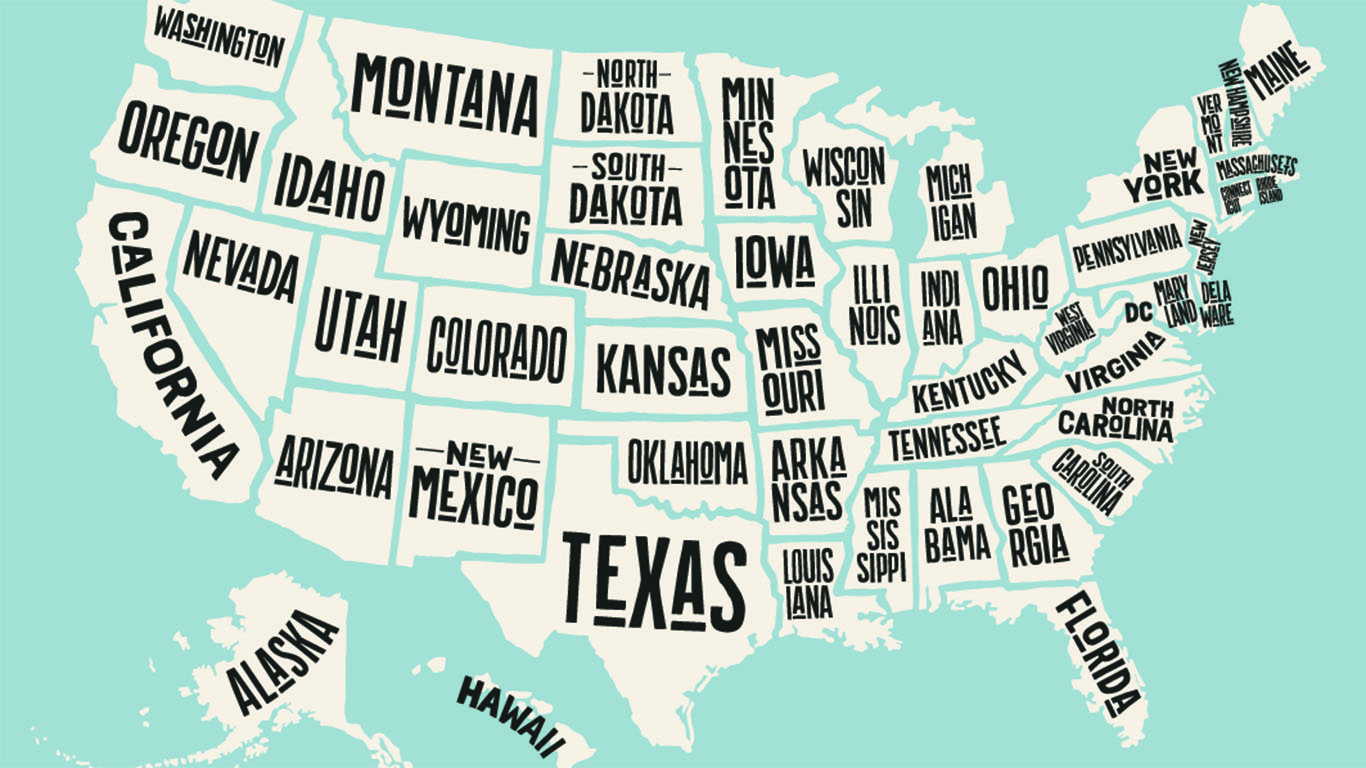
While all of us know that the United States has 50 states, you might be surprised to learn this number could have been far larger. Over the nation’s history, dozens of proposed states have failed to materialize. Had even some succeeded, the U.S. could have had more than 60 states. While a few plans gained traction or congressional attention, none ultimately passed.
This post was updated on October 14, 2025 to clarify the distinction between the Kansas/Colorado Jefferson and the California/Oregon Jefferson, as well as the Delmarva discussions.
12. Jefferson
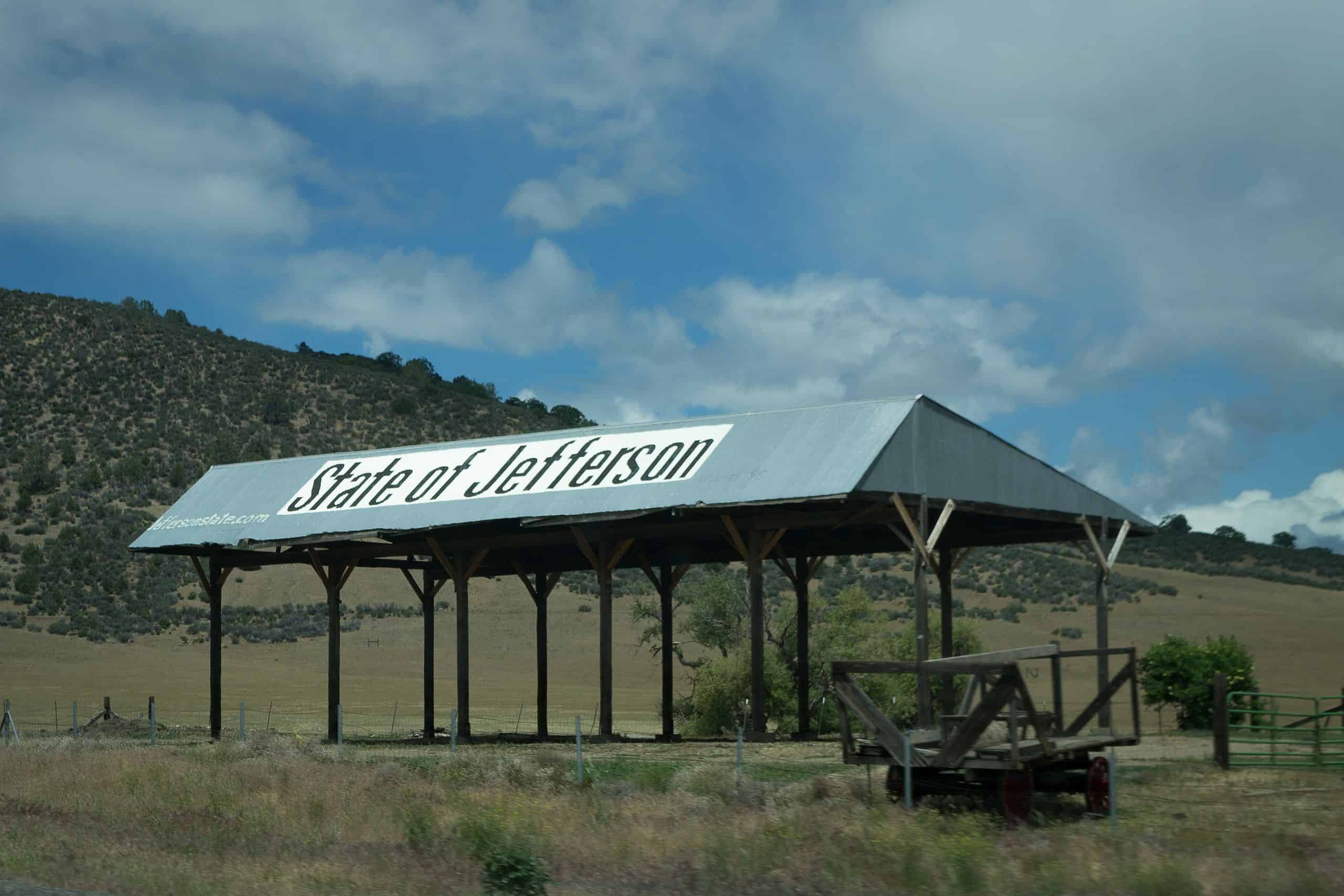
In 1859, a vote was held to create a state known as Jefferson from parts of western Kansas Territory and modern-day Colorado. It was a self-declared territory formed by miners before Congress created the Colorado Territory (1861). Despite an informal constitution and a provisional governor (Robert W. Steele), it was ultimately disbanded.
11. Superior
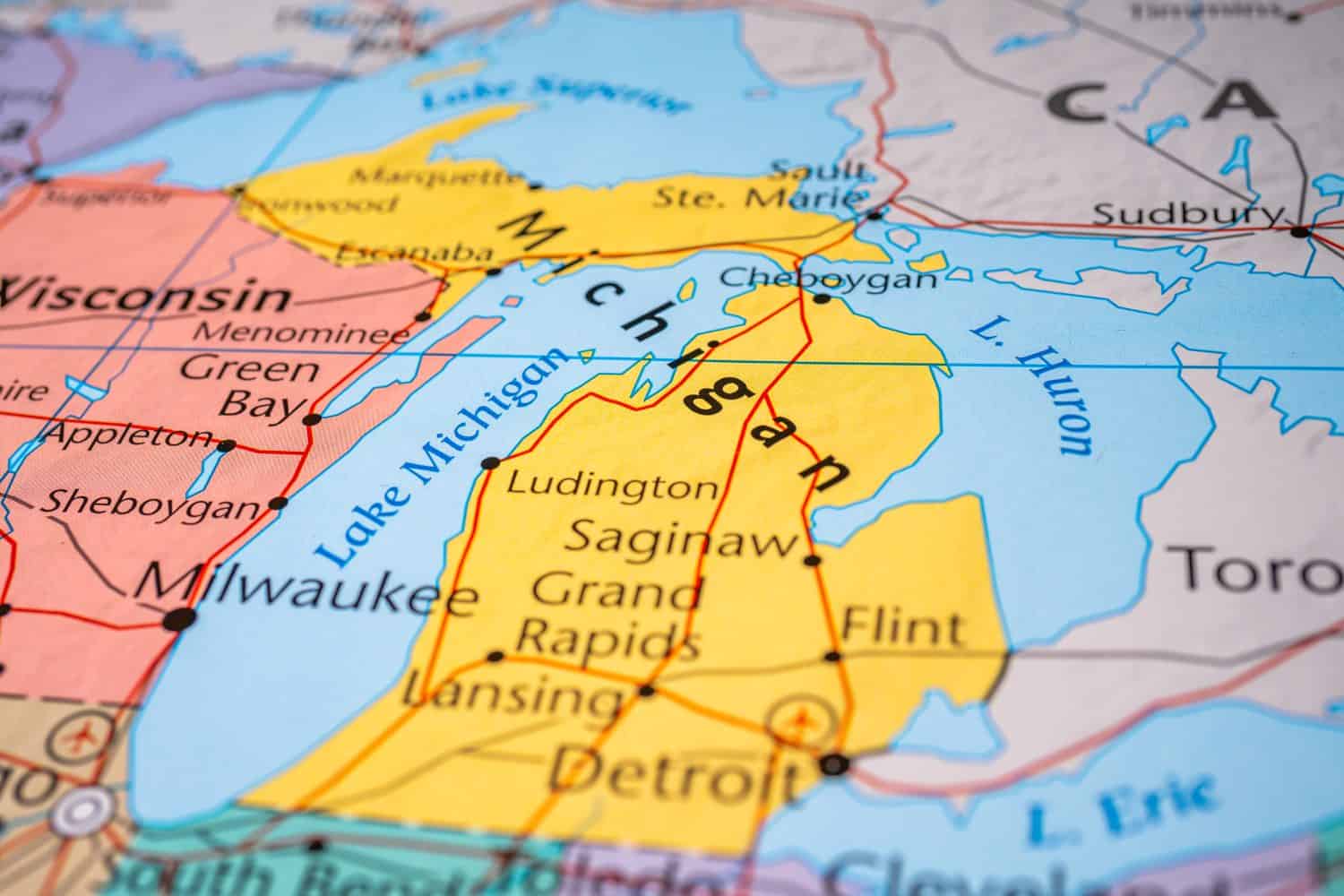
A one-time vote was held to create a separate state using the Upper Peninsula of Michigan and breaking off from the rest of the state. Multiple proposals surfaced, and other potential names included Sylvania and Ontonagon, though never came up for a formal vote.
10. Delmarva
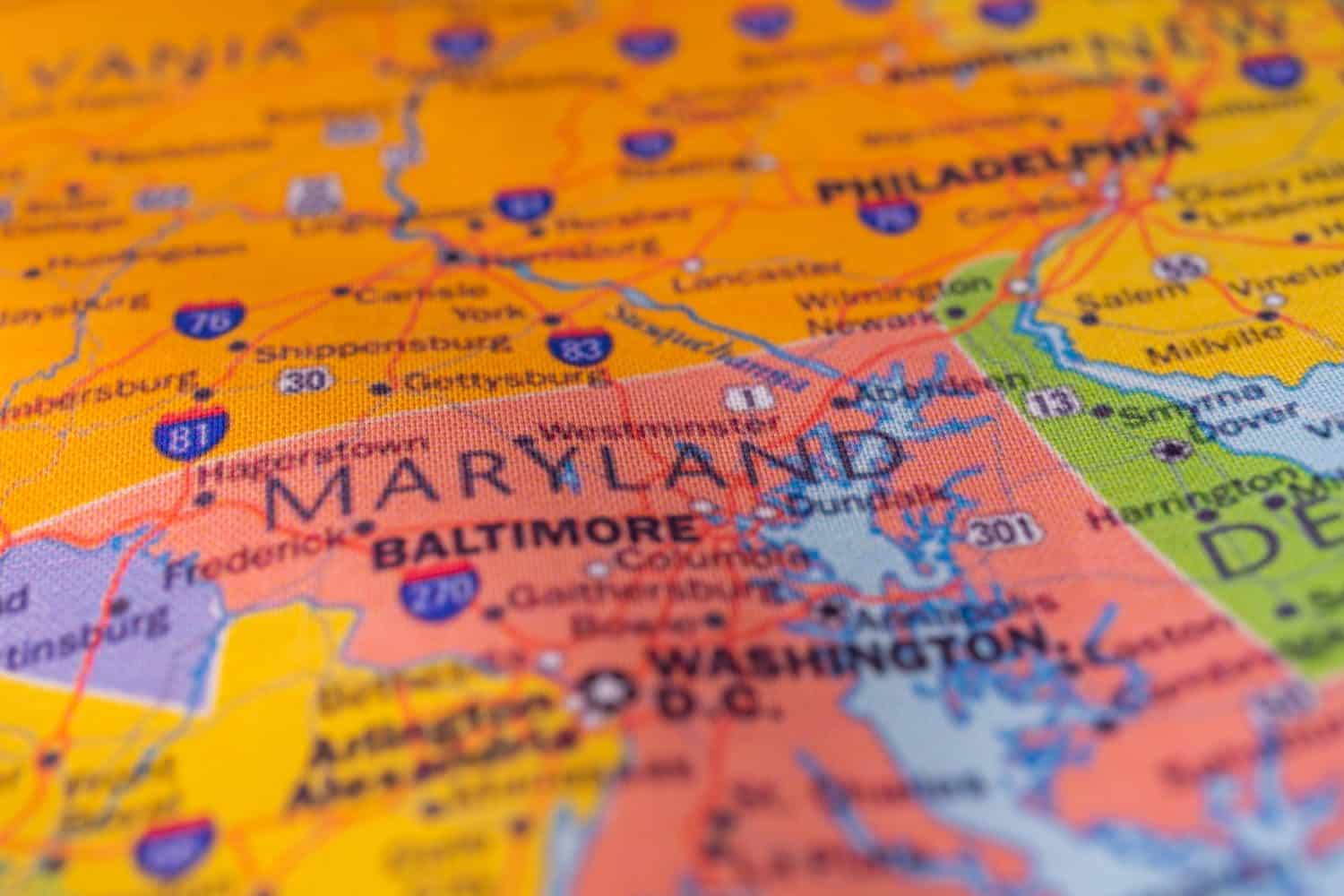
The idea of a “State of Delmarva” combining parts of Delaware, Maryland, and Virginia’s Eastern Shore has surfaced occasionally but has never been formally proposed to Congress. The idea involved Maryland and Virginia giving land to Delaware.
9. Absaroka

In 1939, parts of Wyoming, Montana, and South Dakota attempted to secede and create their part of the country known as Absaroka. Sadly, a vote never came before Congress to vote for statehood, but Absaroka license plates were also made, and a Governor was appointed.
8. Sequoyah

In 1905, Native Americans sought to create a part of the U.S. that included parts of eastern Oklahoma. The government had relocated the Cherokee tribe to this land, but ultimately, President Teddy Roosevelt blocked the idea politically and, instead, merged Sequoyah with Oklahoma statehood.
7. Lincoln

Multiple proposals to divide Texas into smaller states (sometimes called Lincoln, Jefferson, or Matagorda) surfaced after 1845, but none ever gained traction in Congress. One attempt proposed creating a state with the land south and west of the Colorado River. However, this never received a full vote and ultimately fizzled out.
6. South California
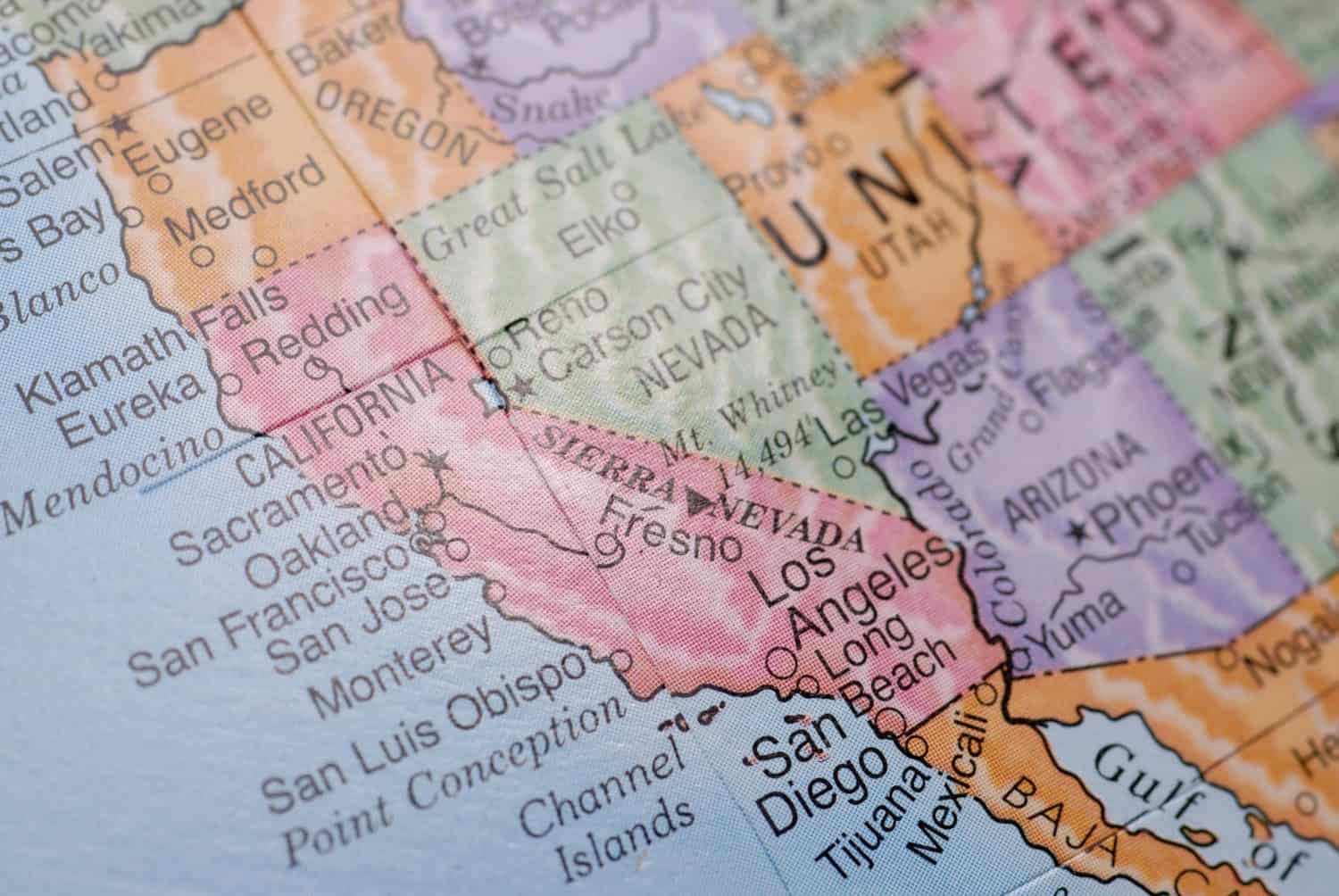
In 2011, a proposal for Riverside County proposed that South California break off and become its own state. The effort was declared to help boost the local economy, but the idea was met with lukewarm excitement, and the governor shot down the plan.
5. Deseret
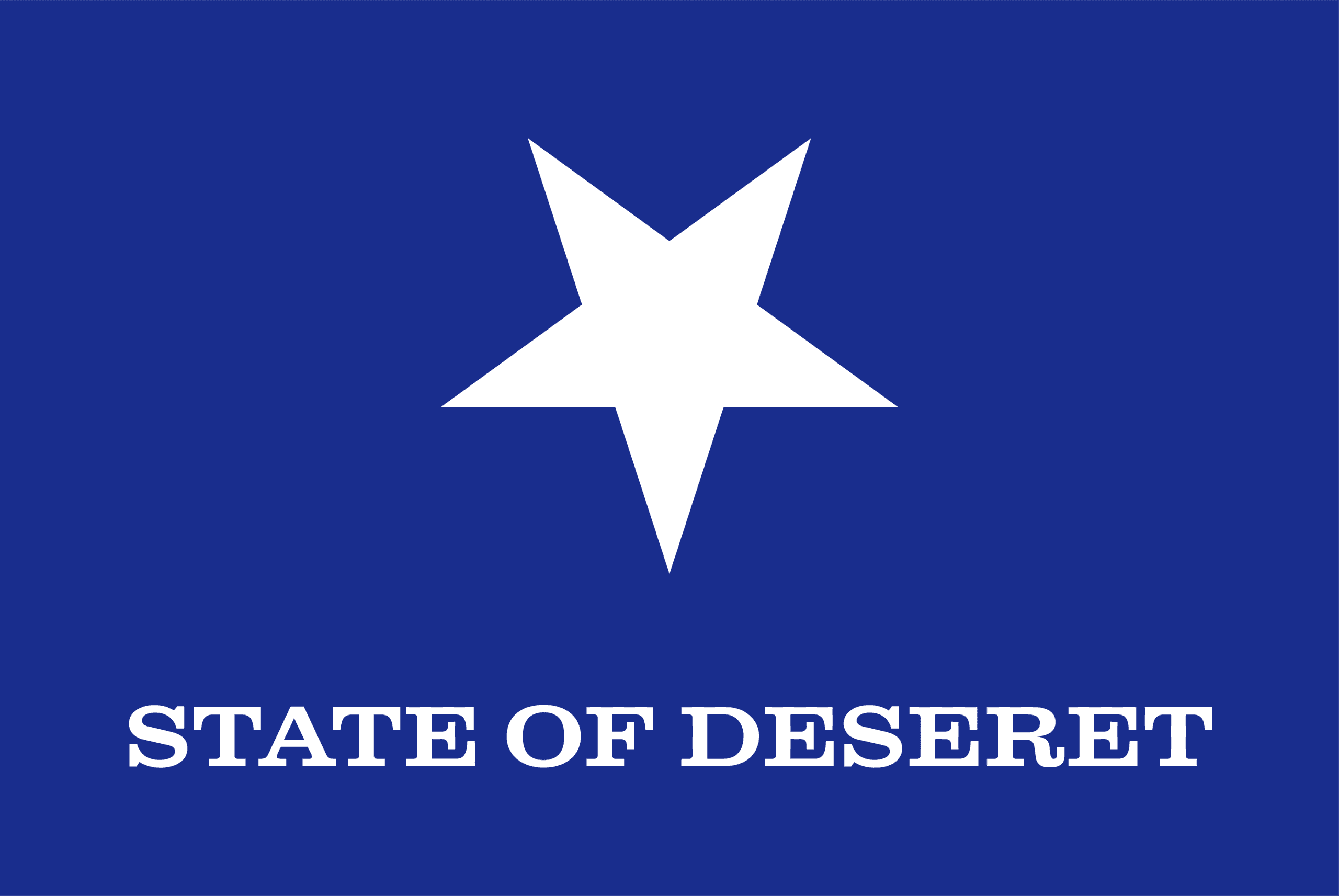
Proposed by the Church of Latter-Day Saints in 1849, Deseret would have been composed of Arizona, Utah, California, Idaho, Nevada, New Mexico, and Wyoming. The land would have included the Grand Canyon and Monument Valley, though the proposal died in 1850 when the Utah Territory was opened.
4. Westsylvania
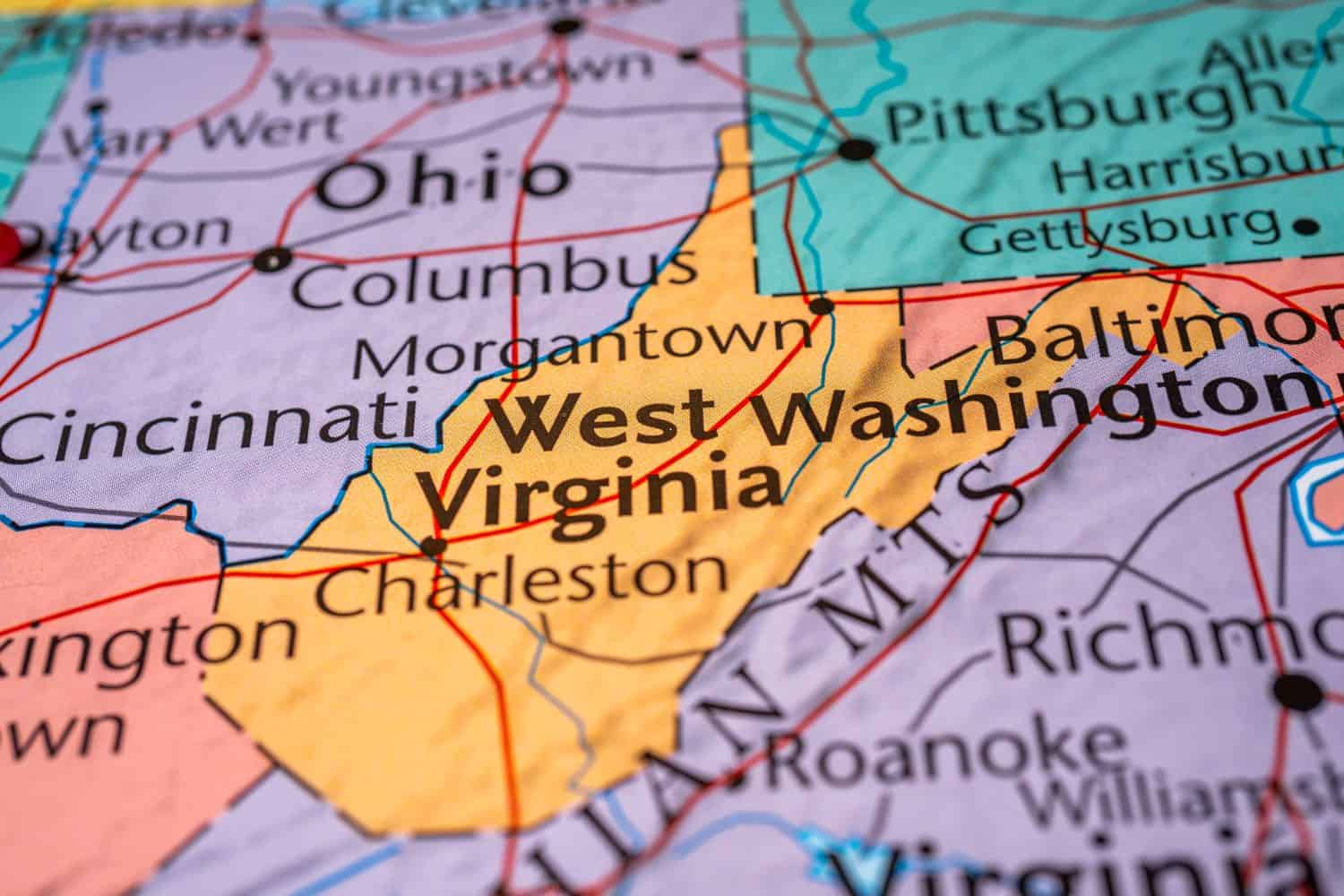
After declaring independence from England, parts of West Virginia and western Pennsylvania declared their own state, Westsylvania. Congress ignored the petition for statehood and voted to give the same territory to surrounding states.
3. Jefferson
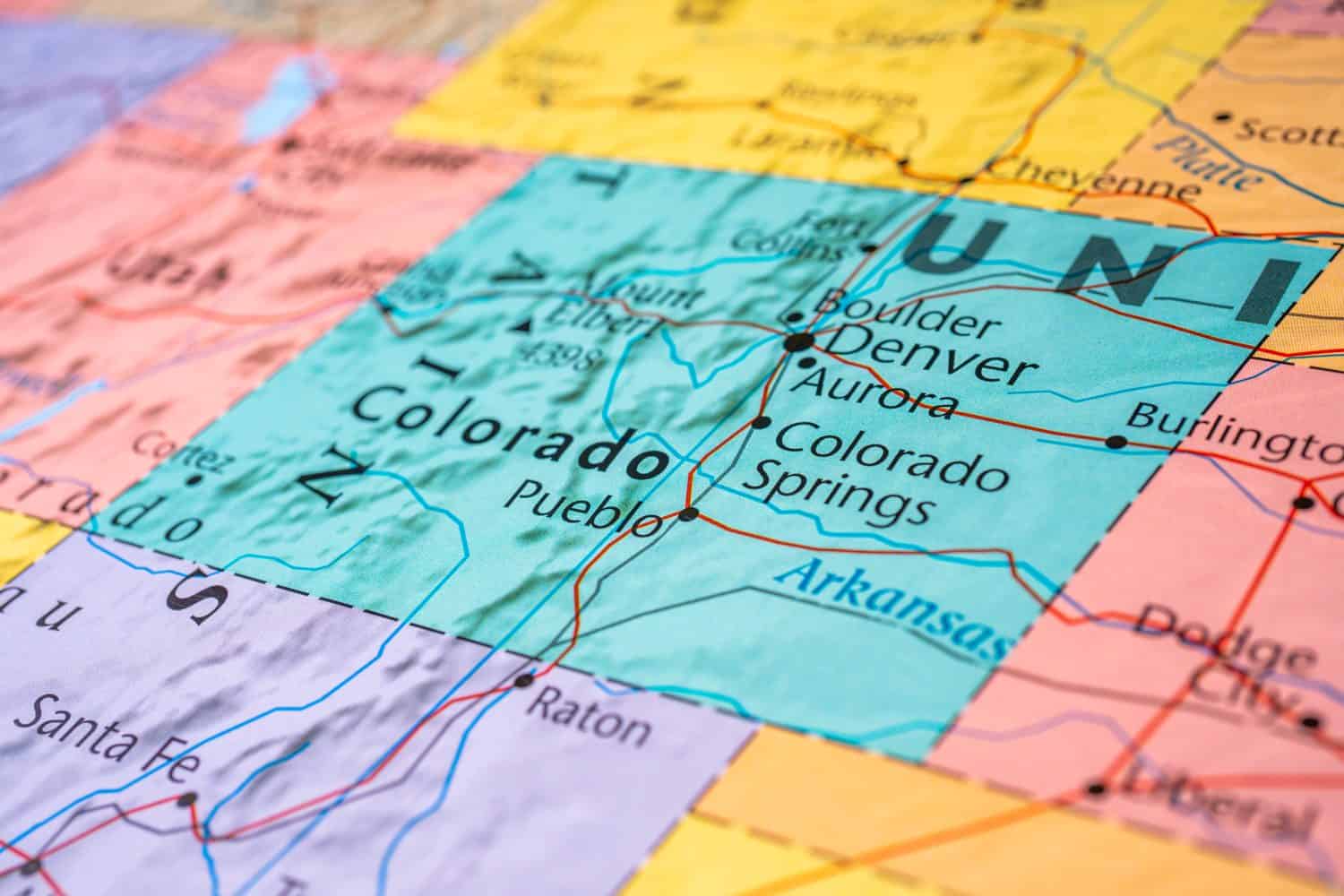
In late 1941, residents of northern California and southern Oregon declared a proposed “State of Jefferson.” Unfortunately, support to establish a new state failed across four different proposals and ultimately stopped coming up for a vote in the aftermath of the attack on Pearl Harbor.
2. Franklin
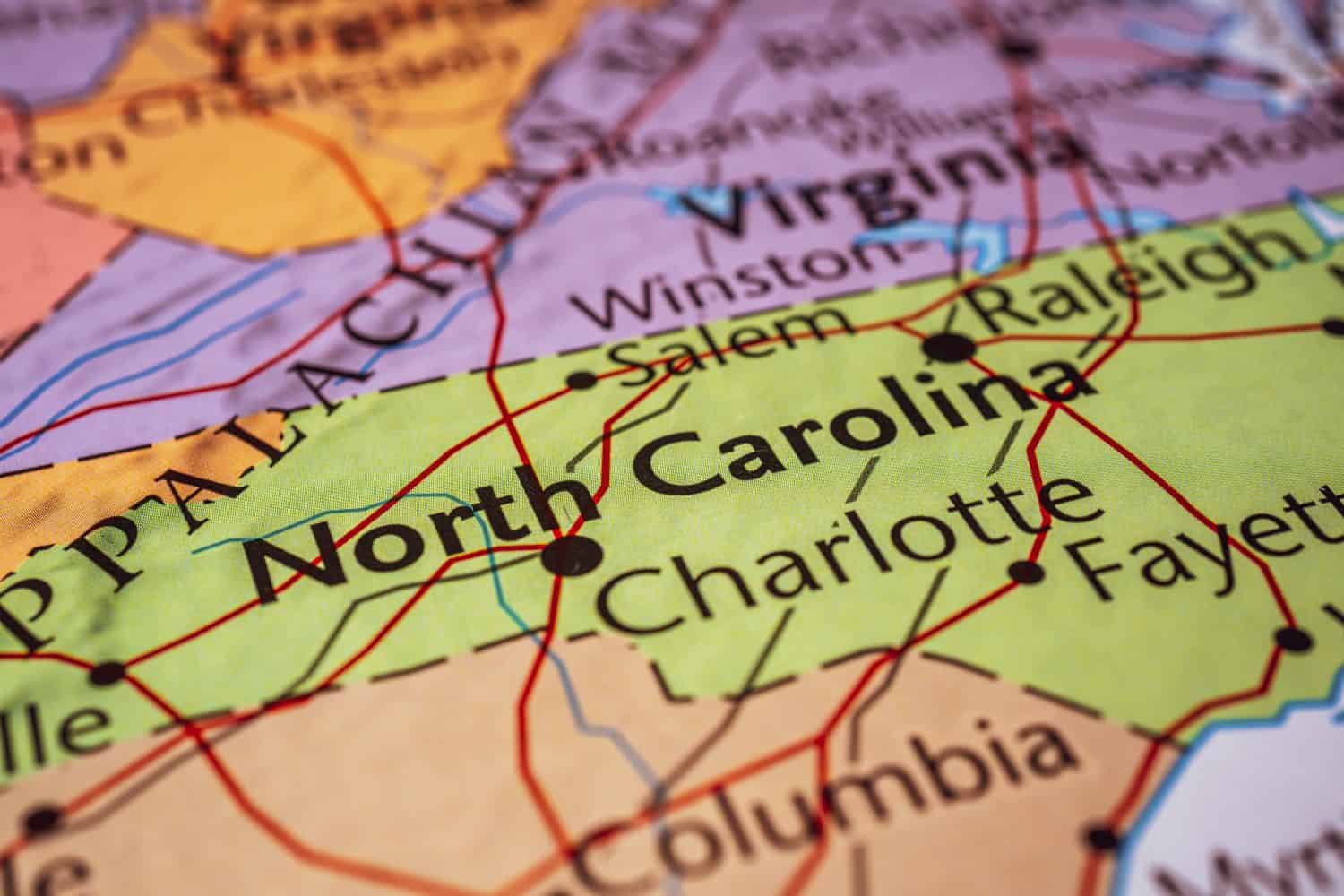
In the aftermath of the Revolutionary War, North Carolina sold some land in April 1784. Out of fear that the government would sell the land to France or Spain to pay off war debt, residents of this region declared themselves living in the Stake of Franklin, which lasted four years before rejoining North Carolina, and a clause was added to the Constitution.
1. Transylvania
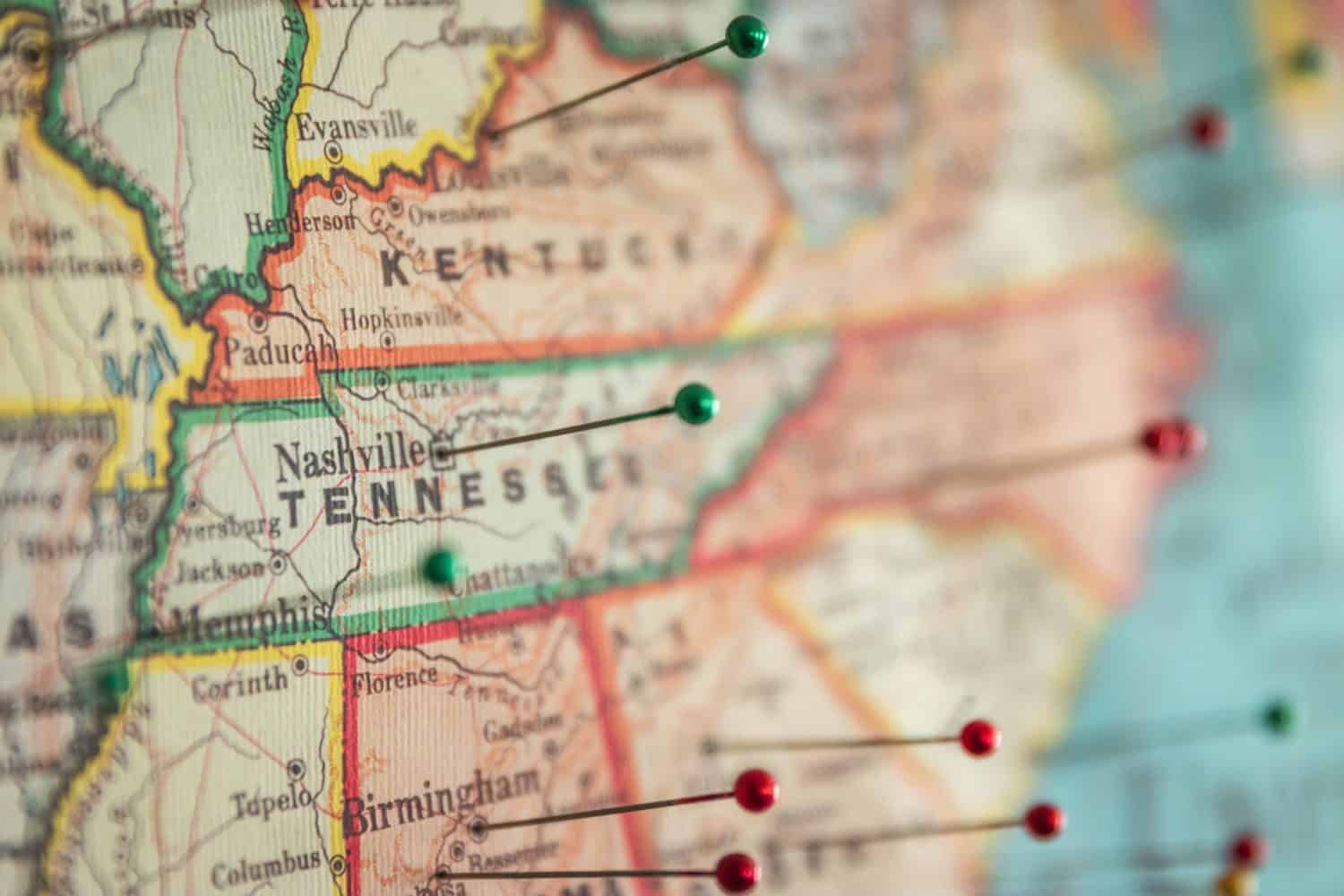
The best name for a potential American state, Transylvania, could have been another star on the flag. Transylvania was the unofficial 14th colony made up of modern-day western/southeastern Kentucky across northern Tennessee. Unfortunately, the plan to purchase it was illegal under British law before Virginia reclaimed the land.
Contact [email protected] for any questions or corrections.
David Beren has been a Flywheel Publishing contributor since 2022. Writing for 24/7 Wall St. since 2023, David loves to write about topics of all shapes and sizes. As a technology expert, David focuses heavily on consumer electronics brands, automobiles, and general technology. He has previously written for LifeWire, formerly About.com. As a part-time freelance writer, David’s “day job” has been working on and leading social media for multiple Fortune 100 brands. David loves the flexibility of this field and its ability to reach customers exactly where they like to spend their time. Additionally, David previously published his own blog, TmoNews.com, which reached 3 million readers in its first year. In addition to freelance and social media work, David loves to spend time with his family and children and relive the glory days of video game consoles by playing any retro game console he can get his hands on.