These Megacities Are the Largest Urban Areas on Earth
A megacity is any urban area with a population of over 10 million people. In the 1970s, only four such places existed on Earth: Tokyo, New York, Mexico City, and São Paolo. Today, 44 urban areas around the world have…


A megacity is any urban area with a population of over 10 million people. In the 1970s, only four such places existed on Earth: Tokyo, New York, Mexico City, and São Paolo. Today, 44 urban areas around the world have populations of 10 million or higher. Most megacities are located in India and China, while in the U.S., only two metropolitan areas have over 10 million inhabitants: Los Angeles and New York City.
To identify the world’s top 10 megacities, 24/7 Wall St. used data from the most recent edition of the World Urban Areas report from Demographia. Cities on the list are ranked based on their population. All data is from this report, except for gross domestic product, which came from CEOWorldBiz. The matter of boundaries is particularly important to calculating GDP, and while some lists may rank New York as the largest economy among world cities, this list ranks Tokyo as the largest by population.
China and India are home to the most megacities today, but Africa is growing quickly as well with their above average birth rates and young populations.
This post was updated on July 11th to incorporate more recent context about regional growth.
Why We Are Mentioning This
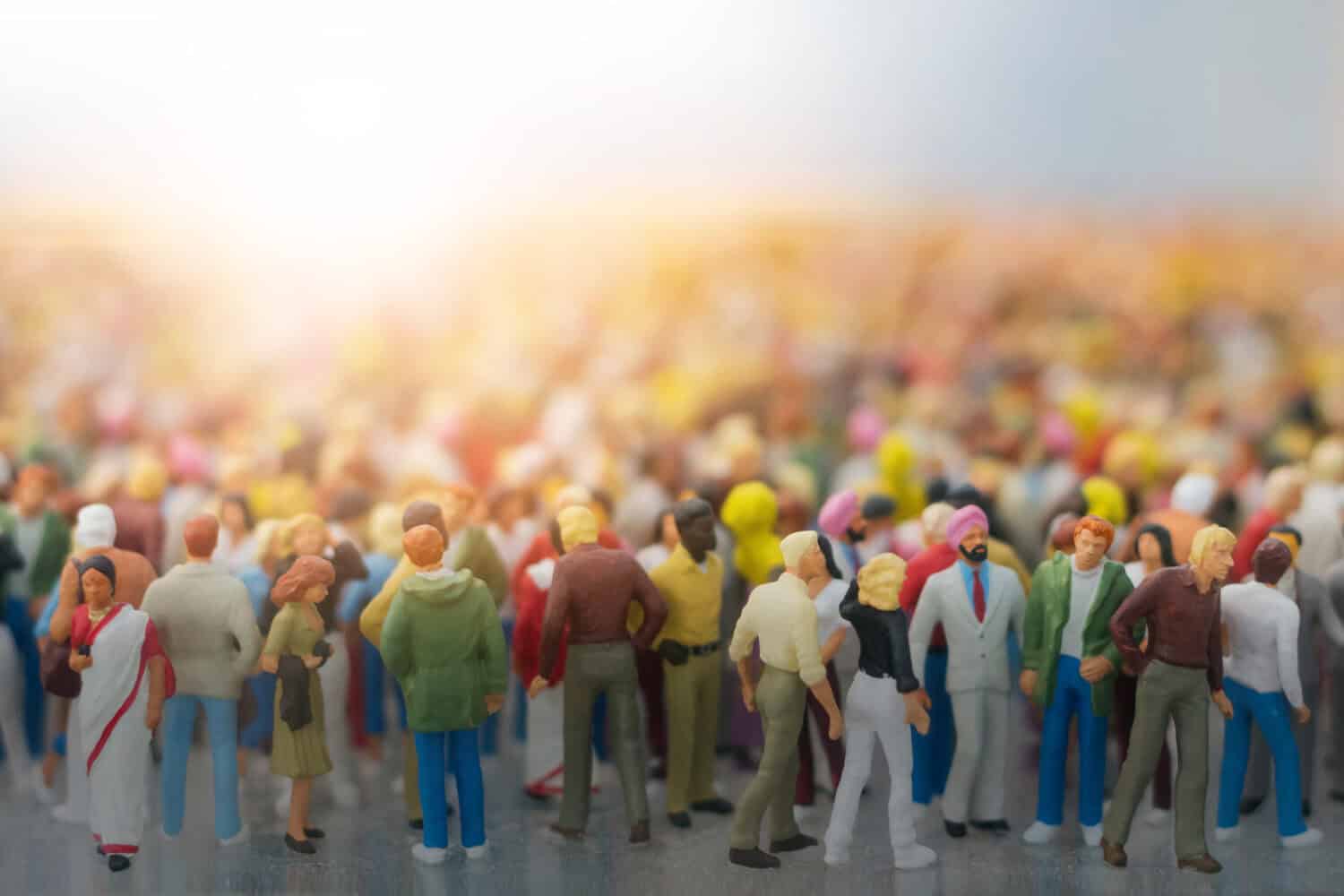
In 1950, the world was home to just under three billion people. By 1990, it had surpassed five billion. Today, the total population on earth exceeds 8.2 billion, and India recently passed China to become the most populous nation on earth. As populations grow, economics, infrastructure, food systems, and more are pushed to their limits and must adapt to support growing needs. Electricity consumption scales as people move to cities, and the growth in artificial intelligence puts even more strain on these systems.
10. Mexico City, Mexico
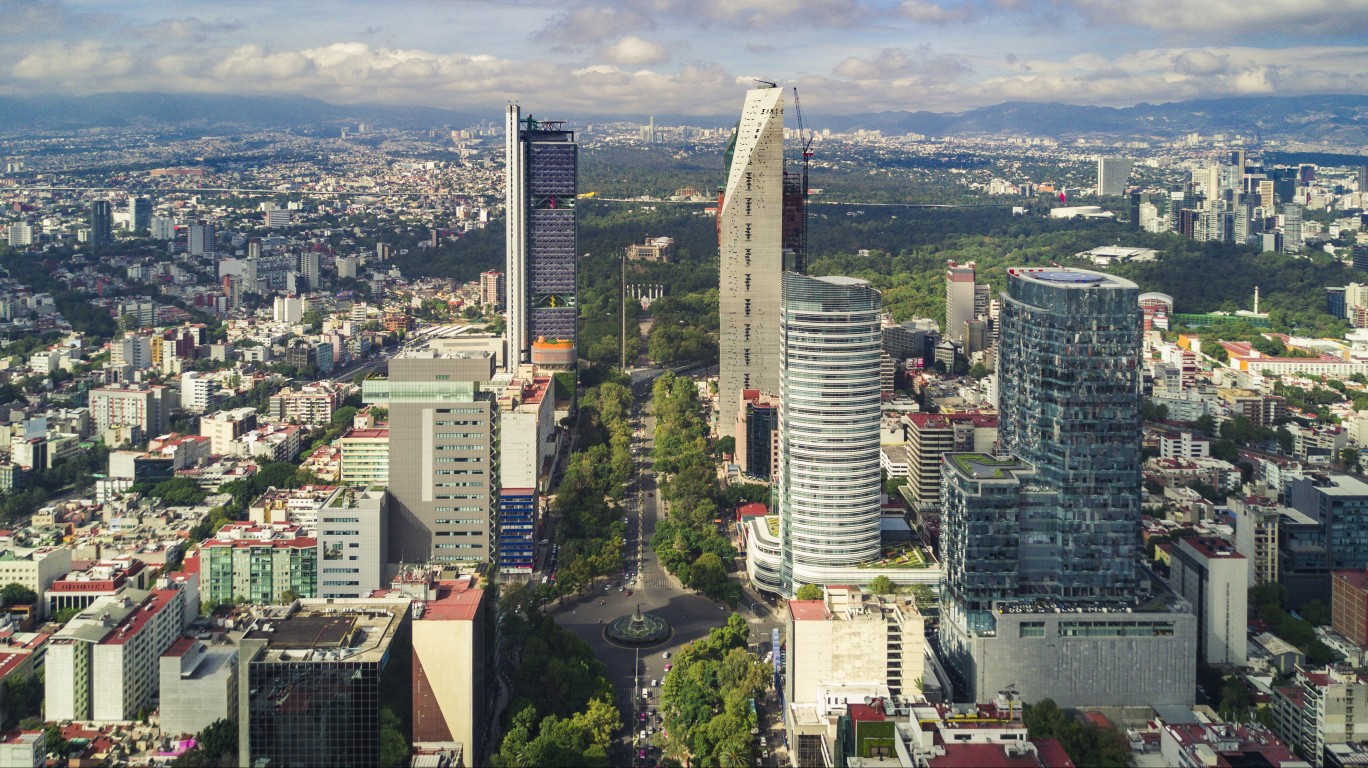
- Estimated population, 2023: 21,905,000
- Built up urban area, 2023: 977 square miles (or 2,530 square km) — #39 largest of 986 urban areas
- Population density: 22,421 people per square mile — #211 densest of 986 urban areas
- Est. GDP, 2023: $250.45 billion — #47 largest metro economy
- World Bank geographical region: Latin America and Caribbean
- Country class (World Bank): Upper middle income
9. Cairo, Egypt
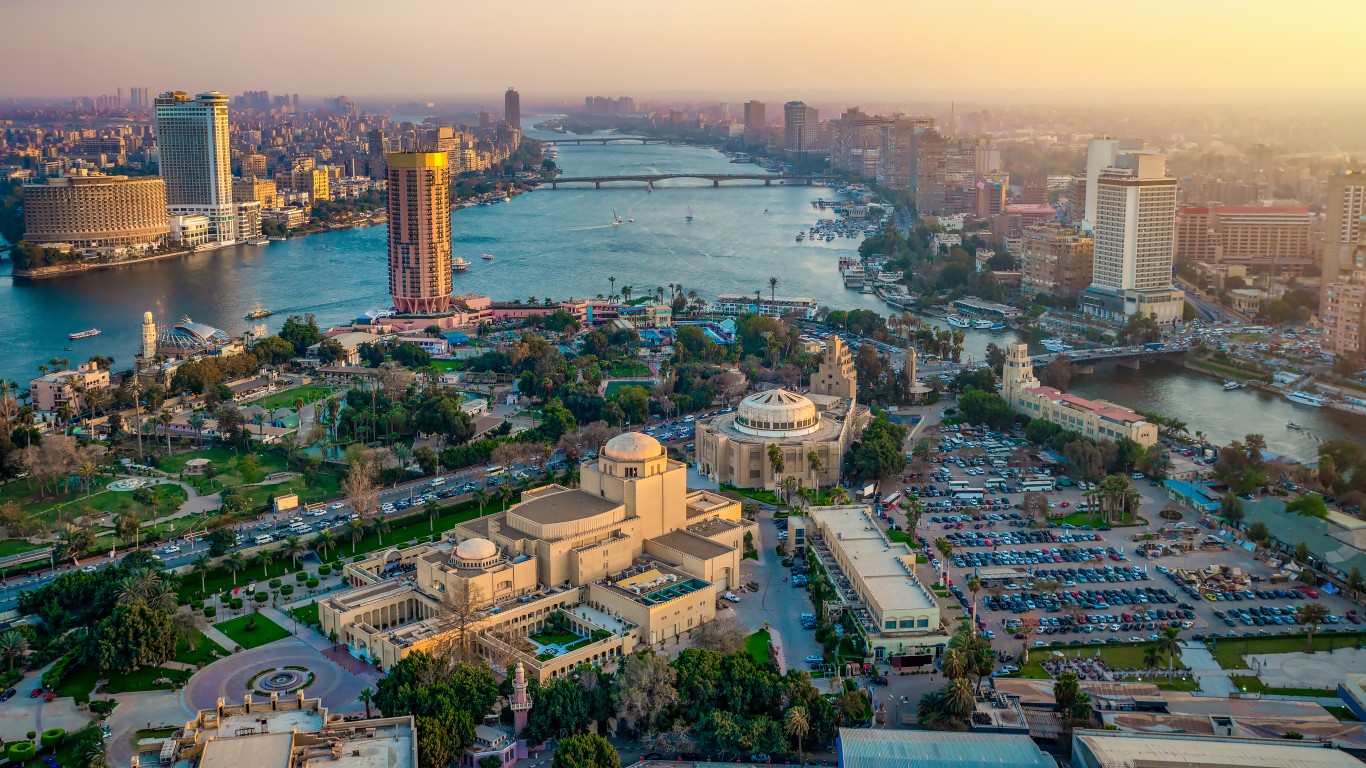
- Estimated population, 2023: 22,679,000
- Built up urban area, 2023: 1,041 square miles (or 2,696 square km) — #35 largest of 986 urban areas
- Population density: 21,786 people per square mile — #221 densest of 986 urban areas
- Est. GDP, 2023: $102.00 billion — #130 largest metro economy
- World Bank geographical region: Middle East and North Africa
- Country class (World Bank): Lower middle income
8. Seoul-Incheon, South Korea
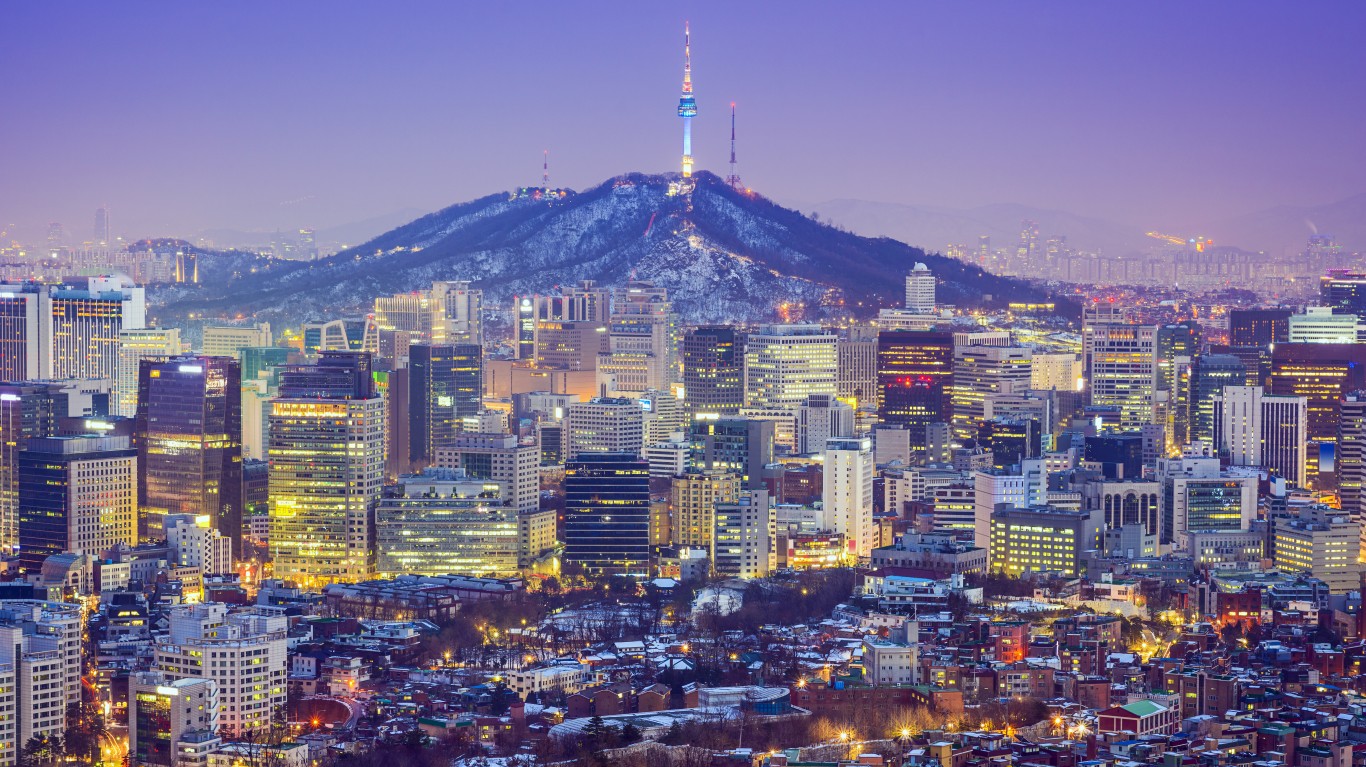
- Estimated population, 2023: 23,225,000
- Built up urban area, 2023: 1,069 square miles (or 2,769 square km) — #34 largest of 986 urban areas
- Population density: 21,726 people per square mile — #223 densest of 986 urban areas
- Est. GDP, 2023: $926.79 billion — #5 largest metro economy
- World Bank geographical region: East Asia and Pacific
- Country class (World Bank): High income
7. Shanghai, SHG-JS-ZJ, China
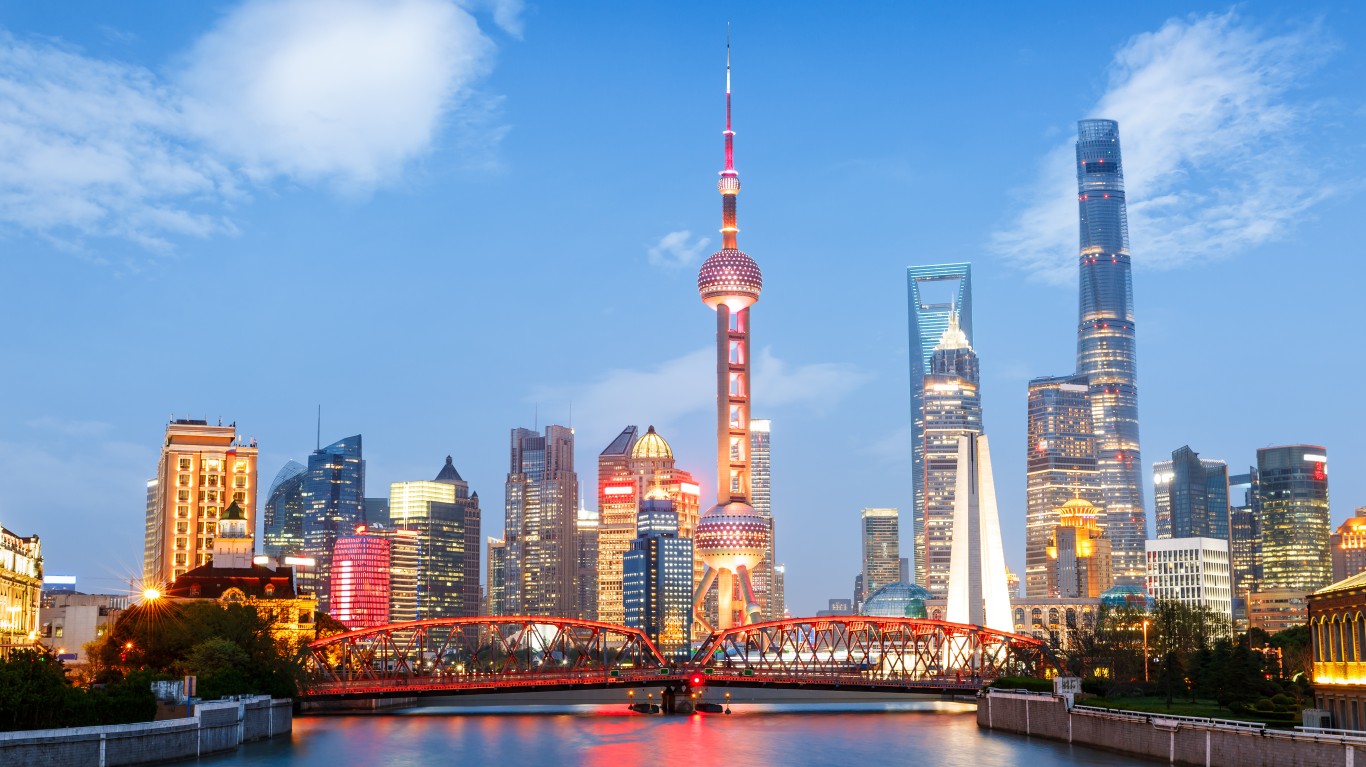
- Estimated population, 2023: 24,042,000
- Built up urban area, 2023: 1,673 square miles (or 4,333 square km) — #13 largest of 986 urban areas
- Population density: 14,371 people per square mile — #401 densest of 986 urban areas
- Est. GDP, 2023: $663.87 billion — #10 largest metro economy
- World Bank geographical region: East Asia and Pacific
- Country class (World Bank): Upper middle income
6. Manila, Philippines
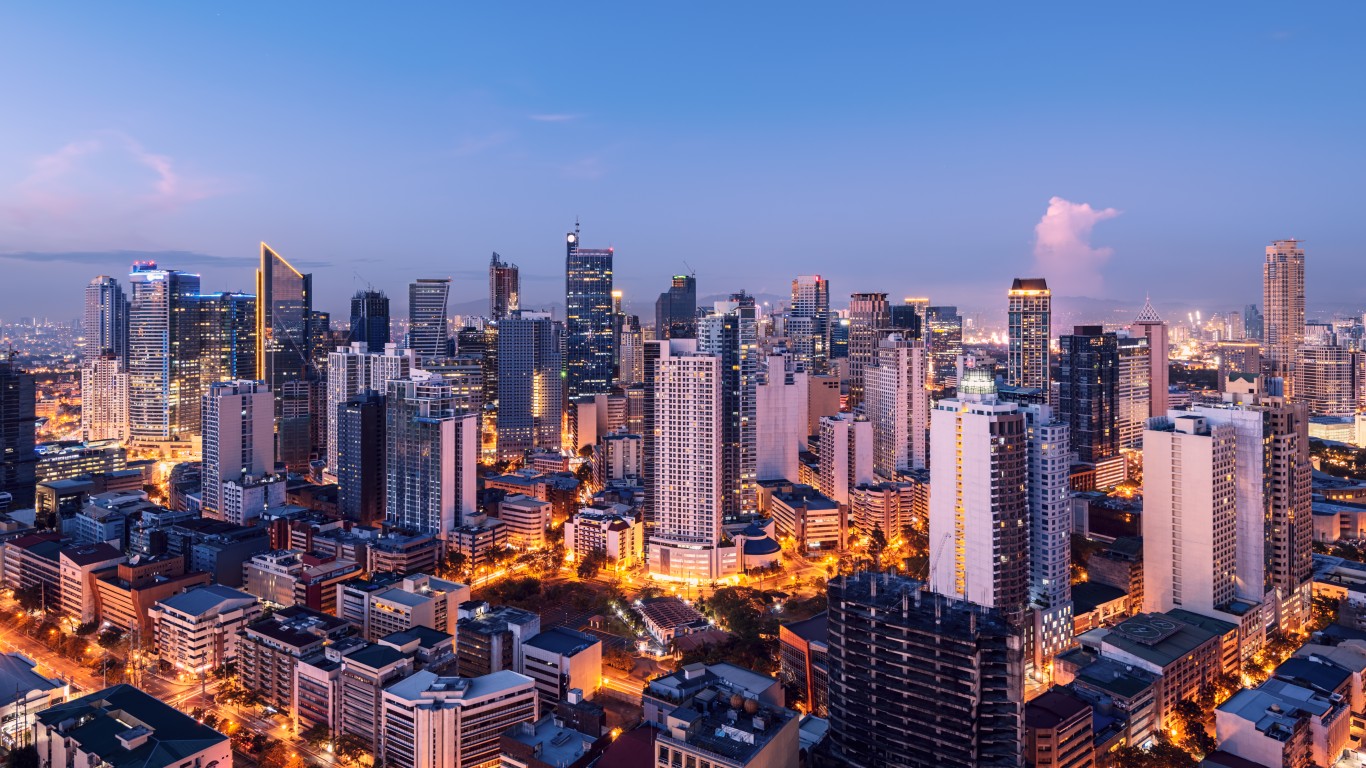
- Estimated population, 2023: 24,156,000
- Built up urban area, 2023: 738 square miles (or 1,911 square km) — #56 largest of 986 urban areas
- Population density: 32,732 people per square mile — #97 densest of 986 urban areas
- Est. GDP, 2023: $192.60 billion — #66 largest metro economy
- World Bank geographical region: East Asia and Pacific
- Country class (World Bank): Lower middle income
5. Mumbai, MH, India
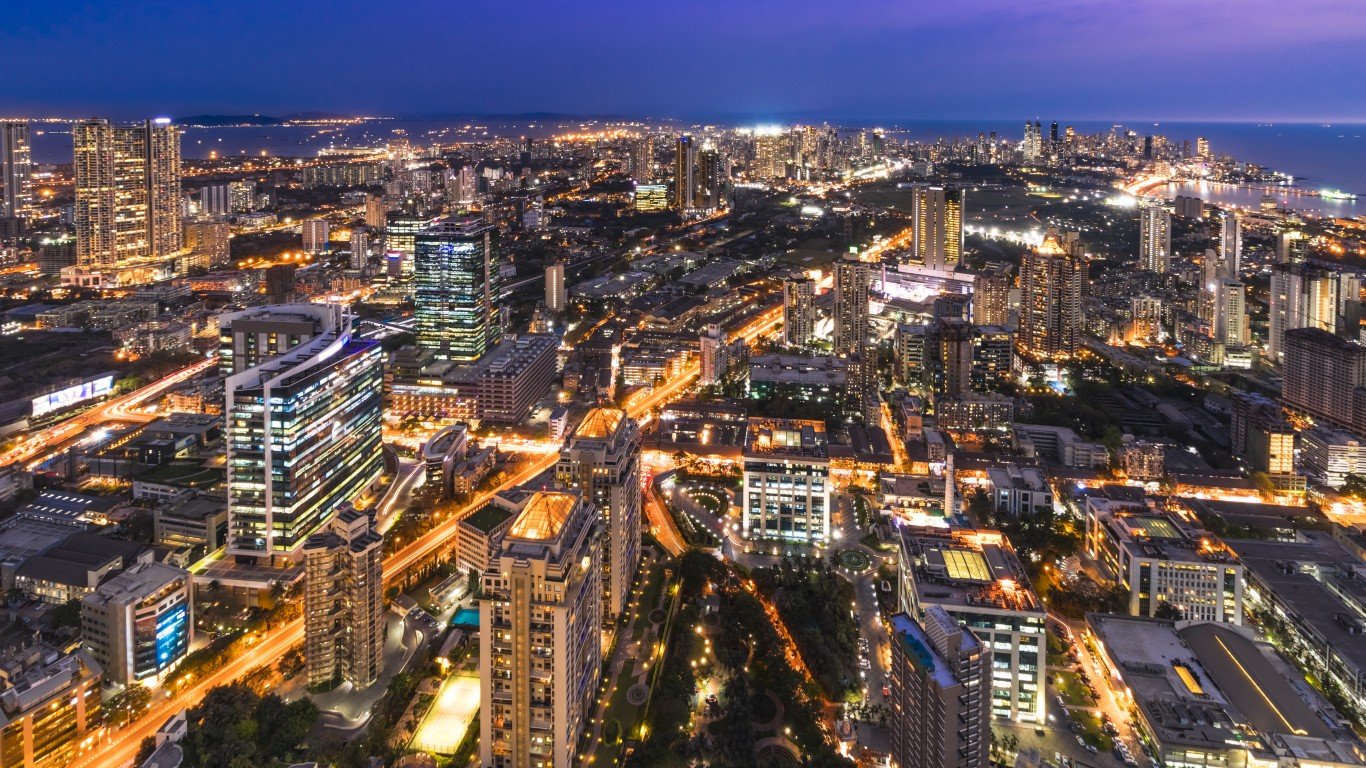
- Estimated population, 2023: 25,189,000
- Built up urban area, 2023: 404 square miles (or 1,046 square km) — #120 largest of 986 urban areas
- Population density: 62,349 people per square mile — #11 densest of 986 urban areas
- Est. GDP, 2023: $277.98 billion — #37 largest metro economy
- World Bank geographical region: South Asia
- Country class (World Bank): Lower middle income
4. Guangzhou-Foshan, GD, China
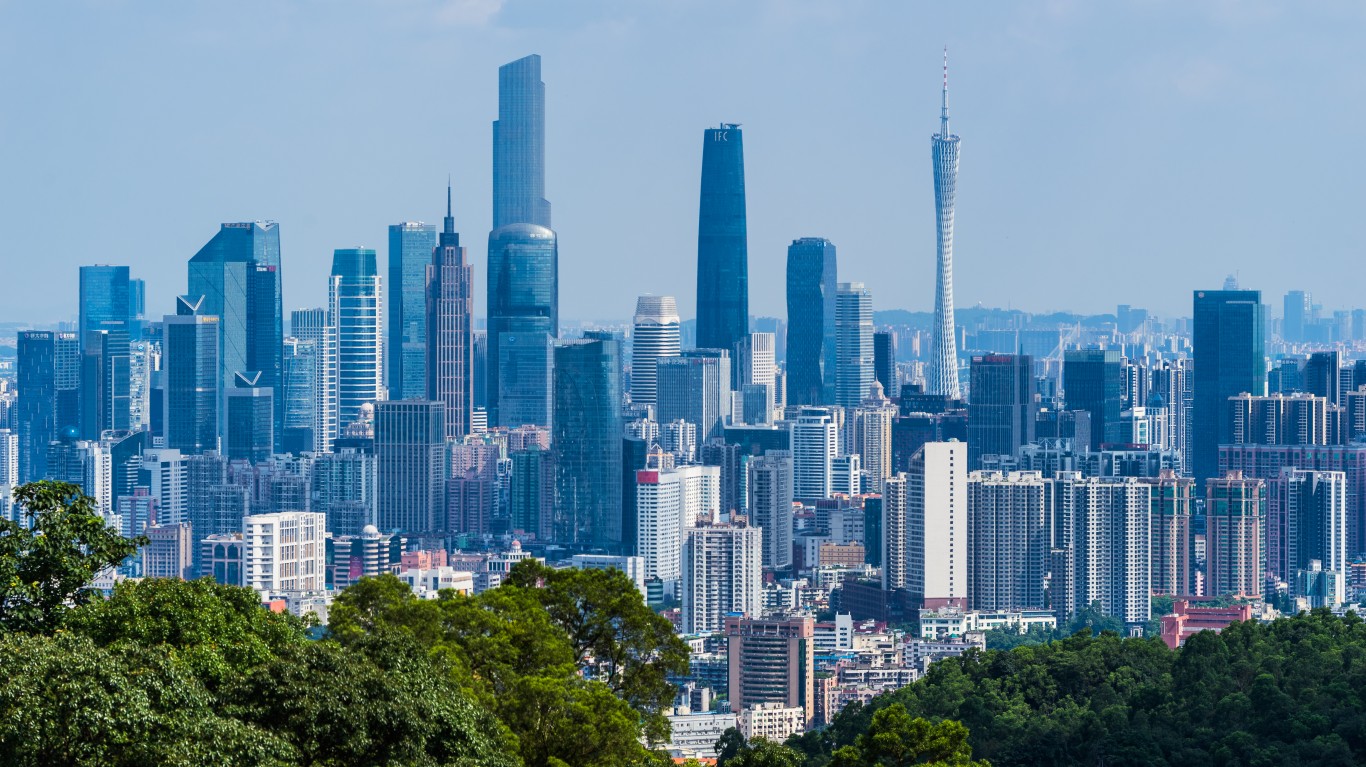
- Estimated population, 2023: 27,119,000
- Built up urban area, 2023: 1,754 square miles (or 4,543 square km) — #12 largest of 986 urban areas
- Population density: 15,461 people per square mile — #360 densest of 986 urban areas
- Est. GDP, 2023: $405.35 billion — #27 largest metro economy
- World Bank geographical region: East Asia and Pacific
- Country class (World Bank): Upper middle income
3. Delhi, DL-UP-HR, India
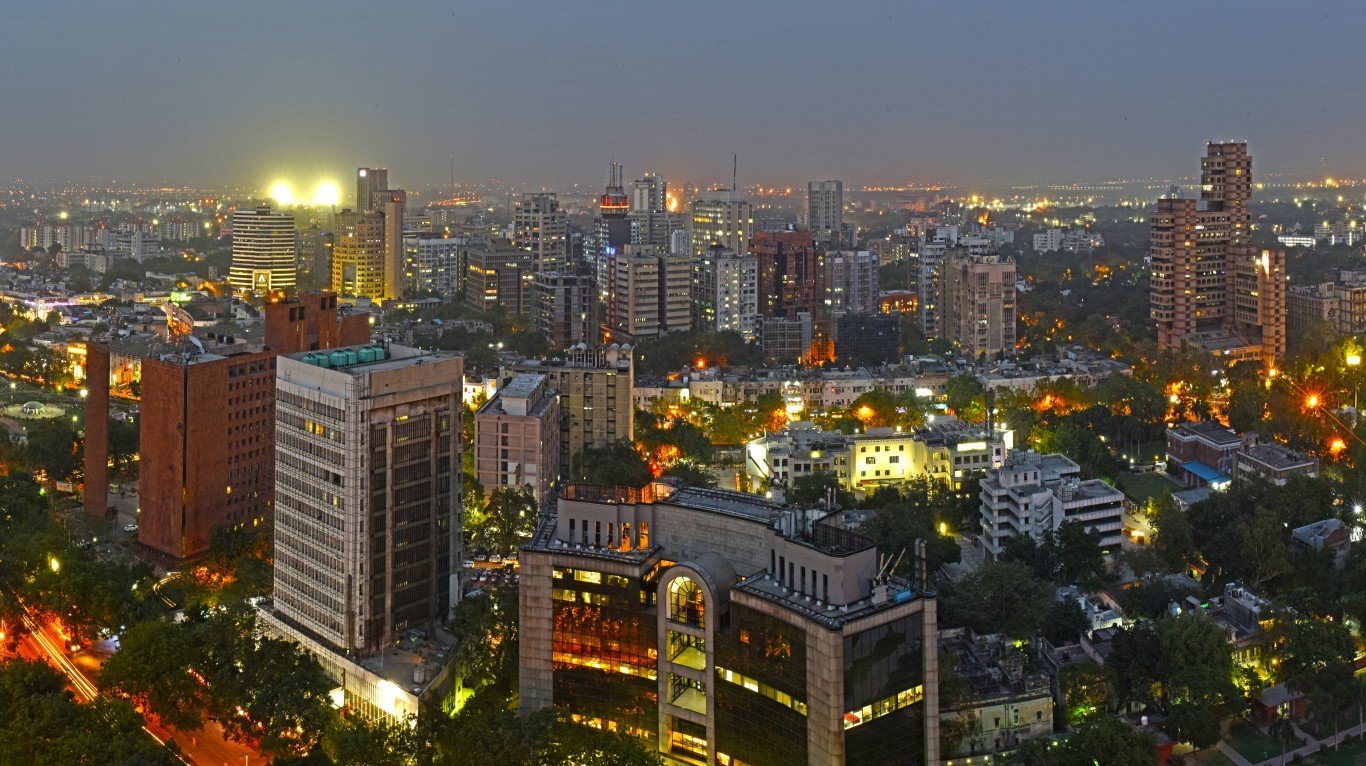
- Estimated population, 2023: 31,190,000
- Built up urban area, 2023: 905 square miles (or 2,344 square km) — #43 largest of 986 urban areas
- Population density: 34,464 people per square mile — #88 densest of 986 urban areas
- Est. GDP, 2023: N/A
- World Bank geographical region: South Asia
- Country class (World Bank): Lower middle income
2. Jakarta, Indonesia
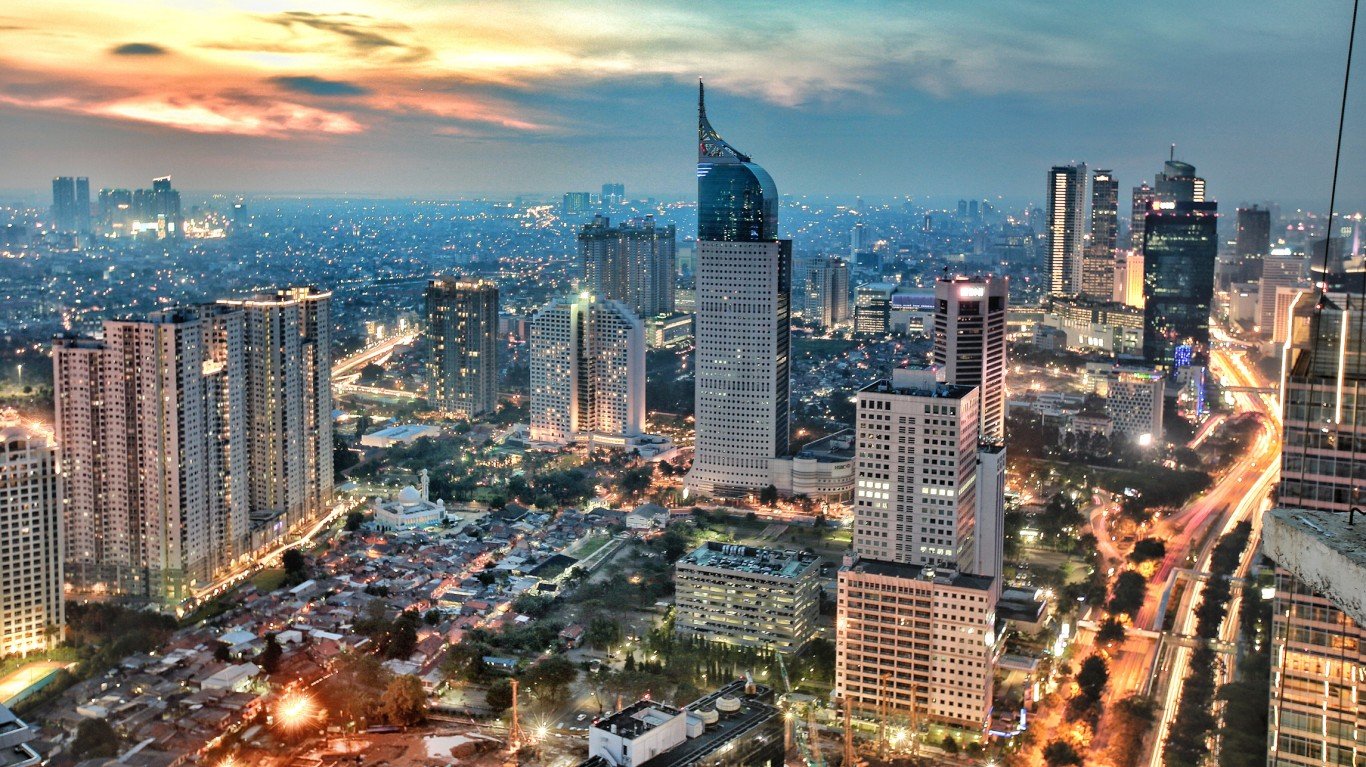
- Estimated population, 2023: 35,386,000
- Built up urban area, 2023: 1,369 square miles (or 3,546 square km) — #22 largest of 986 urban areas
- Population density: 25,848 people per square mile — #162 densest of 986 urban areas
- Est. GDP, 2023: $308.25 billion — #33 largest metro economy
- World Bank geographical region: East Asia and Pacific
- Country class (World Bank): Upper middle income
1. Tokyo-Yokohama, Japan
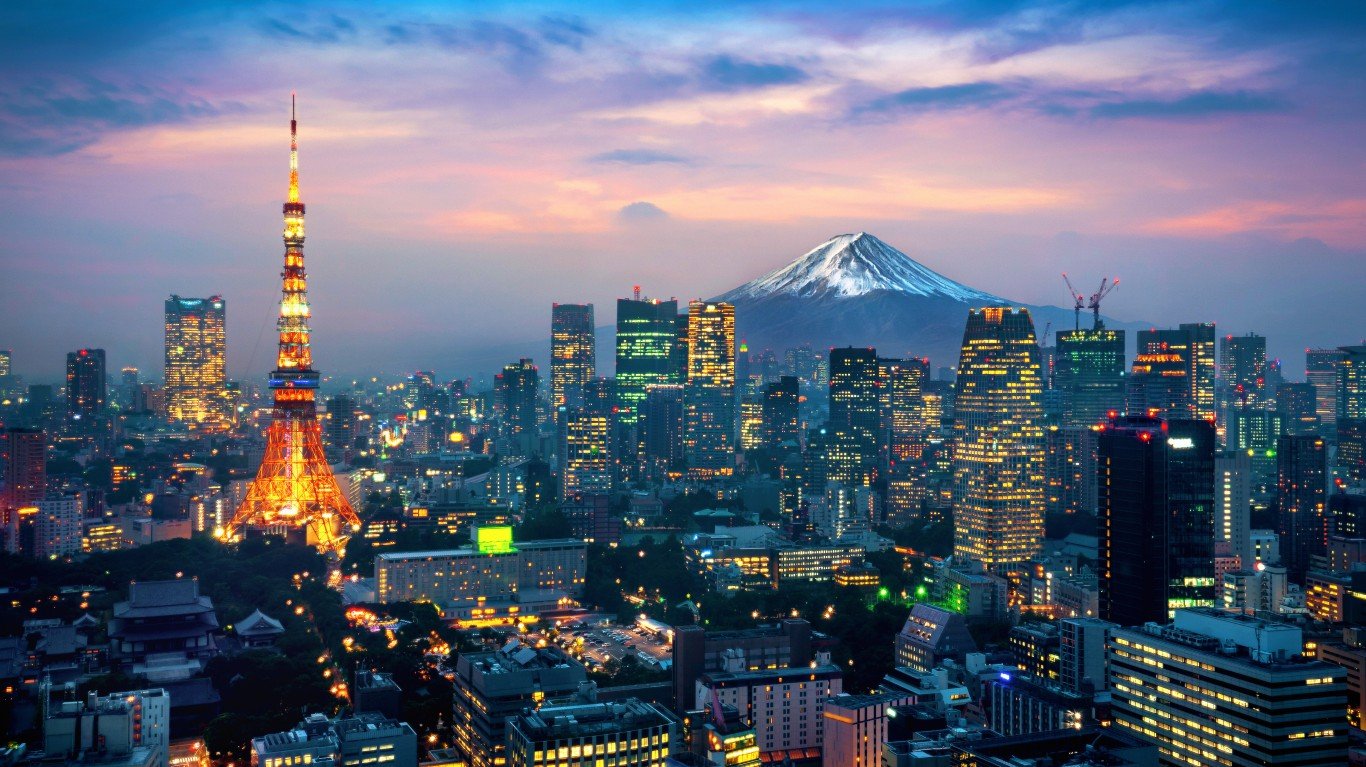
- Estimated population, 2023: 37,785,000
- Built up urban area, 2023: 3,388 square miles (or 8,775 square km) — #3 largest of 986 urban areas
- Population density: 11,153 people per square mile — #547 densest of 986 urban areas
- Est. GDP, 2023: $2,055.69 billion — #1 largest metro economy
- World Bank geographical region: East Asia and Pacific
- Country class (World Bank): High income
Contact [email protected] for any questions or corrections.