Winners And Losers On Black Friday Walmart Vs Sears
ThinkstockThe conventional wisdom about Thanksgiving and Black Friday winners and losers is easy to agree with to some extent. Shoppers will flock to Amazon (NASDAQ: AMZN) in greater numbers year after year as the e-commerce firm marches toward being a…

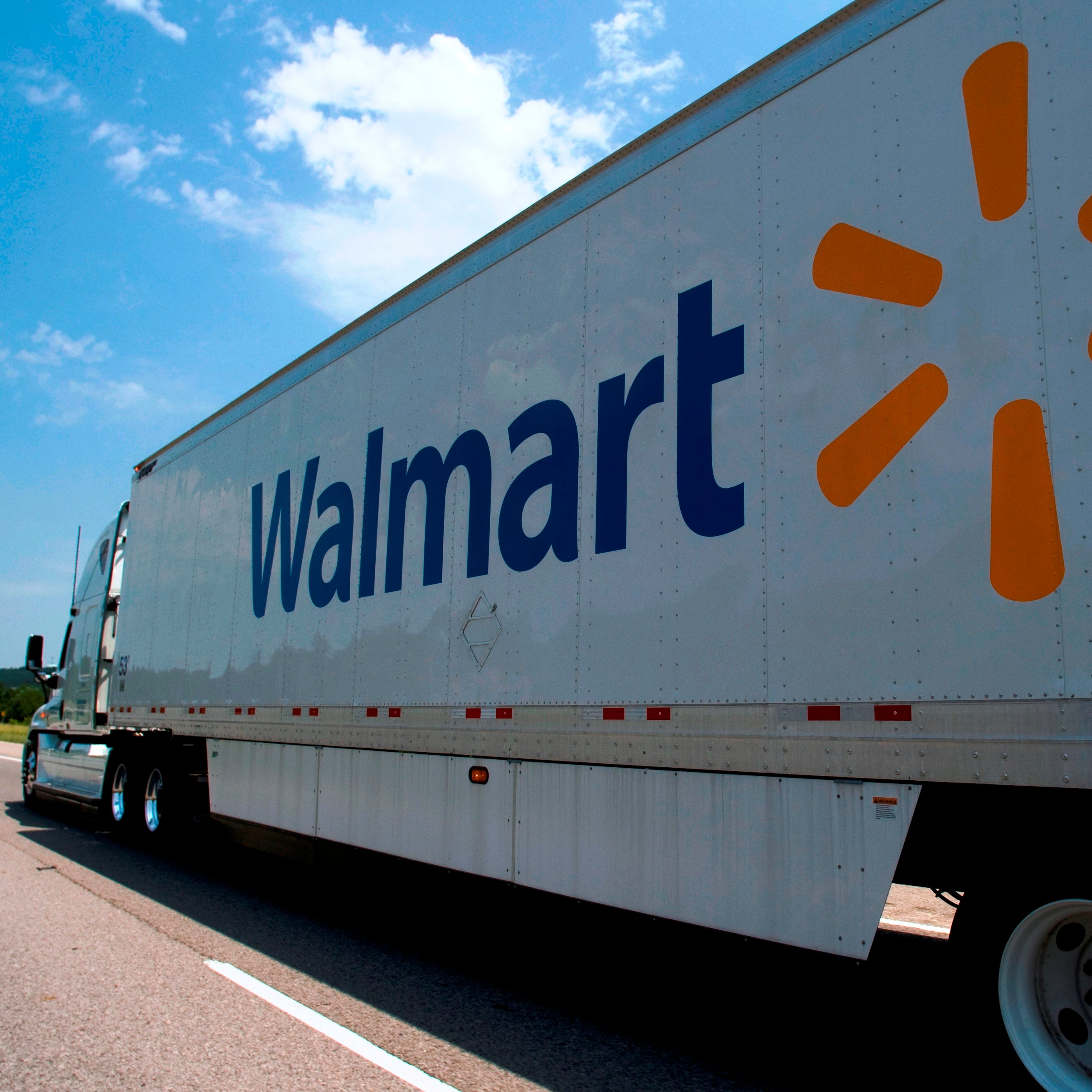
 The conventional wisdom about Thanksgiving and Black Friday winners and losers is easy to agree with to some extent. Shoppers will flock to Amazon (NASDAQ: AMZN) in greater numbers year after year as the e-commerce firm marches toward being a $100 billion a year business. However, there is at least one bricks and mortar company which has enough muscle already online to push strong growth–Walmart (NYSE: WMT) which rates second in web traffic among retailers. That leaves crumbs for most competition.
Walmart has set a system, based to a large extent on its massive customer base and marketing budgets, to drive people online with run-of-the-mill free shipping and lay-away plans. The fact that people can pick up at stores what they have ordered only enhances that. And, the brand it has built with a foundation for “everyday low pricing” continues to capture the low income and middle income shopper. A look at its sales numbers compared to the balance of the industry shows the extent of its overwhelming presence.
Another set of retailers is large enough, has brand power, balance sheet strength, and marketing talent enough to likely hold their own. Target (NYSE: TGT) as the “mini-Walmart” is first among these. Macy’s (NYSE: M) still has a hold on the upper middle class. Best Buy’s (NYSE: BBY) most recent same-store sales show that it is back from the wounded. Amazon may not overwhelm it for another year. The consumer electronics company appears to have balanced how it markets online and how it draws customers to its store.
J.C. Penney (NYSE: JCP) has one advantage, it can leverage if management is smart. It has received more publicity than any retailer in the country. Most has been negative. However, some public relations experts argue that all visibility offers a chance for a positive outcome. Penney needs to demonstrate that people who have read about it have some reason to also shop. It has turned away from the crazy merchandising of Ron Johnson, and may have turned far enough back to traditional retail habits. There there could be a rabbit in the hat.
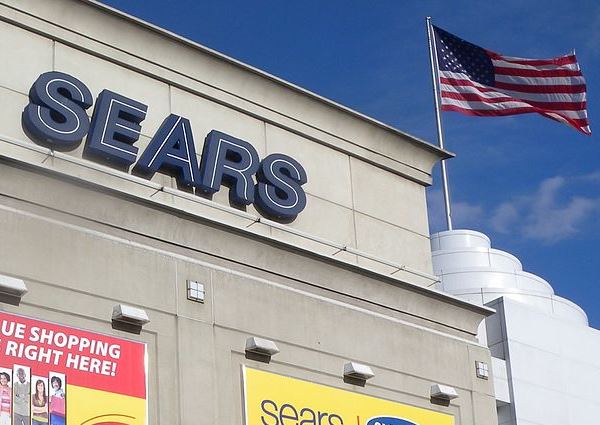
All of this leaves one very clear loser, or two based on preference. The KMart and Sears divisions of Sears Holdings (NASDAQ: SHLD) have demonstrated that they cannot market their stores effectively during any part of the year. These stores have been criticized as black holes of drabness, and the brands smell of something which has already departed. In a market in which the competition is either desperate to win, or has won already, Sears Holdings doe not even have a place to make a last stand.
Contact [email protected] for any questions or corrections.
Douglas A. McIntyre is the co-founder, chief executive officer and editor in chief of 24/7 Wall St. and 24/7 Tempo. He has held these jobs since 2006.
McIntyre has written thousands of articles for 24/7 Wall St. He is an expert on corporate finance, the automotive industry, media companies and international finance. He has edited articles on national demographics, sports, personal income and travel.
His work has been quoted or mentioned in The New York Times, The Wall Street Journal, Los Angeles Times, The Washington Post, NBC News, Time, The New Yorker, HuffPost USA Today, Business Insider, Yahoo, AOL, MarketWatch, The Atlantic, Bloomberg, New York Post, Chicago Tribune, Forbes, The Guardian and many other major publications. McIntyre has been a guest on CNBC, the BBC and television and radio stations across the country.
A magna cum laude graduate of Harvard College, McIntyre also was president of The Harvard Advocate. Founded in 1866, the Advocate is the oldest college publication in the United States.
TheStreet.com, Comps.com and Edgar Online are some of the public companies for which McIntyre served on the board of directors. He was a Vicinity Corporation board member when the company was sold to Microsoft in 2002. He served on the audit committees of some of these companies.
McIntyre has been the CEO of FutureSource, a provider of trading terminals and news to commodities and futures traders. He was president of Switchboard, the online phone directory company. He served as chairman and CEO of On2 Technologies, the video compression company that provided video compression software for Adobe’s Flash. Google bought On2 in 2009.