Apple’s Employees Turn Against It
Apple can count on the fact that the unionization efforts at its retail locations have only started.

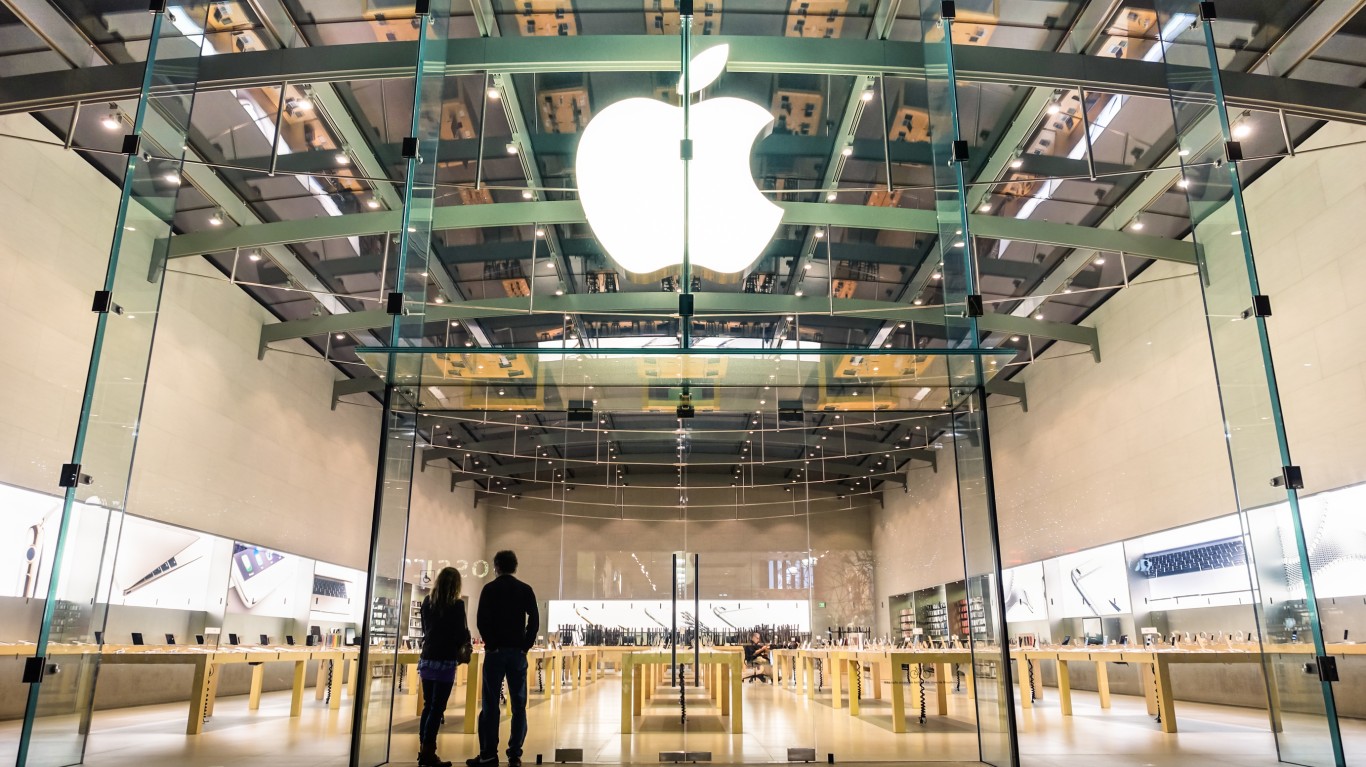
Apple’s retail workers have begun to unionize in the United States to get leverage over pay, hours and benefits. Apple is too large, financially, to be damaged by the move, at least if it remains contained to a modest number of locations. However, labor has started to organize against Apple in Australia aggressively. What once appeared to be a problem in its home market could spread to many countries.
Apple has stores in 25 countries. It employs thousands of workers across these locations. The spirit behind the decision by Australian Apple workers traces its way back to America. According to Vice, “Workers at Apple in Australia feel particularly inspired, he said, because they face many of the same union-busting tactics faced by workers in the U.S.”
More important than the strikes themselves is the possible negative public reaction. Apple has the most valuable brand in the world. It relies on tremendous goodwill with consumers for much of the success that has made it the most valuable U.S. company based on market cap and one of the largest companies in the world based on revenue.
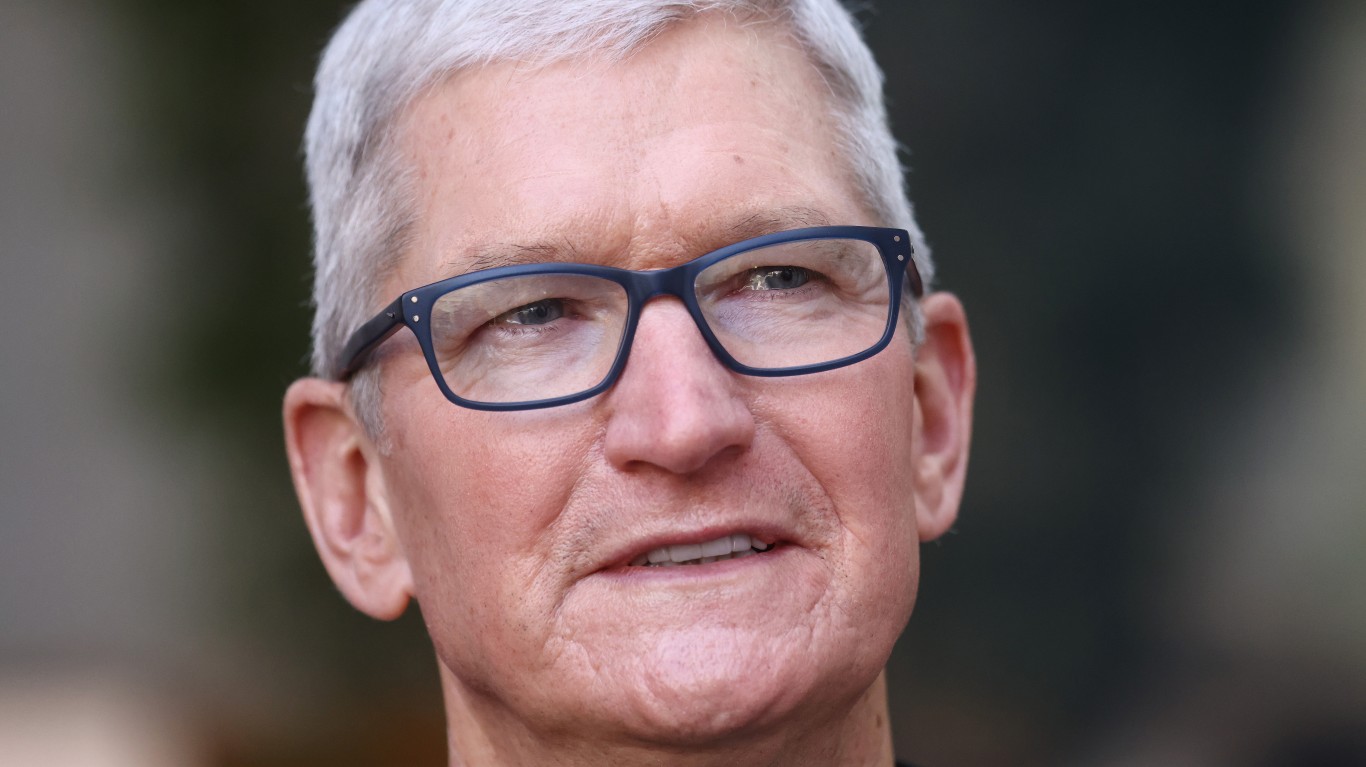
Consumers know Apple is immensely profitable and might ask why it will not improve the fortunes of hourly workers. The optics are not helped by the fact that CEO Tim Cook has made hundreds of millions of dollars since he has been at the helm.
The unionization effort is part of a global problem that large, highly successful companies founded in the past several decades face. The most obvious are Amazon and Starbucks. In each case, hourly workers want better pay and benefits. The companies that employ them make billions of dollars annually and have highly paid management and billionaire founders.
Labor’s attempt to influence its fate at large companies is not new. In the United States, it extends back more than a century. Legacy businesses are not exempt from labor pressure. Railroads recently had to hike pay and benefits after worries about a strike brought the U.S. president into the dispute.
Apple can count on the fact that the unionization of its locations has only started.
Contact [email protected] for any questions or corrections.
Douglas A. McIntyre is the co-founder, chief executive officer and editor in chief of 24/7 Wall St. and 24/7 Tempo. He has held these jobs since 2006.
McIntyre has written thousands of articles for 24/7 Wall St. He is an expert on corporate finance, the automotive industry, media companies and international finance. He has edited articles on national demographics, sports, personal income and travel.
His work has been quoted or mentioned in The New York Times, The Wall Street Journal, Los Angeles Times, The Washington Post, NBC News, Time, The New Yorker, HuffPost USA Today, Business Insider, Yahoo, AOL, MarketWatch, The Atlantic, Bloomberg, New York Post, Chicago Tribune, Forbes, The Guardian and many other major publications. McIntyre has been a guest on CNBC, the BBC and television and radio stations across the country.
A magna cum laude graduate of Harvard College, McIntyre also was president of The Harvard Advocate. Founded in 1866, the Advocate is the oldest college publication in the United States.
TheStreet.com, Comps.com and Edgar Online are some of the public companies for which McIntyre served on the board of directors. He was a Vicinity Corporation board member when the company was sold to Microsoft in 2002. He served on the audit committees of some of these companies.
McIntyre has been the CEO of FutureSource, a provider of trading terminals and news to commodities and futures traders. He was president of Switchboard, the online phone directory company. He served as chairman and CEO of On2 Technologies, the video compression company that provided video compression software for Adobe’s Flash. Google bought On2 in 2009.