The Most Eccentric Words in the English Language
The Oxford English Dictionary presently comprises around 171,146 words in current use, while Merriam-Webster estimates the total number of English words to be close to one million, though many are considered obsolete today. In his book, “Grandiloquent Words: A Pictoric…


The Oxford English Dictionary presently comprises around 171,146 words in current use, while Merriam-Webster estimates the total number of English words to be close to one million, though many are considered obsolete today. In his book, “Grandiloquent Words: A Pictoric Lexicon of Ostrobogulous Locutions,” Jason Travis Ott highlights obscure examples like “fidimplicitary” and “ultrafidian.”
Although many grandiloquent words have fallen out of use, several peculiar ones persist, often embraced by older generations. To curate a list of 25 eccentric words, we scoured language websites and consulted dictionaries for insights into definitions, usage, and origins.
To assemble a list of 25 of the weirdest words in the English language, 24/7 Tempo reviewed numerous language and general interest websites, then consulted the OED, Online Etymology Dictionary, and Wiktionary, for definitions, usage history, and etymology.
Several of the selected terms are associated with chaos, nonsense, or deception in different ways, while others depict people or things. Although the precise origins of these whimsically sounding words are often unknown, they were likely intentionally coined. It’s crucial not to let these strange words fade into oblivion – utilizing them breathes new life into language. From “argle-bargle” to “zilch,” the richness of colorful language enhances expression. (You might be surprised by the origins of these common English words.)
Here are some of the weirdest words in the English language:
Argle-bargle
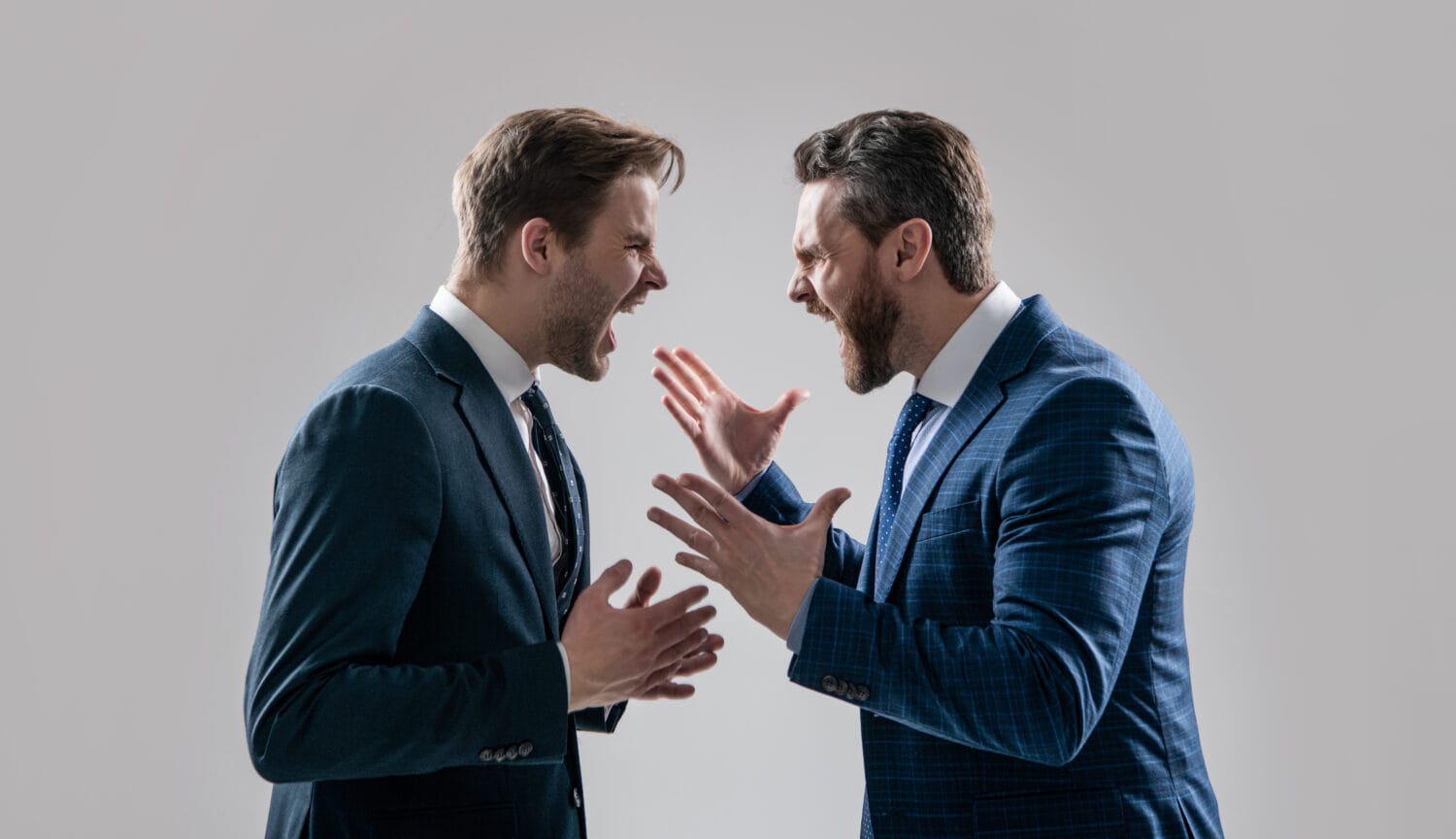
A disputatious argument. “Argle” was an obsolete dialect version of “argue,” first recorded in 1589. The “bargle” was appended in the 1870s as a rhyming suffix with no particular meaning.
Balderdash

Senseless talk or writing; drivel. The term’s origin is unclear, but it may derive from the Dutch word “balderen,” “to roar,” or from the Welsh “baldordd,” meaning “idle chatter.”
Bamboozle
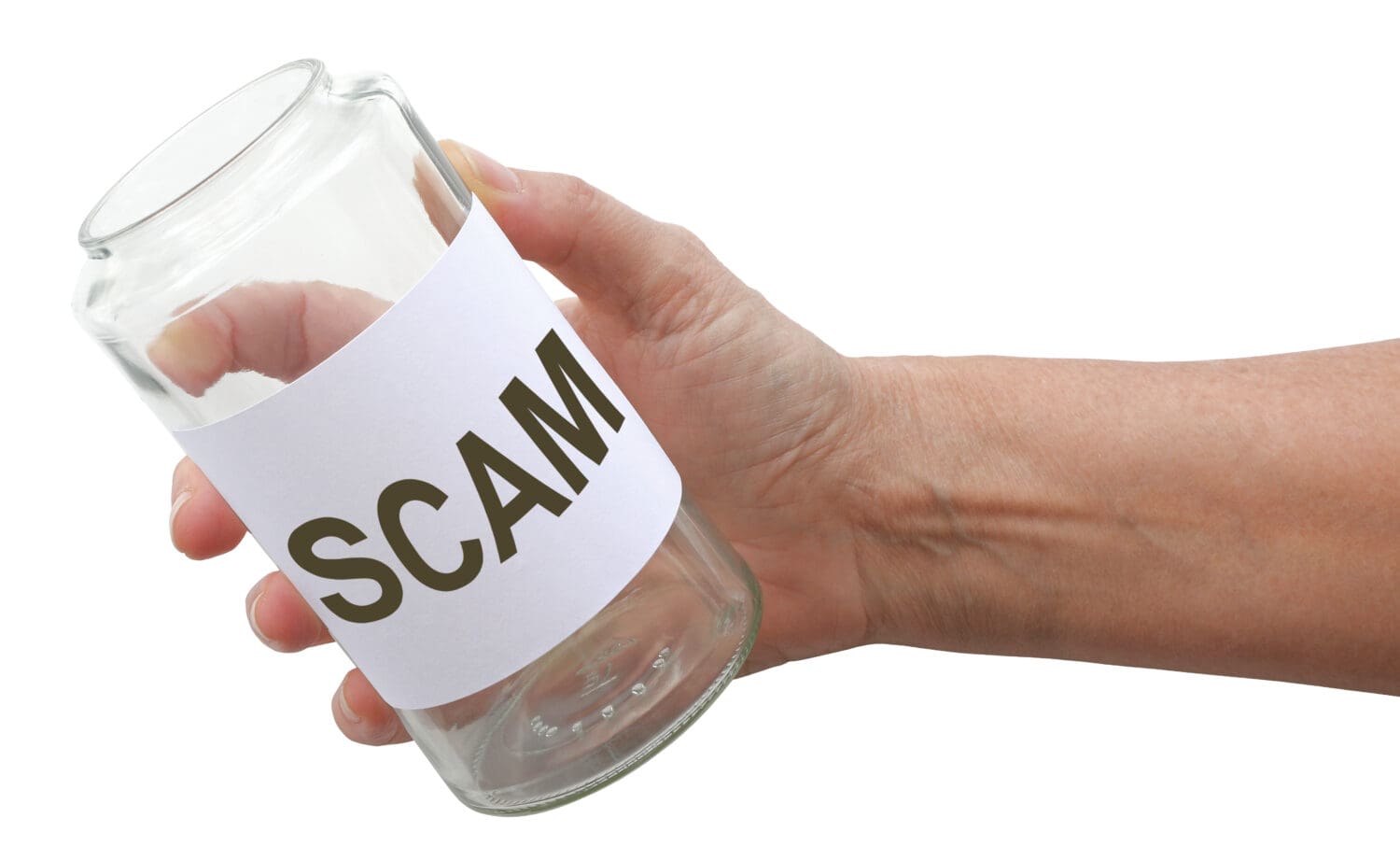
To scam, con, or deceive with trickery. The word’s origins are unknown, though it may be related to the 18th-century English slang term “bam,” meaning to impose upon or hoax. Some etymologies suggest that the term was born out of the Romani language, but the OED says that that theory “wants proof.”
Brouhaha
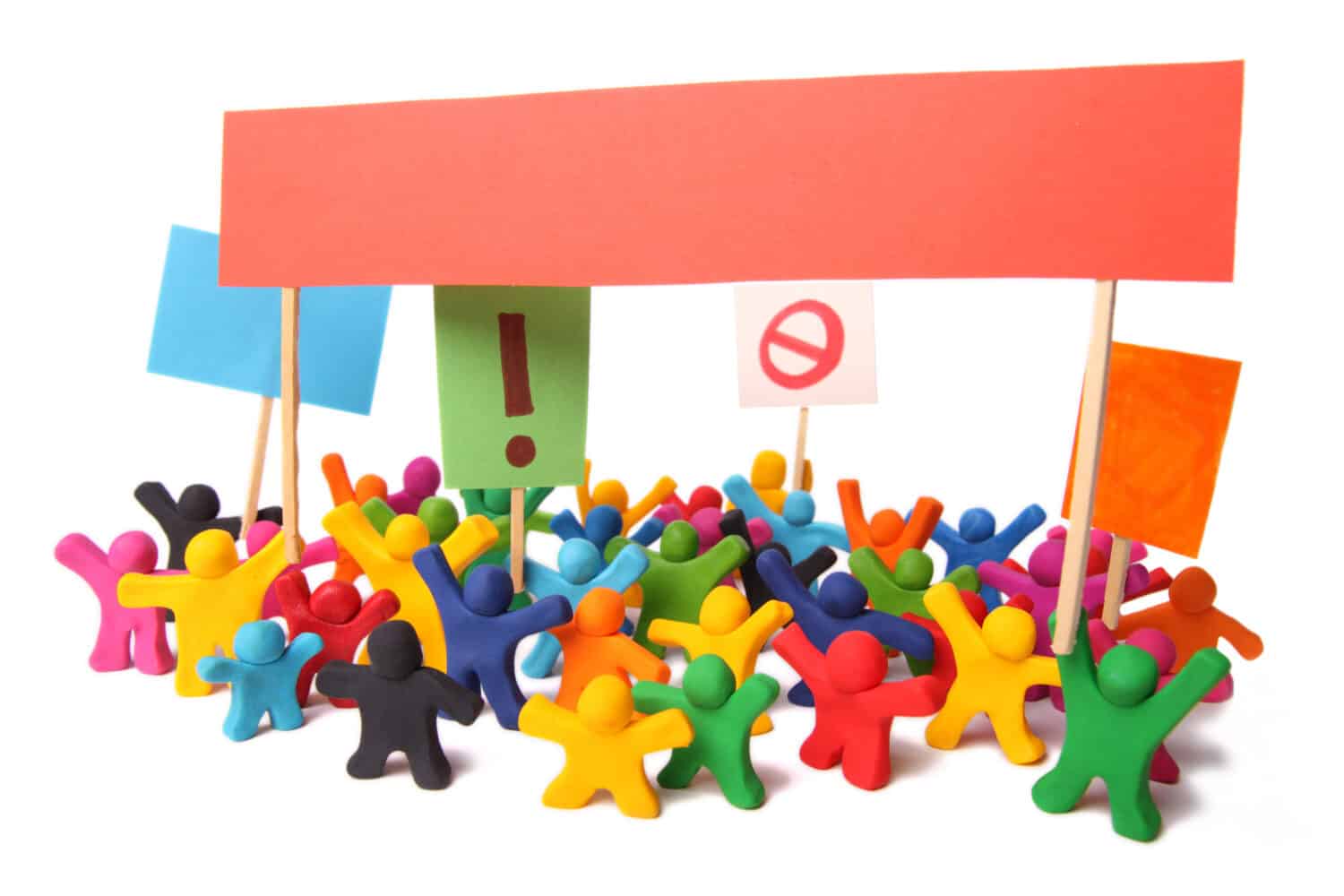
A commotion, hubbub, or uproar. The word appeared first in French, spelled the same way, in the 15th century and had made it into English by the 19th, but where the French got it remains a mystery. Wiktionary suggests that it might possibly come from the Hebrew barúkh habá, “blessed is the newcomer” (or simply “welcome”) — maybe because a lot of new arrivals might cause a stir?
Bumbershoot
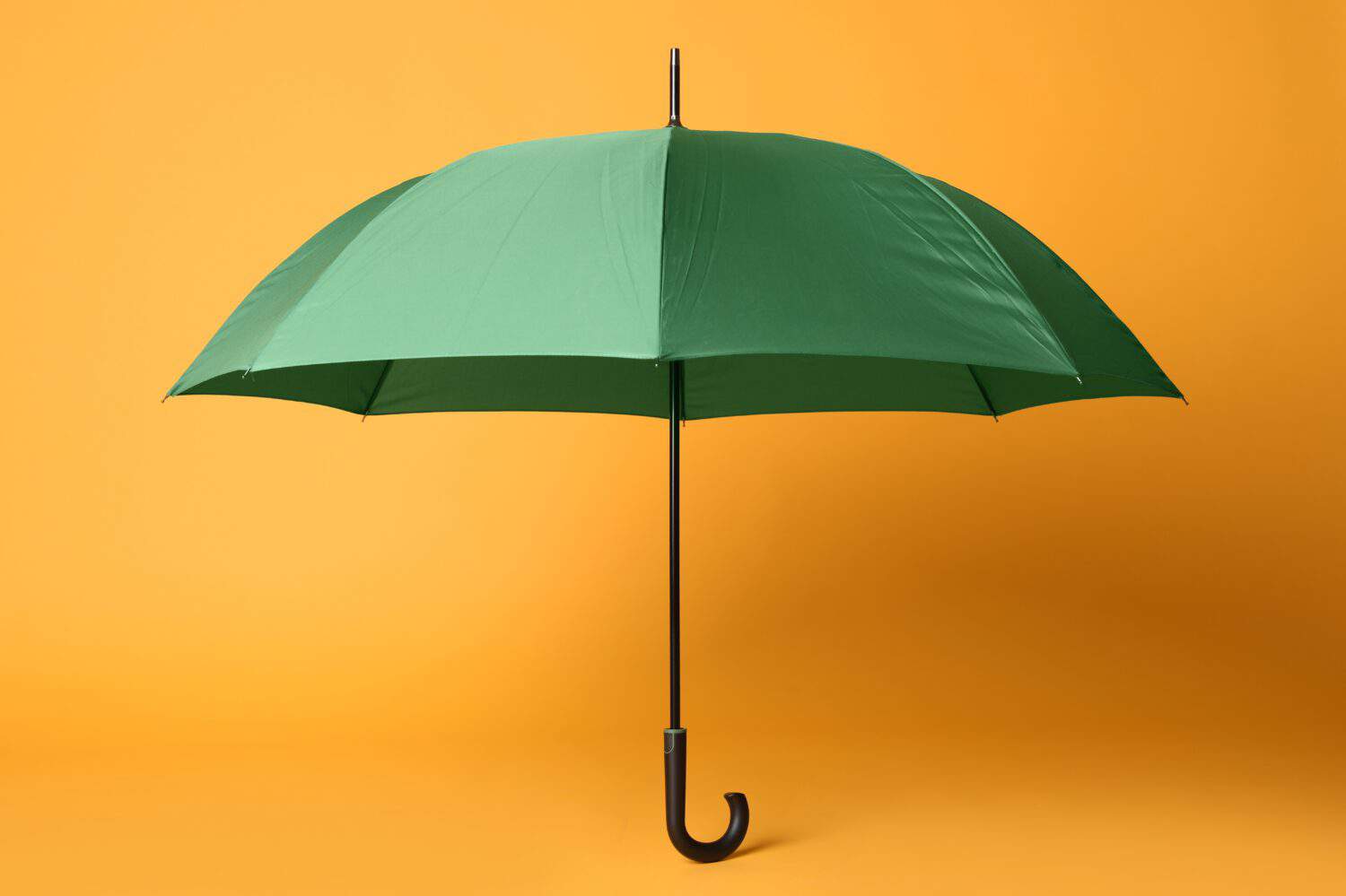
An umbrella. A jocular America term from the late 19th century, it’s an invention combining elements of the words “umbrella” (“bumber” being a variation on the first part of that word) and “parachute.”
Catercorner

Diagonal. Variations include cater-cornered and cattycorner. The word is used mostly to describe the relationship of two buildings or stores (“The wine shop is just catercorner to the supermarket”). “Cater” is an old American dialect word meaning to cut cloth on the diagonal.
Cattywampus

Askew, awry, all messed up (also a rare synonym for “catercorner”). The word comes from “catawampus,” a made-up name from mid-19th-century America for a fierce mythological animal, presumably because the beast’s attacks would mess everything up.
Donnybrook

A heated argument or brawl. The word comes from Ireland: Donnybrook is a district of Dublin, known from the 13th through mid-19th centuries for its annual two-week fair, which became the site of riotous public intoxication and fighting.
Flapdoodle
Something nonsensical or foolish. The word’s lineage seems to stretch back to the Low German “Dudeltopf,” meaning “simpleton.” It is related to “doodle” (meaningless scrawling) and also “dawdle” (to linger or waste time.)
Flibbertigibbet

A gossip or a flightly or frivolous person, particularly a woman. The OED speculates that the word — which was first published in 1549 as “flybbergybes” — is “an onomatopoeic representation of unmeaning chatter.”
Gallimaufry
A mishmash or hodgepodge and also an archaic culinary term for hash. This is another borrowing from the French, in which language it’s spelled “galimafrée.” This in turn comes from an Old French word, “calimafree,” meaning a stew of various meats. Wiktionary suggests that the French word might derive from the Old French “galer” (to have fun) and Old Northern French “mafrer” (to eat like a glutton), but this sounds suspiciously like folk etymology.
Gobbledygook
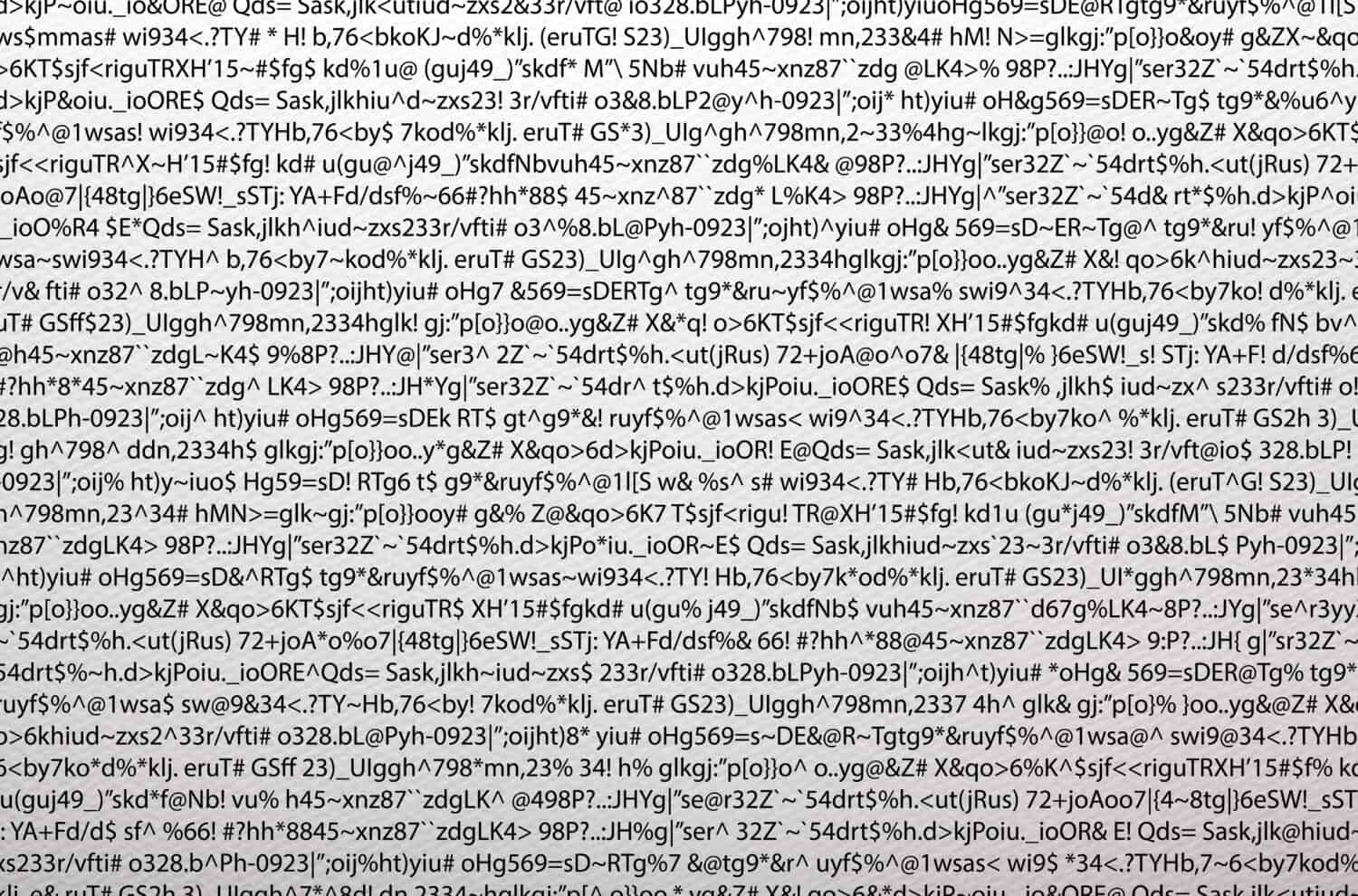
Pretentious jargon, gibberish, or something written incoherently. The term appears to have been first used in 1944 by U.S. congressman Maury Maverick (whose grandfather, incidentally, gave the English language the term “maverick,” because he refused to brand his cattle as the law demanded). He apparently coined it to suggest the gobbling sound of turkeys.
Hootenanny
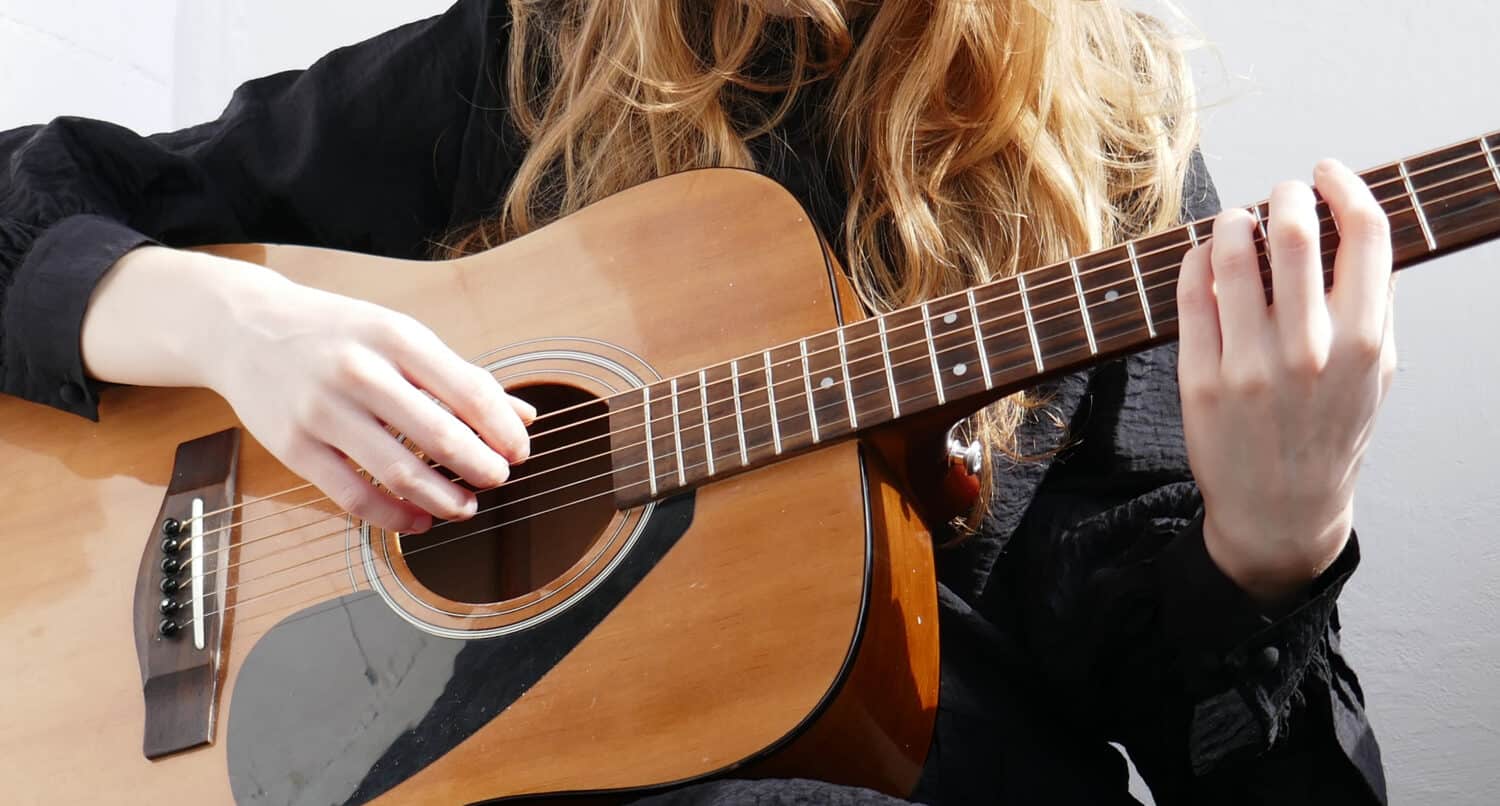
An informal folk music concert. The word, whose origins are unknown (though some think it sounds Scottish), was originally a synonym for “thingamajig” or “whatchamacallit,” and first gained its musical meaning in the early 1940s.
Hugger-mugger

Clandestine, secret, disordered. The word might come from the Anglo-Irish “cuggermugger,” meaning whispering (from the Irish word for whisper, “cogair”), or from the Scottish “hudge-mudge,” to have a secretive conversation.
Hullabaloo

Commotion, uproar, clamor. First used in Scotland and the north of England in the 1760s, “hullabaloo” probably came from the addition of a rhyming suffix to “hullo” or “halloo” — i.e., “hello.”
Kerfuffle

A row or disorderly outburst. Also spelled “curfuffle,” this word seems to be drawn from the Scottish verb “fuffle,” meaning to throw into disarray. The “ker” (or “cur”) may be a humorous addition, as in “kerblam” or “kerpow.”
Lollygag

To dawdle or loaf, or to fool around. An American variation on the more common British “lallygag,” the term has been known since 1889 and became a common slang word in the U.S. in the 1930s. No etymological source seems to know for sure where it came from.
Malarkey
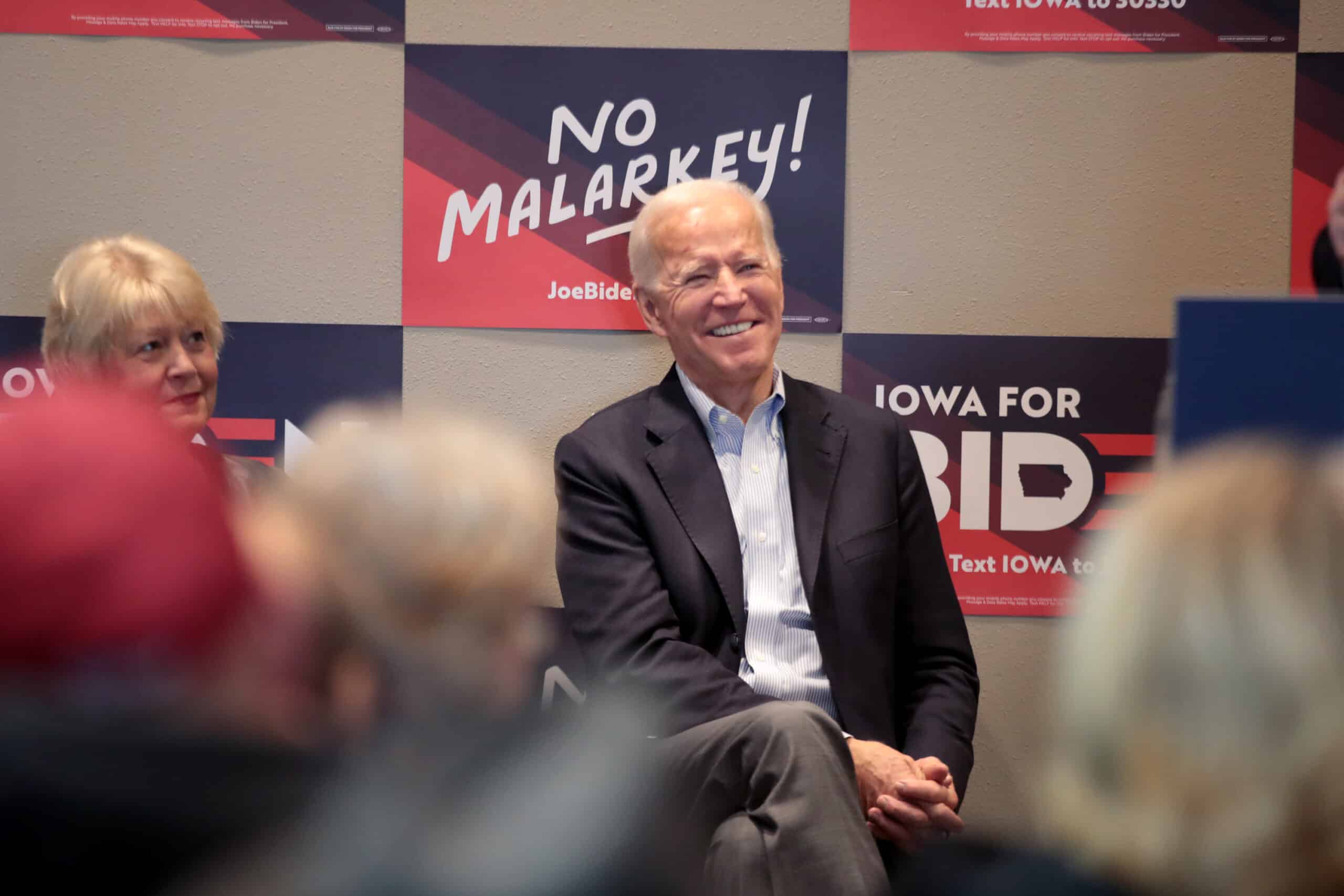
Nonsense, bunkum. A favorite word of President Joe Biden, “malarkey” is thought to derive from the Greek “malakós,” meaning meek or complient, or from another Greek word, “malakía,” which has a figurative meaning of stupidity or nonsense. It was popularized by an Irish-American cartoonist named T.A. Dorgan in the early 1920s, and “Mullarkey” is an Irish surname, but the OED finds no connection between Ireland and the term.
Nincompoop
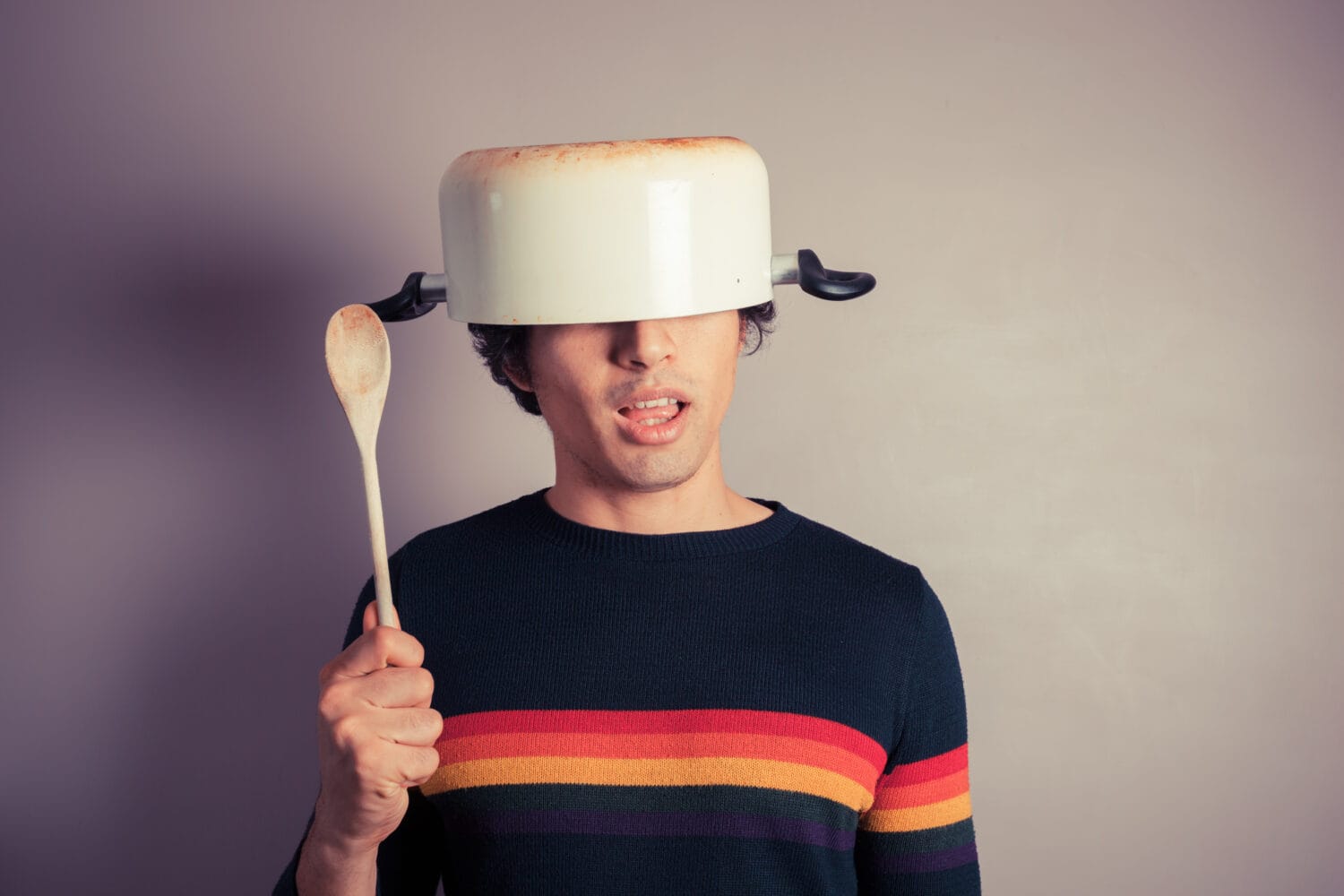
A dimwit or silly person. First used in the late 17th century, the word may be an extension of “ninny” (a simpleton, possibly a shortening of “innocent”), or come from the French “nicodème” — an old term for a gullible person, based on Nicodemus in the Bible, a Pharisee who asked Jesus ingenuous questions.
Poppycock
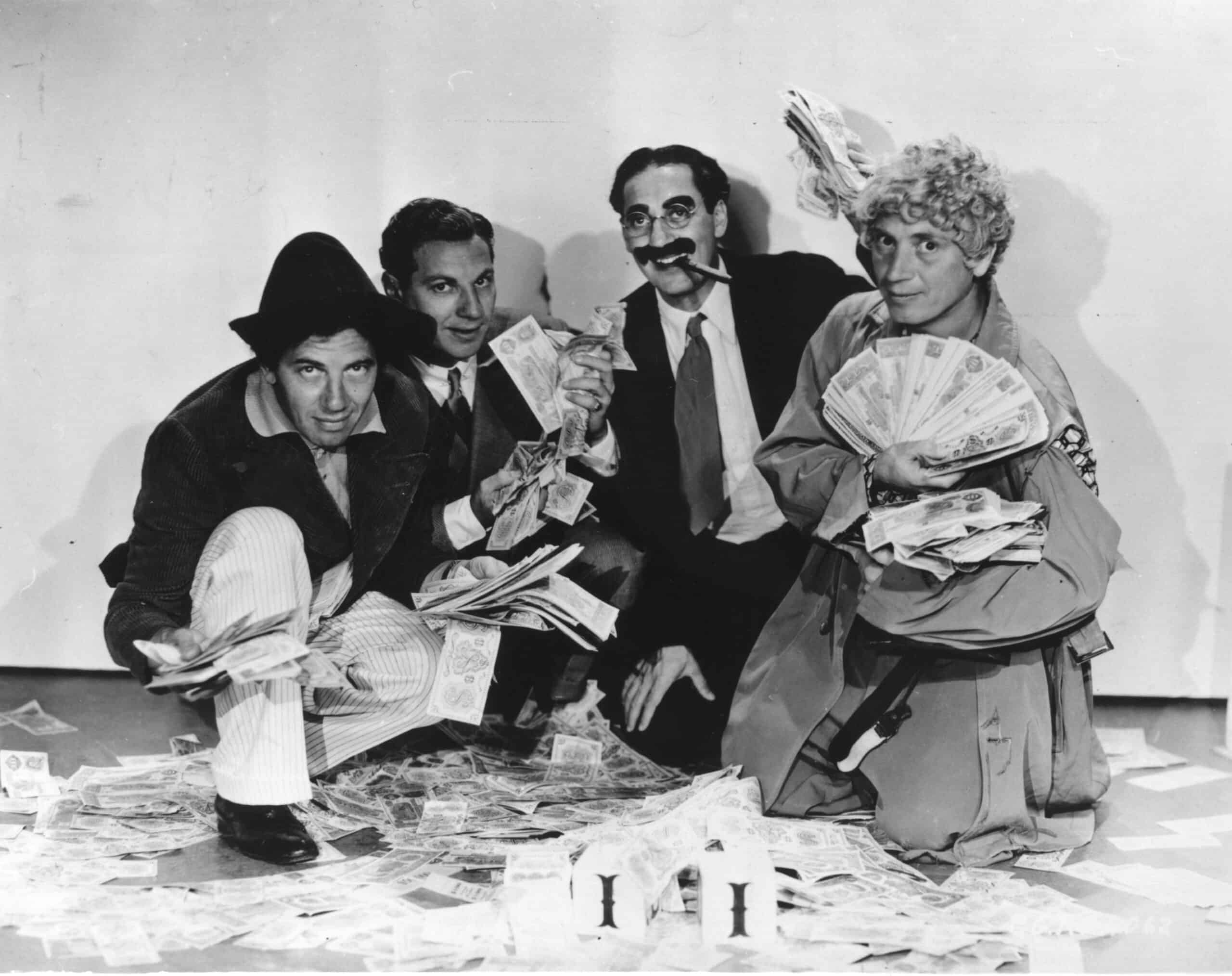
Nonsense, rubbish. The word may come from a Dutch dialect term, “pappekak,” based on the words for “soft food” and “excrement” — though the OED is skeptical of the claim.
Quackle
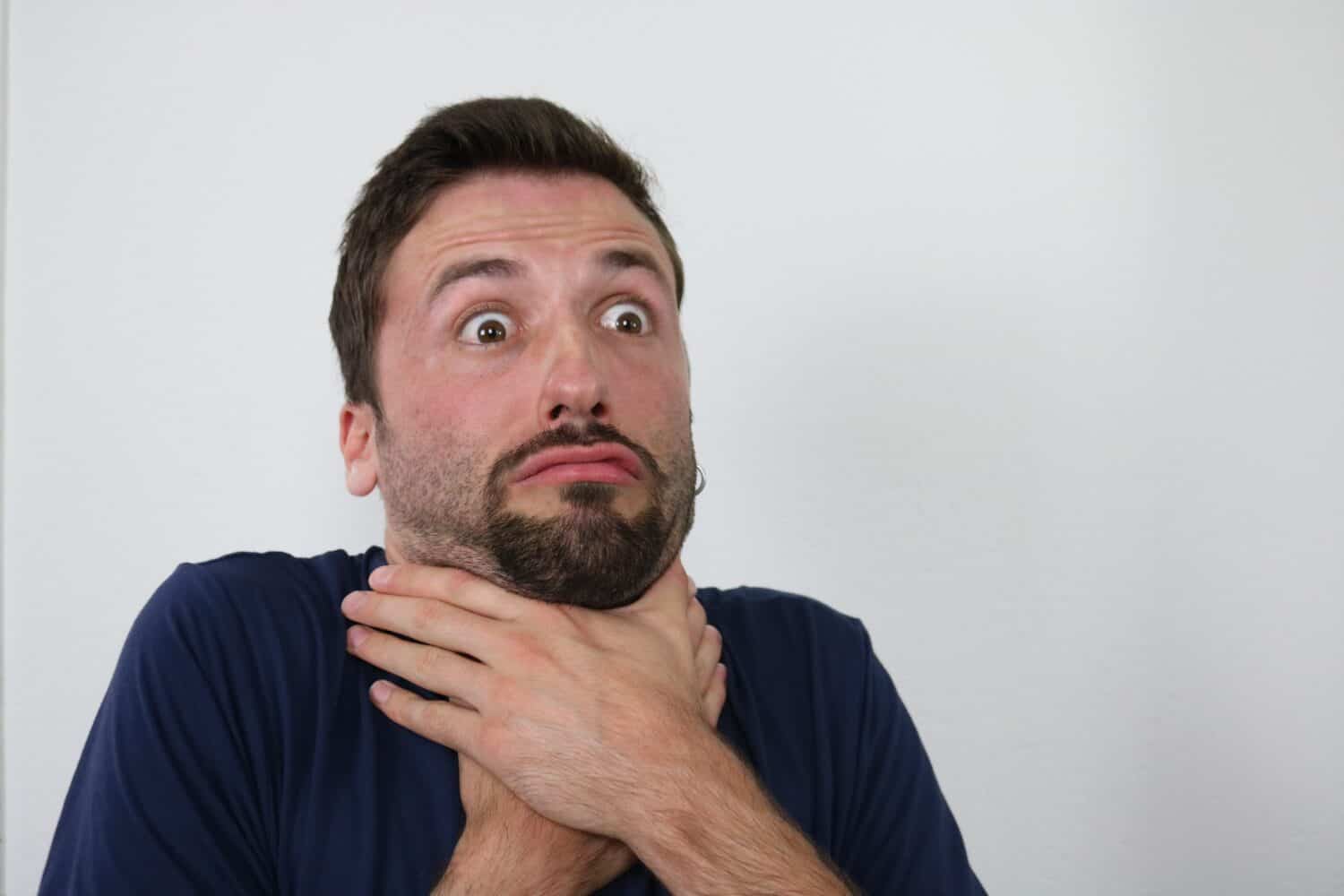
To choke or make a quacking sound. If the word is, as it appears to be, a variation on “quack,” which is the sound a choking person might perhaps make, it can be traced back to numerous Germanic and Scandinavian terms, including the Old Dutch “kwaken” (to croak) and the Icelandic “kvaka” (to twitter or chirp).
Ragamuffin
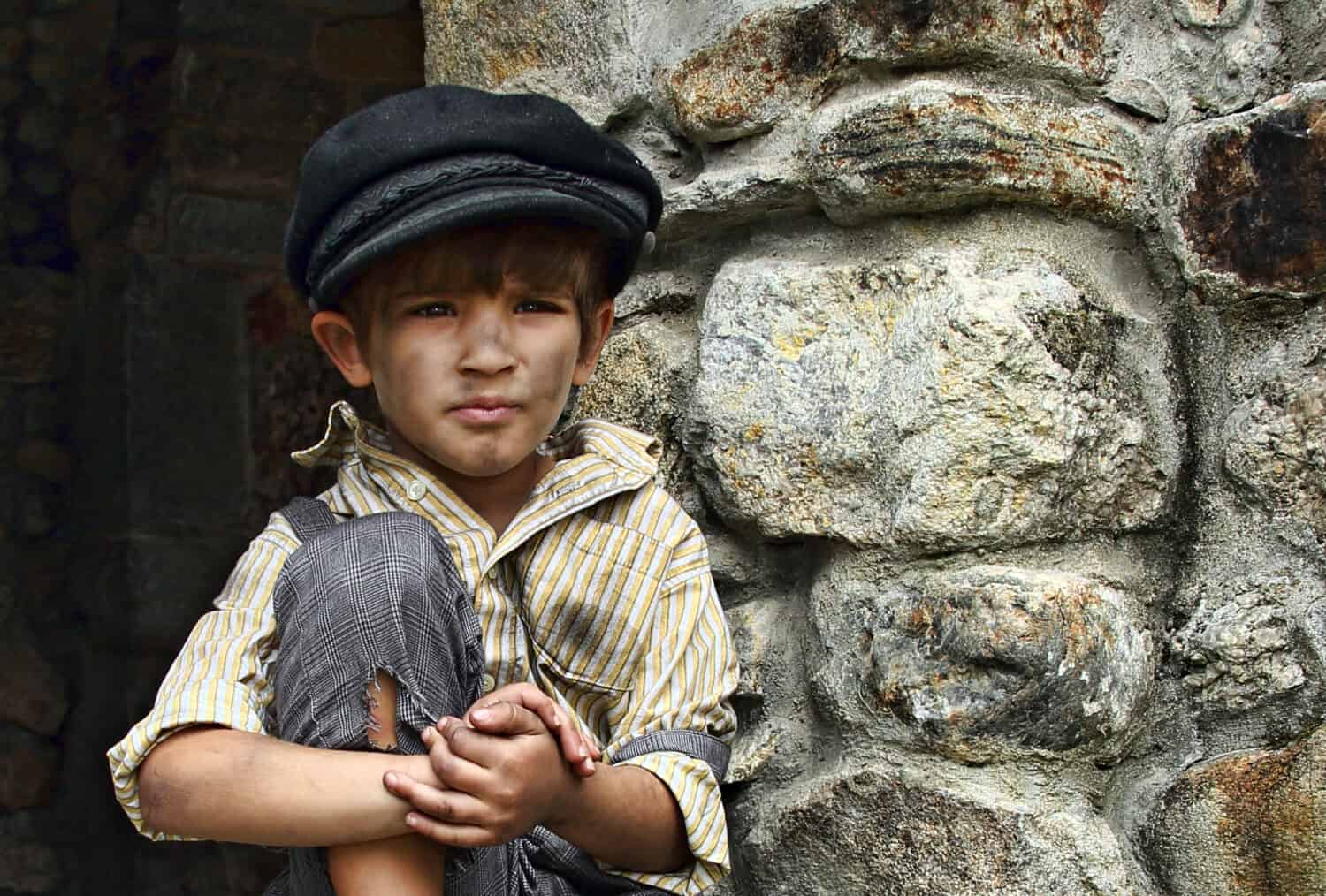
A dirty- and/or ragged-looking person, usually a child and most often a boy. A “ragamoffyn” is mentioned in the late 14th-century Middle English poem “Piers Plowman.” The first part of this word is clearly related to “rags” and “ragged,” but where the “muffin” comes from is in dispute. One suggestion is the Anglo-Norman “malfelon,” or devil.
Tarradiddle

A minor falsehood. First used in the early 19th century, the word almost certainly derives in part from “diddle,” meaning to waste time or to cheat (a term that may be related to “doodle” and/ow “dawdle”). The OED suggests that the “tarra” might come from the Irish place name Tara.
Whippersnapper

An impertinent, presumptuous, or unappreciative youngster. First recorded in 1674, the word appears to be a variation on “whip-snapper” — perhaps an allusion to someone who expects others to do their bidding.
Zilch
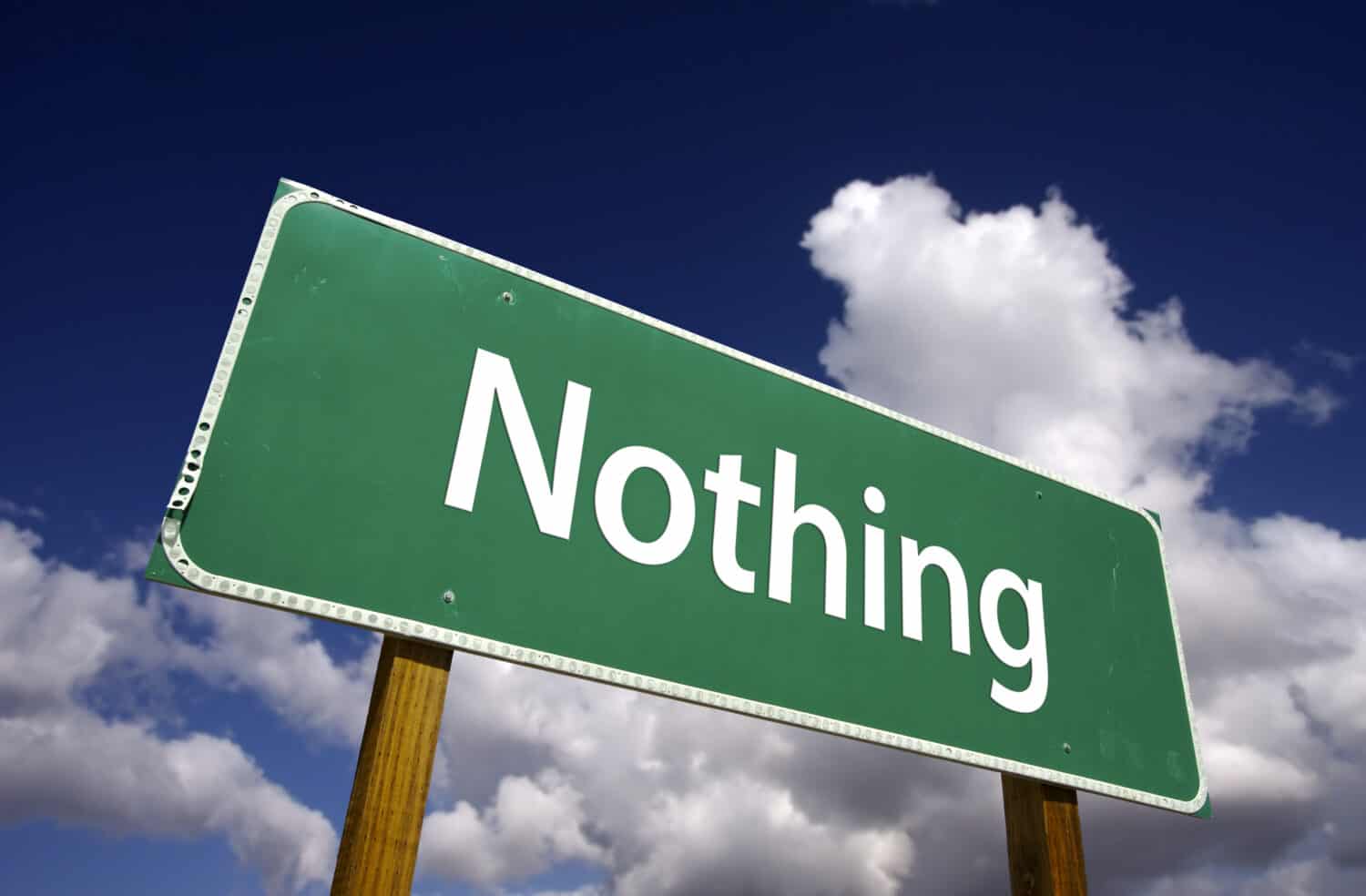
Nothing, nada, zero. While “Zilch” or “Zilsch” is a German surname of Slavic origin, the term was used as early as the 1920s in collegiate slang, probably based on the made-up name for an unknown person, Joe Zilch — an equivalent to John Doe.
Contact [email protected] for any questions or corrections.
Hristina Byrnes is the editor of 247Tempo.com, where she handles the site's assignments and editing. She holds a master's degree in journalism from Columbia University, which she earned in 2012, and she specializes in translating complex health data research into engaging, accessible stories for a general audience.
When she's not poring over the latest data sets or brainstorming story ideas, you can find Hristina watching tennis, playing tennis with her son, or trying to get her daughter into tennis.