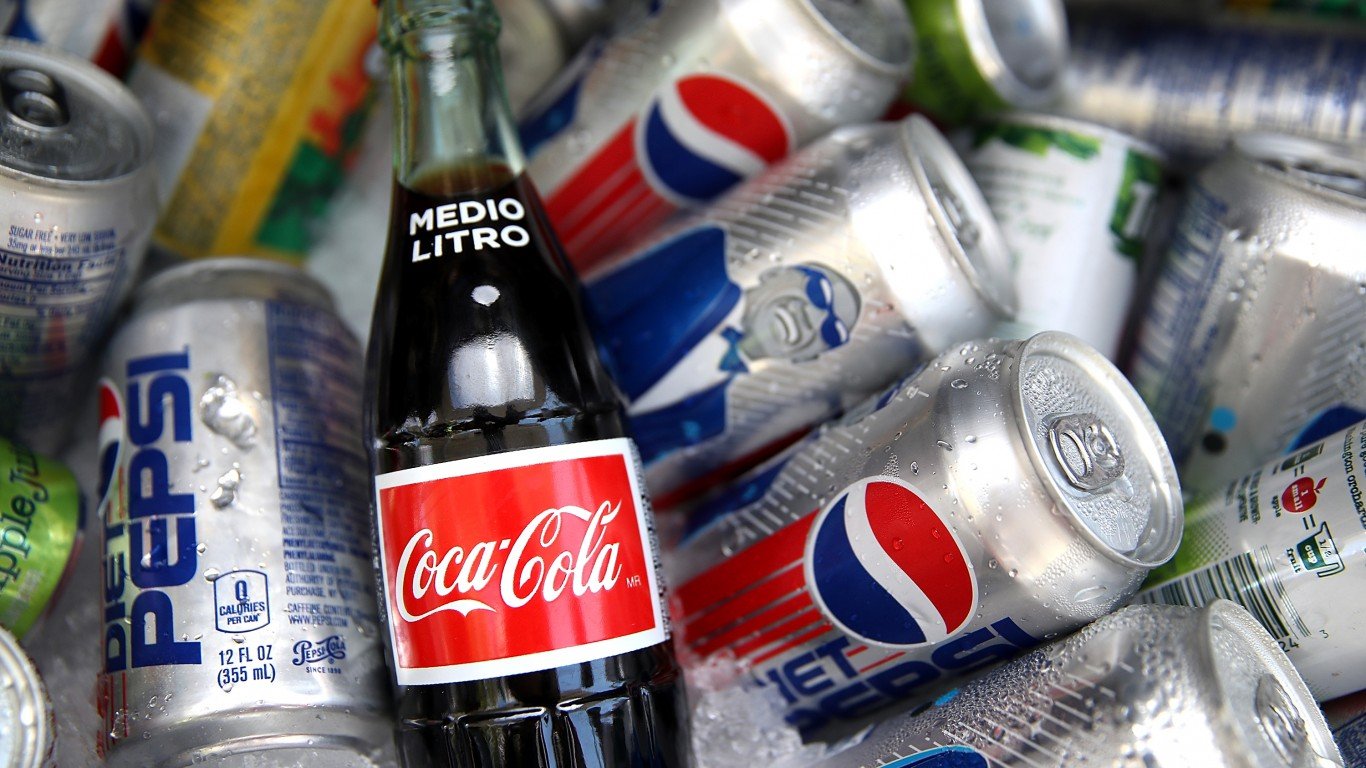
Coca-Cola Has Crushed PepsiCo in 2026, but Retirement Investors Face a Different Dividend Decision

This post may contain links from our sponsors and affiliates, and Flywheel Publishing may receive compensation for actions taken through them.
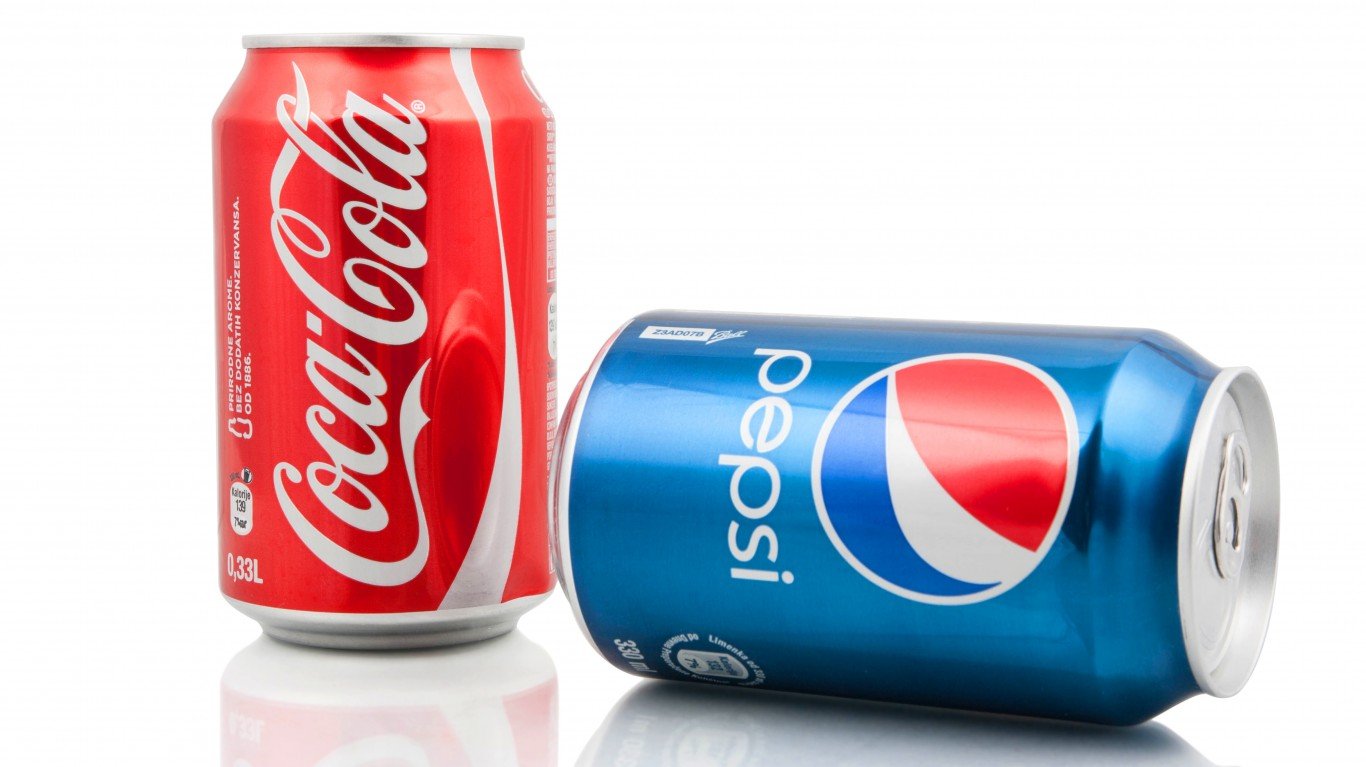
Coca-Cola (NYSE:KO | KO Price Prediction) or PepsiCo (NASDAQ:PEP): Which Dividend King offers more for someone planning for retirement? The market has already picked a side in 2026. Coca-Cola shares are up 45.7% year-to-date, and PepsiCo has gained 5.55%. That gap changes the math on the three dimensions that matter most to a retiree: valuation, dividend safety, and growth.
Both runs count. Coca-Cola announced its 63rd consecutive year of dividend increases[1] in 2025 and raised its quarterly payout from $0.51 to $0.53 in 2026. PepsiCo announced its 54th consecutive annual dividend increase[2] in 2026. That was a 4% hike from $5.69 to $5.92[2] annualized.


Valuation: PepsiCo Wins by a Wide Margin
Coca-Cola trades at 29 times trailing earnings and 28 times forward earnings. PepsiCo trades at 18 times trailing and 17 times forward. On enterprise value to EBITDA, the spread is just as wide: 22 for Coca-Cola and 12 for PepsiCo.
Coca-Cola makes part of that premium through its margins. Its net profit margin is 27.34%, compared with 8.77% at PepsiCo. Even so, a retiree buying PepsiCo today pays far less for each dollar of earnings. PepsiCo takes this round.
Dividend Safety: Coca-Cola Wins on Coverage
PepsiCo pays more today. Its forward yield is about 4.03%, while Coca-Cola’s is 2.12%. The latest increases were about the same size: 4%[2] for PepsiCo and about 3.9% for Coca-Cola.
On coverage, Coca-Cola is ahead. PepsiCo’s $5.92 dividend uses up about 74% of its $7.95 in trailing EPS. Coca-Cola’s $2.12 takes about 63% of $3.39. PepsiCo’s free cash flow yield of 3.87% tops its 3.85% dividend yield, so the payout has very little room. PepsiCo also carries more debt, with a debt-to-equity ratio of 2.45 compared with 1.47 at Coca-Cola.
Coca-Cola has its own weak spot. Its 2025 free cash flow of $5.296B[1] fell short of the $8.8B it paid in dividends. Management now expects 2026 free cash flow of at least $13.0B, up from $12.4B[3], which would bring the buffer back. Coca-Cola takes this round.
Growth Trajectory: Coca-Cola Pulls Away
In October, the two companies moved their guidance in opposite directions. Coca-Cola raised its 2026 outlook to at least 11% comparable EPS growth and at least 5% organic revenue growth[3]. Third-quarter revenue rose 7.43%[3] to $13.38B, and adjusted EPS of $0.91 beat the $0.88 consensus. Global unit case volume grew 5%[3], and Coca-Cola Zero Sugar grew 16%.
PepsiCo cut its core EPS growth outlook to +2.5% to +3.5%, from +5% to +7%[4]. The snack business behind brands like Lay’s and Doritos used to set PepsiCo apart, but it is now part of the problem. PepsiCo Foods North America posted 0% revenue growth, and its core operating profit fell 12%. CEO Ramon Laguarta was blunt on the call: “We do not feel good about the beverage business.”[5] CFO Steve Schmitt added that “input costs are trending higher.”


Risks Retirees Should Weigh
Coca-Cola’s risk is concentration. The company is almost entirely beverages and relies on bottling partners. If weight-loss drugs or changing consumer habits cut into volumes for good, the whole company feels it. Selling off bottling operations also costs money.
Management expects divestitures to create about an 8% revenue headwind and 2% EPS headwind in 2027. PepsiCo’s risk is execution. Contracting margins, rising commodity costs, and a restructuring with no fixed scope, with management “open to revisiting every option,”[5] leave its 2027 earnings unclear.
Verdict: Coca-Cola Leads on Safety and Growth
Coca-Cola wins two of three categories, and they matter most to a retiree who needs the dividend to keep growing for decades. Raised guidance, a lower payout ratio, a stronger balance sheet, and the longer runs help explain the premium price. Over 10 years, Coca-Cola shares gained 228.75%, compared with 96.72% for PepsiCo.


PepsiCo wins for one type of investor: a retiree who needs the most income now and will accept turnaround risk for a yield above 4%. On dividend coverage and growth, Coca-Cola scores higher. Watch PepsiCo’s 2027 outlook when it reports fourth-quarter results in February. A credible recovery in North America would narrow the gap.
Contact [email protected] for any questions or corrections.
Chris Lange is a financial and geopolitical writer with more than a decade of experience covering a myriad of topics. He has published thousands of articles for 24/7 Wall St., with past coverage focused heavily on stocks, IPOs, healthcare, defense, global affairs, and technology.
His work has been quoted, or referenced by a number of outlets including Business Insider, USA Today, Yahoo Finance, MSN, The Motley Fool, and many other publications. A graduate of Southwestern University, he studied business with a focus on investments and has previous experience in banking and startups.
When not reading or writing the news, he is following his passion for Lacrosse, playing chess, or building solar projects with his dad.