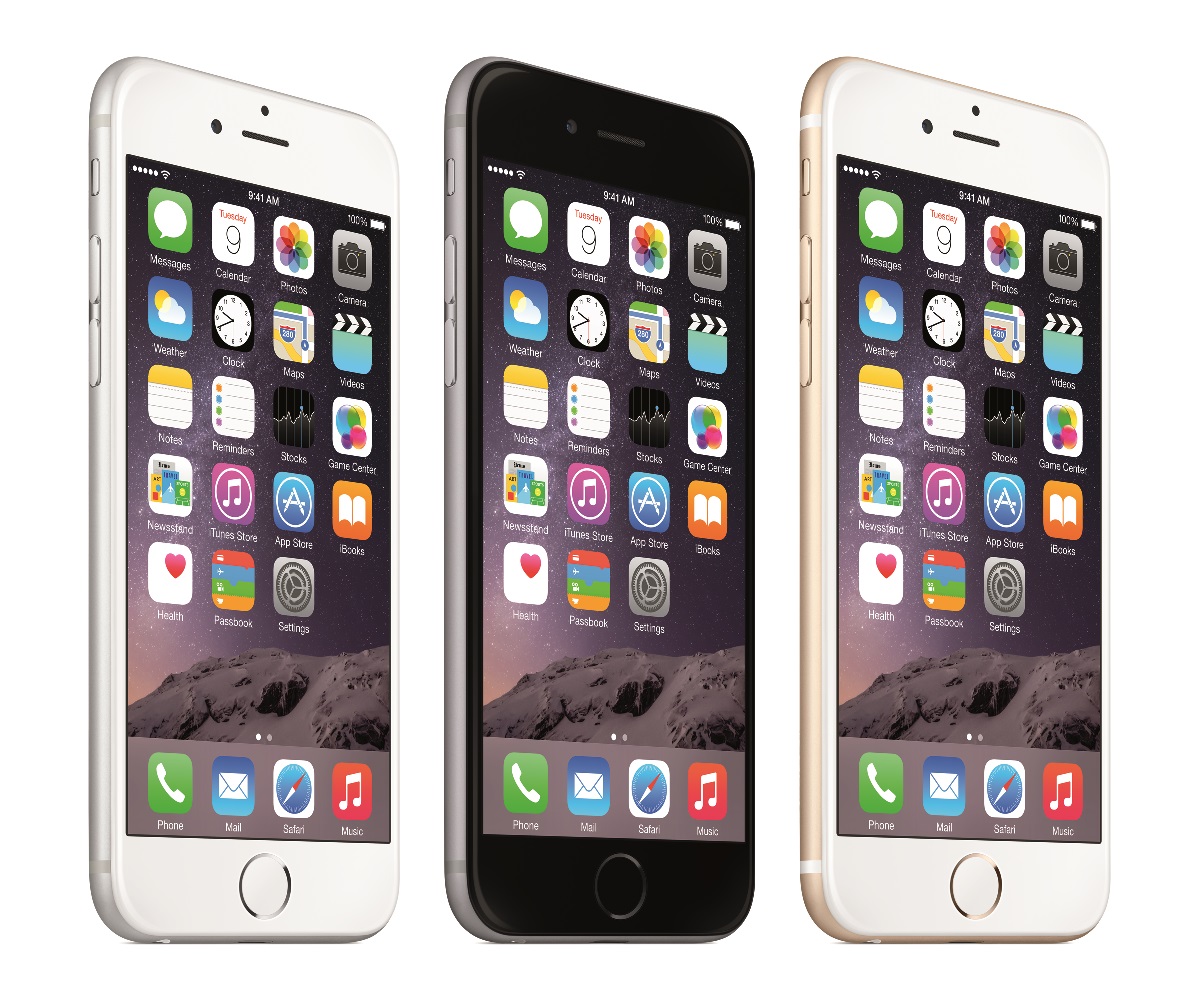
Samsung Boasts of Higher Sales Than iPhone’s
Management at Samsung recently boasted that it sold 20 million handsets in the past quarter, compared with Apple’s (NASDAQ: AAPL) 17 million iPhone sales, the Wall Street Journal reports. The boast does not mean much. Samsung has been unable to…


One of the reasons Samsung’s sales volume is not impressive is that wireless carriers still spend large sums for the iPhone. In some cases those fees are estimated to be $500 per unit. Samsung, however, gets nowhere near that much per unit. Neither do any other smartphone makers.
One fact that companies in the smartphone race like to disclose is how well their unit volume has been as they introduce new Google (NASDAQ: GOOG) Android-based devices. Most of these manufacturers say that Android’s market share is much larger than that of the Apple iOS. The market share argument is true because Android runs on so many devices.
Samsung can claim it has more Android-based devices that any other company in the business. That is not much of a claim. Android may be popular, but the product still lacks many of the features Apple has. The most important of these is Apple’s App Store. The software sold there helps tether the company to customers as they customize their iPhones and iPads. Samsung does not mention this disadvantage. That would only further tarnish its claim that sales volume is some kind of victory over Apple.
The most convenient way for competitors to try to convince investors and analysts that the iPhone’s best days are behind it is to ignore the Apple smartphone’s advantage by not acknowledging the important ecosystem Apple has built around the phone. This ecosystem allows Apple to charge a premium for the iPhone. Samsung can keep its sales lead. It barely makes a profit on each handset it ships.
Douglas A. McIntyre
Contact [email protected] for any questions or corrections.
Douglas A. McIntyre is the co-founder, chief executive officer and editor in chief of 24/7 Wall St. and 24/7 Tempo. He has held these jobs since 2006.
McIntyre has written thousands of articles for 24/7 Wall St. He is an expert on corporate finance, the automotive industry, media companies and international finance. He has edited articles on national demographics, sports, personal income and travel.
His work has been quoted or mentioned in The New York Times, The Wall Street Journal, Los Angeles Times, The Washington Post, NBC News, Time, The New Yorker, HuffPost USA Today, Business Insider, Yahoo, AOL, MarketWatch, The Atlantic, Bloomberg, New York Post, Chicago Tribune, Forbes, The Guardian and many other major publications. McIntyre has been a guest on CNBC, the BBC and television and radio stations across the country.
A magna cum laude graduate of Harvard College, McIntyre also was president of The Harvard Advocate. Founded in 1866, the Advocate is the oldest college publication in the United States.
TheStreet.com, Comps.com and Edgar Online are some of the public companies for which McIntyre served on the board of directors. He was a Vicinity Corporation board member when the company was sold to Microsoft in 2002. He served on the audit committees of some of these companies.
McIntyre has been the CEO of FutureSource, a provider of trading terminals and news to commodities and futures traders. He was president of Switchboard, the online phone directory company. He served as chairman and CEO of On2 Technologies, the video compression company that provided video compression software for Adobe’s Flash. Google bought On2 in 2009.