Airlines Finally Get Tough on Boeing and Airbus Flaws
Two brand new planes — the Boeing (NYSE: BA) 787 Dreamliner and Airbus super jumbo A380 — have developed cracks. It is an extraordinary piece of news, given the years it took to design, build and test the products. Airlines have held off…


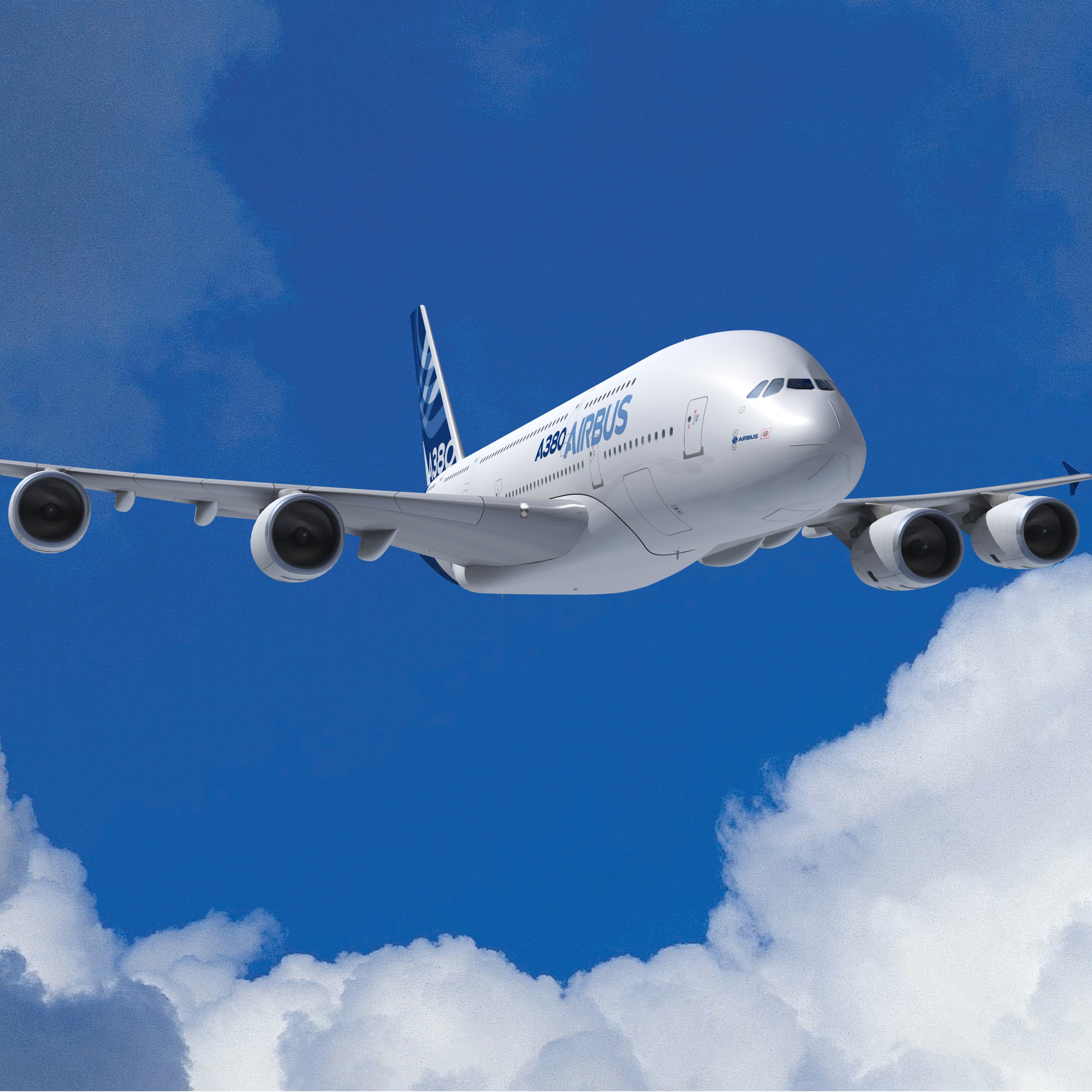
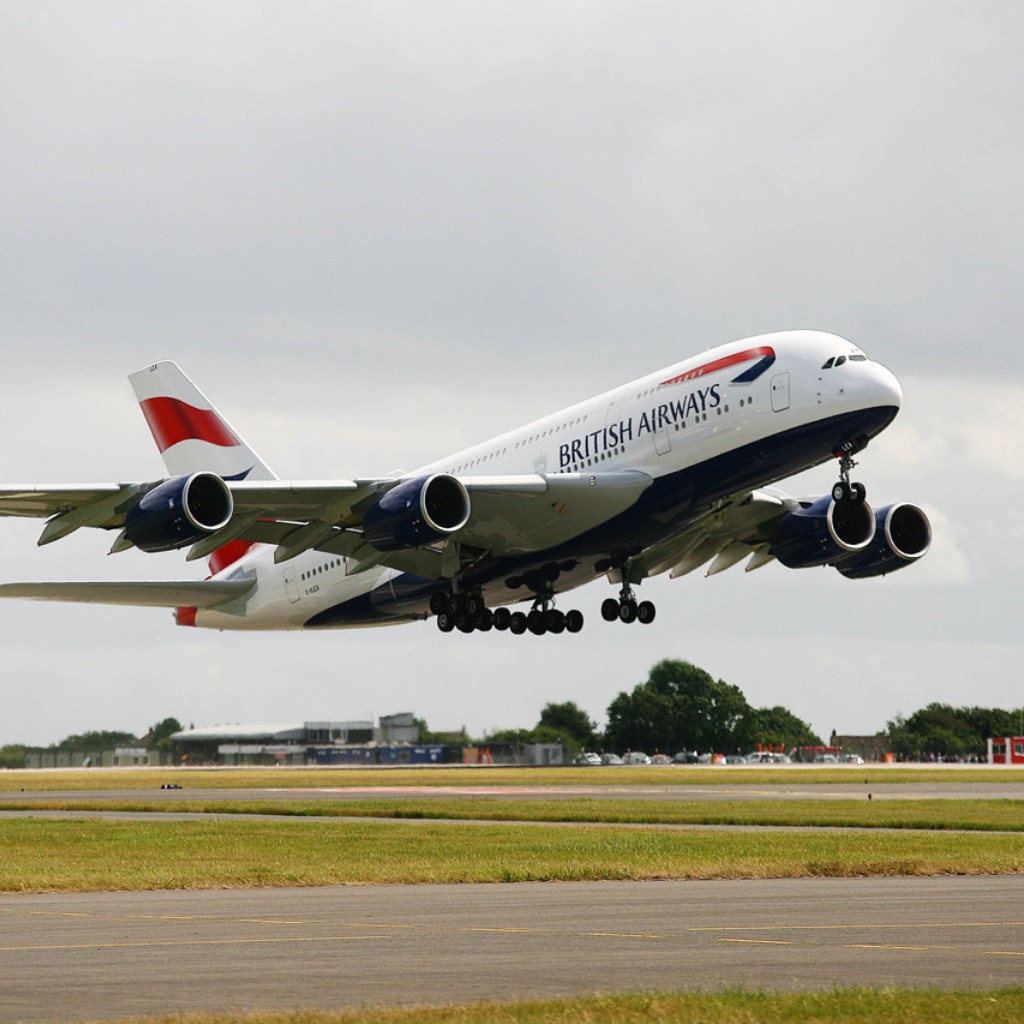
Emirate Air is the world’s largest operator of A380s. The Financial Times reports that the carrier will seek large sums of compensation from Airbus because of lost revenue as the planes have been grounded. The sum is already $90 million, the carrier’s president said. There is no ready fix for cracks in the plane’s wings, so that cost could mount.
Emirate Air is not the only carrier that has problems with the A380. Qantas and Korean Air have grounded much of their fleets. Each almost certainly has lost large sums while the planes have been out of service, in some cases for weeks. The problem finally reached the point that all A380s will need to be examined.
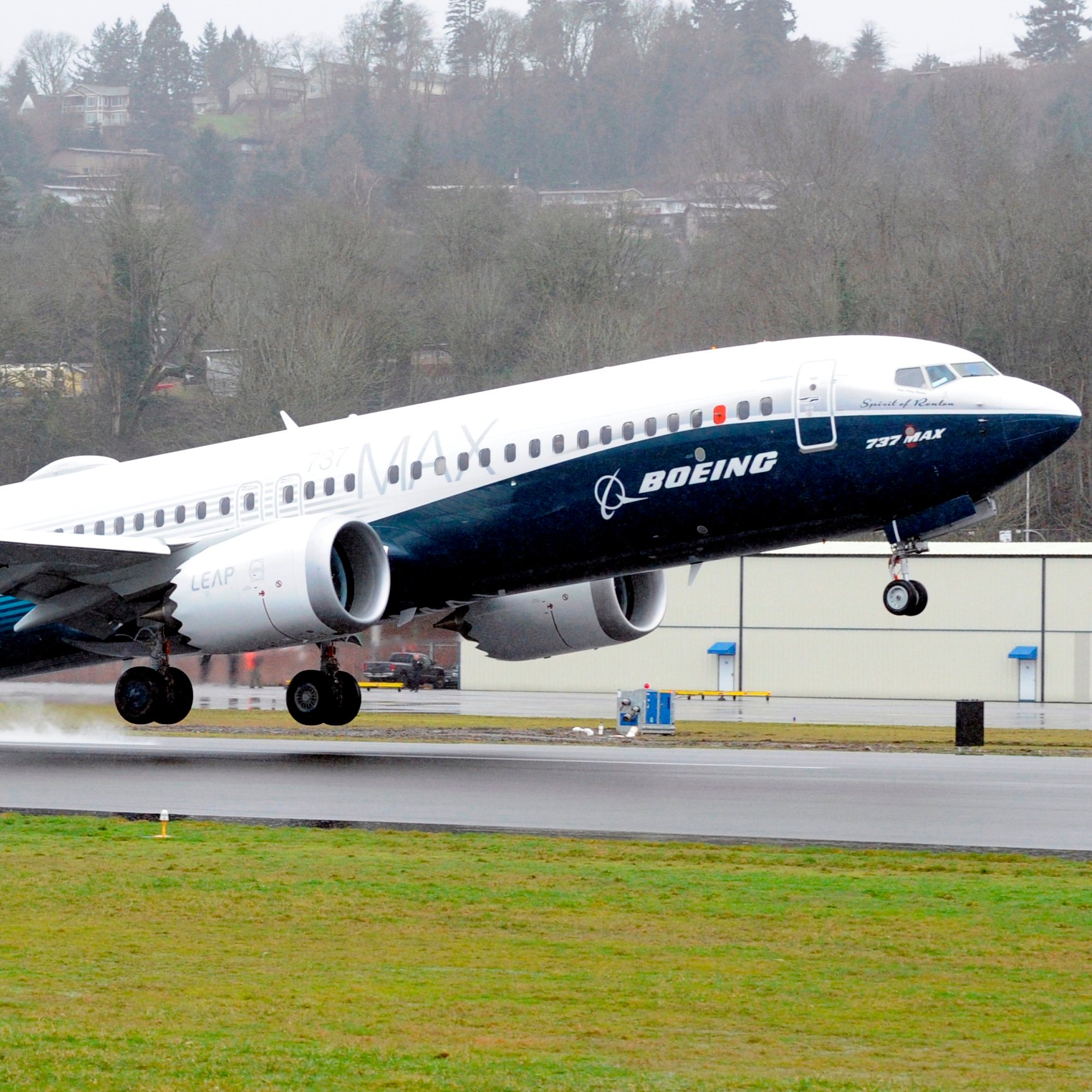
At nearly the same time as the A380 issues emerged, the Boeing 787 Dreamliner developed trouble with some of the composite material in the tails of the planes. Boeing said as many as 55 aircraft were affected. The problem comes after a set of delays that made the delivery of the plane at least three years late.
Boeing and Airbus will face resistance from customers, and entirely reasonable resistance, if it claims the cracks were a normal part of the launch of a new product that has millions of parts. The argument has no merit at all. Each plane costs tens of millions of dollars for the carriers that buy it. Boeing and Airbus should pay for any time that the 787 and A380 are out of service, no matter what the manufacturers incur in losses for themselves and their shareholders. Whether shareholders also ask for compensation is an entirely different matter. For now, new planes with broken parts should trigger compensation and penalties immediately.
Douglas A. McIntyre
Contact [email protected] for any questions or corrections.
Douglas A. McIntyre is the co-founder, chief executive officer and editor in chief of 24/7 Wall St. and 24/7 Tempo. He has held these jobs since 2006.
McIntyre has written thousands of articles for 24/7 Wall St. He is an expert on corporate finance, the automotive industry, media companies and international finance. He has edited articles on national demographics, sports, personal income and travel.
His work has been quoted or mentioned in The New York Times, The Wall Street Journal, Los Angeles Times, The Washington Post, NBC News, Time, The New Yorker, HuffPost USA Today, Business Insider, Yahoo, AOL, MarketWatch, The Atlantic, Bloomberg, New York Post, Chicago Tribune, Forbes, The Guardian and many other major publications. McIntyre has been a guest on CNBC, the BBC and television and radio stations across the country.
A magna cum laude graduate of Harvard College, McIntyre also was president of The Harvard Advocate. Founded in 1866, the Advocate is the oldest college publication in the United States.
TheStreet.com, Comps.com and Edgar Online are some of the public companies for which McIntyre served on the board of directors. He was a Vicinity Corporation board member when the company was sold to Microsoft in 2002. He served on the audit committees of some of these companies.
McIntyre has been the CEO of FutureSource, a provider of trading terminals and news to commodities and futures traders. He was president of Switchboard, the online phone directory company. He served as chairman and CEO of On2 Technologies, the video compression company that provided video compression software for Adobe’s Flash. Google bought On2 in 2009.