Is Carnival Doing Everything It Can About COVID-19?
Is Carnival doing all it can to prevent the spread of COVID-19? It is still putting ships to sea knowing full well that there is a chance people aboard could be infected.

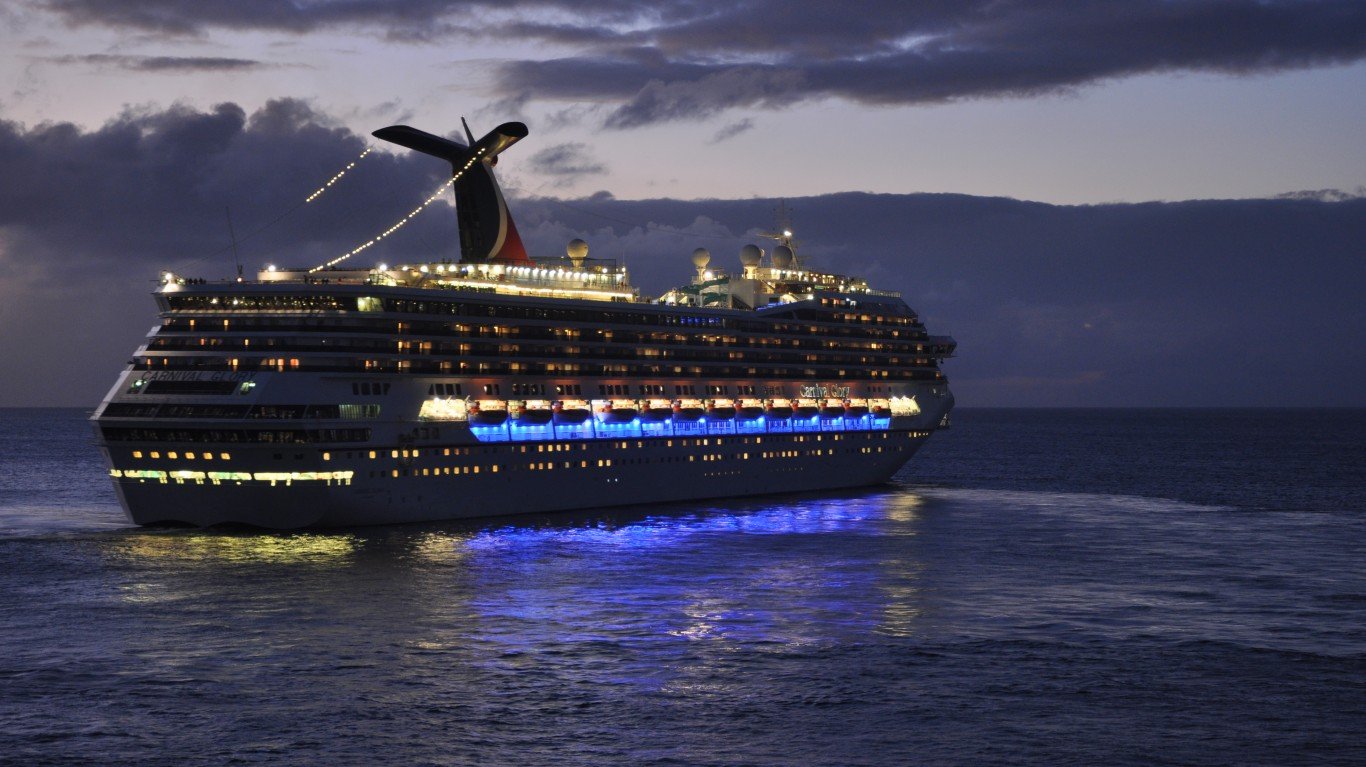
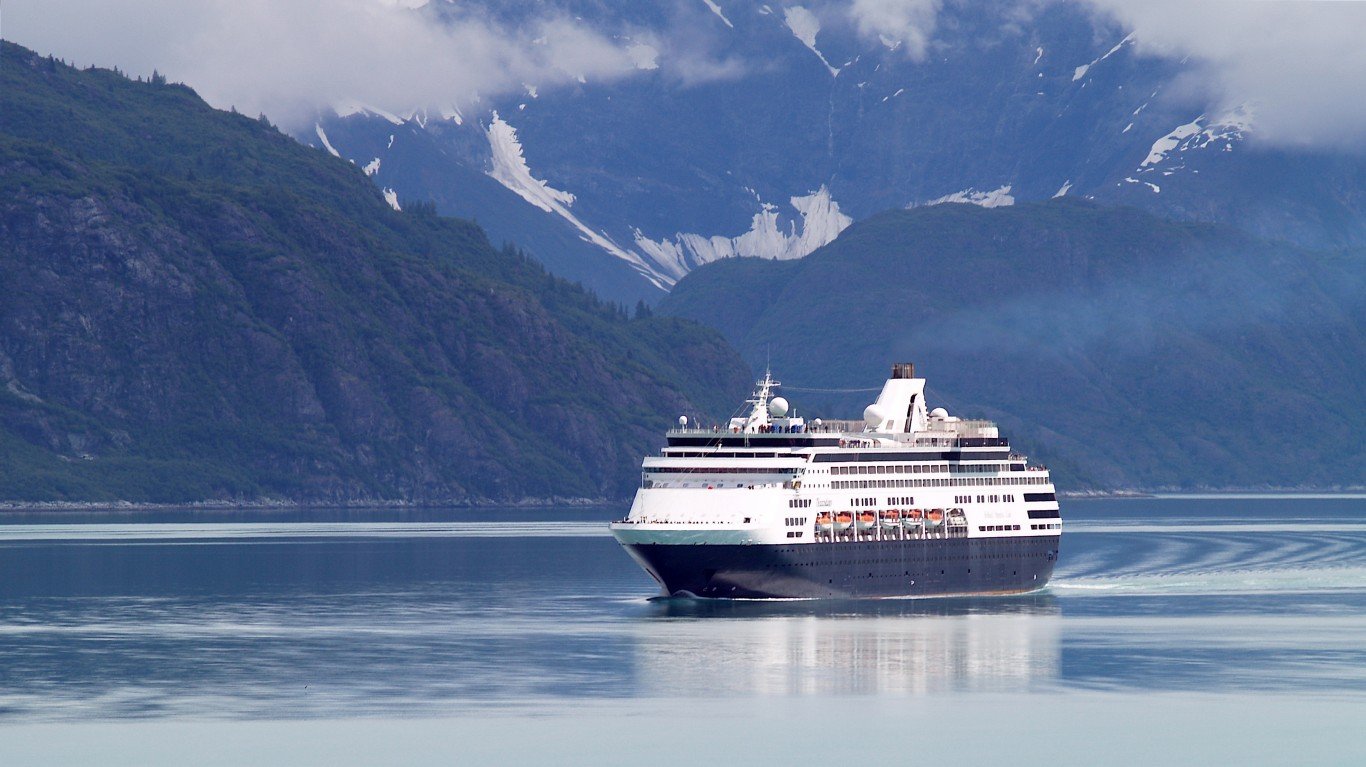
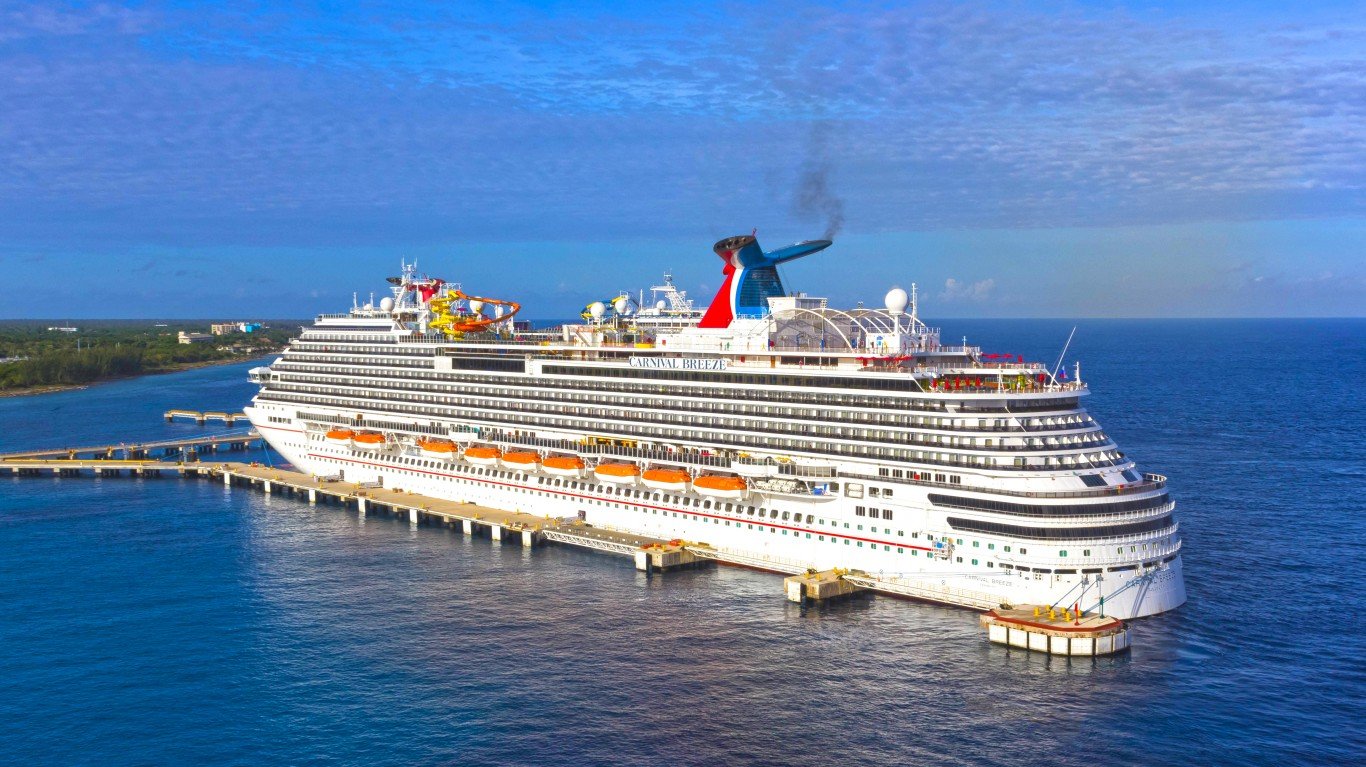
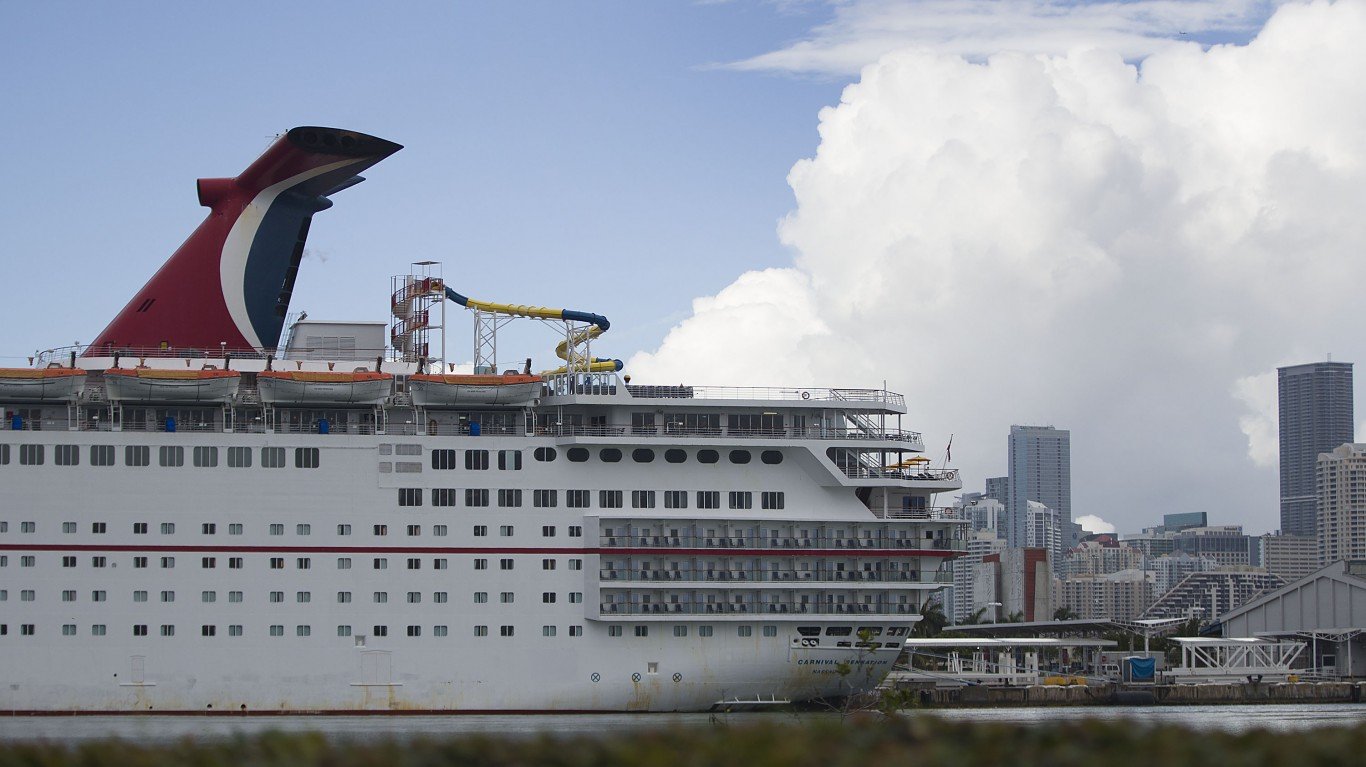
Carnival Corp. (NYSE: CCL) is still putting ships to sea, loaded with hundreds of passengers. Since cruise ships have become one of the major causes of the spread of COVID-19, has Carnival done enough? Probably not.
Carnival would clearly make two arguments. The first is that it is taking all the advice from the CDC, WHO and the Cruise Lines International Association to monitor passengers and enhance ship cleaning standards and the standards at ports. It is also screening destinations for the illness. It is giving tips for healthy travel. However, it is also allowing ships to leave port with the knowledge that people may have contracted the disease and may not show symptoms for days.
Carnival’s second argument is that if it cancels all cruises, it would quickly run into extremely serious financial problems.
In a growing number of cases, people who do not know they are ill do go to public places. Also, in a growing number of cases, these people have infected others. There is no effective way, yet, to screen for these human carriers. That means some of them could make it aboard very crowded ships.
Cruise ships are already one of the major sources of the spread of COVID-19. The cruise ship environment has increased the number of passengers who carry the disease and interact in a small area.
Is Carnival doing all that it can to prevent the spread of COVID-19? It is still putting ships to sea knowing full well that there is a chance people aboard could be infected but have not shown symptoms yet. That is well short of “everything.”
Contact [email protected] for any questions or corrections.
Douglas A. McIntyre is the co-founder, chief executive officer and editor in chief of 24/7 Wall St. and 24/7 Tempo. He has held these jobs since 2006.
McIntyre has written thousands of articles for 24/7 Wall St. He is an expert on corporate finance, the automotive industry, media companies and international finance. He has edited articles on national demographics, sports, personal income and travel.
His work has been quoted or mentioned in The New York Times, The Wall Street Journal, Los Angeles Times, The Washington Post, NBC News, Time, The New Yorker, HuffPost USA Today, Business Insider, Yahoo, AOL, MarketWatch, The Atlantic, Bloomberg, New York Post, Chicago Tribune, Forbes, The Guardian and many other major publications. McIntyre has been a guest on CNBC, the BBC and television and radio stations across the country.
A magna cum laude graduate of Harvard College, McIntyre also was president of The Harvard Advocate. Founded in 1866, the Advocate is the oldest college publication in the United States.
TheStreet.com, Comps.com and Edgar Online are some of the public companies for which McIntyre served on the board of directors. He was a Vicinity Corporation board member when the company was sold to Microsoft in 2002. He served on the audit committees of some of these companies.
McIntyre has been the CEO of FutureSource, a provider of trading terminals and news to commodities and futures traders. He was president of Switchboard, the online phone directory company. He served as chairman and CEO of On2 Technologies, the video compression company that provided video compression software for Adobe’s Flash. Google bought On2 in 2009.