XRP is a digital currency and the native token of the Ripple network, a blockchain-based payment protocol designed to facilitate fast, low-cost cross-border transactions. Created by Ripple Labs in 2012, XRP serves as a bridge currency in the Ripple network, allowing for the seamless exchange of different fiat currencies and cryptocurrencies.
Unlike many other cryptocurrencies, XRP does not rely on traditional blockchain consensus mechanisms like Proof of Work or Proof of Stake. Instead, it utilizes a unique consensus protocol called the Ripple Protocol Consensus Algorithm (RPCA) to validate transactions, making it faster and more energy-efficient.
One of XRP's primary use cases is facilitating international money transfers and remittances, enabling financial institutions and payment providers to settle transactions quickly and at a lower cost compared to traditional banking systems. Ripple aims to revolutionize the global payments industry by offering greater efficiency, transparency, and liquidity through its network and XRP token.
Despite its utility and adoption by numerous financial institutions, XRP has faced regulatory challenges in some jurisdictions due to its association with Ripple Labs and concerns about its classification as a security. Nonetheless, XRP remains one of the largest cryptocurrencies by market capitalization and continues to play a significant role in the digital payments ecosystem.
In a memo, Bitwise Chief Investment Officer Matt Hougan compared the CLARITY Act to crypto’s Punxsutawney Phil, suggesting a failed Senate vote would lead to prolonged stagnation for the sector. The bill was defeated…
Producing one Bitcoin (CRYPTO:BTC) costs approximately $78,000, according to JPMorgan. The price of Bitcoin remained below this production cost for five consecutive months up to June 2026. This situation creates financial strain for miners,…
Software has been transacting with other software for a year, and most people are unaware of it. By late April 2026, Coinbase reported 69,000 active agents and 165 million transactions, totaling around $50 million…
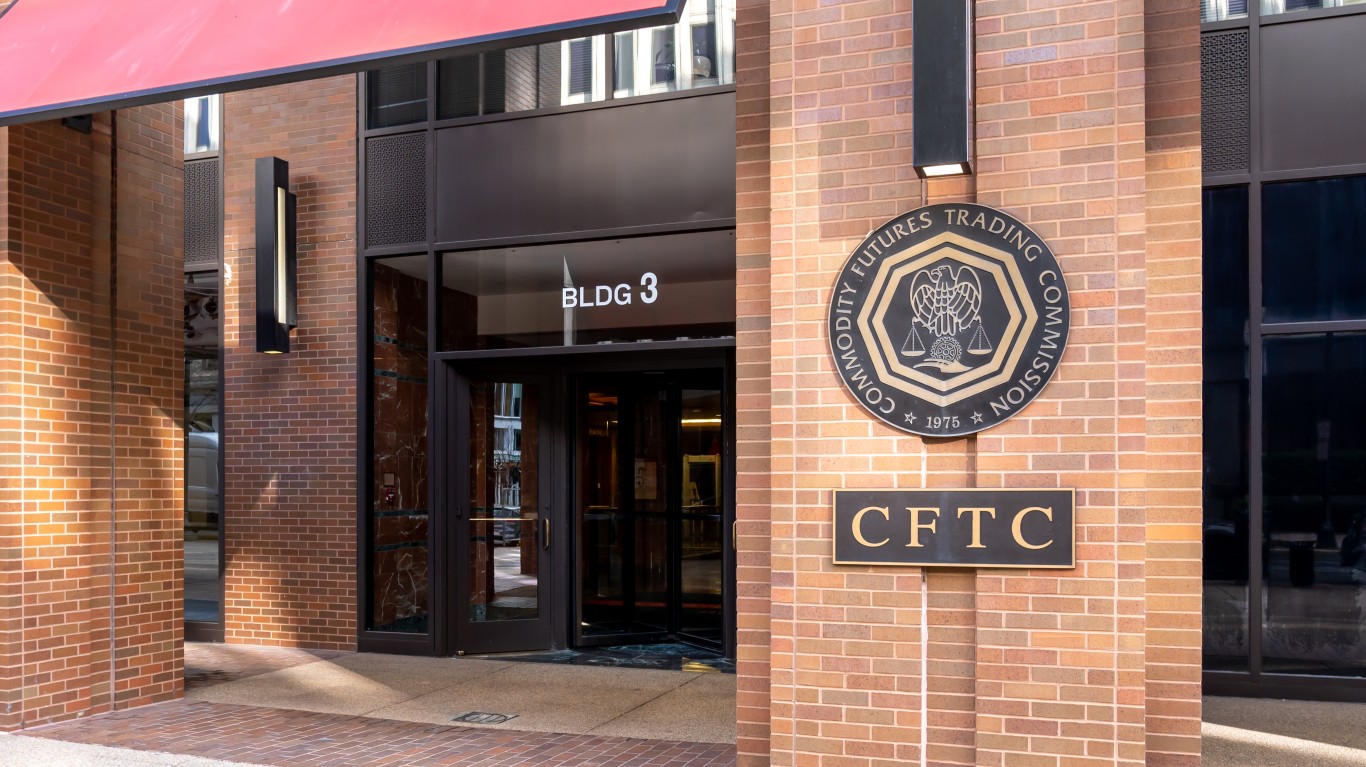
On September 17, 2026, the Commodity Futures Trading Commission submitted its rulemaking for the crypto market to the White House Office of Information and Regulatory Affairs, just two days after the Senate rejected the…
Ripple has connected XRP to a payment system where the buyer is a piece of software rather than a person. The process involves that software requesting a service, which then quotes a price. The…
The Senate refused to end debate on the CLARITY Act on September 15, 2026, with 49 senators voting yes and 50 voting no, eleven short of the sixty needed. Two days later, the SEC…
XRP (CRYPTO:XRP) serves three key functions. It facilitates payment settlements between currencies, acts as collateral for positions at prime brokers, and more recently, it covers expenses for software agents. The latter function was introduced…
XRP (CRYPTO:XRP) holders spent this year anticipating the Digital Asset Market Clarity Act, a bill intended to write XRP’s commodity status into federal law rather than leaving it subject to regulatory changes. The bill…
The CLARITY Act failed to advance in the Senate, leaving XRP (CRYPTO:XRP) without the broader federal crypto framework many investors expected. Now, the SEC and CFTC say they can move ahead with new crypto…
The U.S. Senate voted 49-50 against advancing the CLARITY Act on September 15, falling eleven votes short of the 60 needed to end debate. The defeat leaves crypto’s market-structure rules in the hands of…
XRP (CRYPTO: XRP), Ethereum (CRYPTO: ETH), and Solana (CRYPTO: SOL) fell after the Senate failed to advance the CLARITY Act with a 49-50 vote against cloture, but investors had different reasons to care. XRP holders…
Ethereum (CRYPTO:ETH) had the smallest reaction of the four major cryptocurrencies when the Federal Reserve raised interest rates for the first time in three years. While Bitcoin (CRYPTO:BTC), Solana (CRYPTO:SOL) and XRP (CRYPTO:XRP) moved…
Goldman Sachs told clients on the morning of September 15, 2026, that it expected the Federal Reserve to raise rates the next day but did not expect another hike to be its baseline. Less…
The CLARITY Act needed 60 votes to advance in the Senate on Tuesday and got 50. A day later, the two regulators who’d been waiting on that bill said they’re done waiting. SEC Chair Paul…
Tom Lee went on television September 15 and called one of the biggest rallies of our lifetime for the final stretch of 2026. Less than 24 hours later, the Federal Reserve raised rates and…