We Asked ChatGPT if SEC and CFTC Rules Can Replace the CLARITY Act for XRP
The SEC and CFTC are promising new crypto rules without waiting for Congress, but ChatGPT finds a critical flaw in that plan that could leave XRP exactly where it started.

This post may contain links from our sponsors and affiliates, and Flywheel Publishing may receive compensation for actions taken through them.

The CLARITY Act failed to advance in the Senate, leaving XRP (CRYPTO:XRP) without the broader federal crypto framework many investors expected. Now, the SEC and CFTC say they can move ahead with new crypto rules using authority they already have.
We asked ChatGPT to examine what SEC and CFTC rules could change for XRP, where those powers stop, and whether they could provide the same regulatory certainty as the CLARITY Act.
What Does ChatGPT Think the SEC and CFTC Can Do for XRP?

ChatGPT believes the SEC and CFTC can act on pieces of what the CLARITY Act would have done, but neither agency can grant itself power Congress hasn’t given it, and neither can write a rule that a future chair can’t undo.
The SEC can write rules on how crypto tokens are offered, what issuers must disclose, and when a token counts as a security rather than a commodity, using authority Congress already gave it under the securities laws. Atkins framed the agency’s push in those terms, describing rulemaking as a head start on legislation rather than a replacement.
Ripple’s years-long SEC lawsuit already resolved the core securities question for XRP sold on secondary markets. New SEC rules on token offerings would mainly affect how XRP-linked products get issued and disclosed going forward, which would still narrow the regulatory uncertainty facing Ripple and other XRP-related businesses.
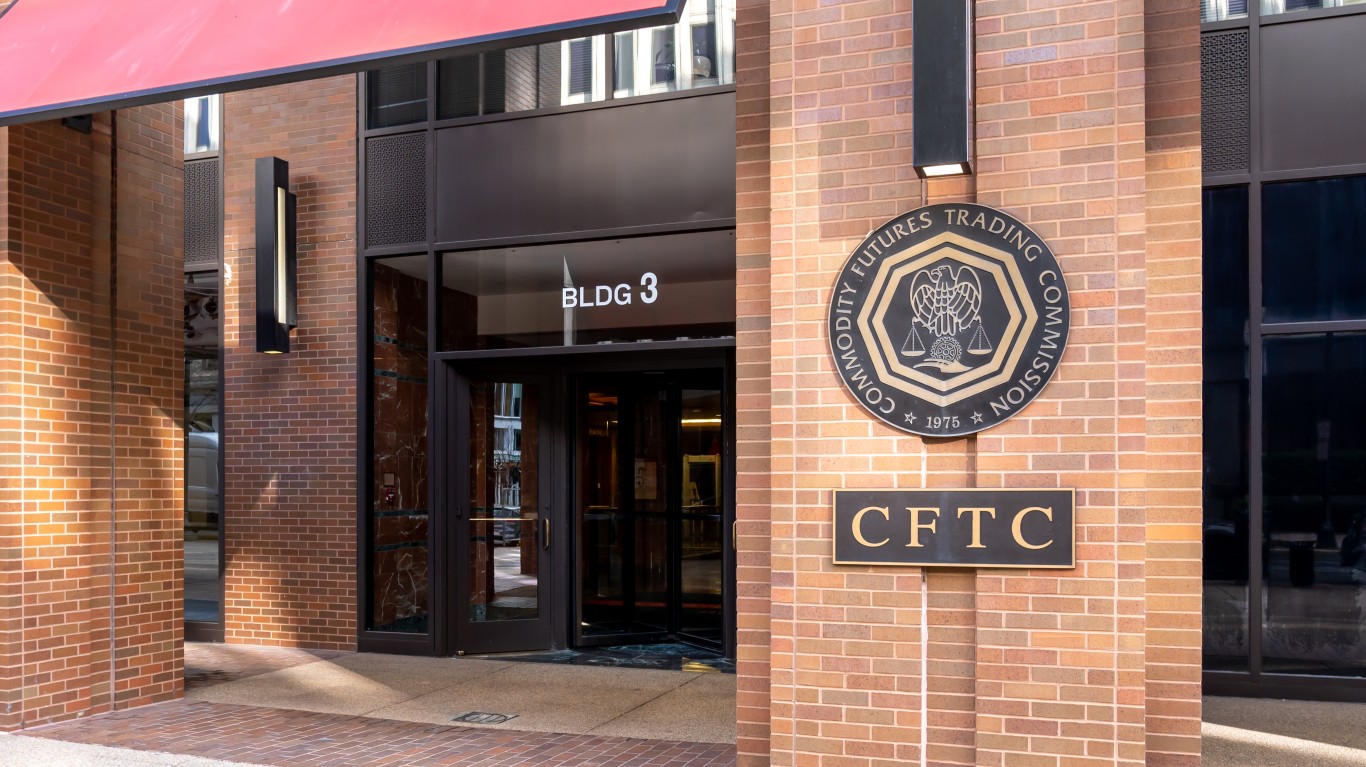
Meanwhile, the CFTC already regulates commodities under the Commodity Exchange Act, and Selig has directed staff to draft rules for a new exchange-registration category for spot crypto trading. US exchanges currently operate mainly under state money-transmitter licenses, because the CFTC has clear authority over futures markets but not spot markets the way the CLARITY Act would have given it.
Selig’s proposed registration category would let spot exchanges register with the CFTC and follow rules on market integrity, financial resources and operational safeguards, similar to regulated futures markets. Selig has also asked staff to develop rules for leveraged retail crypto trading, which would give traders a regulated US alternative to offshore platforms. Together, those two rulemakings would give XRP a more defined trading framework than it has today, without changing its underlying legal classification.
Where the Two Agencies’ Powers Stop?

Agency rules face two limits regardless of who signs them. First, an agency can only act within the power Congress has already given it under an existing statute. The CFTC’s authority over spot commodity markets is narrower than its authority over futures, and no CFTC rule can expand that authority on its own. Only a new statute can hand the CFTC the broader spot-market jurisdiction the CLARITY Act would have granted.
Second, a rule written under existing authority can be reversed. A future SEC or CFTC chair can rewrite or withdraw it without needing Congress, reproducing the same instability the CLARITY Act was meant to end.
The CLARITY Act was designed to fix both problems at once. It would have written XRP’s commodity status directly into federal statute rather than leaving it to an interpretive release, and it would have given the CFTC explicit jurisdiction over digital-commodity spot exchanges, brokers, and dealers. A statute outranks agency guidance, so the next administration couldn’t reverse either piece by memo.
The bill also included a network maturity test, a standard for when a token moves from SEC oversight to CFTC oversight based on how decentralized its network has become. Writing that test into federal law is a legislative act, because it redefines what counts as a security under existing statutes.
Would XRP Still Need Congress?
ChatGPT’s final assessment is that the SEC and CFTC can partly fill the gap, not replace the CLARITY Act. Agency rules can reduce uncertainty and give exchanges a registration route this year. However, they can’t make XRP’s commodity status permanent, and they can’t survive a leadership change at either agency the way a statute would.
Congress has already shown what that permanence looks like for one corner of crypto. The GENIUS Act, signed into law in July 2025, set a federal framework for payment stablecoins through statute, not agency guidance, and neither the SEC nor the CFTC can unwind it on their own. XRP still lacks this permanence without the passage of the CLARITY Act.
For XRP’s regulatory position to become permanent, the CLARITY Act, or a bill like it, would need to pass both chambers of Congress and get signed into law. Until that happens, XRP operates under rules regulators wrote for themselves and could just as easily rewrite.
Contact [email protected] for any questions or corrections.
Sam Daodu is a crypto analyst who's spent nearly a decade making blockchain understandable—no easy task when most whitepapers read like fever dreams. He writes for 24/7 Wall St., covering Bitcoin, altcoins, and crypto market analysis for investors. Before crypto, he was a tech writer (back when explaining "the cloud" was peak innovation). Since 2018, he's written for CoinTelegraph, Yahoo Finance, The Block, Cryptonews, Zypto, Rain, and more—basically anywhere people want crypto news without the headache. Sam runs MacLabs Marketing, a content agency for crypto brands tired of sounding like AI wrote their website. He also publishes free crypto education on his site for Web3 enthusiasts who think "gas fees" is a typo. When he's not writing or staring at charts, Sam's either: - Watching anime (currently convinced One Piece has better tokenomics than most altcoins) - At the gym sculpting himself into a Greek god - Listening to the music your mum warned you only bad boys listen to Connect: LinkedIn | Email | MacLabs Marketing