Bitwise CIO Matt Hougan Adjusts His Crypto Outlook After the Senate Vote. Here’s What He Changed
Bitwise CIO Matt Hougan reversed a months-long warning about the CLARITY Act within 24 hours of its Senate defeat, and the market celebrated his pivot. But three quiet caveats buried in his memo tell a different story about what he…


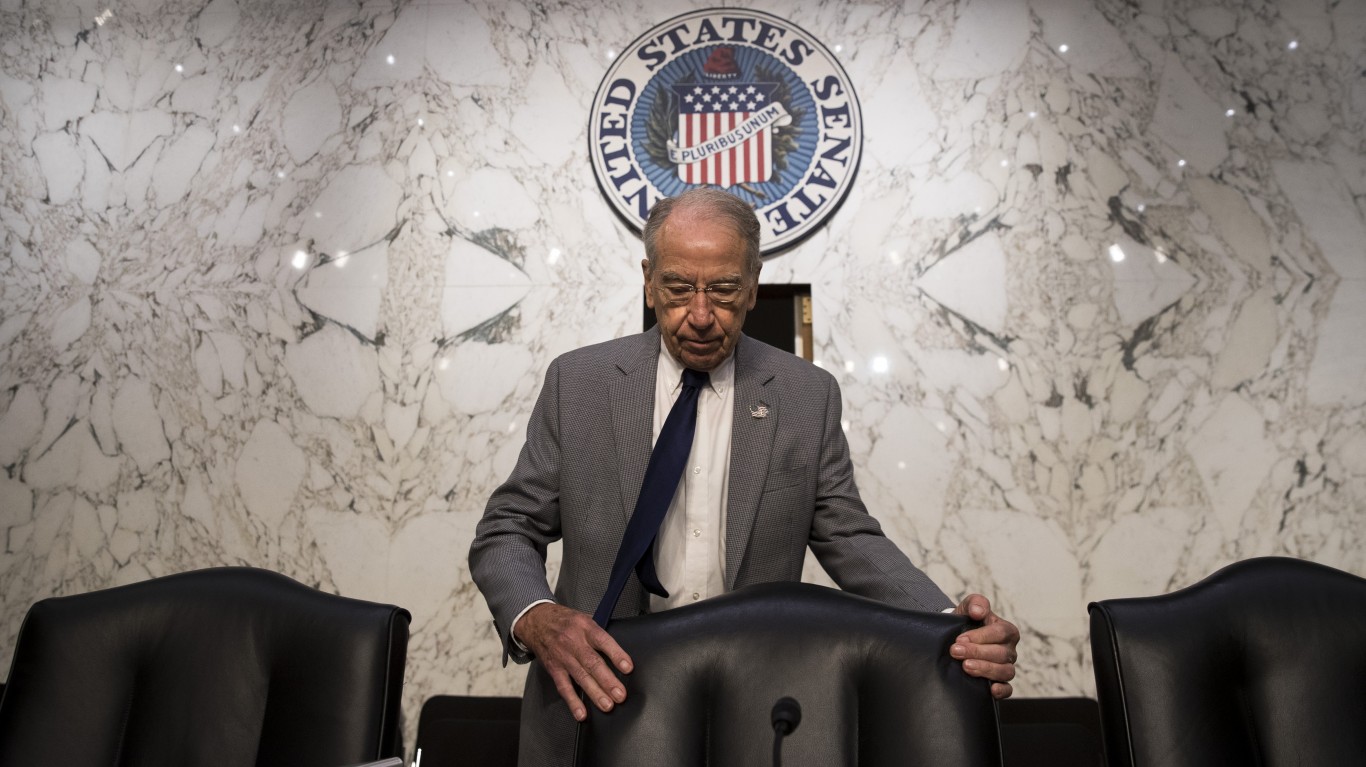
In a memo, Bitwise Chief Investment Officer Matt Hougan compared the CLARITY Act to crypto’s Punxsutawney Phil, suggesting a failed Senate vote would lead to prolonged stagnation for the sector. The bill was defeated on September 15, 2026, by a vote of 49 to 50.
The next day, he withdrew his warning, framing the setback as a speed bump rather than a major obstacle. This change attracted media attention, while the three limitations he kept in his memo went largely unnoticed.
Revisiting Hougan’s Original Call in January

In January 2026, Hougan indicated that a failure of the CLARITY Act could hamper the expected crypto bull run. He believed passing the bill was vital to the market’s upward movement, a view he held until August.
Following the vote, Bitcoin (CRYPTO:BTC) fell about 4%, Ether 5.2%, and XRP 7.3%. During this time, Bitwise faced pressure of its own and laid off 14% of its workforce, a trend mirrored by Coinbase, Gemini, Crypto.com, and Kraken in the same year.
Bitcoin Rose 38% While the Odds Collapsed

While Polymarket’s odds of the CLARITY Act passing dropped from 39% to 18%, Bitcoin rebounded from a low of around $57,950 on July 1 to over $80,000 by September 4, a gain of 38%.
Hougan noted that if the bull market relied on the CLARITY Act, falling odds should have correlated with declining prices, but the market did the opposite. Bitwise did not present that relationship as proof that one caused the other.
Major firms advanced their crypto initiatives even as hopes for the bill faded. Robinhood (NASDAQ:HOOD | HOOD Price Prediction) launched the public mainnet of Robinhood Chain on July 1, Morgan Stanley (NYSE:MS) rolled out a Solana ETF for its wealth channel, and DTCC settled its first batch of tokenized stock trades.
“These firms found confidence in the fact that we have an extraordinarily pro-crypto SEC and CFTC through 2029,” Hougan wrote, describing what they got as clarity of conviction without clarity in law.
Three Key Limitations Retained by Hougan

Despite his bullish tone, Hougan stressed three enduring limitations.
- Agency rules can be reversed by future administrations.
- Only Congress can expand the CFTC’s authority over spot crypto markets.
- The CLARITY Act would have provided a more resilient framework than agency regulations.
He also maintained a cautious outlook for the near term, anticipating market weakness until further agency announcements. The Federal Reserve raised its target rate to 4.00% on September 16, the first increase since 2023.
That third limitation carries the most weight. A statute being more durable than a rule was his January reason for wanting the CLARITY Act at all, which makes this a trade rather than a conversion. He accepted a weaker framework because the market kept rising without a stronger one.
Was the Change Justified?
Hougan’s arguments remain sound, and his rapid correction stands out in an industry where misjudgments often go unaddressed. Robinhood, Morgan Stanley, and DTCC all acted consistently with his assertions about the market’s direction.
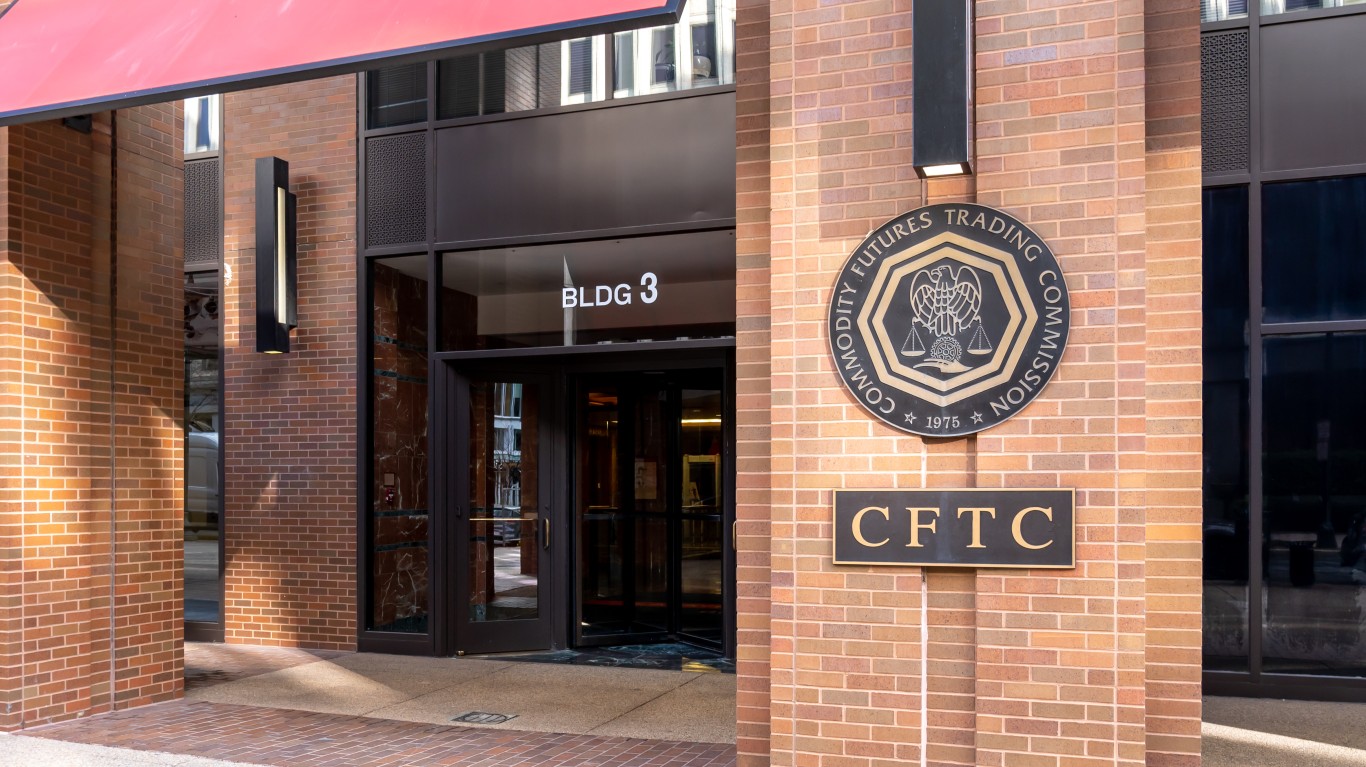
SEC Chairman Paul Atkins proposed Regulation Crypto Assets in August and said the agency was ready to address the same issues the bill covered, and CFTC Chairman Michael Selig said the morning after the vote that his agency was ready to publish its own rules.
Two things test the call from here. The first is whether the weakness he still flags ends when the SEC and CFTC publish their proposals, and the second is whether a change of administration ever arrives to prove his first limitation right. He revised the market view and left the risk warning intact, and the risk warning is half of the memo worth carrying into the fourth quarter.
Contact [email protected] for any questions or corrections.
Sam Daodu is a crypto analyst and the editor of 24/7 Wall St.'s Crypto Desk, where he covers Bitcoin, XRP, Ethereum, Solana and the altcoins investors search for most. His work focuses on price levels, spot ETF flows, on-chain data and the regulatory decisions that move crypto markets, written so a first-time buyer and a seasoned trader can both use it.
Sam has written about crypto professionally since 2019 and has published more than 2,000 articles. Before joining 24/7 Wall St., he wrote for crypto media outlets and Web3 companies and ghostwrote for crypto founders and token launches. His analysis is syndicated on Yahoo Finance, MSN and AOL and has been cited by other crypto news sites. He also founded MacLabs Marketing, a content and personal branding agency for crypto founders and executives.
When he isn't reading charts, Sam is usually at the gym or watching One Piece, a series he maintains has better tokenomics than most altcoins.