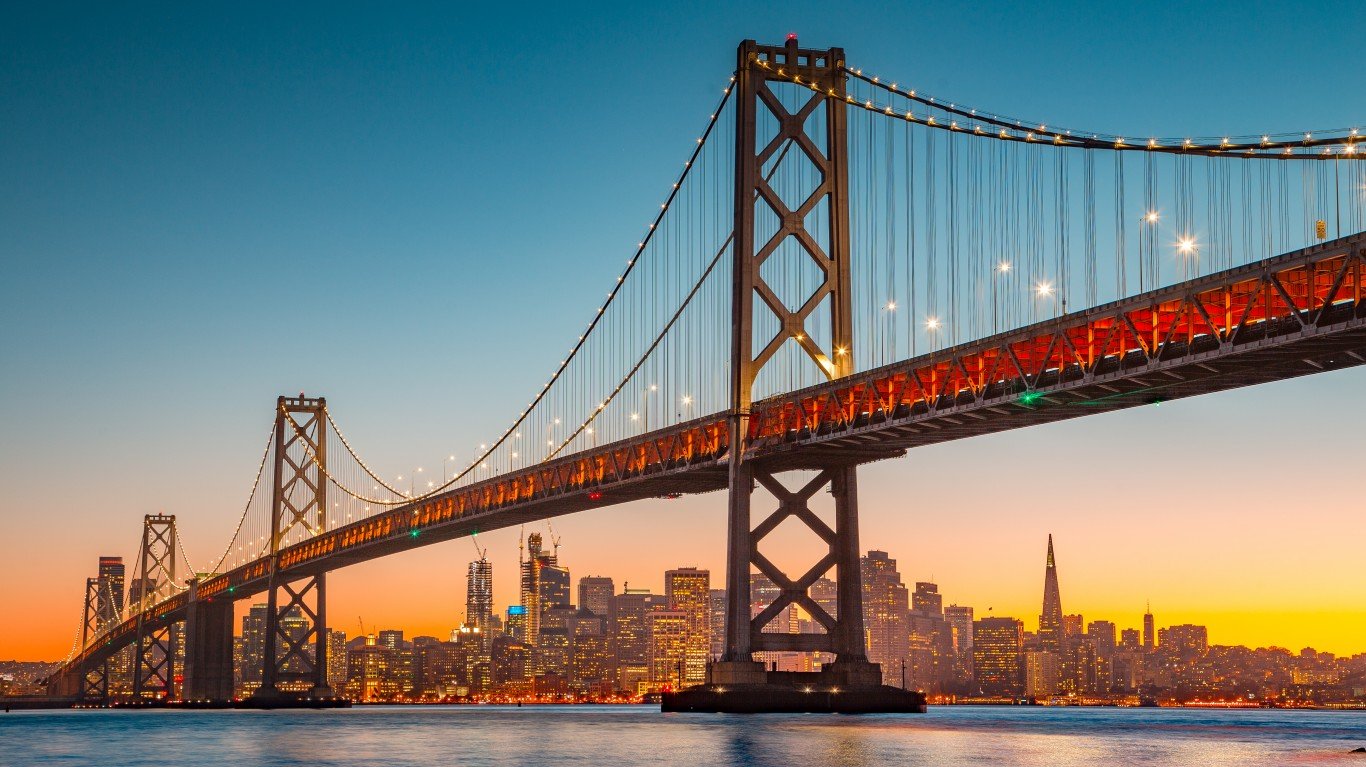
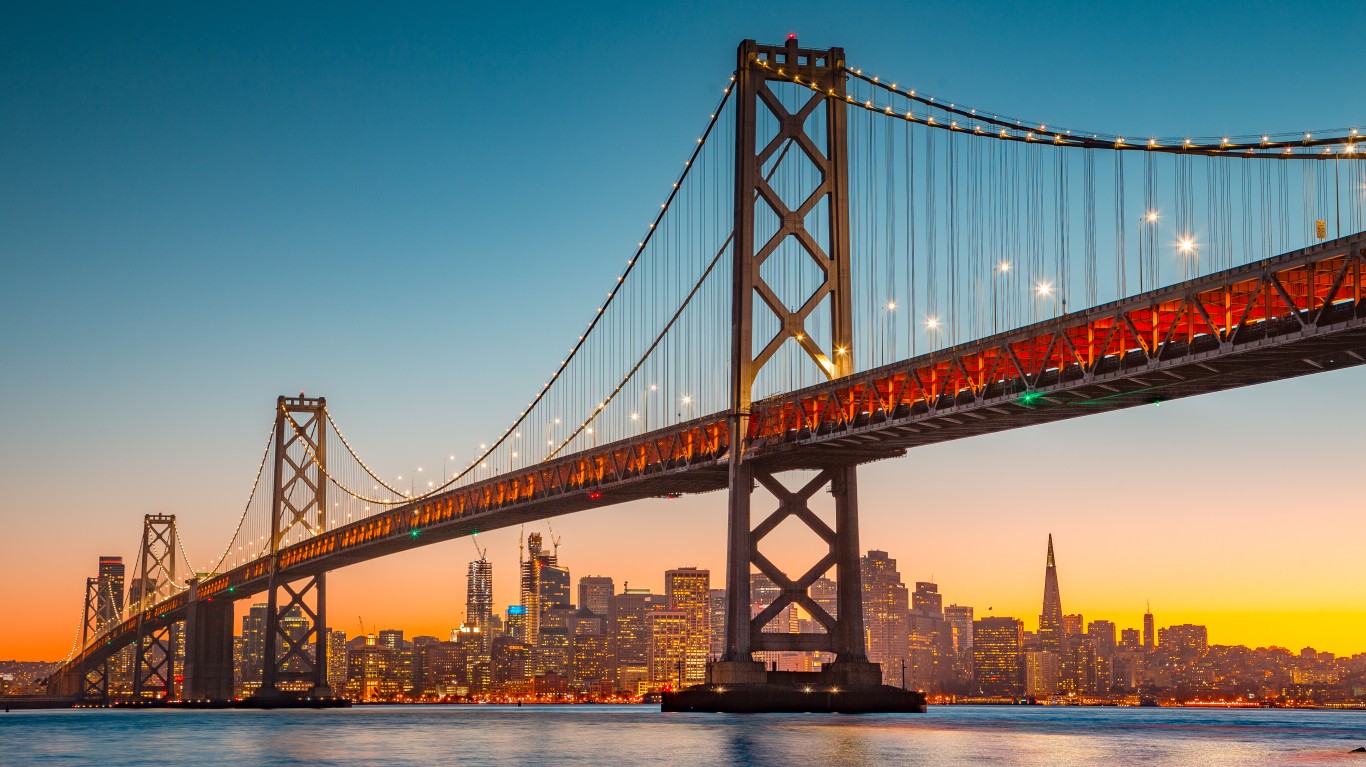
Flee San Francisco as Soon as Possible
San Francisco's problems will not get better within the foreseeable future. It will become a ghost of what it was just a few years ago.

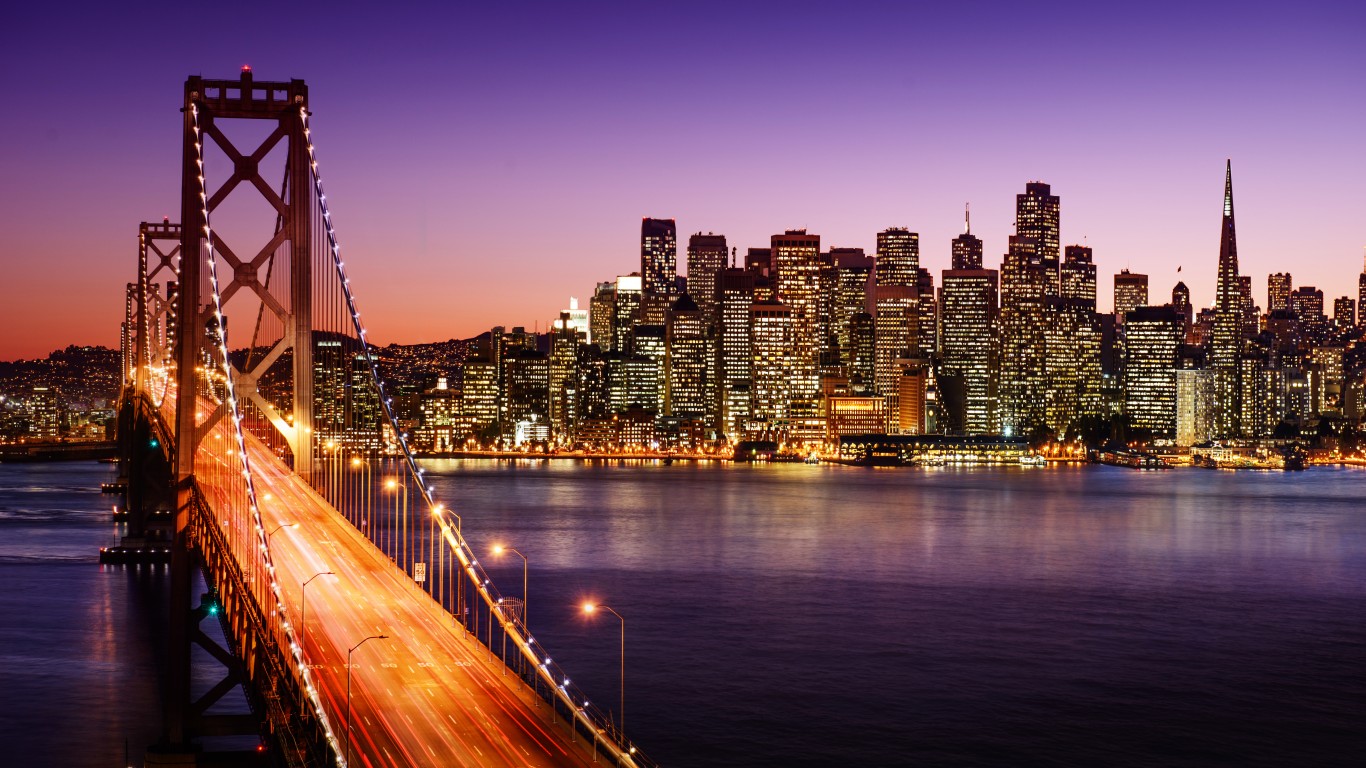
San Francisco was one of America’s great and storied cities for well over a century. It anchored the population on the Pacific Coast, along with Los Angeles. Forty years ago, its metro area was home to the unbelievable tech boom that made America the global industry’s leader. Its population surged, and residential housing in the area became among the most expensive in the United States. (The cost of housing has skyrocketed in these major U.S. cities.)
What a difference three years can make. The tech industry had grown too quickly. Some of America’s largest technology companies downsized, which was unimaginable at the start of the decade. San Francisco’s wealthy and upper middle class began to leave. Offices that were affordable when tech companies had monster profits became a financially unsuitable burden.
The exodus was not limited to residents and companies. The number of people who visited the city for business and pleasure collapsed. Once full, hotels started to shut down, according to The New York Times. Thomas J. Baltimore Jr., the chief executive of Park Hotels & Resorts, told reporters from the paper that “Now more than ever, we believe San Francisco’s path to recovery remains clouded and elongated by major challenges.”
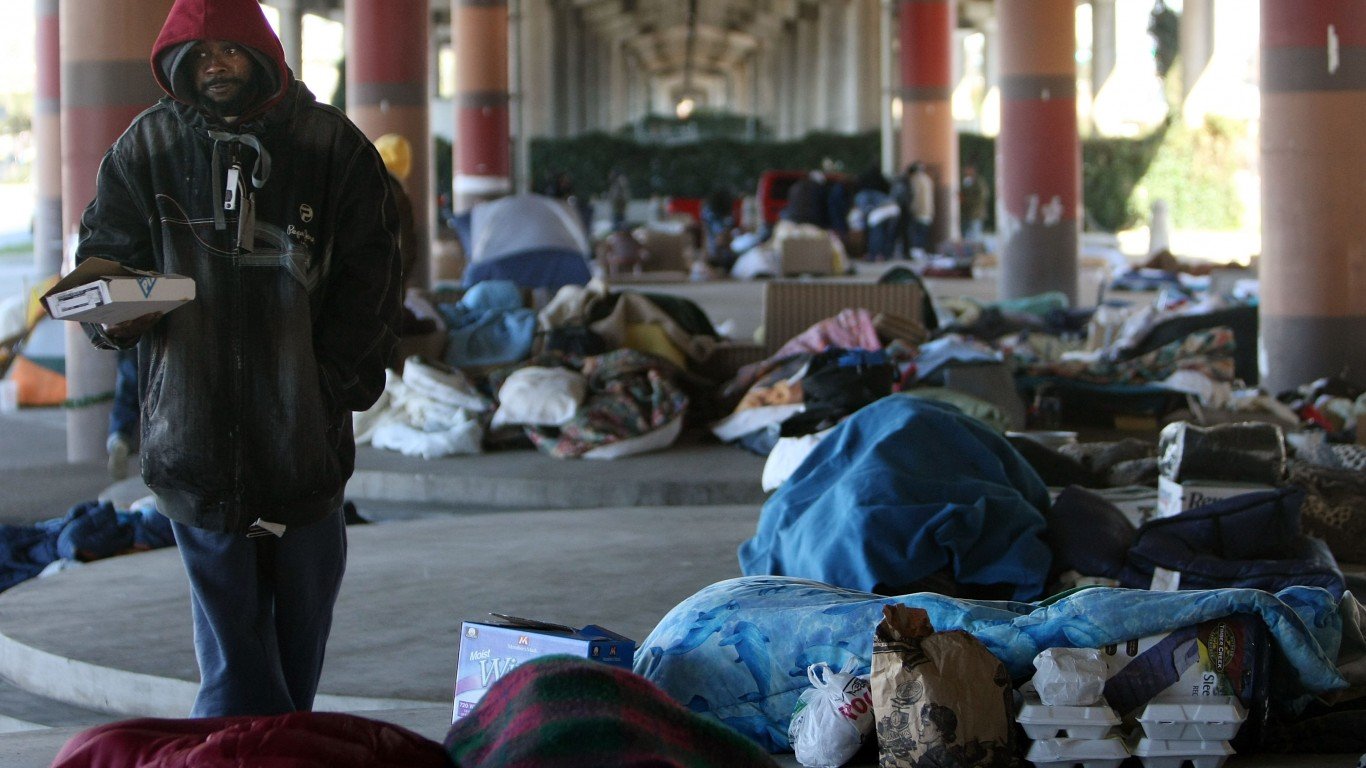
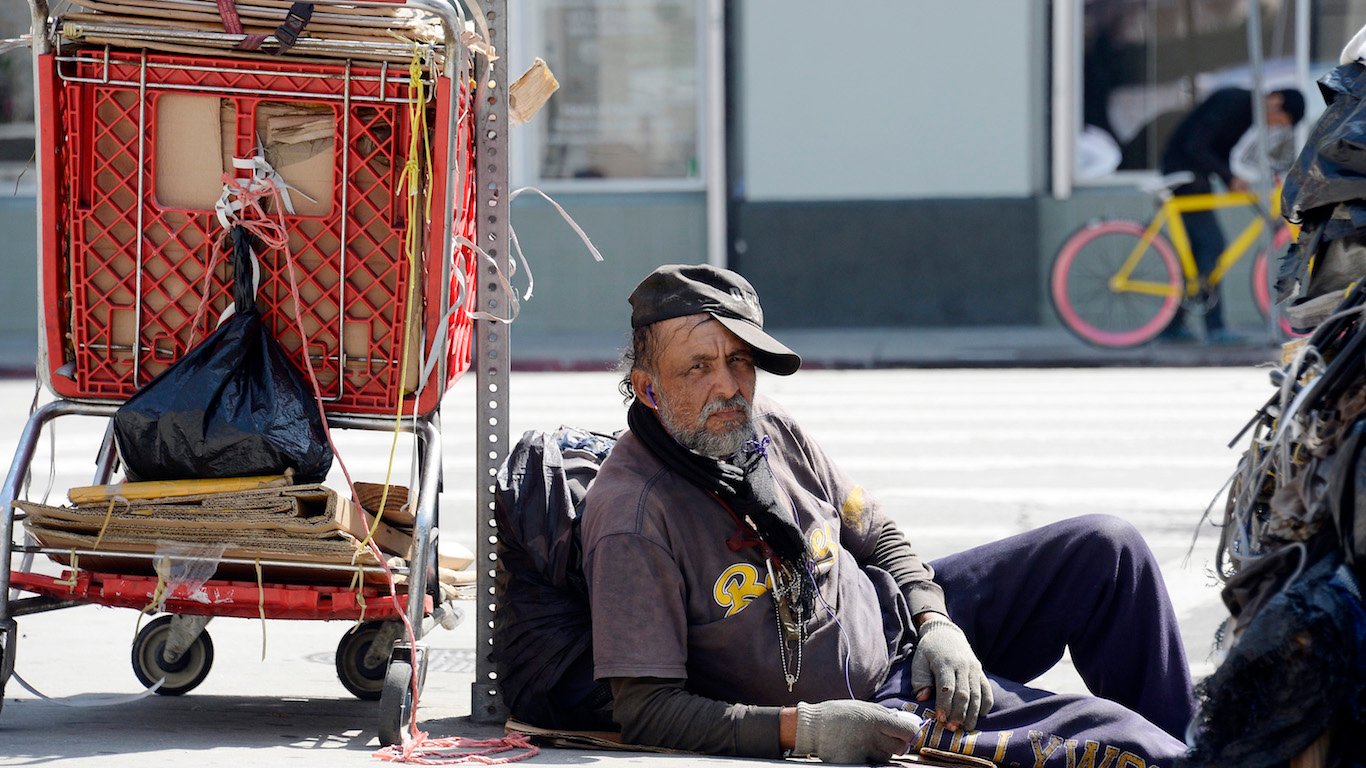
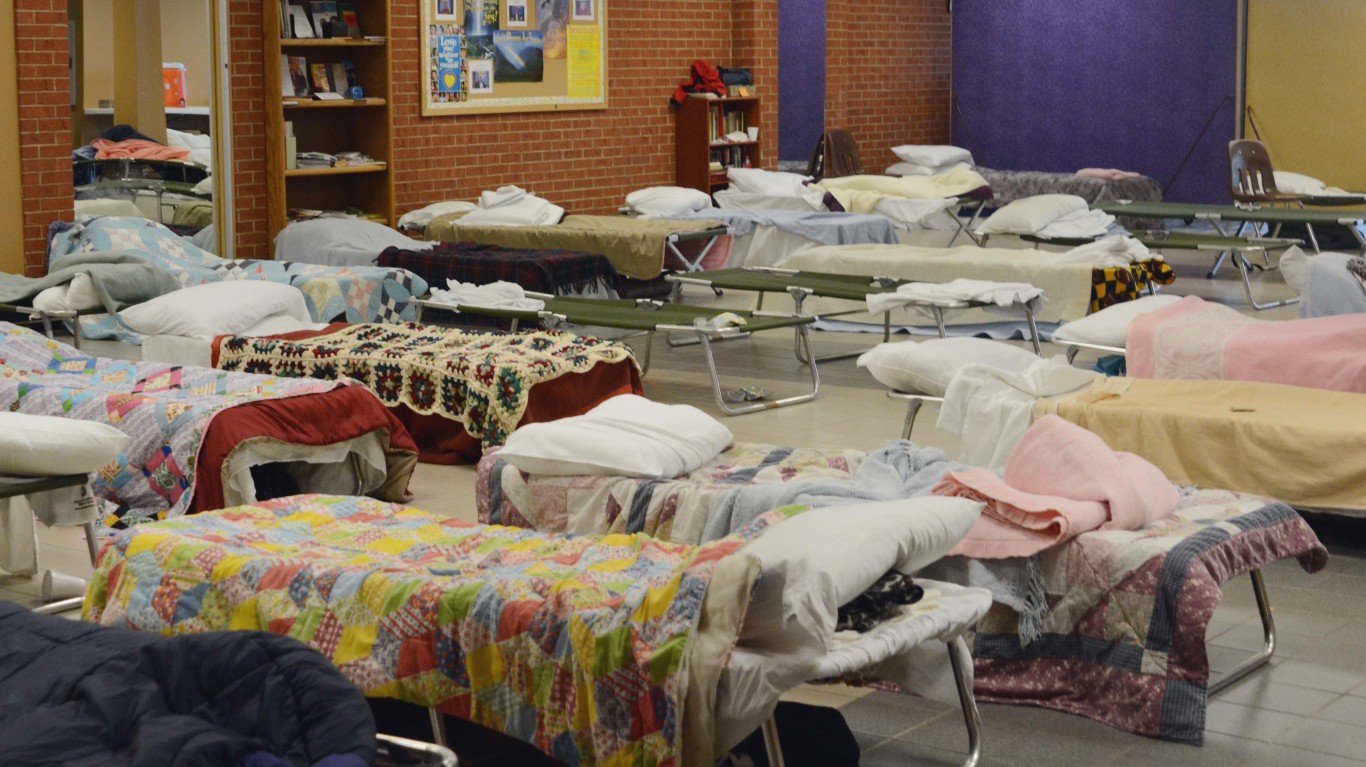
San Francisco also has become overwhelmed by the homeless and rising crime rates. It has among the highest crime rates of any large city in America. The number of homeless in San Francisco has been pegged at nearly 40,000. By contrast, New York City, which is almost 10 times the size of San Francisco based on population, has about 80,000 homeless people.
San Francisco’s problems will not get better within the foreseeable future. It will become a ghost of what it was just a few years ago. It is time for those who can leave to depart as soon as possible.
Contact [email protected] for any questions or corrections.
Douglas A. McIntyre is the co-founder, chief executive officer and editor in chief of 24/7 Wall St. and 24/7 Tempo. He has held these jobs since 2006.
McIntyre has written thousands of articles for 24/7 Wall St. He is an expert on corporate finance, the automotive industry, media companies and international finance. He has edited articles on national demographics, sports, personal income and travel.
His work has been quoted or mentioned in The New York Times, The Wall Street Journal, Los Angeles Times, The Washington Post, NBC News, Time, The New Yorker, HuffPost USA Today, Business Insider, Yahoo, AOL, MarketWatch, The Atlantic, Bloomberg, New York Post, Chicago Tribune, Forbes, The Guardian and many other major publications. McIntyre has been a guest on CNBC, the BBC and television and radio stations across the country.
A magna cum laude graduate of Harvard College, McIntyre also was president of The Harvard Advocate. Founded in 1866, the Advocate is the oldest college publication in the United States.
TheStreet.com, Comps.com and Edgar Online are some of the public companies for which McIntyre served on the board of directors. He was a Vicinity Corporation board member when the company was sold to Microsoft in 2002. He served on the audit committees of some of these companies.
McIntyre has been the CEO of FutureSource, a provider of trading terminals and news to commodities and futures traders. He was president of Switchboard, the online phone directory company. He served as chairman and CEO of On2 Technologies, the video compression company that provided video compression software for Adobe’s Flash. Google bought On2 in 2009.