15 Coins That Look Ordinary but Are Worth a Small Fortune
Some of the most valuable coins in American history look exactly like the pennies, nickels, and dimes sitting forgotten in your junk drawer right now, and the difference between pocket change and a five-figure payday often comes down to a…

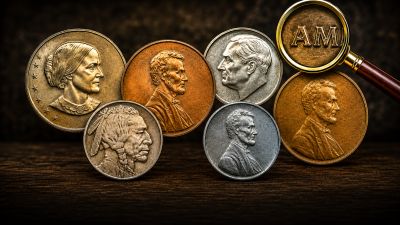
Most valuable coins do not look like buried treasure. Some resemble the same pennies, nickels, dimes, and quarters people have handled for decades, but a rare mintmark, unusual variety, striking error, or exceptional condition can completely change what collectors are willing to pay. In the right circumstances, coins that look ordinary at first glance have sold for thousands, hundreds of thousands, and in exceptional cases even more.
That is why the details matter. A familiar date or denomination by itself usually does not make a coin valuable. Collectors look at factors such as mintmarks, die varieties, errors, surviving population, and condition before determining whether a particular example is truly rare. These 15 U.S. coins are easy to overlook, but the right versions have become some of the most desirable and valuable coins in American numismatics.
2004-D Wisconsin Extra Leaf High Quarter
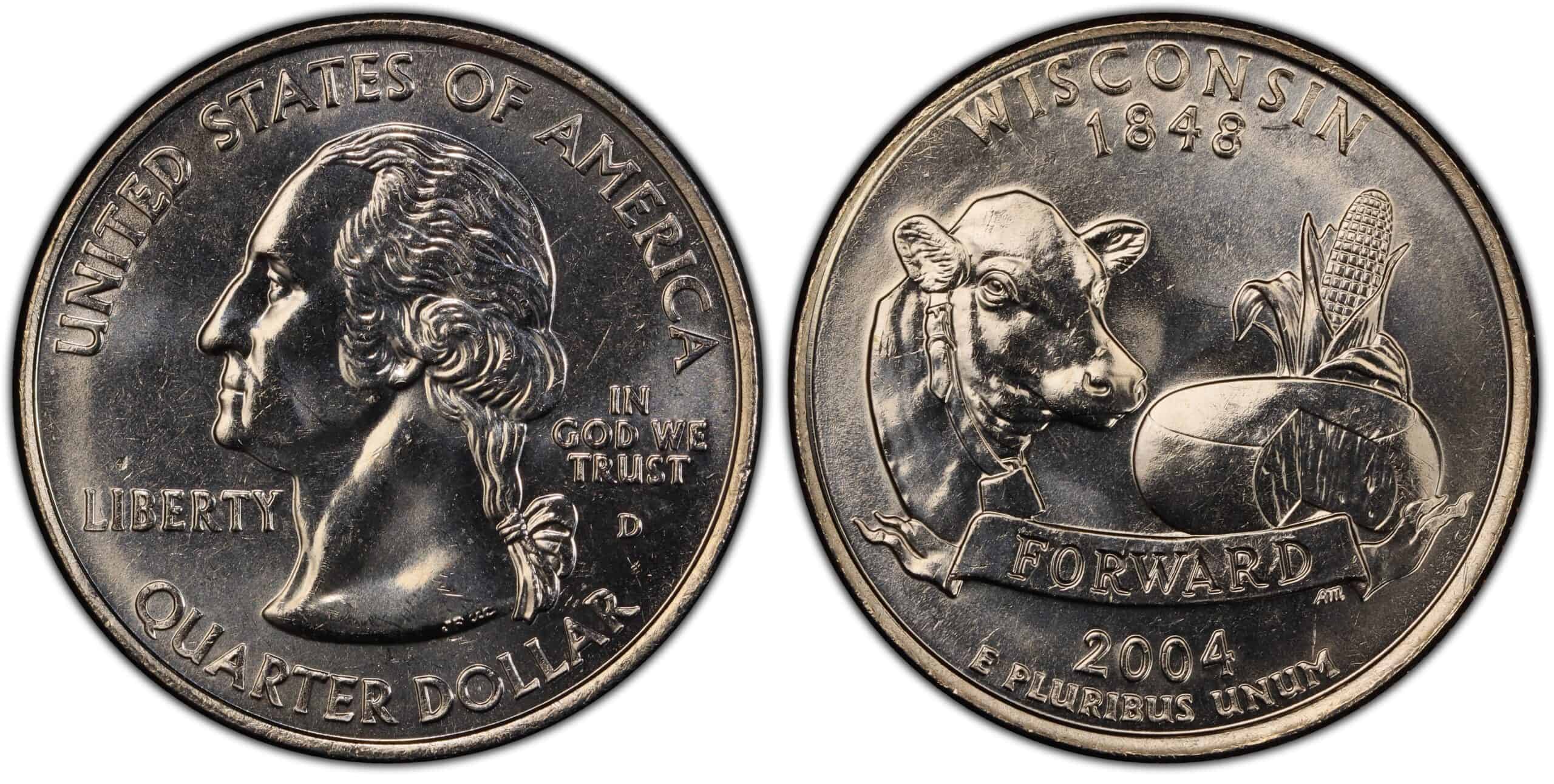
At first glance, this is just another Wisconsin state quarter, the kind millions of Americans tossed into jars and cup holders. The valuable variety is much more specific. On the reverse, an extra raised leaf appears on the left side of the corn stalk. Collectors recognize both a Low Leaf and a High Leaf version, with the High Leaf generally considered the scarcer of the two. PCGS auction data show a high-grade MS65 example selling for $18,000 at Heritage Auctions in September 2020.
That does not mean every 2004-D Wisconsin quarter is worth thousands. The normal version is common, and condition matters enormously. If you are checking one, focus on the corn stalk and compare the extra leaf with authenticated examples. Because altered coins and lookalikes exist, a potentially valuable piece should be authenticated before anyone treats a five-figure auction result as a realistic value.
1979-P Wide Rim Susan B. Anthony Dollar
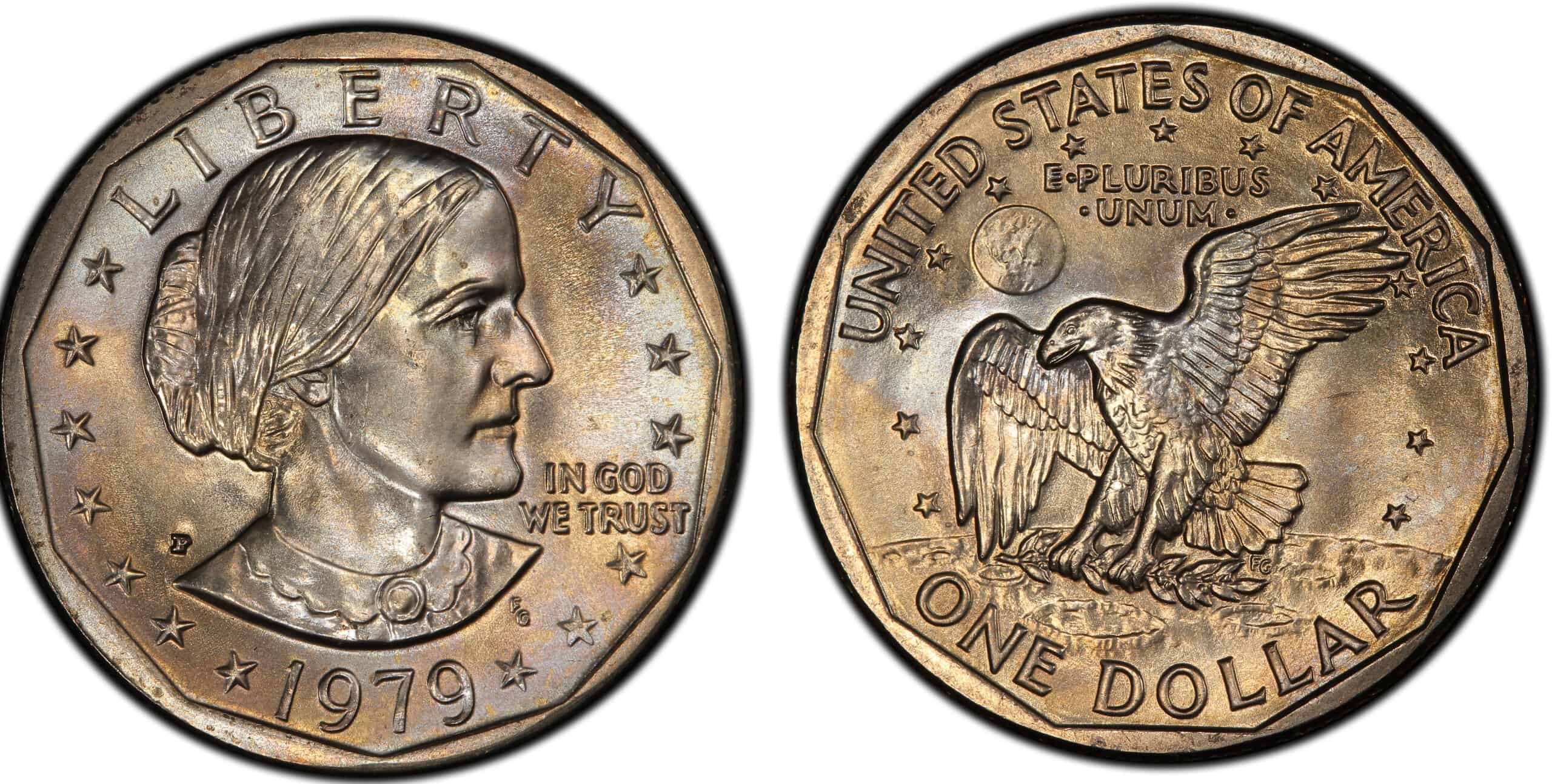
The 1979 Susan B. Anthony dollar already has a distinctive look, but one Philadelphia variety can be surprisingly valuable in elite condition. The scarcer Wide Rim, also called the Near Date variety, has a thick, rounded rim with the date sitting noticeably closer to it. PCGS records a PCGS MS67+ example that sold through GreatCollections in April 2025 for $8,268.75.
The catch is that most 1979-P Susan B. Anthony dollars are the much more common Narrow Rim version, where there is a larger gap between the date and the rim. Even genuine Wide Rim coins are not automatically worth thousands because grade drives a huge part of the price. Still, this is exactly the kind of small design difference that can make an ordinary-looking dollar worth a serious premium.
2000-P Cheerios Sacagawea Dollar
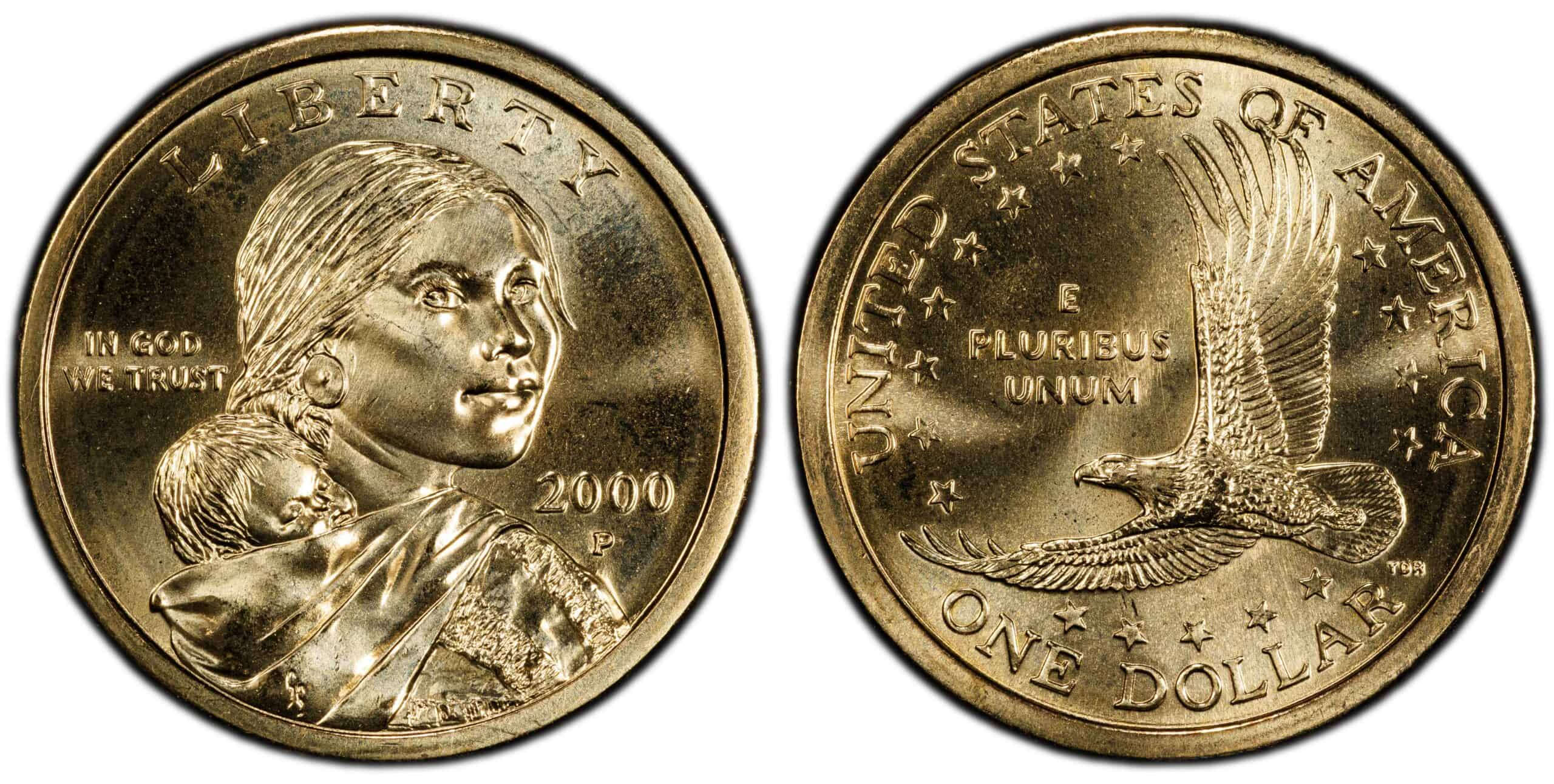
A gold-colored Sacagawea dollar from 2000 does not usually scream rare coin. The Cheerios Dollar is different. Before the Sacagawea dollar was fully released, the U.S. Mint supplied 5,500 coins to General Mills for a Cheerios promotion. Years later, collectors found that some of those promotional coins had a more detailed eagle tail-feather design than regular circulation strikes. A PCGS MS68 example sold for $10,200 at Heritage Auctions in April 2020.
The important word here is some. A 2000-P Sacagawea dollar is normally worth nowhere near that amount, and even finding an old Cheerios package does not automatically guarantee the special reverse. The key is the enhanced detail in the eagle’s tail feathers. For a coin that looks so similar to a common dollar, authentication and close comparison with known examples are essential.
1983 Doubled Die Reverse Lincoln Cent
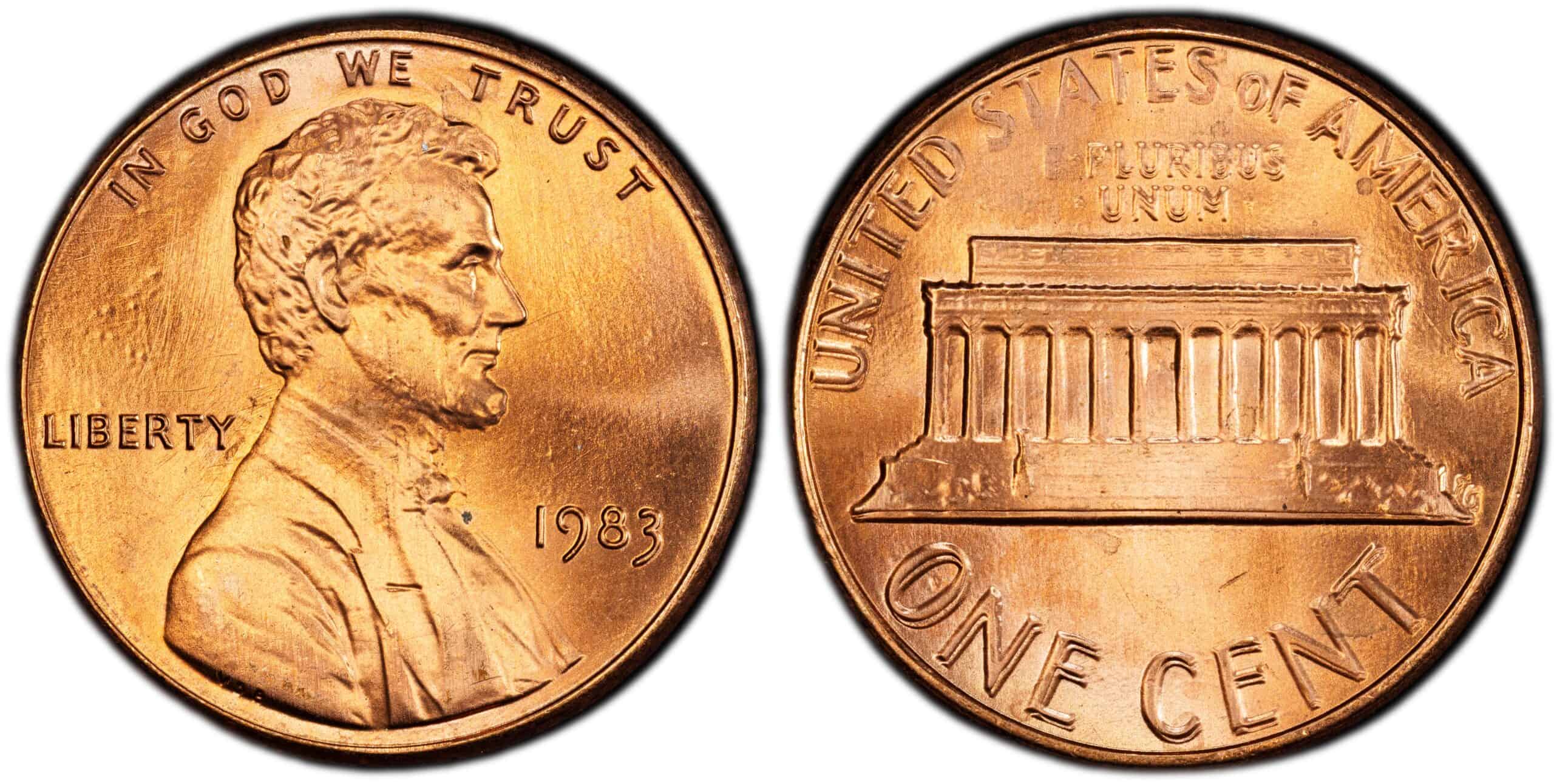
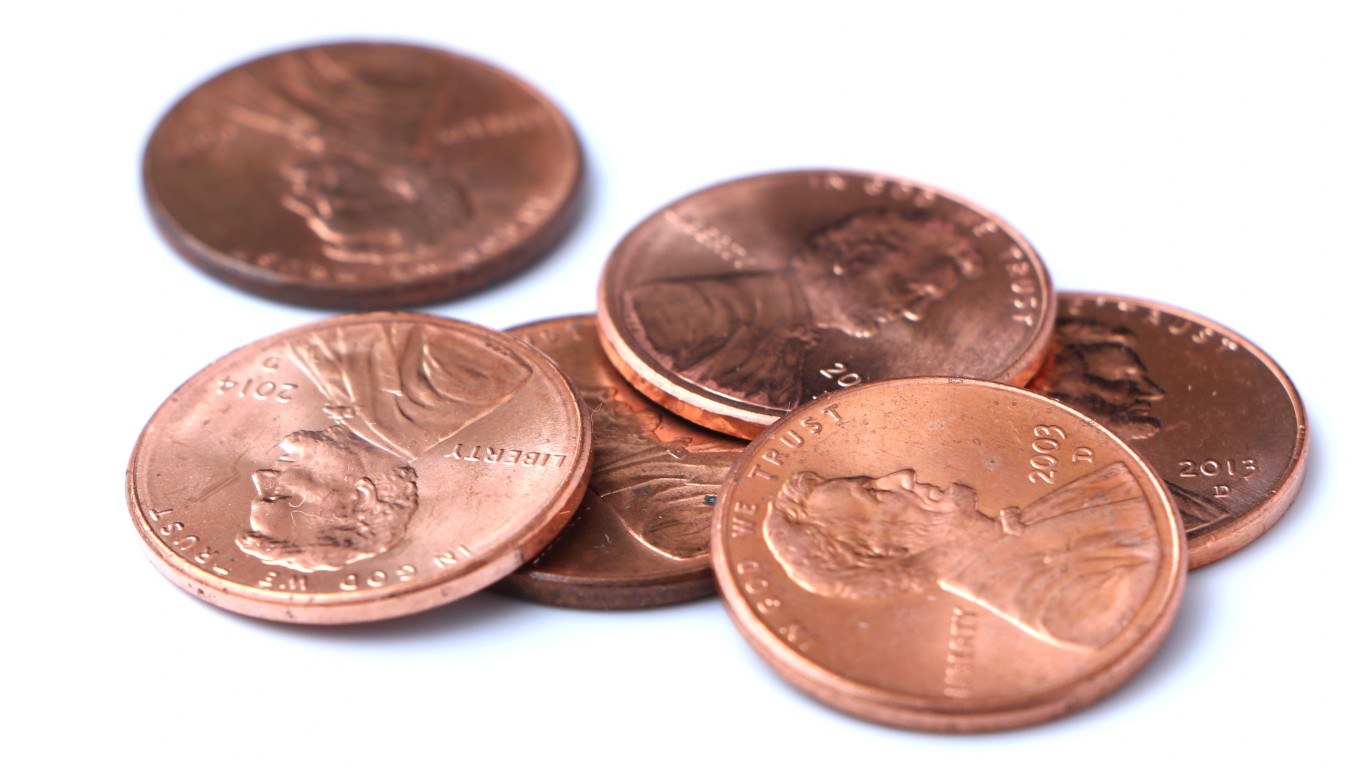
A 1983 penny can still turn up in old jars, rolls, or inherited collections, but the valuable version has a dramatic doubled die on the reverse. The doubling is especially noticeable in UNITED, E PLURIBUS UNUM, and ONE CENT. PCGS describes it as one of the strongest doubled die reverse varieties in the Lincoln cent series. A PCGS MS68 Red example sold for $7,050 at Heritage Auctions in July 2017.
Most 1983 cents are common copper-plated zinc coins, so the date alone is not enough. The doubling has to match the recognized variety, and it should not be confused with ordinary machine doubling, which generally does not command the same premium. The strongest examples can be visible without extreme magnification, making this one of the more realistic varieties for a collector to learn how to spot.
1972 Type 2 Eisenhower Dollar
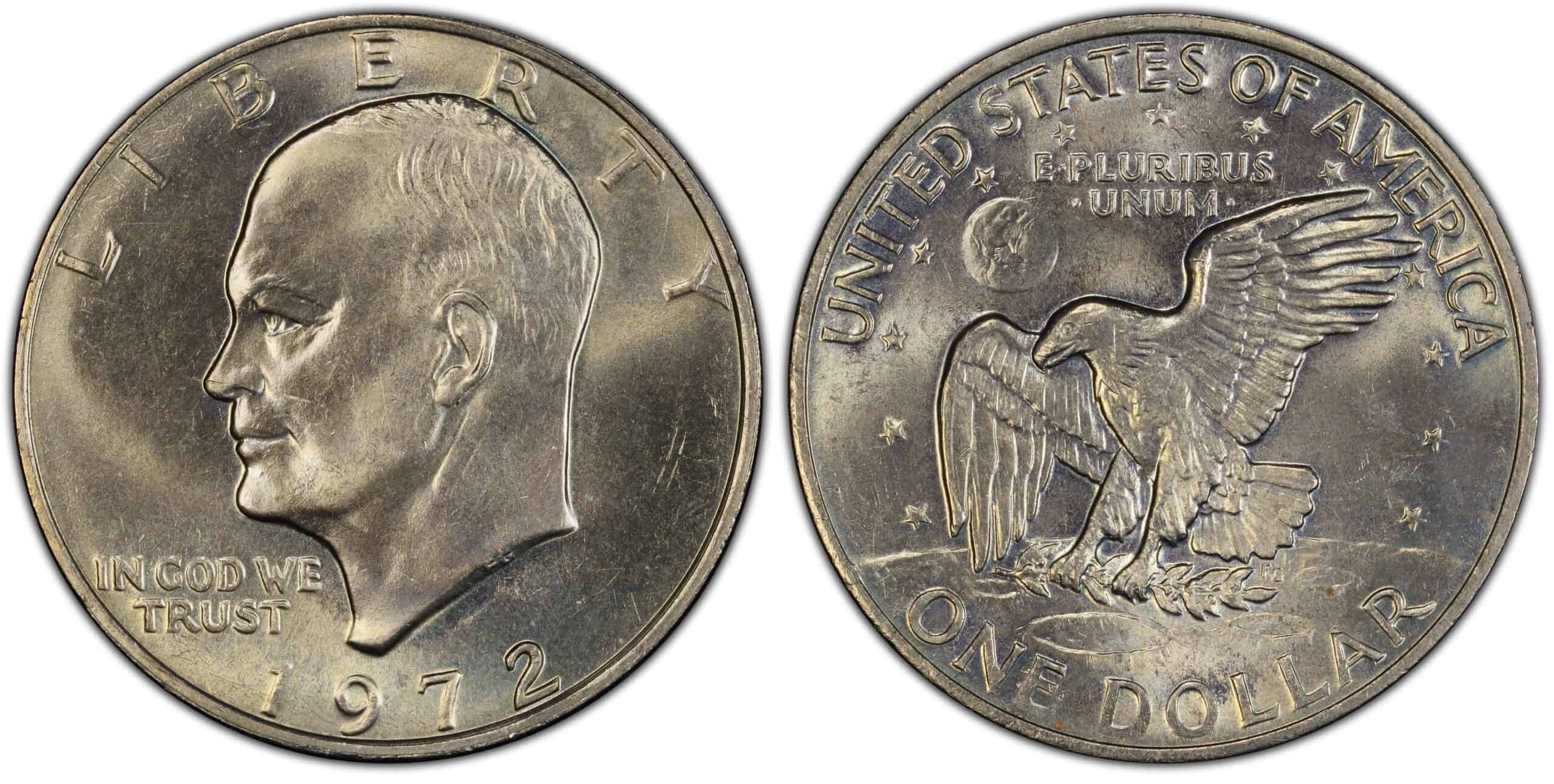
Most 1972 Eisenhower dollars are not rare, but the Type 2 reverse is a major exception. PCGS identifies it as the key variety of the series and says it was struck using a reverse die intended for Proof coinage. The easiest clue is the Earth on the reverse. On the Type 2, the islands beneath Florida are unusually flat and indistinct. A PCGS MS66 example sold for $14,400 at Heritage Auctions in August 2022.
This is a variety where a small design detail matters far more than the date by itself. Worn Type 2 dollars can still carry a premium, but the huge numbers are tied to high-grade certified examples. If you have a 1972 Eisenhower dollar, compare the Earth and island details carefully with authenticated Type 1, Type 2, and Type 3 examples before assuming you found the scarce version.
1992-D Close AM Lincoln Cent
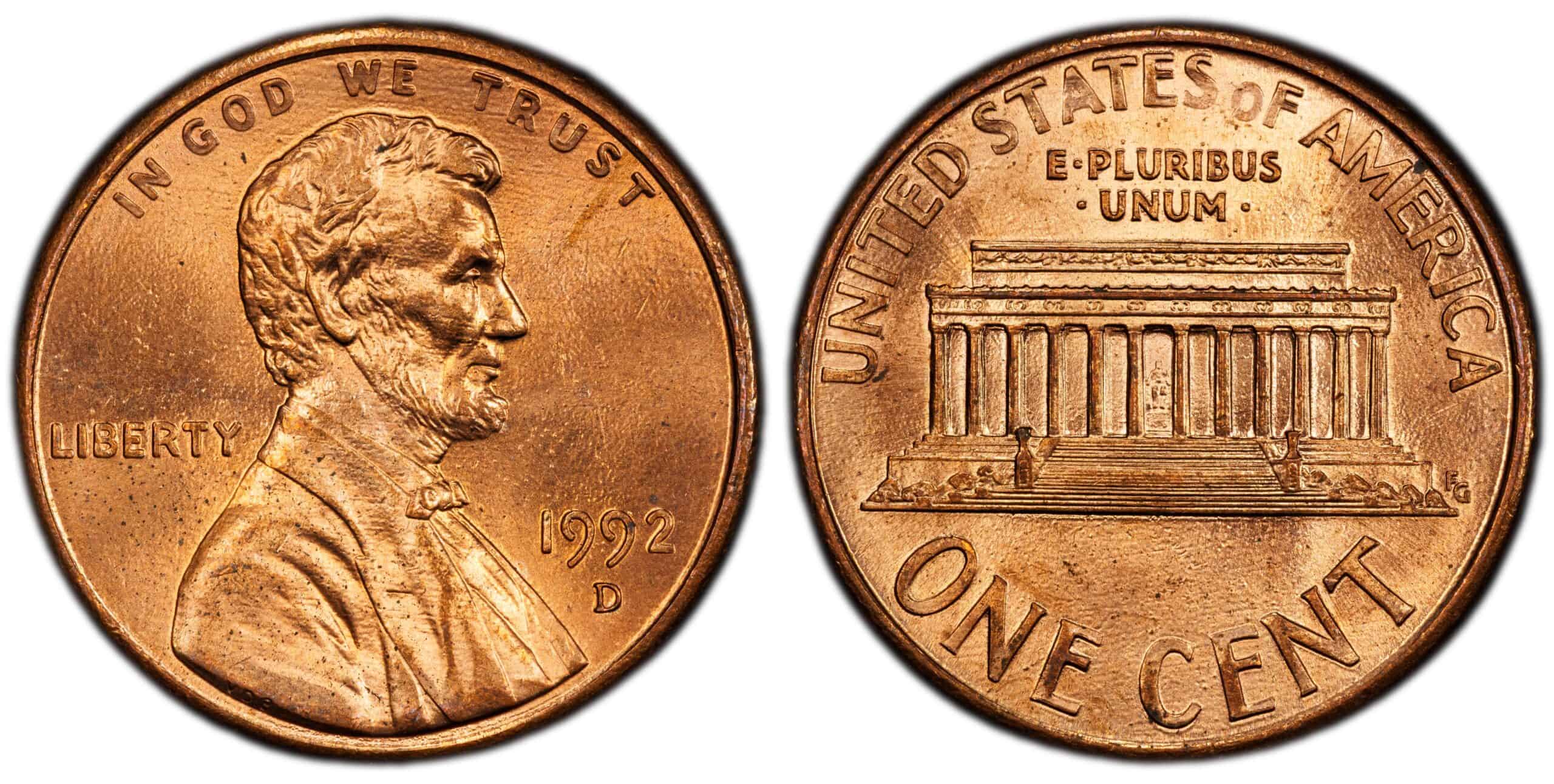
This penny looks almost identical to billions of other Lincoln cents from the early 1990s. The valuable clue is on the reverse. On the 1992-D Close AM variety, the A and M in AMERICA sit extremely close together, a reverse style associated with the following year’s design. PCGS says just over 100 examples of the Denver variety have been discovered. A PCGS MS65 Red example sold for $14,100 at Heritage Auctions in February 2014.
A regular 1992-D cent has more obvious spacing between the A and M. Another diagnostic is the FG designer initials, which sit slightly farther from the Lincoln Memorial on the Close AM variety. This is one of those coins where a nearly invisible design difference can separate pocket change from a four- or five-figure collectible, but only when the variety and grade are confirmed.
1972 Doubled Die Obverse Lincoln Cent
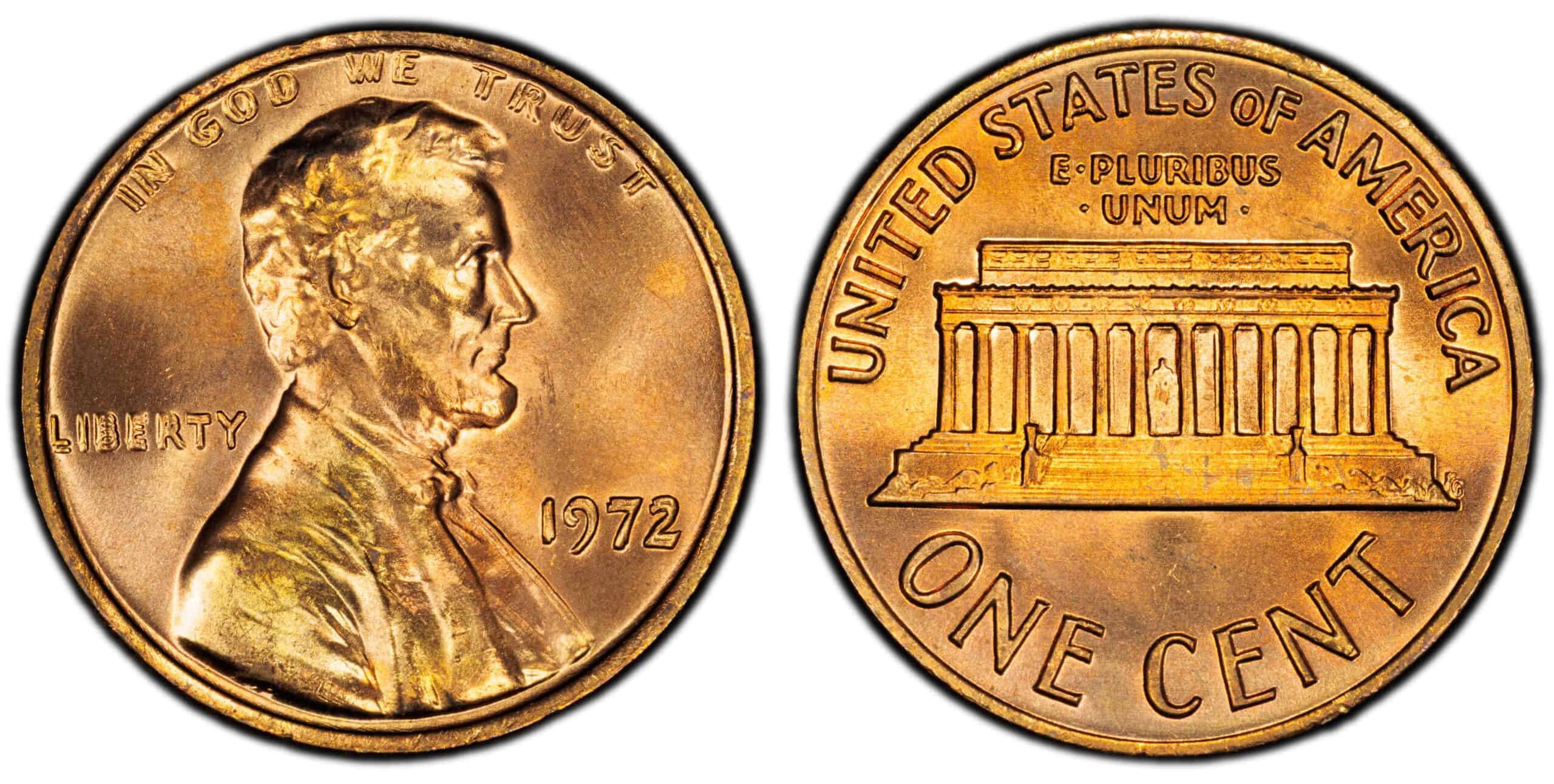
A 1972 Lincoln cent can look completely routine until you examine the lettering. The major doubled die obverse variety shows strong doubling on the date, LIBERTY, and IN GOD WE TRUST. PCGS notes that the doubling on the major Type 1 variety is strong enough to see with the naked eye. A PCGS MS67+ Red example sold for $14,400 at Heritage Auctions in June 2019.
There are multiple doubled dies known for 1972, so collectors need to match the coin to the recognized major variety rather than relying on any hint of doubling. Machine doubling is also common and is not the same thing. A genuine 1972 doubled die can be valuable across several grades, but the five-figure result belongs to an unusually high-grade certified coin.
1990 No S Proof Lincoln Cent
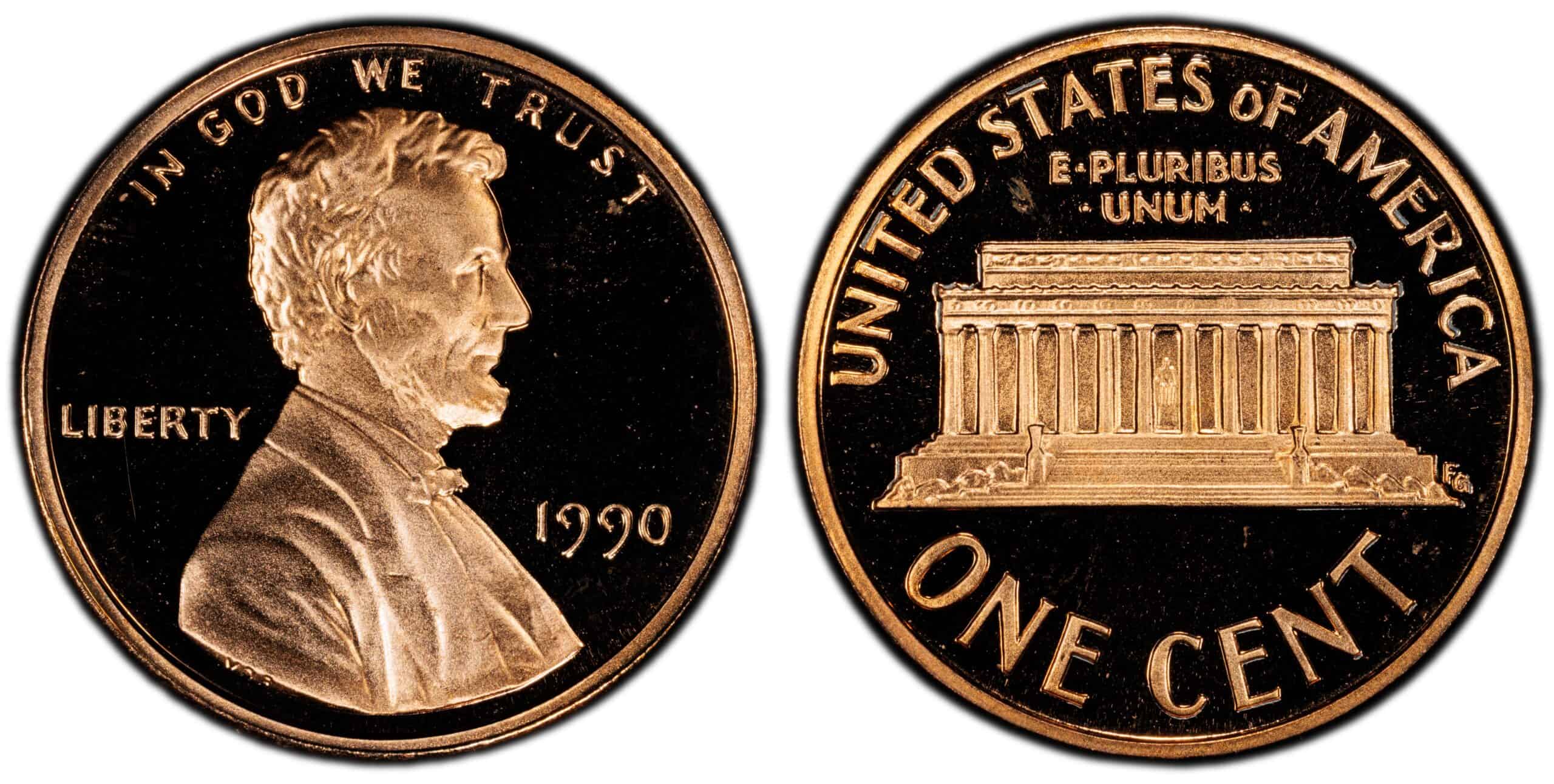
A 1990 penny with no mintmark sounds normal because ordinary Philadelphia cents from that year were made without one. The rare coin is a Proof cent that should have carried an S mintmark for San Francisco but does not. These were found in 1990 Proof and Prestige Proof Sets. PCGS says fewer than 200 examples have surfaced, and a PCGS PR69 Deep Cameo example sold for $20,700 at Bowers & Merena in August 2007.
That distinction is critical. A worn 1990 cent pulled from circulation without a mintmark is not the rarity. The valuable version has the sharp, mirror-like appearance of a Proof coin and came from a Proof set. Because normal Philadelphia cents also lack an S, this is one of the easiest rare-coin stories to misunderstand, so authentication is especially important.
1968 No S Proof Roosevelt Dime
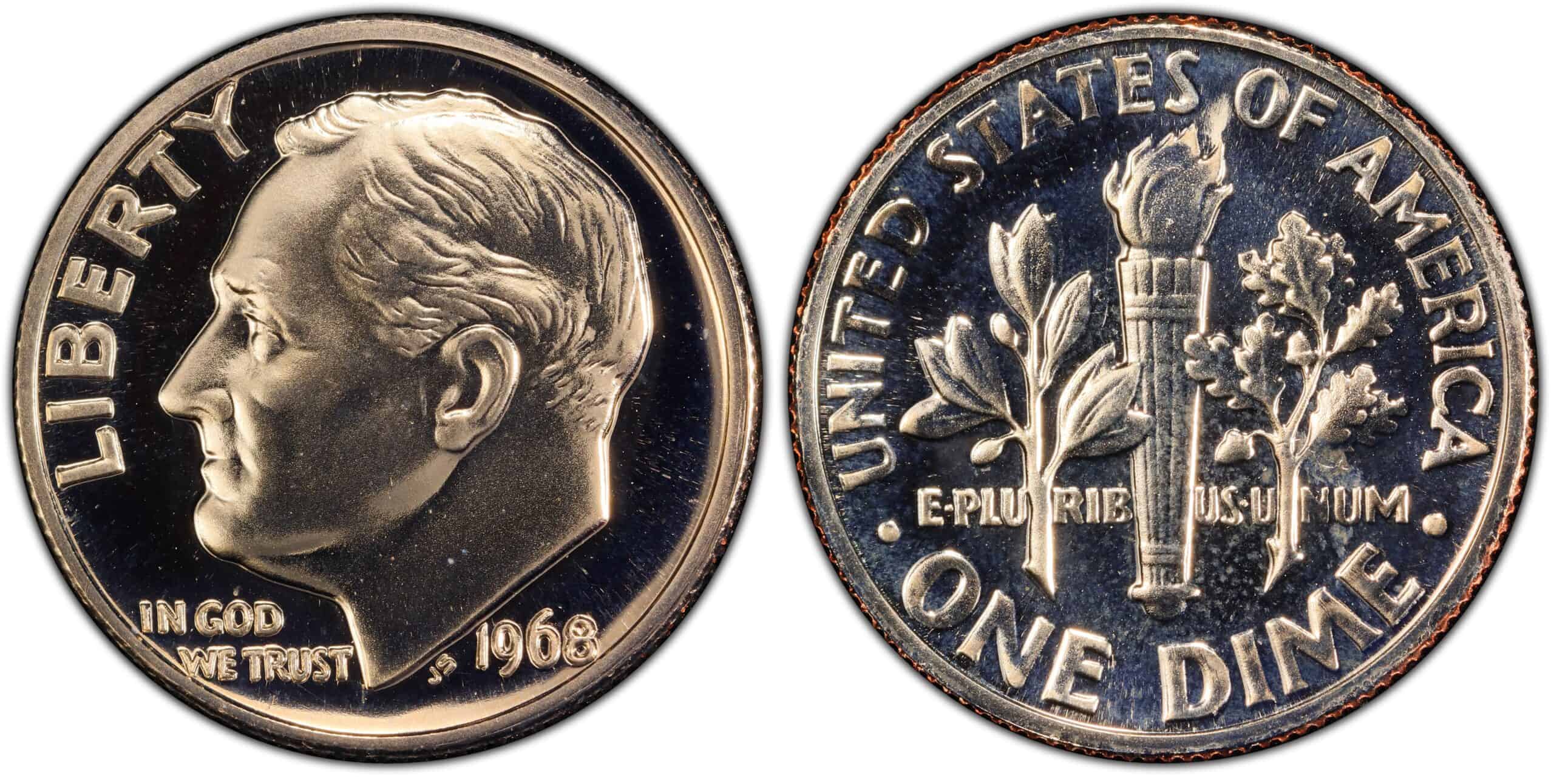
The 1968 No S Roosevelt dime is another case where a missing mintmark can turn a familiar coin into a major rarity. Proof dimes were supposed to carry an S mintmark, but a small number were struck without it. PCGS describes this as the first Proof coin accidentally struck without the S mintmark and says only a few dozen examples are known across all grades. A PCGS PR67 example sold for $40,250 at Heritage Auctions in July 2008.
A regular circulation dime without an S is not automatically valuable. The rare 1968 No S is specifically a Proof, with the sharper strike and reflective surfaces associated with Proof coinage. If someone thinks they have one, the first question should be whether the coin actually came from a Proof set. That simple distinction separates an extraordinary rarity from an ordinary dime.
1937-D Three-Legged Buffalo Nickel
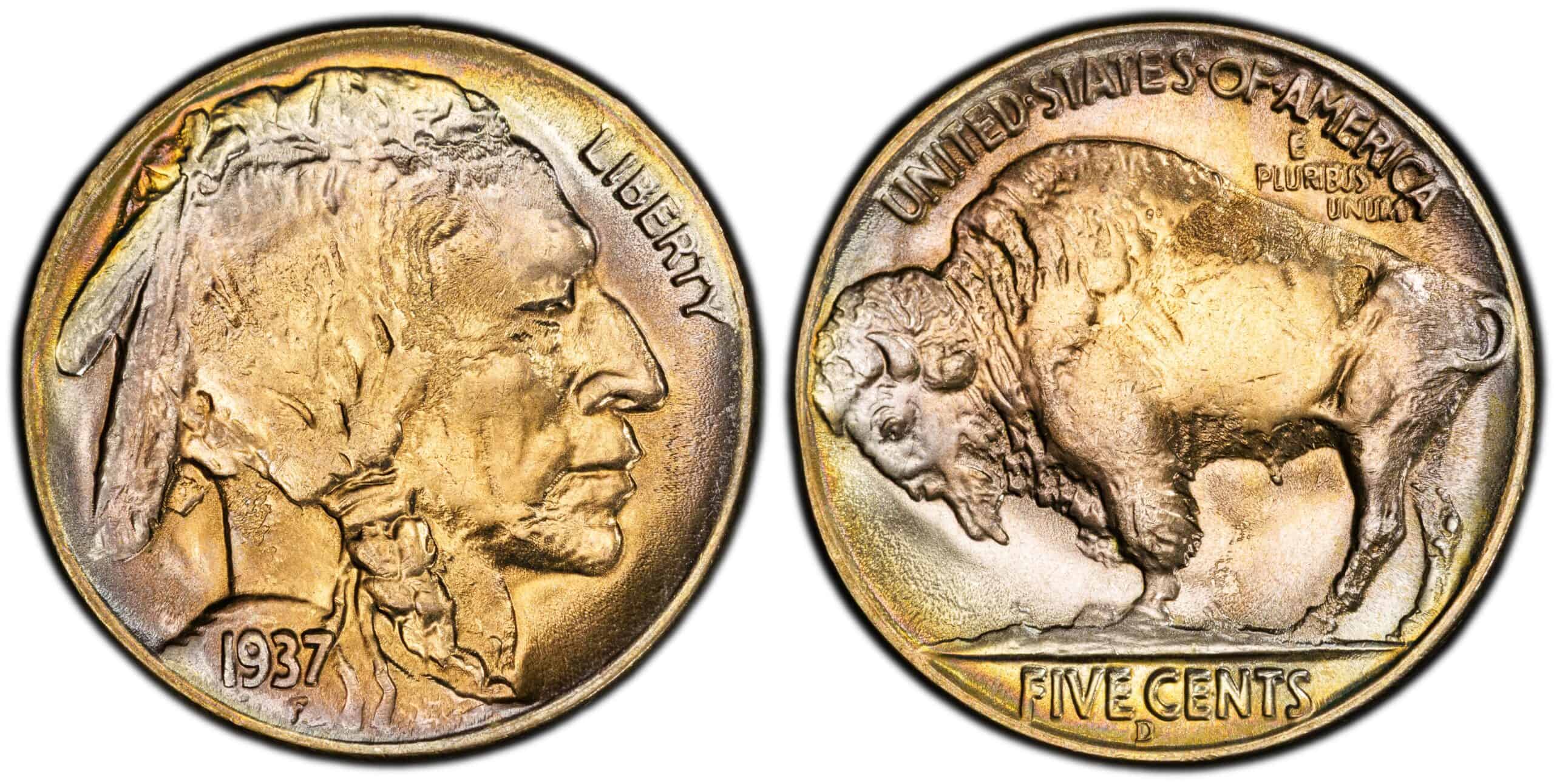
A worn Buffalo nickel already looks old enough to be interesting, but the famous 1937-D Three-Legged variety is in a different league. On the reverse, the bison’s front right leg is largely missing after excessive die polishing removed much of the design. The hoof can still be visible, which is one reason collectors need to know the correct diagnostics. A PCGS MS66+ example sold for $99,875 at Legend Rare Coin Auctions in October 2021.
This variety has been famous for decades, which also means altered counterfeits are a real concern. A normal 1937-D nickel can be manipulated to imitate the missing leg, so experts look for other die markers in addition to the obvious gap. Genuine examples exist in circulated grades too, but condition makes a massive difference in value.
1955 Doubled Die Lincoln Cent
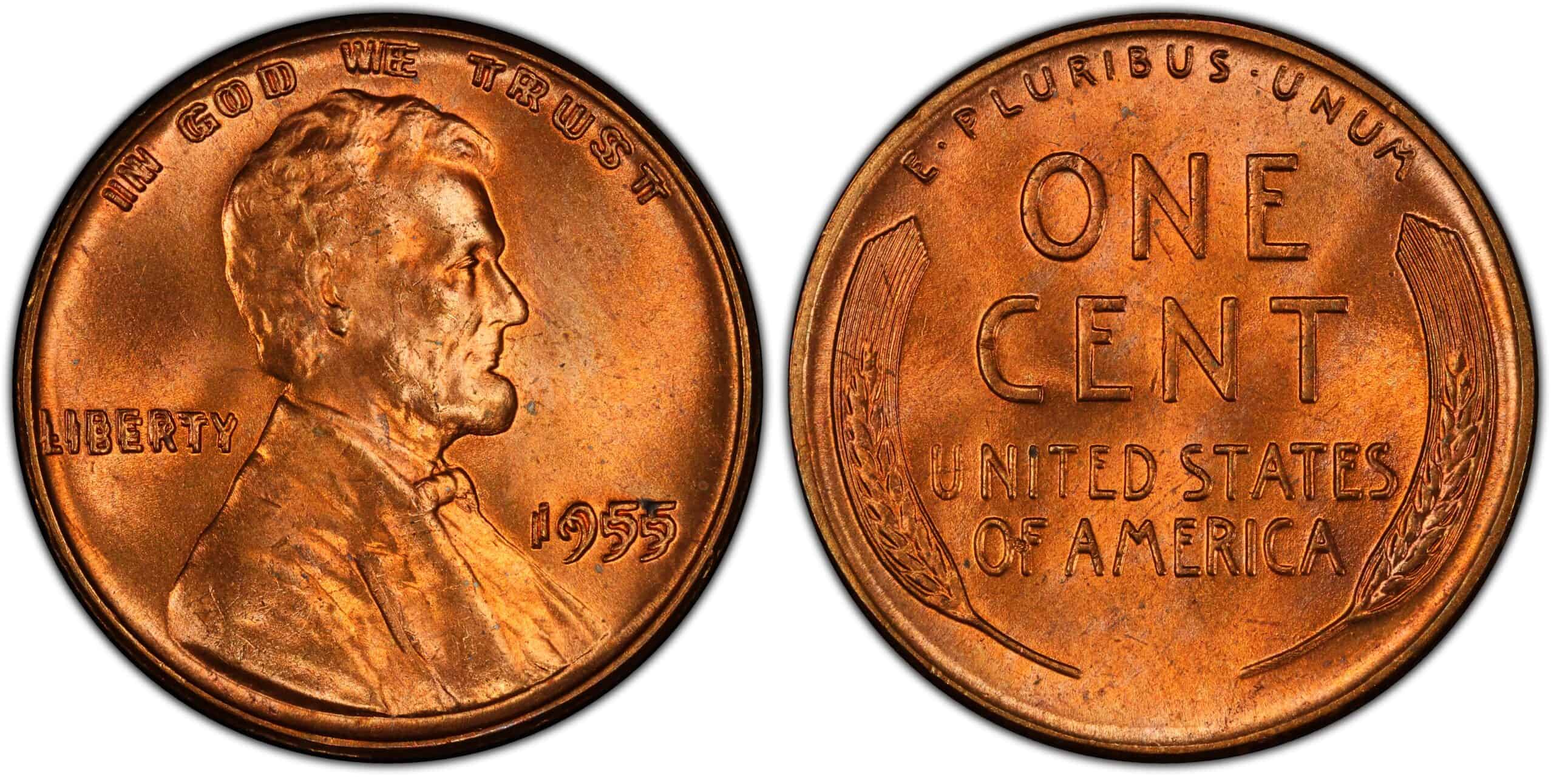
Few error coins are as easy to understand as the 1955 Doubled Die Lincoln cent. The date, LIBERTY, and IN GOD WE TRUST show bold, separated doubling that can be obvious even without a microscope. The mistake was dramatic enough that many coins circulated before people realized what they had. A PCGS MS65+ Red example sold for $114,000 at Stack’s Bowers in March 2018.
The six-figure result does not represent every 1955 doubled die. PCGS notes that circulated examples are much more attainable, while the highest-grade red coins are in another price category entirely. It is also important to distinguish the genuine doubled die from machine doubling or altered coins. Still, this is exactly the kind of penny that can look ordinary in a handful of change until the lettering catches your eye.
1969-S Doubled Die Lincoln Cent
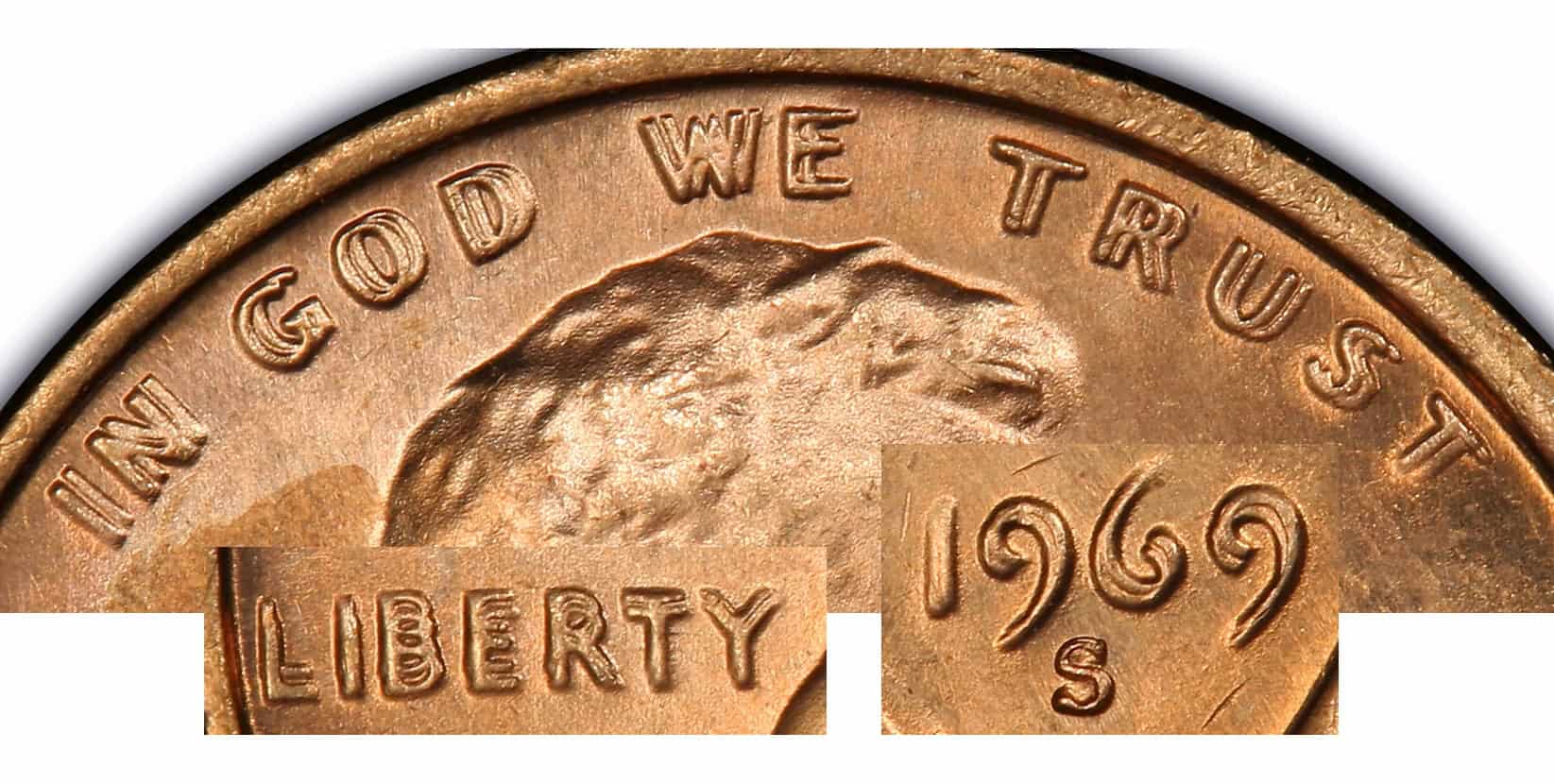
The 1969-S Doubled Die Lincoln cent has one of the strangest backstories in modern U.S. coin collecting. Counterfeit doubled dies were circulating around the same time, and genuine examples were initially caught up in the confusion. The real variety shows strong doubling on the obverse lettering and date. PCGS lists a PCGS MS64+ Red example that sold for $97,600 at Heritage Auctions in January 2026.
A normal 1969-S cent is common, and machine doubling can create a misleading look. The valuable variety has to match the recognized doubled die diagnostics. PCGS also describes authentic examples as extremely scarce. Because the difference between a common cent and a five-figure coin can come down to the type of doubling, this is not one to value from a blurry photo alone.
1944-S Steel Lincoln Cent
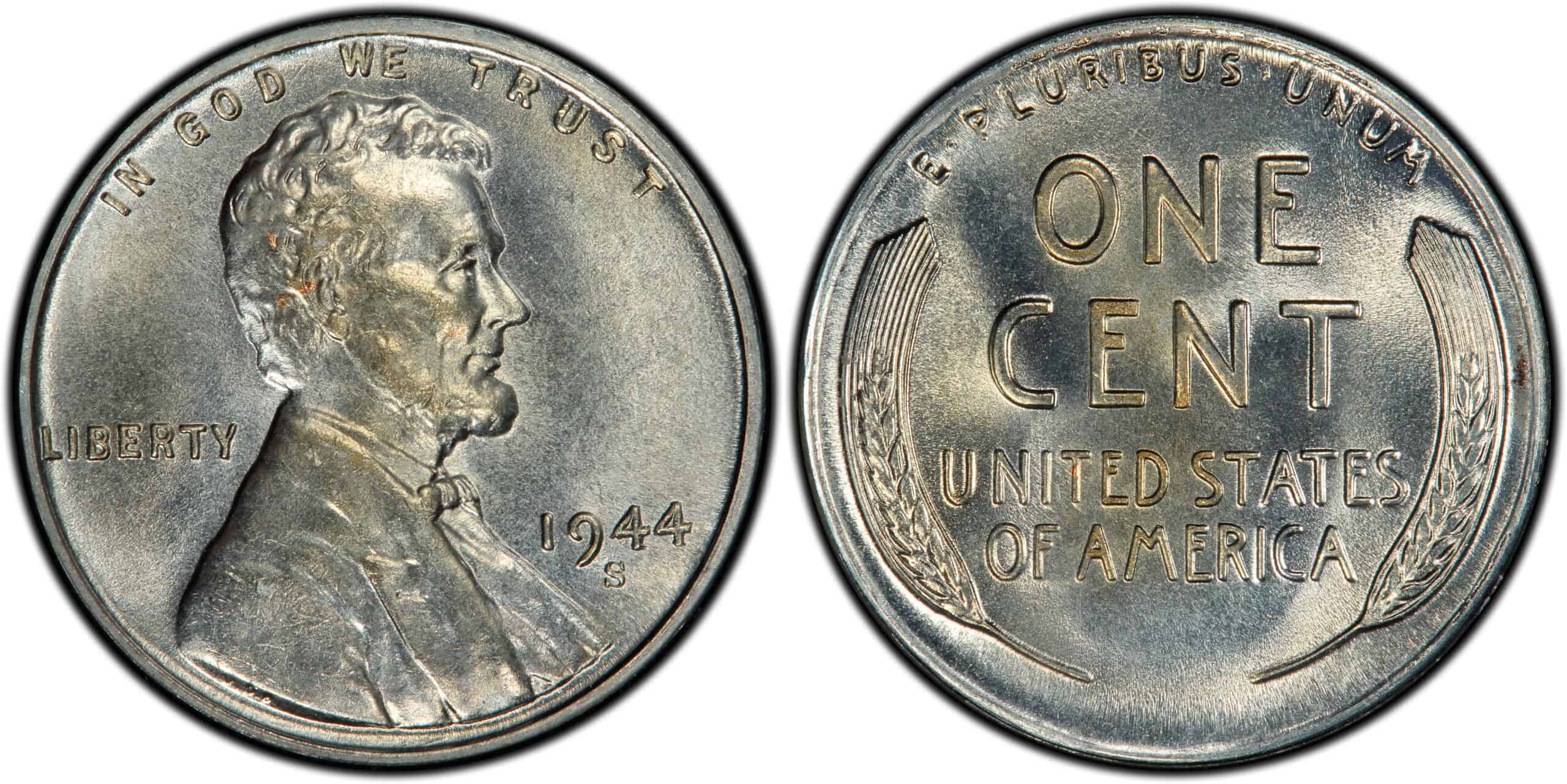
In 1943, U.S. cents were normally struck on zinc-coated steel planchets to conserve copper for the war effort. The Mint returned to bronze cents in 1944, which is why a 1944-S cent struck on leftover steel is such a spectacular mistake. PCGS says only two examples of the 1944-S Steel Cent are known. Its CoinFacts page documents a PCGS MS66 example that sold for $408,000 at Heritage Auctions in August 2021, and PCGS later noted a $490,500 GreatCollections sale in January 2025.
A genuine 1944-S steel cent should not be confused with a plated or altered bronze cent. Weight, metal composition, surface characteristics, and expert authentication all matter. The coin looks like a simple gray penny, but the wrong metal for the year is precisely what makes it extraordinary.
1975 No S Proof Roosevelt Dime
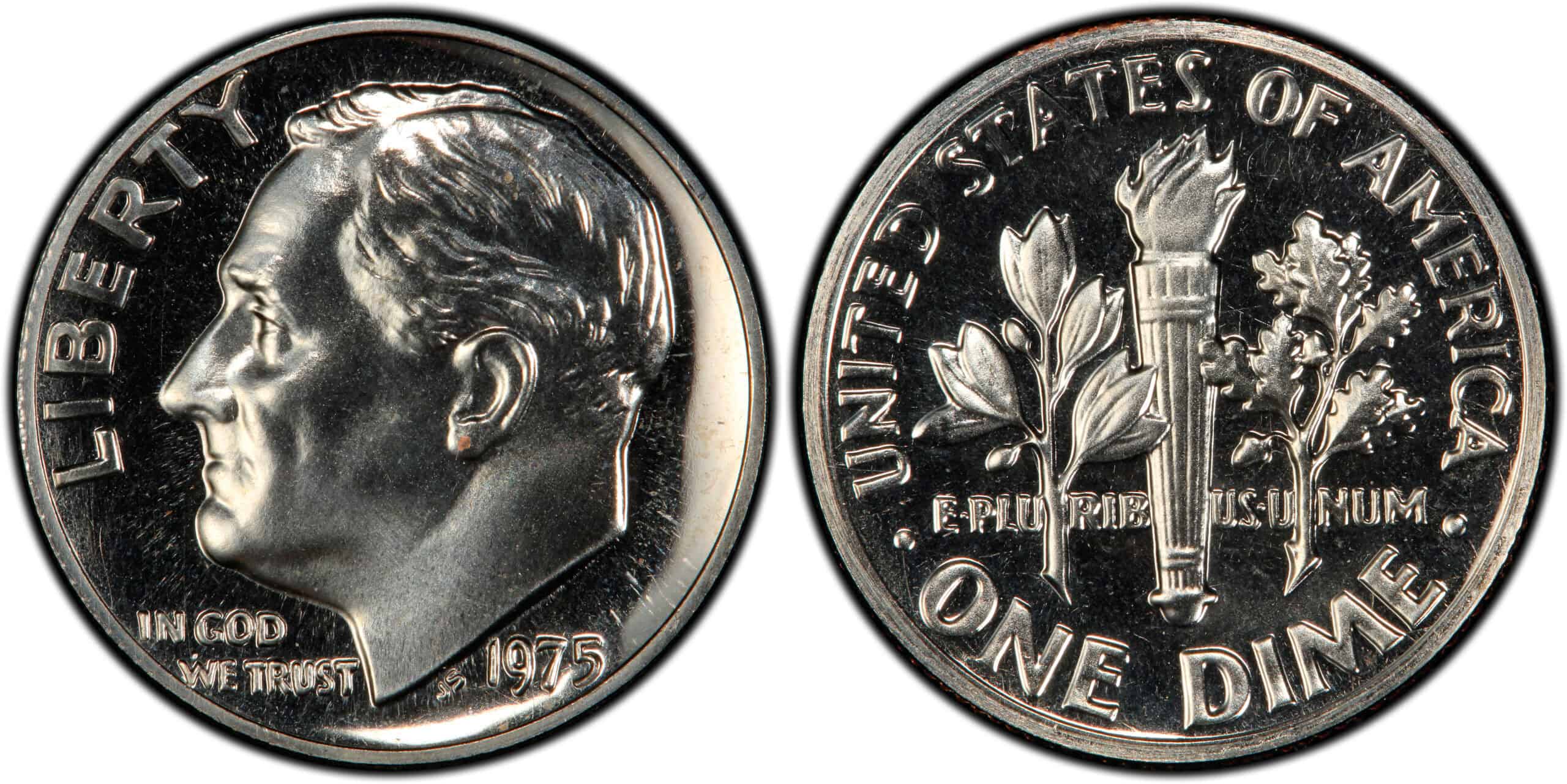
A 1975 dime without a mintmark is usually nothing special because Philadelphia struck hundreds of millions of circulation dimes without one. The life-changing rarity is a Proof dime that should have carried an S mintmark for San Francisco but did not. PCGS says only two examples are known. One PCGS PR68 coin sold for $456,000 at Heritage Auctions in 2019, while the other known example brought $506,250 at GreatCollections in October 2024.
The Proof distinction is everything. A normal 1975 Philadelphia dime from pocket change is supposed to have no mintmark, so it is not the rare coin. The two famous No S dimes are Proof strikes with the reflective surfaces and production characteristics of coins made for collectors. This is a perfect example of why viral coin-value claims can be misleading when they leave out one crucial detail.
1943-D Bronze Lincoln Cent
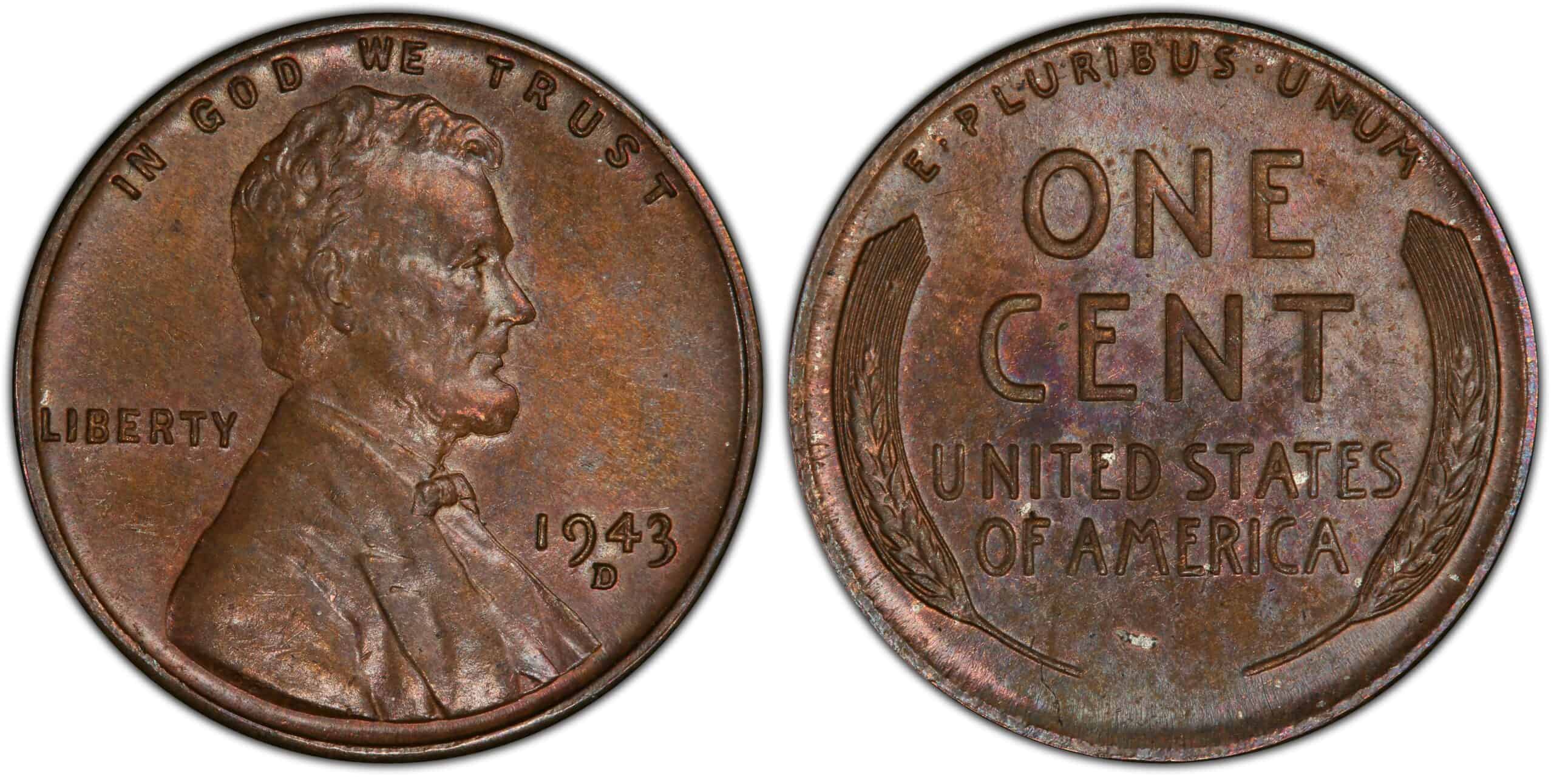
The 1943-D Bronze Lincoln cent is the kind of coin that turns a penny jar into a fantasy. Most 1943 cents were made from zinc-coated steel, but this Denver coin was struck on a bronze planchet instead. PCGS says only one 1943-D Bronze Cent is known. The unique coin sold privately for $1.7 million in 2010, and it later realized $840,000 at Heritage Auctions in January 2021.
That does not mean every brown-looking 1943 cent is valuable. Counterfeits, altered dates, and copper-plated steel cents are common enough that visual inspection is not sufficient. The genuine bronze coin weighs about 3.11 grams, compared with roughly 2.7 grams for a normal 1943 steel cent, but even weight and a magnet test are only screening tools. A coin with this kind of potential needs professional authentication before anyone starts counting millions.
Contact [email protected] for any questions or corrections.