America’s Largest Homes: 15 Estates Outsize Typical U.S. House by Over 70 Times
Some of the largest homes in America were built more than a century ago, during the country’s so-called Gilded Age, when railroad barons, industrial magnates, and financiers competed to outdo one another with lavish estates. Many of these massive residences…


Some of the largest homes in America were built more than a century ago, during the country’s so-called Gilded Age, when railroad barons, industrial magnates, and financiers competed to outdo one another with lavish estates. Many of these massive residences have since been preserved as museums or adapted to serve as university buildings, conference centers, or historic hotels. A few remain in private hands, standing as reminders of immense family fortunes.
A handful of houses on our list are new builds, though still a show of extravagant wealth. Unlike the Gilded Age mansions, these modern estates belong to contemporary billionaires, real estate moguls, and company CEOs. These sprawling homes feature amenities like private theaters, indoor pools, multi-car garages, and bowling alleys. The grand scale of these modern-day homes reveals the same timeless desire to showcase wealth and status through architecture.
To put their scale in perspective, the average American home today is roughly 2,480–2,600 square feet, according to U.S. Census data. By contrast, the mansions on this list are astonishingly larger, ranging from around 70,000 to an almost unimaginable 175,000 square feet!
This article covers the 15 largest houses in America, starting with the one in 15th place, including who owned them, and their current use. We used sites like Explore, Family Handy Man, and Largest to gather information about these exorbitant family homes.
This post was updated on May 13, 2026 to include information regarding the passing of David Siegel, the legal disputes surrounding the Versailles estate, the inclusion of Lynnewood Hall’s restoration efforts, and a comparison of historical square footage versus modern market efficiency.
Why This Matters
The wealthy people who have built the mansions on our list have had a major influence on the American economy and culture. For example, the Vanderbilt Family has multiple homes listed here. This family built their wealth from the American railroad industry in the 1800s. They not only built lavish mansions but became philanthropic, donating millions to universities, churches, and hospitals in New York City.
15. Woodlea
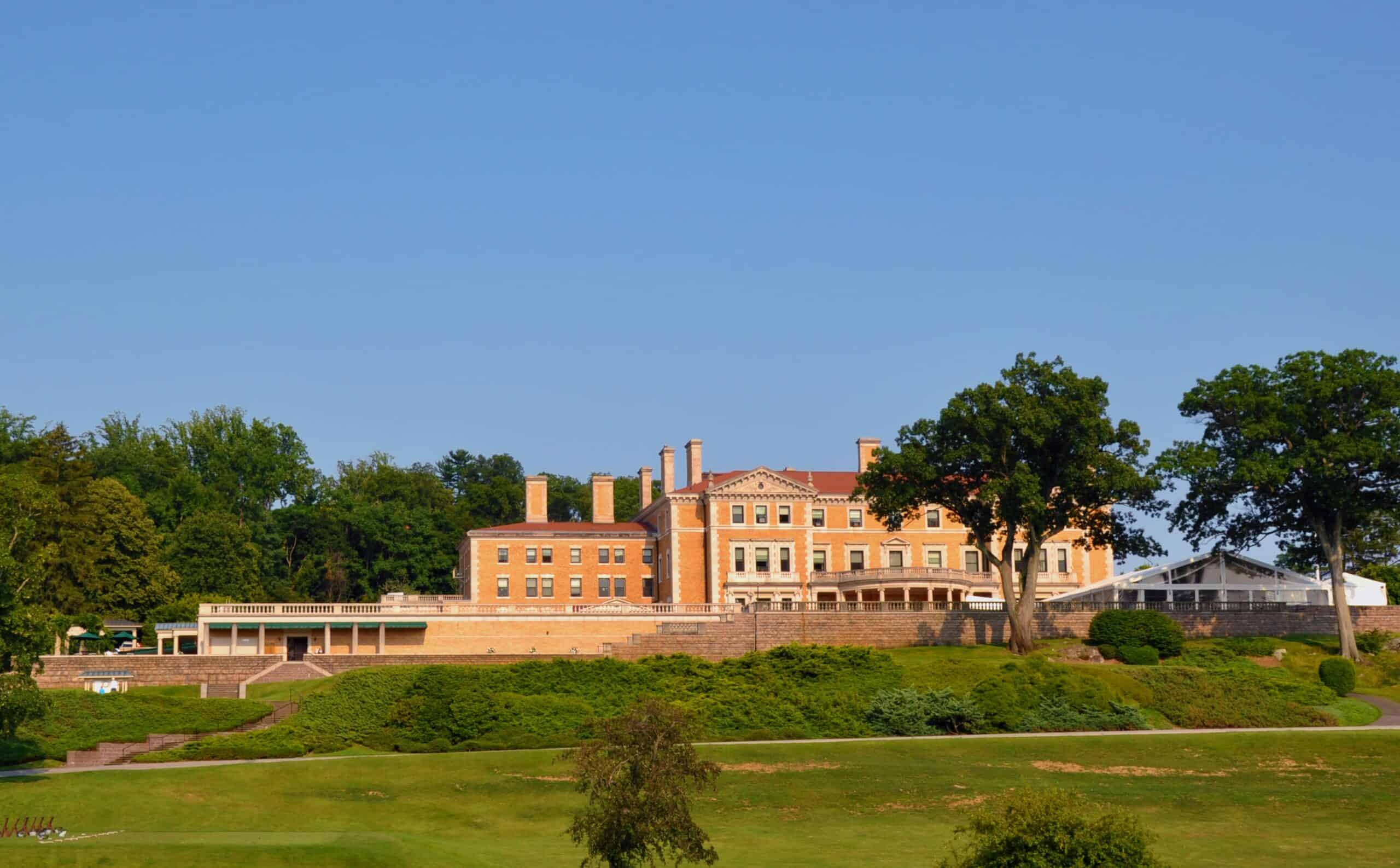
- Square Footage: 70,000
- Location: New York
- When Built: 1895
A Victorian Beauty

Woodlea, situated in Briarcliff Manor, New York, is a beautiful Victorian-style home. This 70,000-square-foot home was first built for Elliott Fitch Shepard, a prominent lawyer married to Margaret Louisa Vanderbilt Shepard (a Vanderbilt daughter). The massive estate featured 140 different rooms within its walls. They later sold the house to Sleepy Hollow Country Club. Now fully converted to host all sorts of golfers, the home still retains much of its original details and beauty.
14. Idle Hour
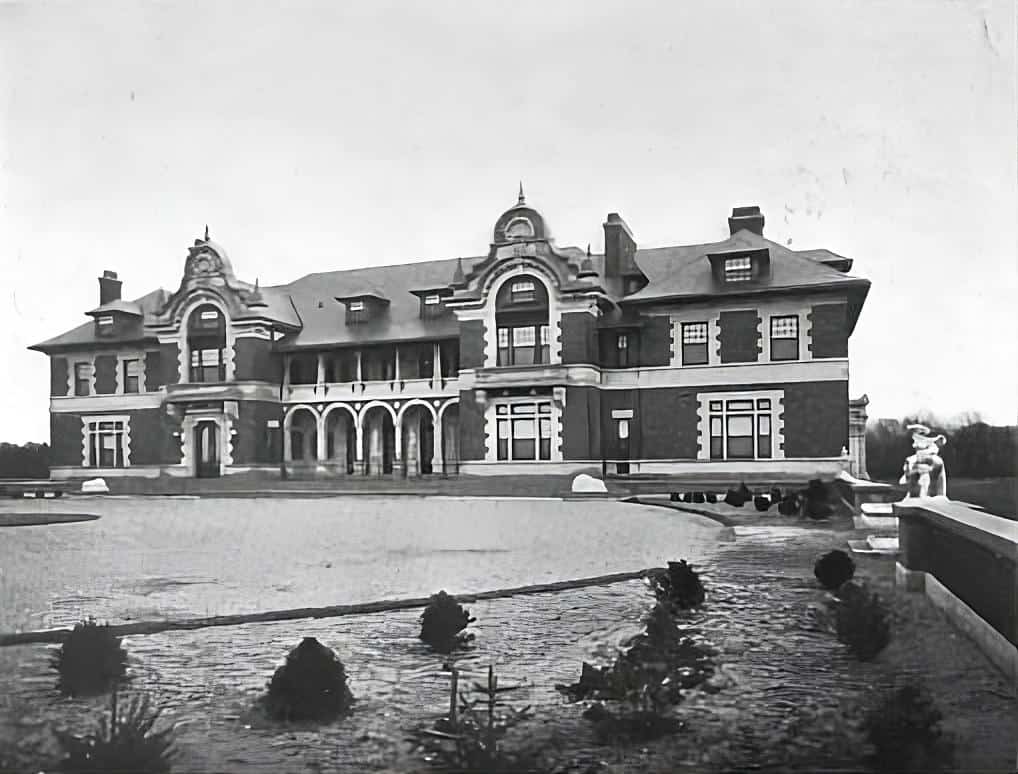
- Square Footage: 70,000
- Location: New York
- When Built: 1882
A Piece of Art
This home, finished in 1882, was built for William Vanderbilt. Following the 2016 bankruptcy of Dowling College, the property was auctioned. In early 2026, it remains a notable example of Gilded Age architecture currently transitioning toward new institutional or preservationist ownership.
13. Pensmore
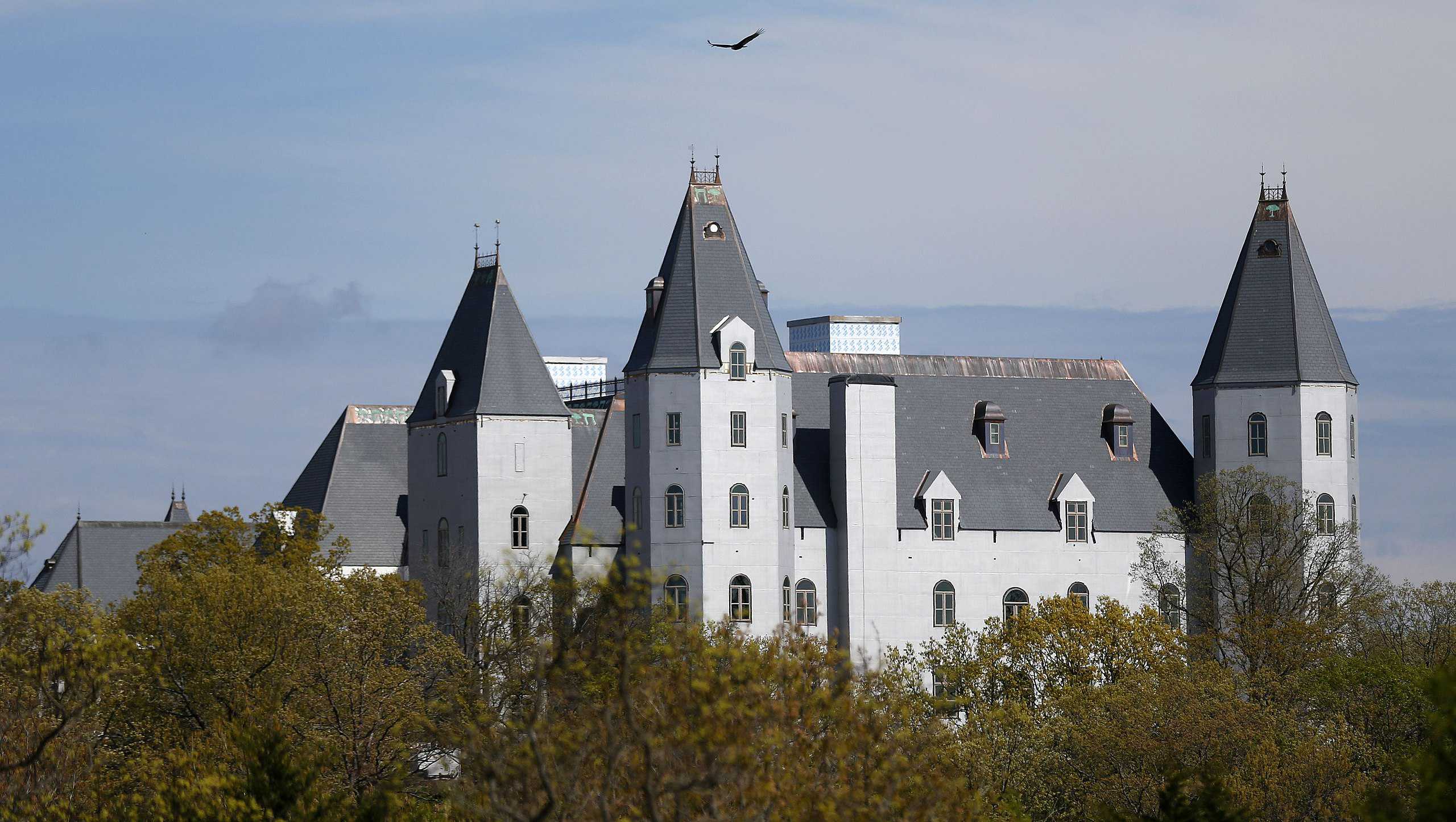
- Square Footage: 72,215
- Location: Missouri
- When Built: 2016
Sturdy Construction
Built in the Ozark Mountains by Steven Huff, Pensmore is constructed from specialized “TF Concrete” to withstand disasters ranging from EF5 tornadoes to seismic events. It represents a modern shift where extreme durability and energy efficiency are the primary markers of luxury.
12. Indian Neck Hall
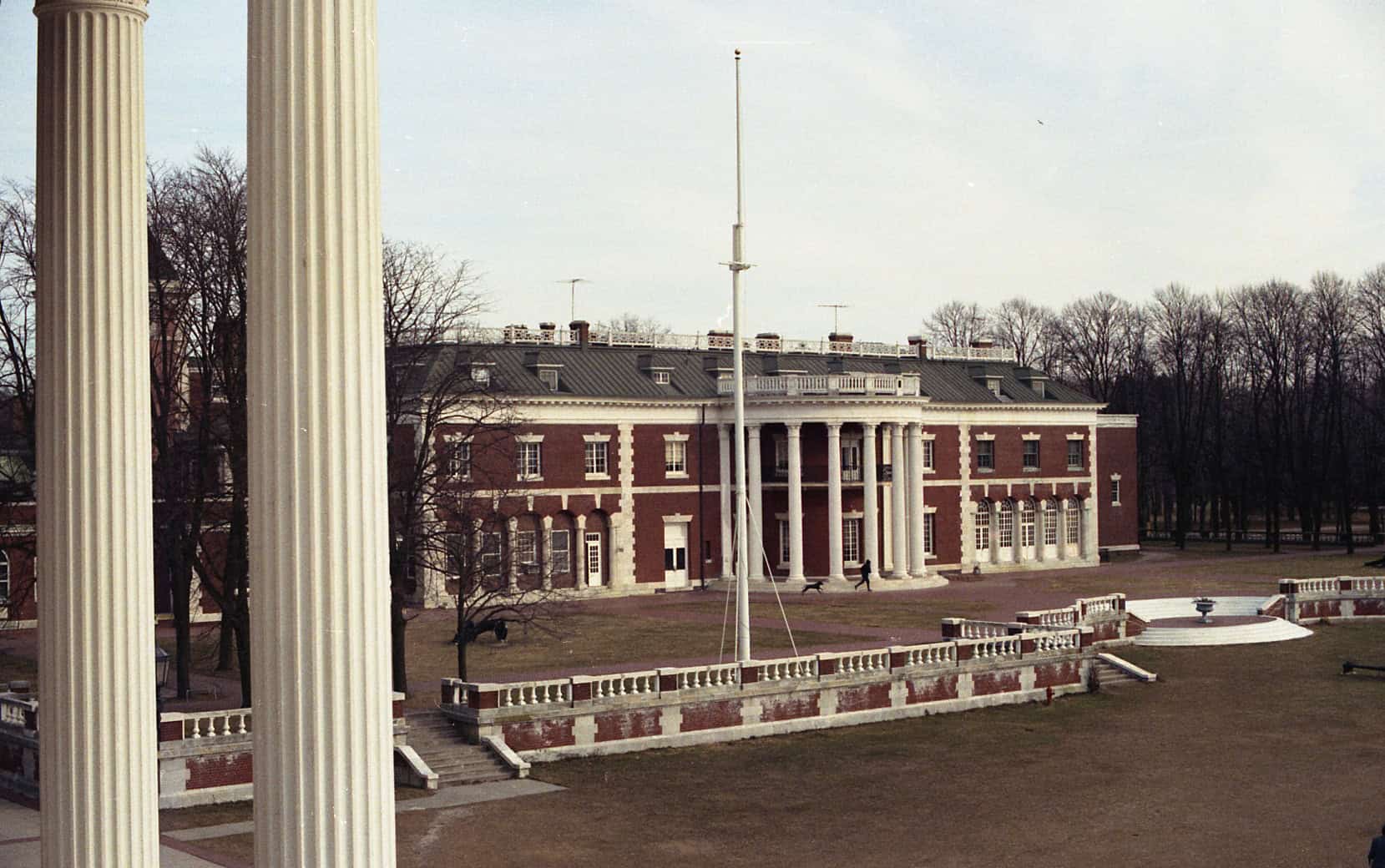
- Square Footage: 75,000
- Location: New York
- When Built: 1897
A Bourne Legacy
In 1897, Frederick Gilbert Bourne, president of Singer Manufacturing Company, built Indian Neck Hall. The 110-room home was once the LaSalle Military Academy and is now utilized for educational purposes by St. John’s Prep.
11. Florham
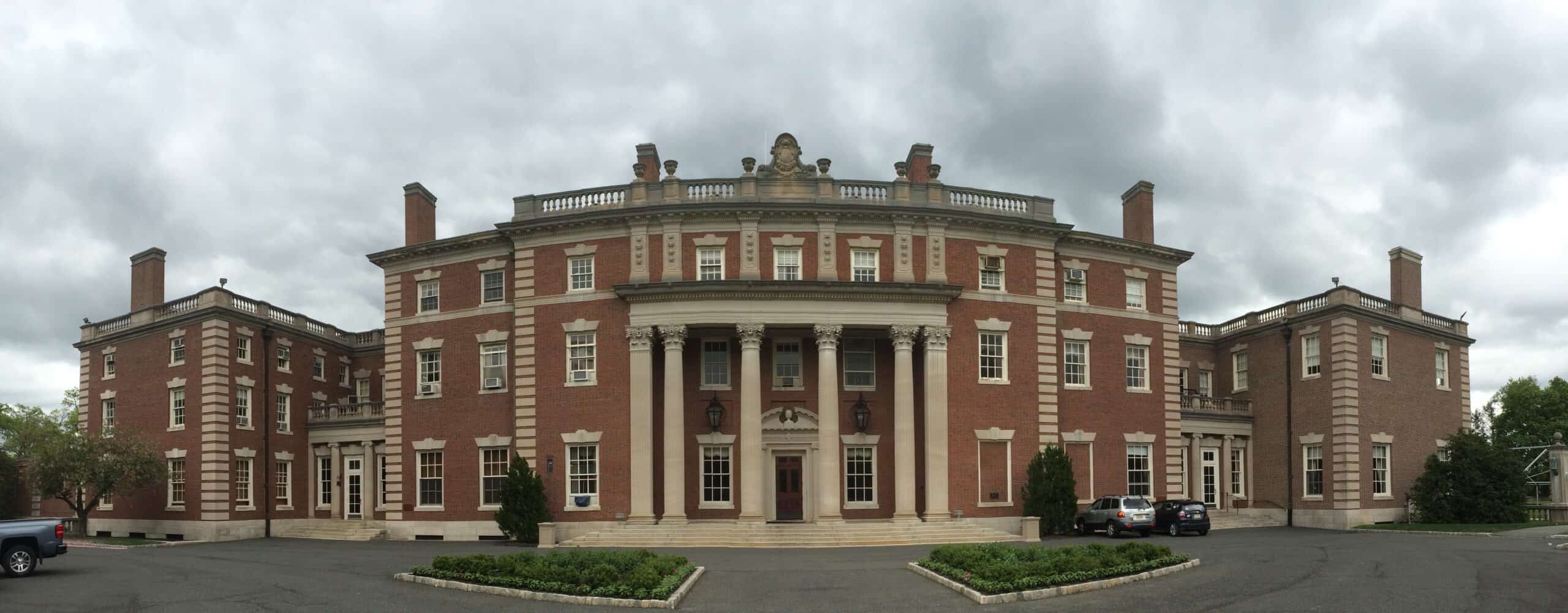
- Square Footage: 80,000
- Location: New Jersey
- When Built: 1899
The Vanderbilt Fortune
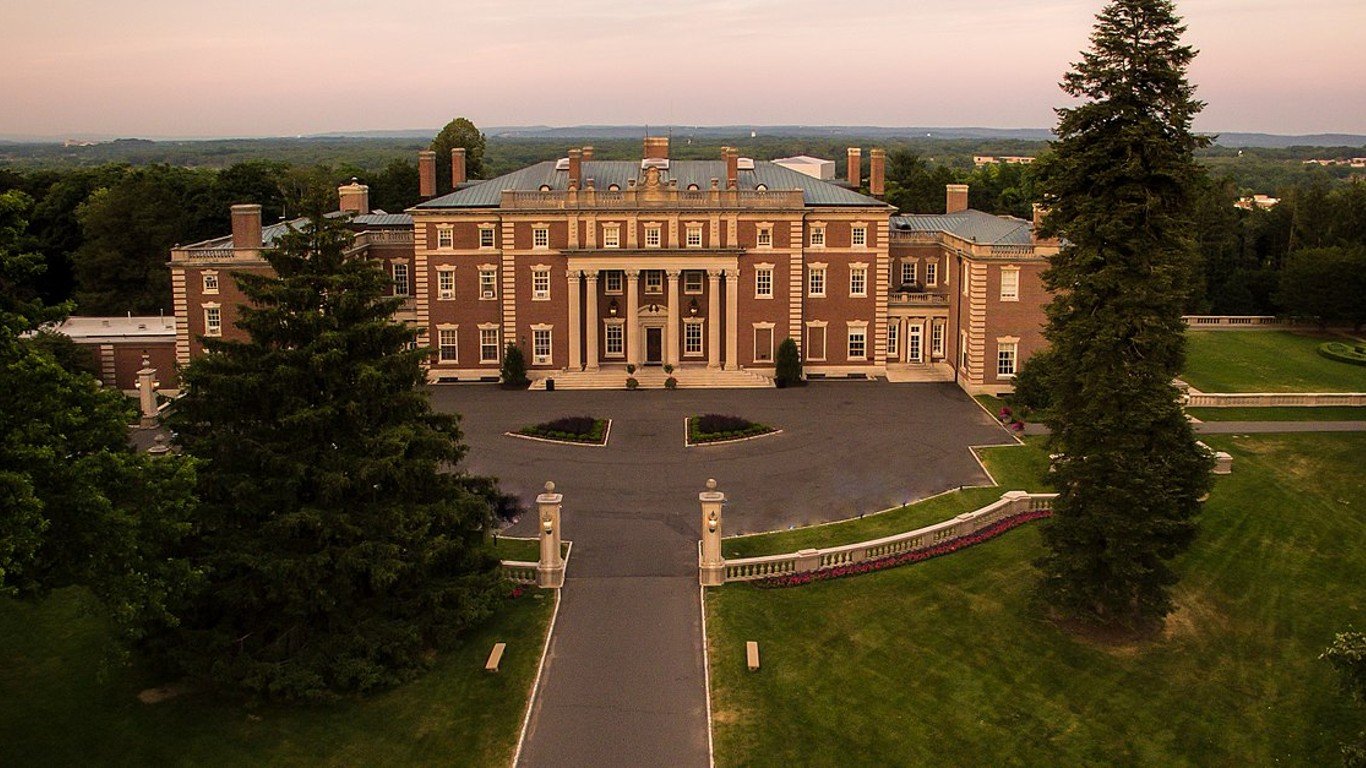
Inspired by Hampton Court Palace, Florham now serves as the center of Fairleigh Dickinson University’s Madison campus. It exemplifies how massive private fortunes eventually transitioned into public and academic assets.
10. Versailles
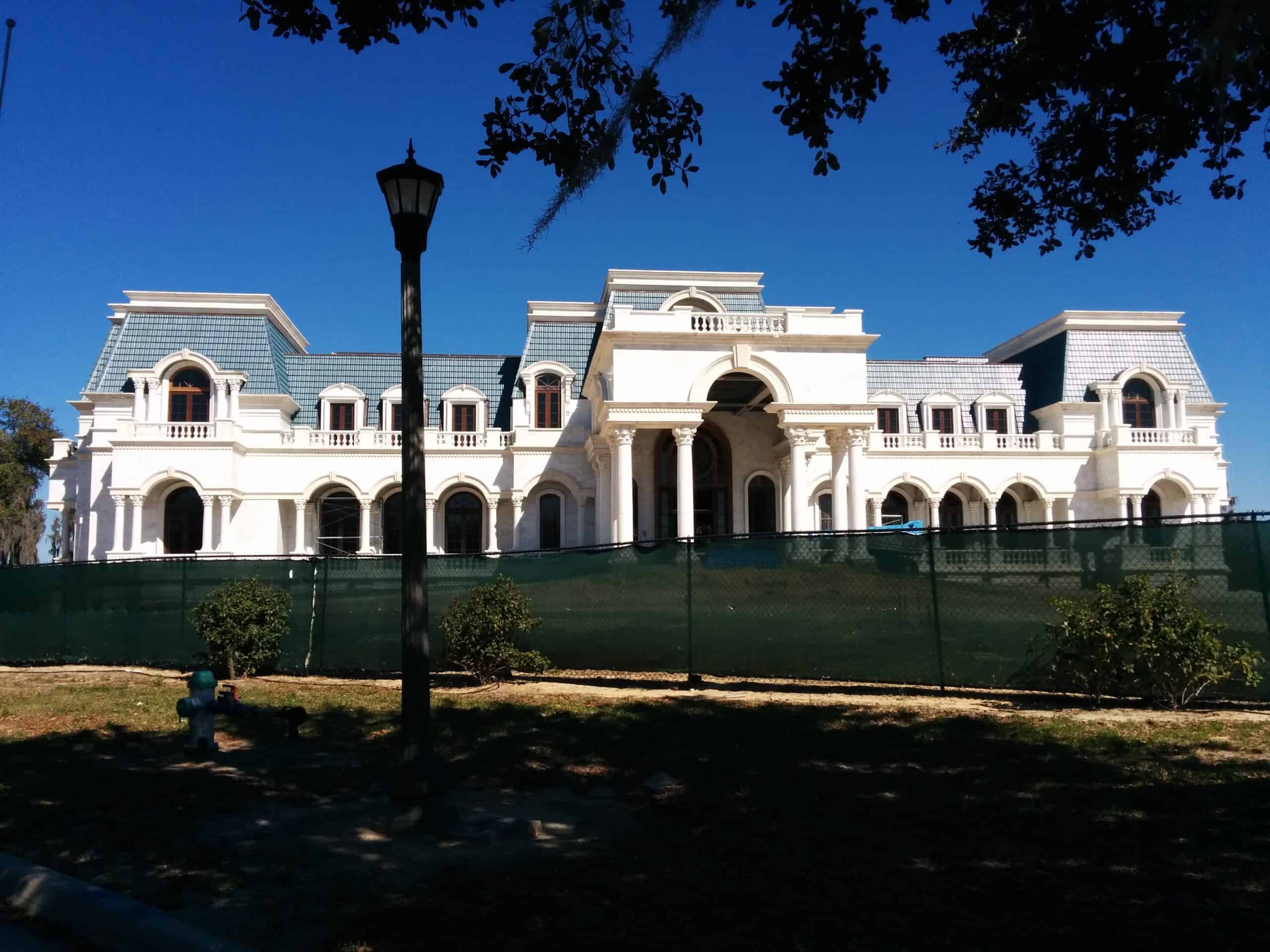
- Square Footage: 85,000
- Location: Florida
- Status: Unfinished / Legal Dispute (2026)
Exorbitant Expense
As of 2026, the Versailles estate in Windermere, Florida, remains a symbol of ambition and volatility. Following the passing of David Siegel in April 2025, the property has faced renewed scrutiny, including a $277,000 legal dispute over unpaid contractor bills. While portions are habitable, the home remains the country’s most famous “work in progress.”
9. Meadow Brook Hall
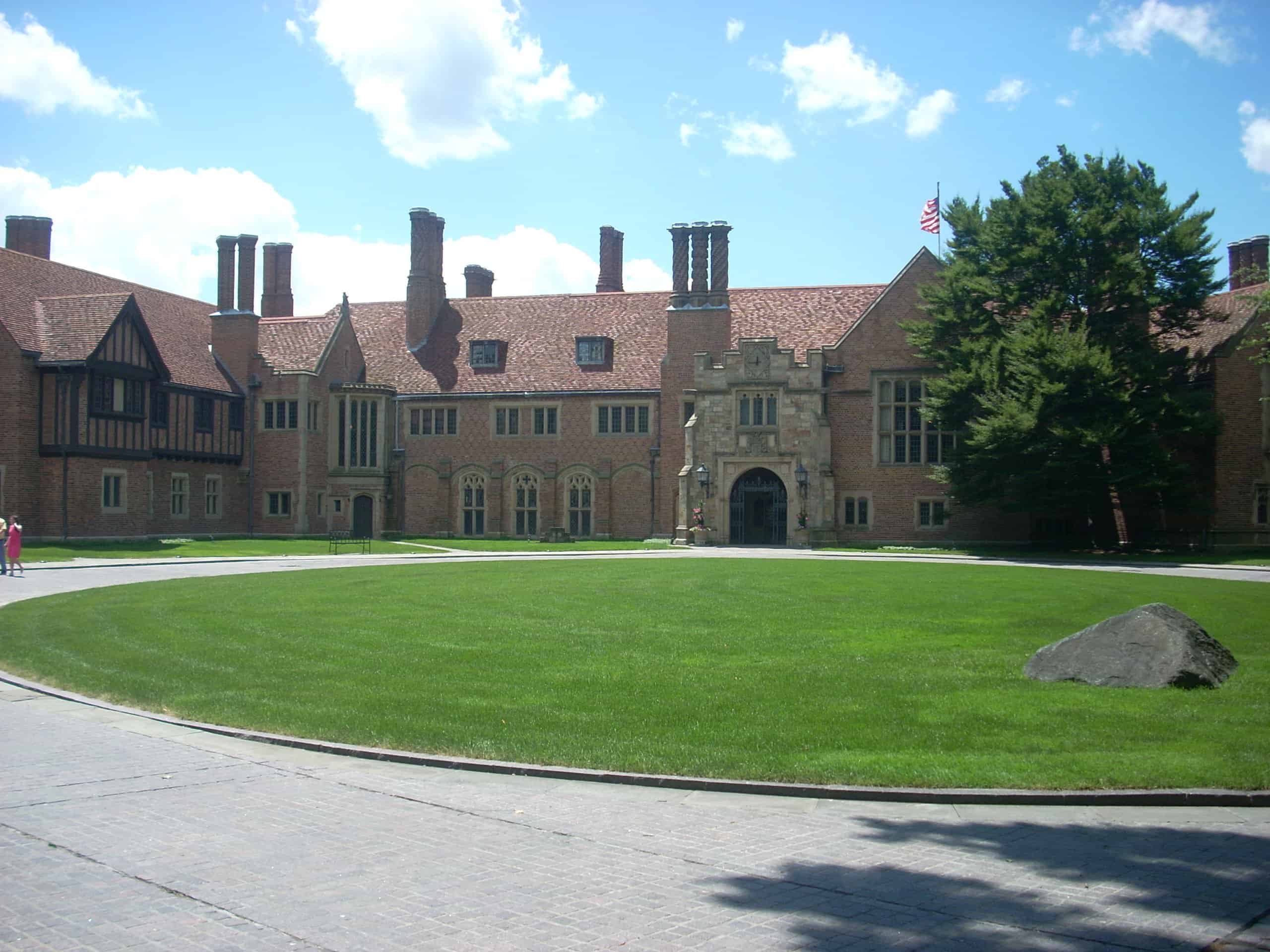
- Square Footage: 88,000
- Location: Michigan
- When Built: 1929
A Mansion Museum
Matilda Dodge Wilson donated this 110-room mansion to help found Oakland University. Today, it operates as one of the largest historic house museums in the United States, maintaining the legacy of the Dodge Motor Company fortune.
8. Shadow Lawn
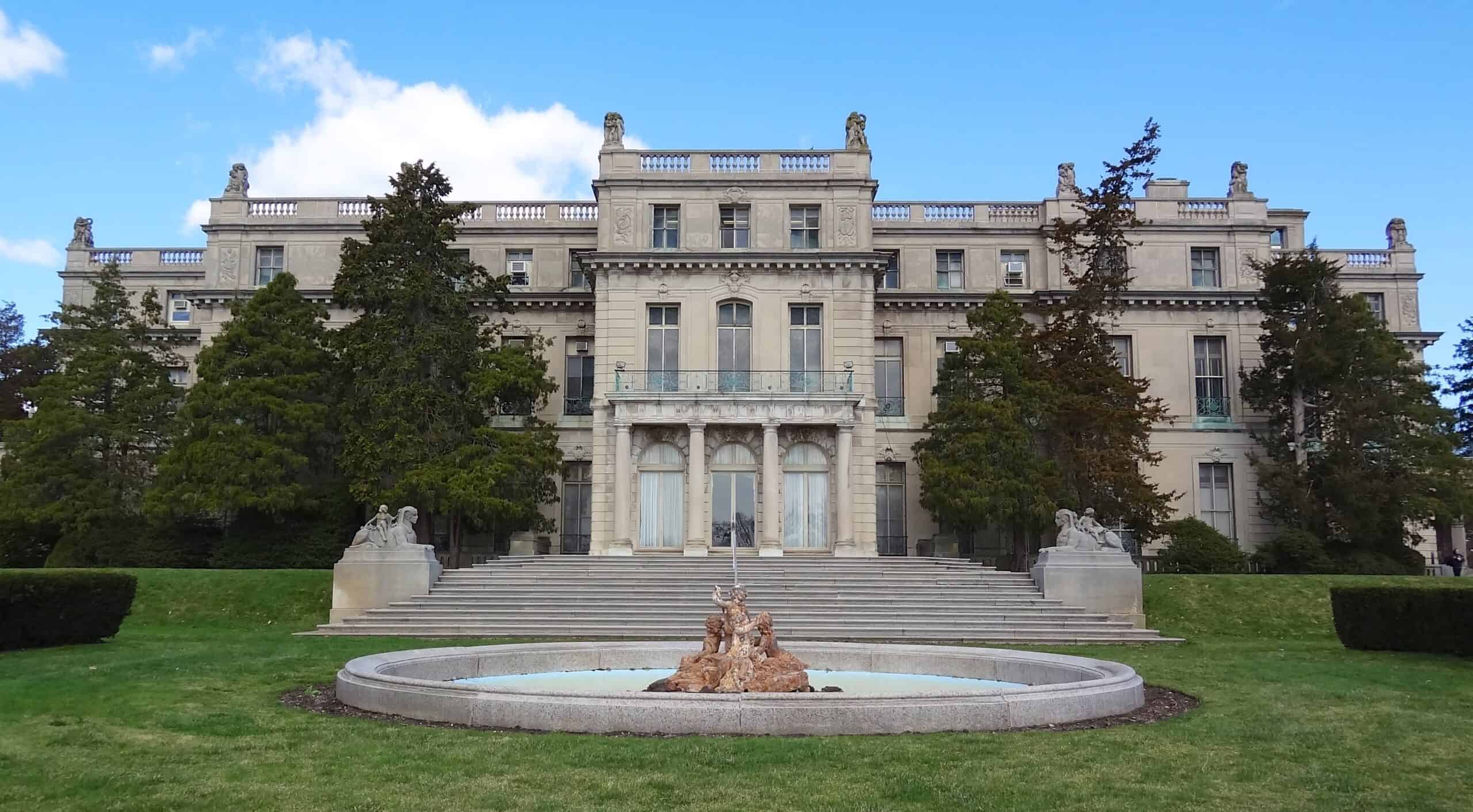
- Square Footage: 90,000
- Location: New Jersey
- When Built: 1929
Now Part of the University
Now known as Woodrow Wilson Hall at Monmouth University, this property is a National Historic Landmark. It gained additional fame as the filming location for the home of Oliver Warbucks in the movie Annie.
7. Winterthur
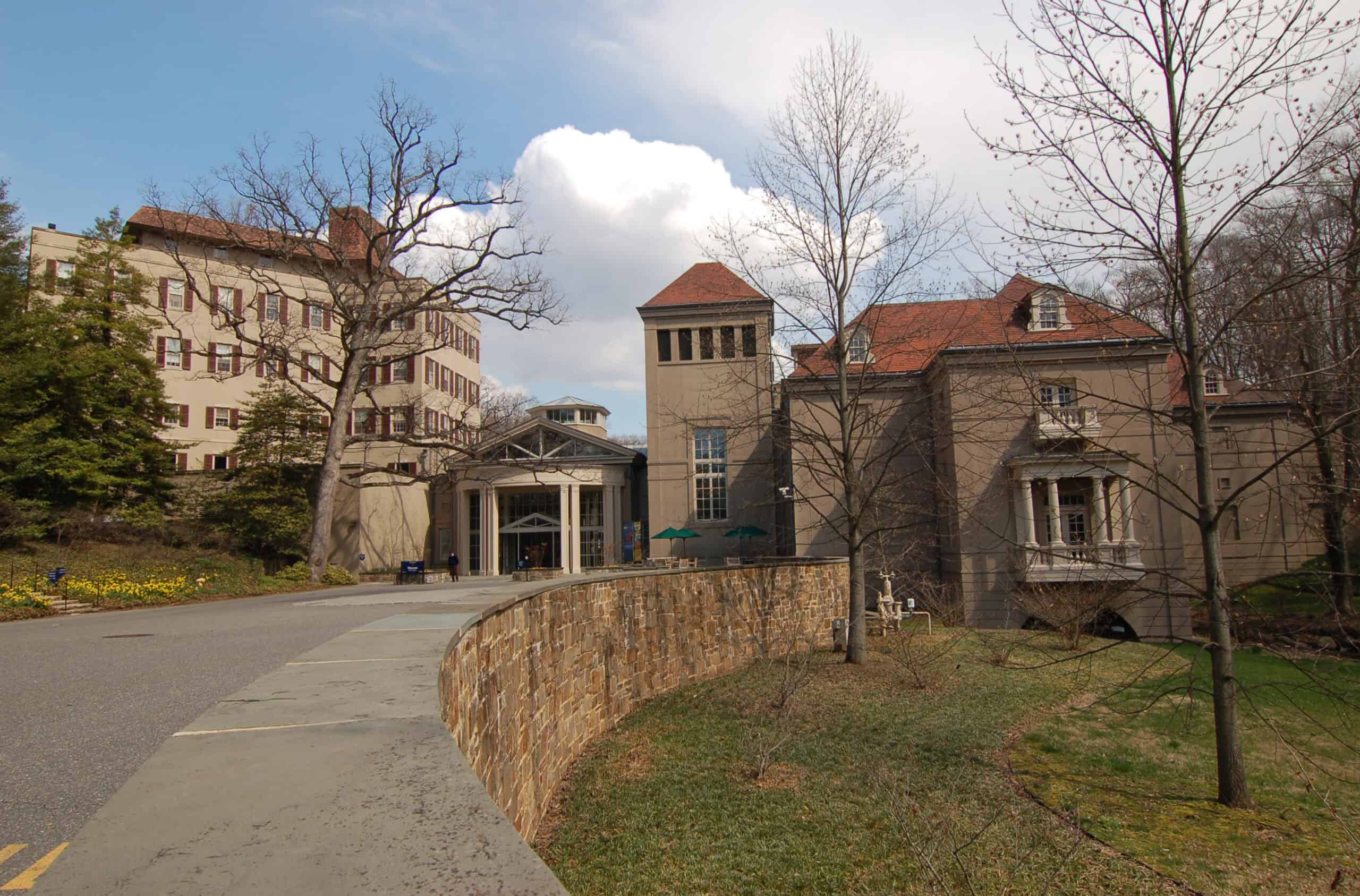
- Square Footage: 96,582
- Location: Delaware
- When Built: 1937
Ever-Growing
The du Pont estate has doubled in size since its original completion through constant renovation. It now houses one of the most significant decorative art collections in the country, featuring over 90,000 objects.
6. Arden House
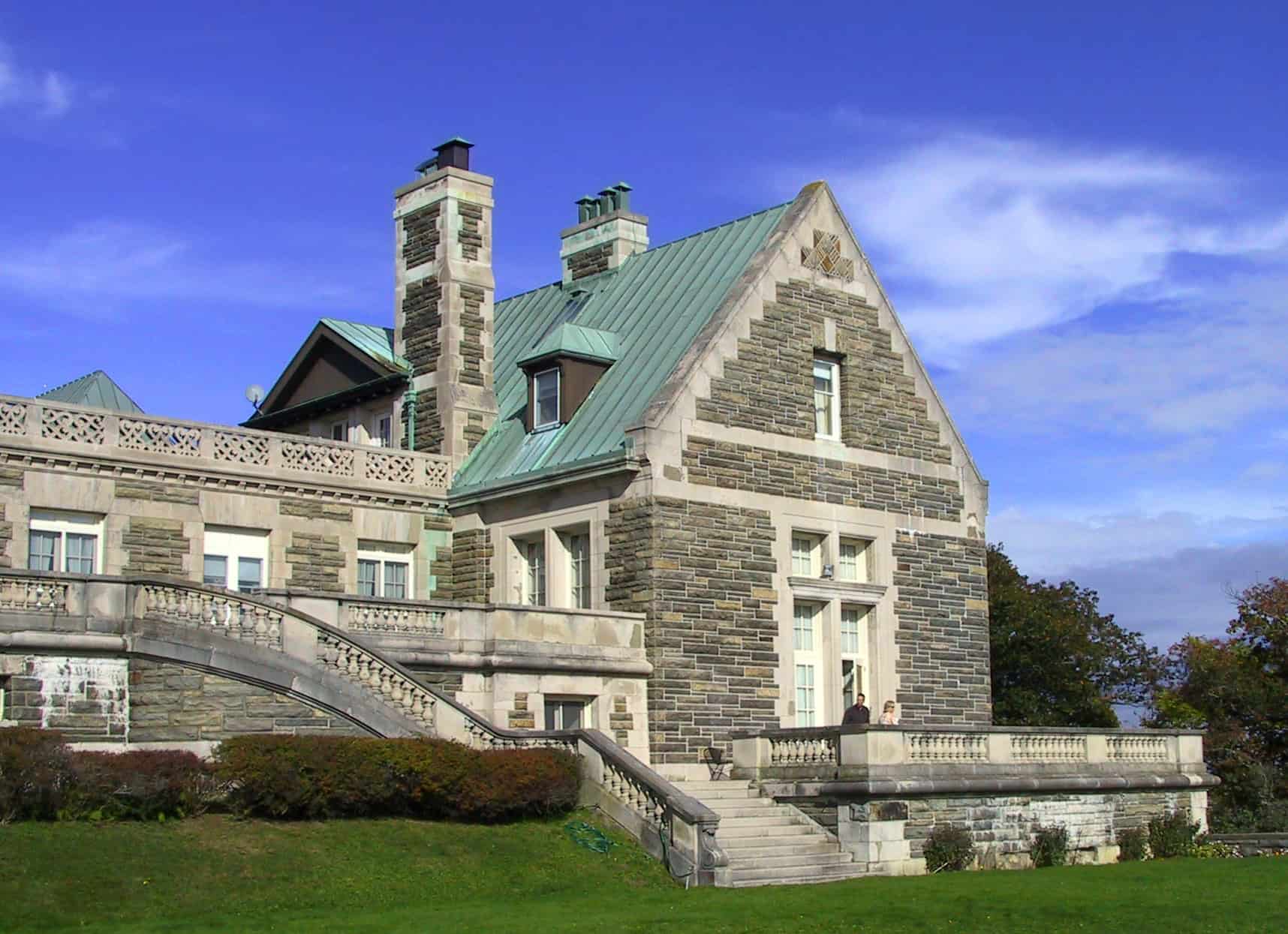
- Square Footage: 97,188
- Location: New York
- When Built: 1909
A House for Research
Originally built for railroad magnate Edward Henry Harriman, the Arden House is now a conference center managed by a nonprofit research organization, reflecting a broader trend of historic homes finding utility in the professional and environmental sectors.
5. Whitehall
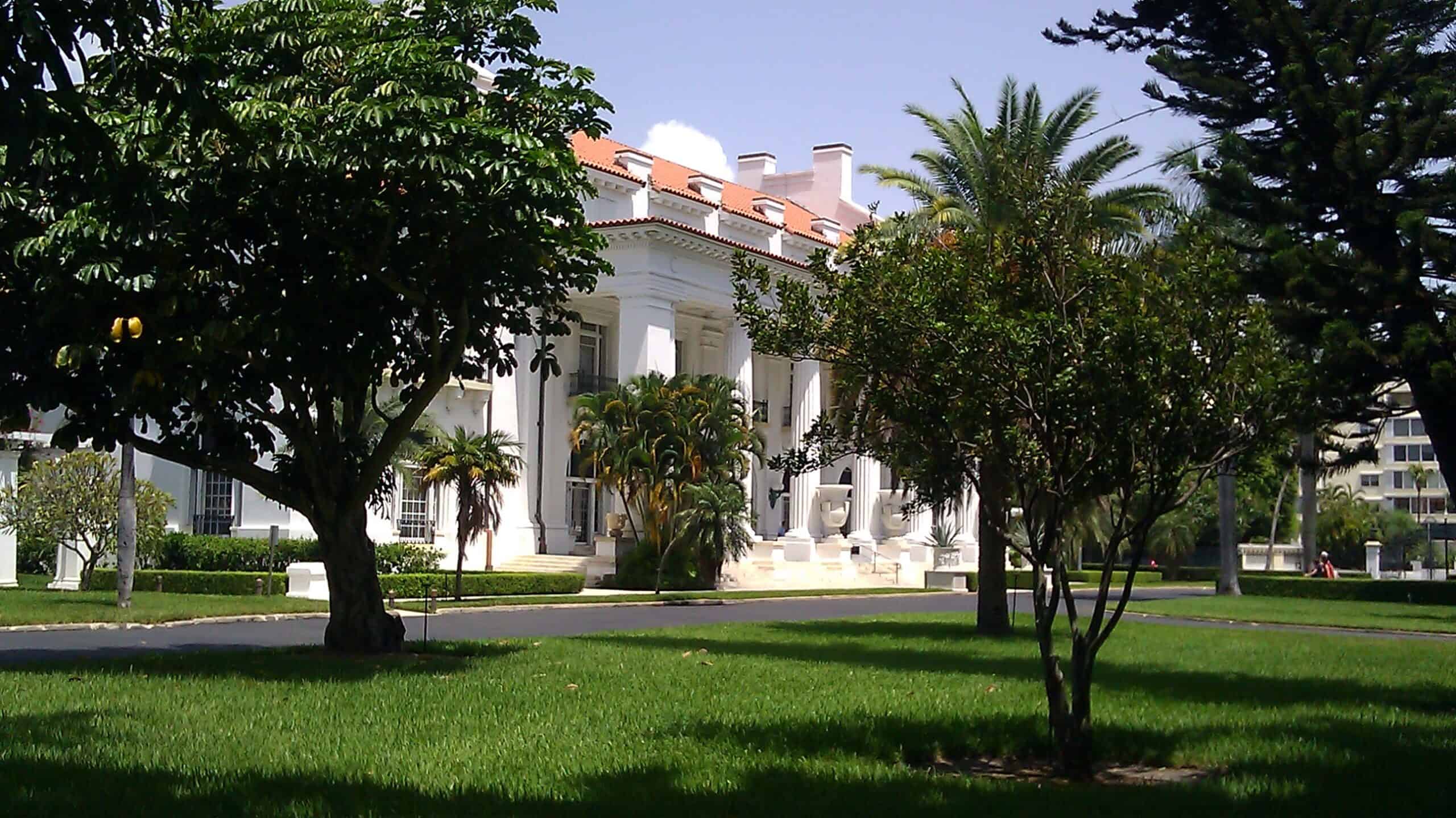
- Square Footage: 100,000
- Location: Florida
- When Built: 1902
Galas Galore
Henry Flagler’s “wedding gift” to his wife is now the centerpiece of Palm Beach culture. As a public museum, it continues to host high-society galas, preserving the Gilded Age aesthetic for a modern audience.
4. The One
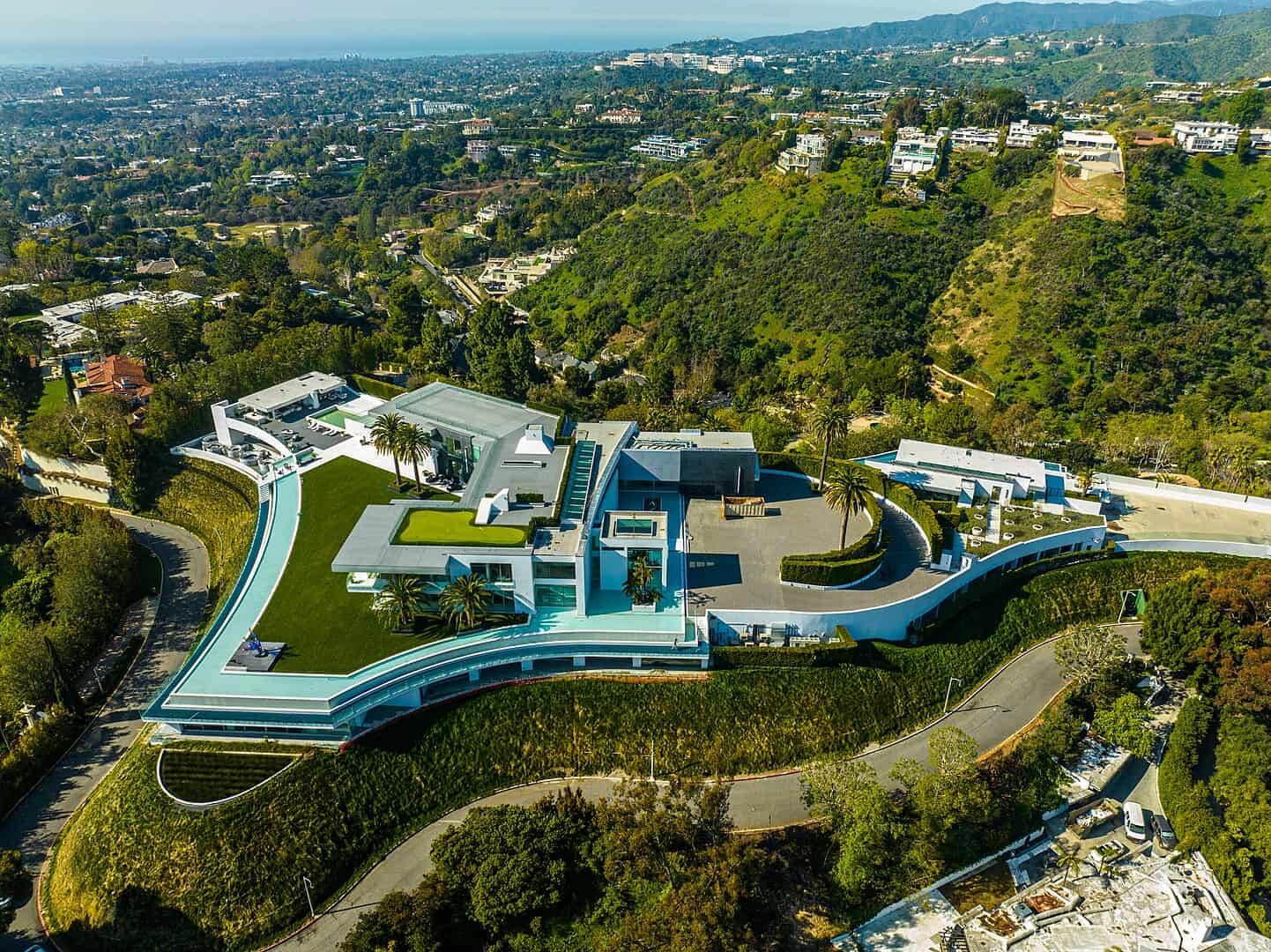
- Square Footage: 105,000
- Location: California
- When Built: 2021
A Newer Mansion
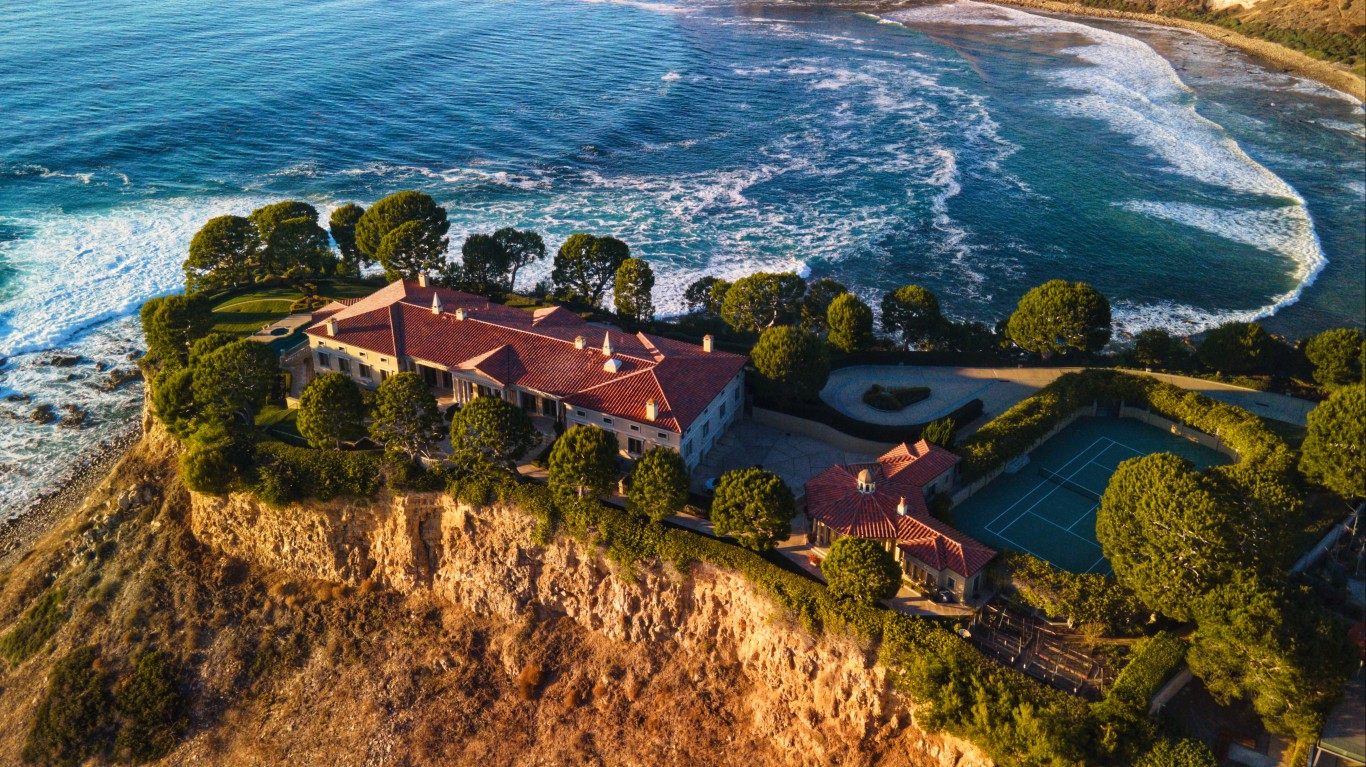
Acquired by Fashion Nova founder Richard Saghian in 2022 for $126 million, “The One” is the pinnacle of modern “spec” home building. Despite its size, recent reports suggest the property faces high operational costs, common for contemporary mega-mansions.
3. Oheka Castle
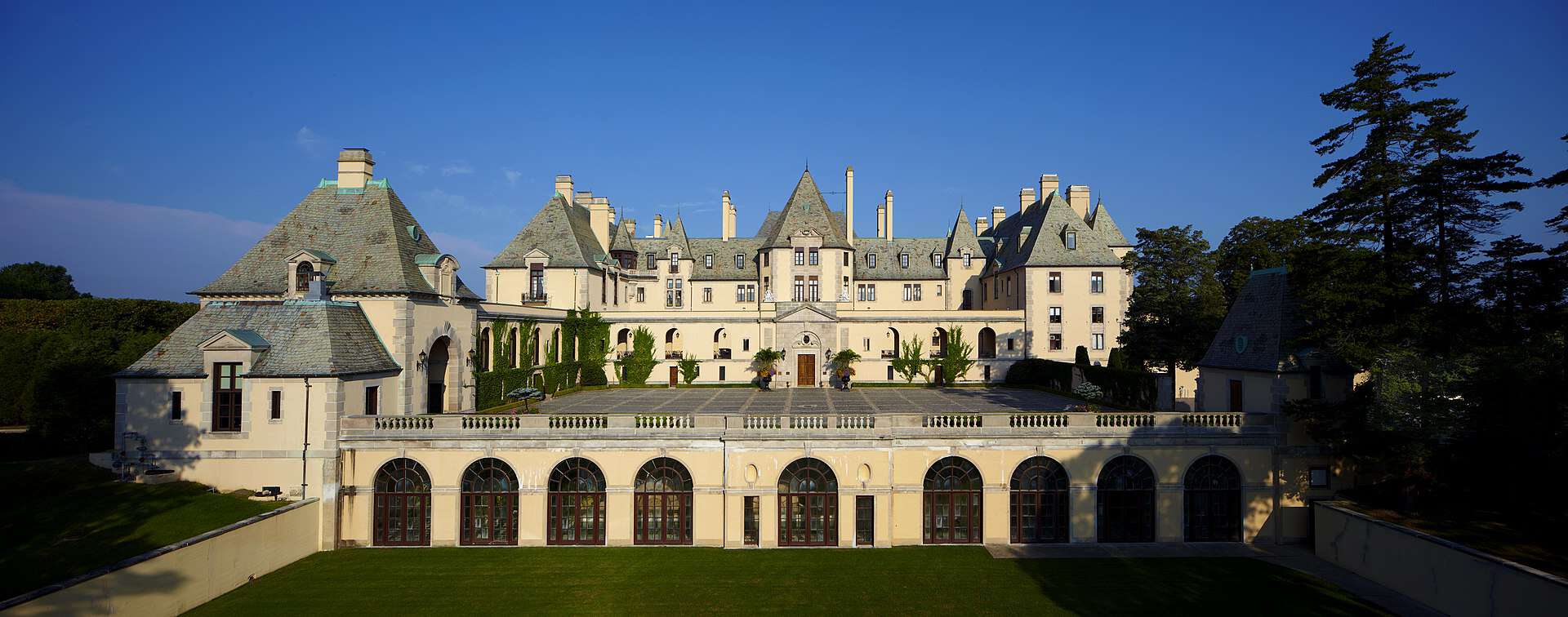
- Square Footage: 109,000
- Location: New York
- When Built: 1919
From Castle to Hotel
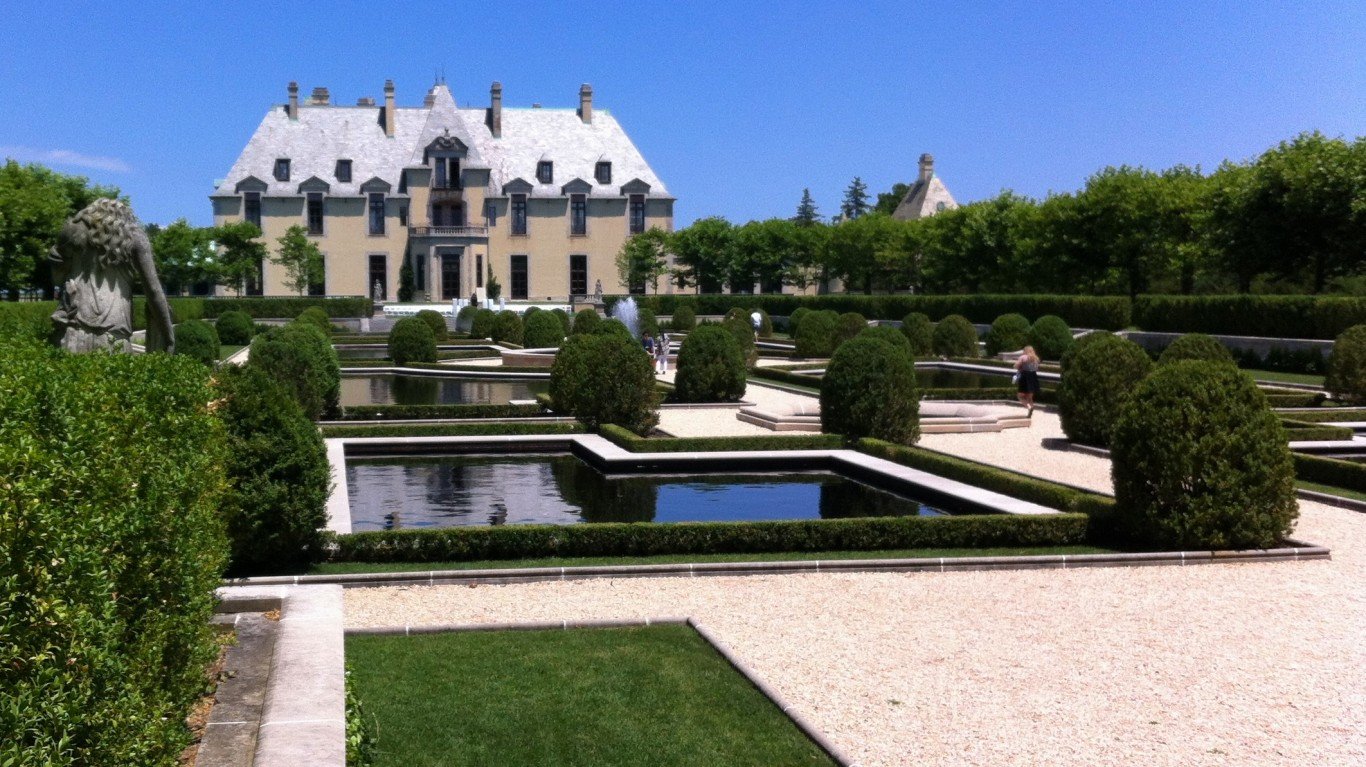
Oheka Castle remains one of the most recognizable historic hotels in the country. Its 127 rooms serve as a premier venue for luxury weddings, a far cry from its origins as a private financier’s retreat.
2. Fair Field
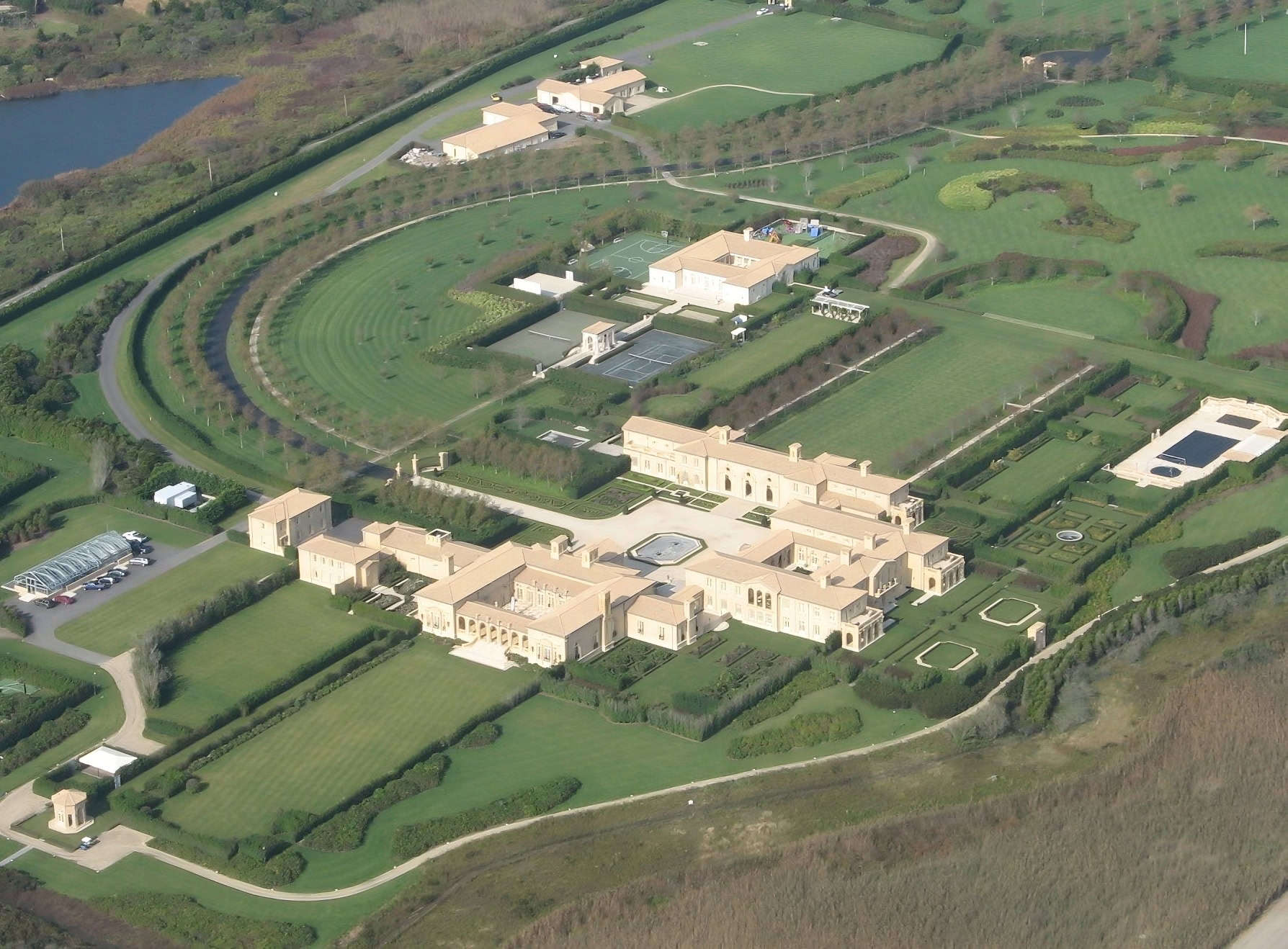
- Square Footage: 110,000
- Location: New York
- When Built: 2003
A Battle For First Place
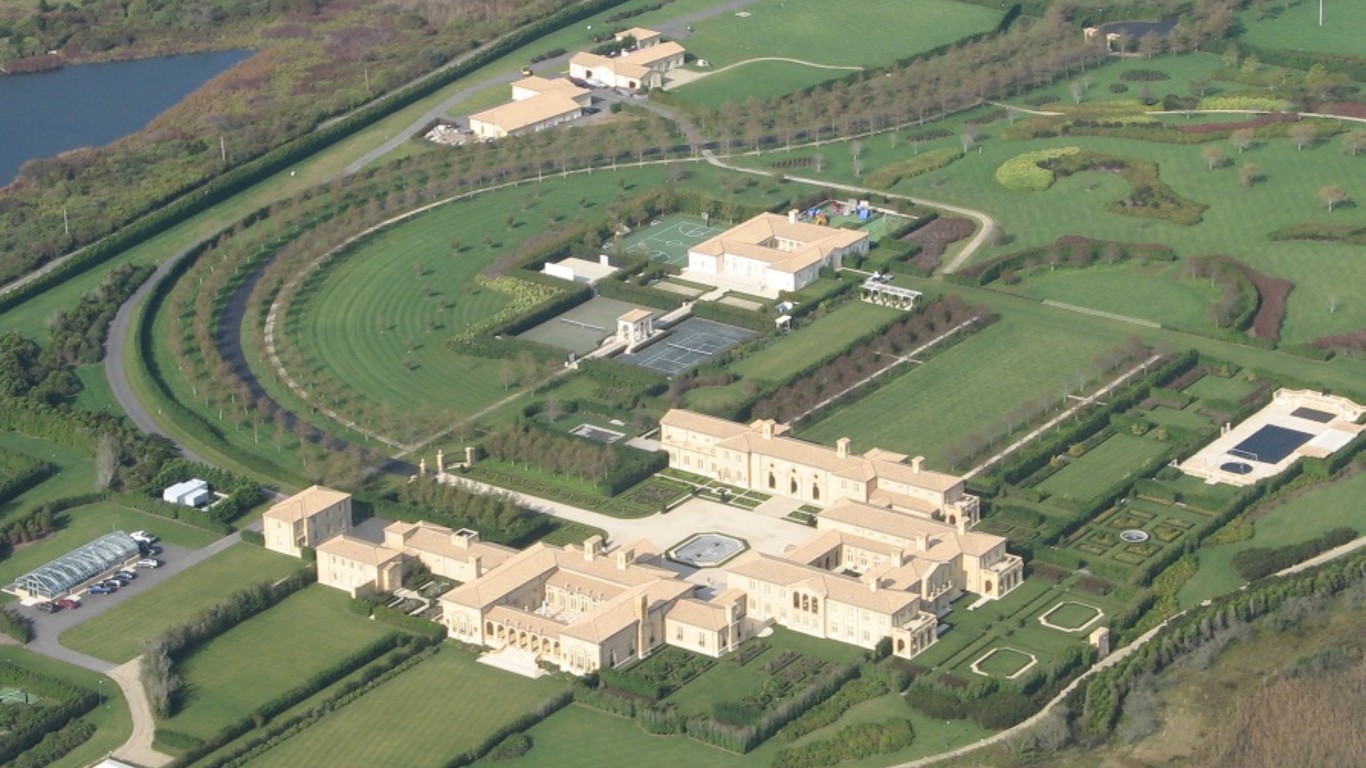
Ira Rennert’s Hamptons estate is so vast it requires its own power plant. With 29 bedrooms and an estimated value upwards of $500 million, it remains one of the few contemporary homes on this list to stay in the hands of its original builder.
1. Biltmore Estate
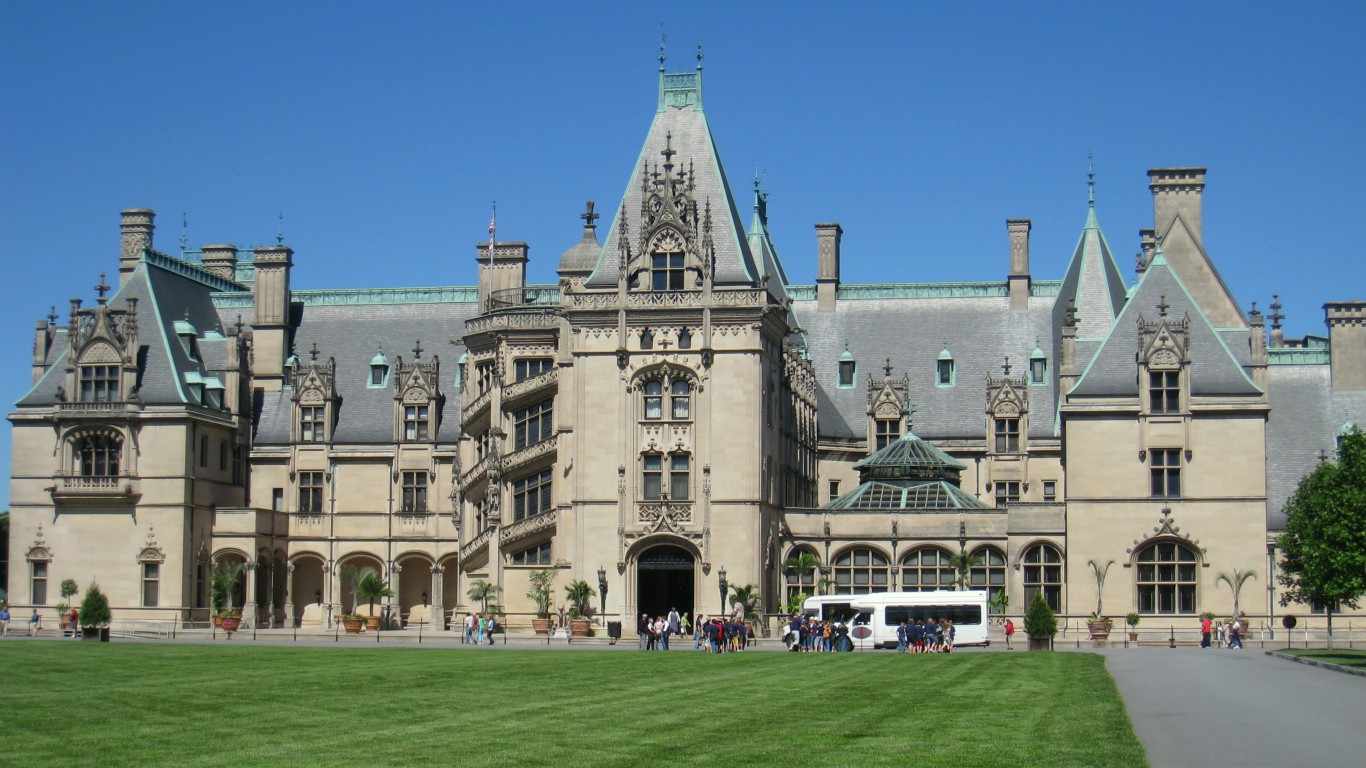
- Square Footage: 175,000
- Location: North Carolina
- When Built: 1895
More Than Enough Space
The Biltmore remains the unchallenged king of American homes. Still owned by the Vanderbilt family descendants, the estate has successfully pivoted into a massive luxury hospitality brand, featuring a winery, hotels, and year-round tourism.
Editor’s Note: The 2026 update of this article incorporates the passing of David Siegel and the subsequent legal disputes at the Versailles estate, adds details regarding the institutional restoration of Lynnewood Hall, and provides new market context regarding the high operational costs and efficiency of modern mega-mansions compared to Gilded Age estates.
Contact [email protected] for any questions or corrections.