The Life Expectancy of Everything in Your Home and How Much it Costs to Replace
Every system and surface in your home is quietly counting down toward a replacement bill you may not see coming. Knowing what has an expiration date and what it costs can mean the difference between a plan and a crisis.

Most of us fixate on the price of a house, but the cost of the actual home itself is only part of the equation. A house is made up of dozens of different systems and materials, and each one has its own expected lifespan. While some parts of a house can last for over a century (wood floors, brick exteriors), others don’t last nearly as long (HVAC, roof). Knowing the lifespan of a particular aspect of your house can help you plan ahead and dodge expensive surprises.
Roof: Around 20 Years
The roof is one of the most important parts of a home, and for obvious reasons. It protects everything beneath it from rain, debris, extreme temperatures, and moisture. Asphalt shingles, which are the most common type in the United States, tend to last about 20 years. That being said, climate plays a huge role in the equation. Extreme heat, hurricanes, heavy rain, and severe storms can eat away at that lifespan. Staying on a regular inspection schedule and doing routine maintenance can help prolong it.
Cost to replace roof: $7,500–$24,000 for a shingle-roof replacement. Size and roof complexity matter.
HVAC System: 10–20 Years
Heating and cooling systems are probably the hardest-working parts of a house. Whether cranking AC through summer or blasting warmth through winter, this system tends to be in use nearly constantly. Most air-conditioning units last in the ballpark of 10–15 years, while furnaces last a bit longer at between 15–20 years. Replacing an HVAC system can be expensive, so no one wants to do this unnecessarily. Staying on top of regular maintenance (including changing filters and having inspections) can make a big difference.
Cost to replace HVAC system: $5,000–$12,500 for replacing both a central AC and furnace together
Windows: 15–30 Years
Quality windows can last decades, especially if they are well taken care of. As windows age, seals and other components can deteriorate, allowing air and moisture to seep in. This raises your energy bills, among other things. Signs it may be time to replace windows include drafts, condensation between panes, trouble opening and closing, or having to run your system more to make up for lost heat or cool air.
Cost to replace windows: $7,000–$9,000 for a typical three-bedroom house with 10–12 standard windows
Plumbing Fixtures: 15–50 Years
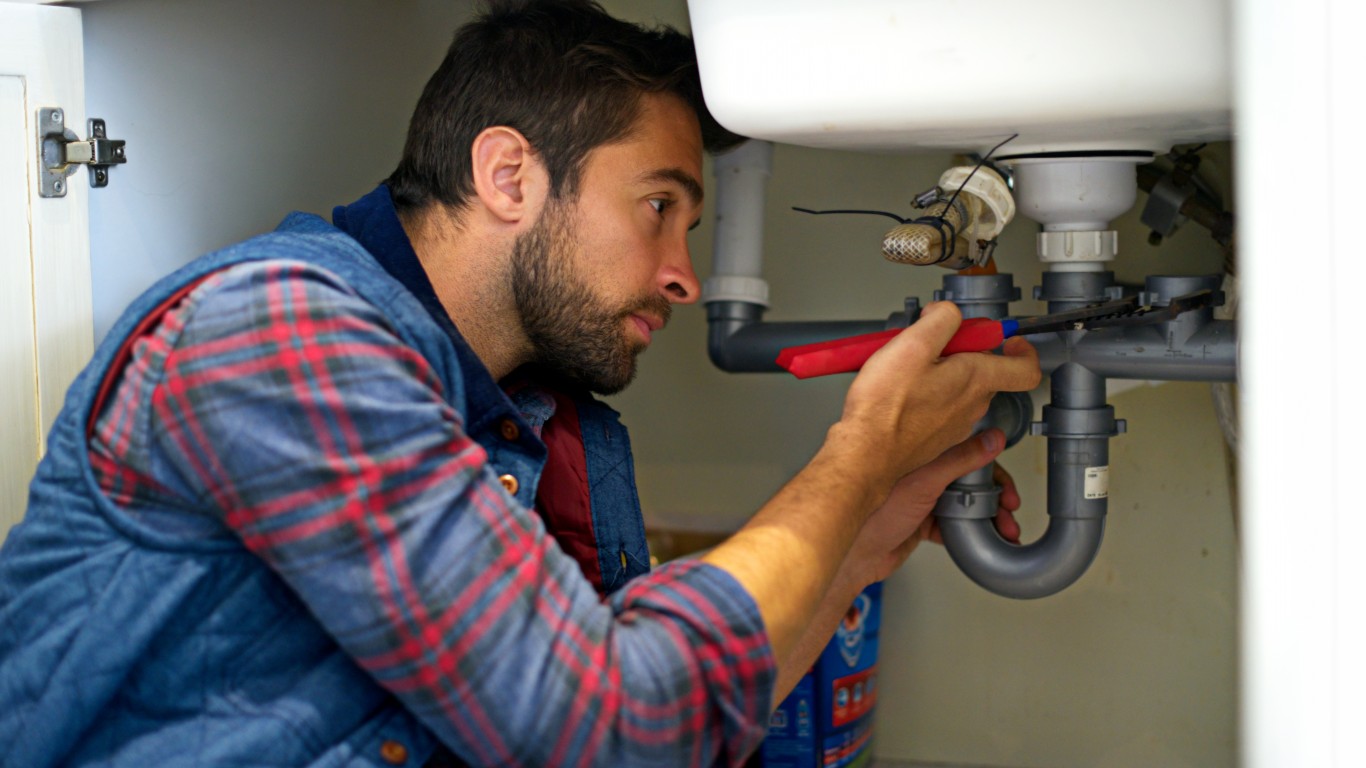
A plumbing system is made up of dozens of parts, and they won’t all need to be replaced at the same time. This is a general breakdown of how long certain aspects last:
- Faucets: about 15 years
- Toilets: 50 years or more
- Bathtubs: decades when properly maintained, depending on material
- Supply pipes: decades, depending on material
The pipes themselves can hold up quite a long time depending on the material, with some older systems lasting many decades.
Cost to replace: varies widely by fixture
Flooring: 10–100+ Years
Flooring lifespan varies big time based on material used. Carpet will probably need to be replaced after 8–10 years, especially in high-traffic areas like the living room. Hardwood flooring, on the other hand, can last 100 years or more. On top of this, it can generally be refinished several times. Tile floors can also last for just as long, if laid properly and well maintained.
Cost to replace: Carpet can be around $3–$11/sq. ft., while installed tile can be $15–$20/sq. ft. Hardwood projects can total several thousand dollars.
Kitchen Appliances: About 9–15 Years
The kitchen is one of the most expensive rooms in the house to update because so many important appliances and systems are squeezed into one area.
Typical lifespans include:
- Refrigerator: roughly 13 years
- Range: 13–15 years
- Dishwasher: about 9 years
- Microwave: around 9 years
- Garbage disposal: roughly 12 years
While appliances can sometimes last longer than these averages, a lot of homeowners replace them just because newer models come out that are better or more energy efficient.
Cost to replace kitchen appliances: $3,000–$8,000 for a full basic-to-midrange set
Cabinets: Around 50 Years
Kitchen cabinets aren’t high on the list of things to worry about. Well-built cabinets can last around 50 years, and sometimes way longer than that. Cabinets often end up being changed, not because they have worn out, but because styles change faster than the cabinets fall apart.
Cost to replace cabinets: varies widely, $5,000–$20,000+ for full replacement
Exterior Paint: About 5–15 Years
A fresh coat of paint can completely alter a house’s aesthetic. Exterior paint can last from 5–15 years depending on numerous factors such as the quality of the paint, climate, and how much direct sun the house gets.
Cost to redo exterior paint: $1,800–$4,600, with an average around $3,200
Decks: 10–15 Years
Outdoor features tend to take a harder beating, as they are exposed to the elements.
- Wood decks: around 10–15 years
Regular sealing and maintenance can help prolong their lifespan.
Cost to replace deck: $4,500–$18,000; $8,000 is average
Garage Door Opener: 10–15 Years
Garage doors are used constantly, and it’s not out of the ordinary to use them multiple times a day. The opener itself usually lasts around 10–15 years. Basic repairs like replacing sensors or replacing individual opener components can push this timeframe even further.
Cost to replace garage door opener: $220–$540 including professional installation
Contact [email protected] for any questions or corrections.