The Economies Of Asia Form An Alliance That The West Cannot
The US, UK, and a number of the large countries that make up the EU began to form political and military and alliances after WWII and these expanded as the Soviet Union dissolved. Through the current financial crisis there has…


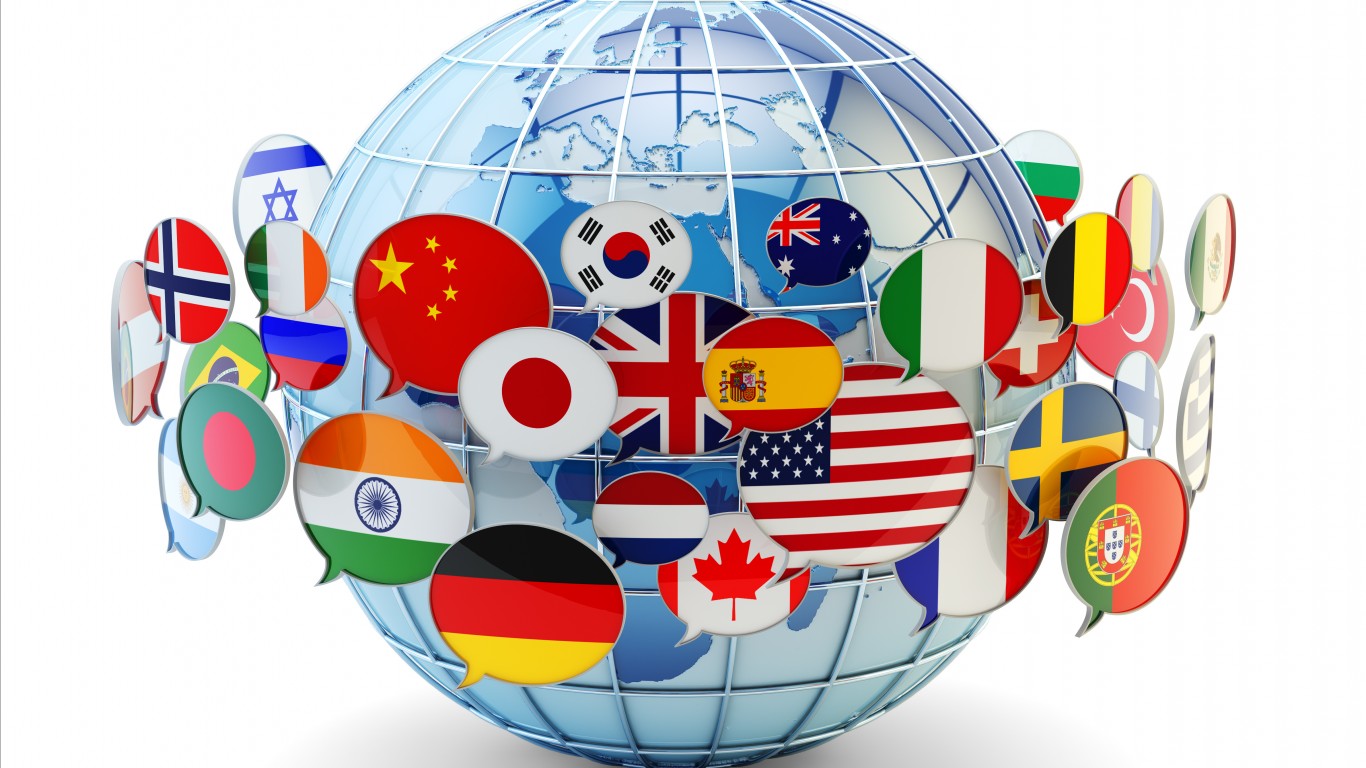
Asia is doing what the West cannot do despite political and military divisions among many of them that go back decades. Nations in the region are building a coercive plan to protect the region’s financial stability.
According to Reuters, “Japan, China and South Korea have finalized details of an emergency $120 billion liquidity fund for 13 Asian nations.” In the event of a financial crisis in one of the counties, this fund would be available to provide assistance.
There is a temptation to compare this new facility to the IMF, but that analysis would miss the move toward a financial alliance that will help serve to bring Asia together as a single, loosely formed economic entity lead by China and Japan, two of the four largest countries in the world as measured by GDP. The program makes the region financially stable, probably more stable than Europe is now with its rising unemployment, stagnant economies, and sovereign debt which faces downgrades in many cases.
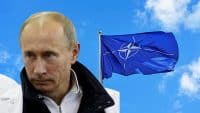
The old alliance among the nations that support the military cooperation of NATO has not extended to a set of economic bonds that are even more important as the global financial crisis claims victims in countries such as Ireland and the old Eastern European block. That gives Asia an advantage as the recession continues.
Douglas A. McIntyre
Contact [email protected] for any questions or corrections.
Douglas A. McIntyre is the co-founder, chief executive officer and editor in chief of 24/7 Wall St. and 24/7 Tempo. He has held these jobs since 2006.
McIntyre has written thousands of articles for 24/7 Wall St. He is an expert on corporate finance, the automotive industry, media companies and international finance. He has edited articles on national demographics, sports, personal income and travel.
His work has been quoted or mentioned in The New York Times, The Wall Street Journal, Los Angeles Times, The Washington Post, NBC News, Time, The New Yorker, HuffPost USA Today, Business Insider, Yahoo, AOL, MarketWatch, The Atlantic, Bloomberg, New York Post, Chicago Tribune, Forbes, The Guardian and many other major publications. McIntyre has been a guest on CNBC, the BBC and television and radio stations across the country.
A magna cum laude graduate of Harvard College, McIntyre also was president of The Harvard Advocate. Founded in 1866, the Advocate is the oldest college publication in the United States.
TheStreet.com, Comps.com and Edgar Online are some of the public companies for which McIntyre served on the board of directors. He was a Vicinity Corporation board member when the company was sold to Microsoft in 2002. He served on the audit committees of some of these companies.
McIntyre has been the CEO of FutureSource, a provider of trading terminals and news to commodities and futures traders. He was president of Switchboard, the online phone directory company. He served as chairman and CEO of On2 Technologies, the video compression company that provided video compression software for Adobe’s Flash. Google bought On2 in 2009.