If You Invested $10,000 In Tesla 10 Years Ago, This Is How Rich You Would Be Today
Among “The Magnificent Seven” stocks that have been buoying the Dow Jones Industrial Average to new heights—maintaining its status largely thanks to maturing software-as-a-service models and roughly 1.28 million active Full Self-Driving (FSD) subscribers—none of those companies’ founders eclipses their…

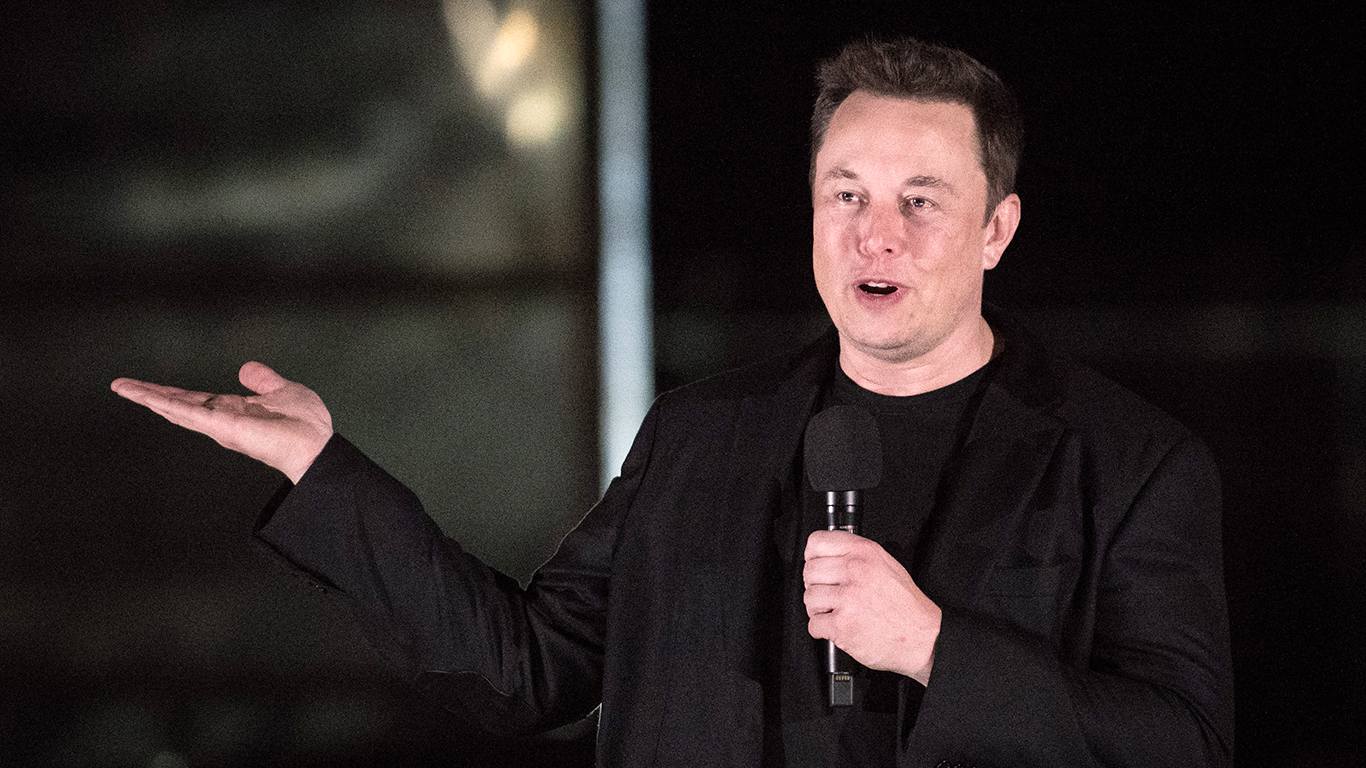
Among “The Magnificent Seven” stocks that have been buoying the Dow Jones Industrial Average to new heights—maintaining its status largely thanks to maturing software-as-a-service models and roughly 1.28 million active Full Self-Driving (FSD) subscribers—none of those companies’ founders eclipses their company’s product or service more than Tesla’s (NASDAQ: TSLA | TSLA Price Prediction) Elon Musk.
While Musk’s involvements with satellite and aerospace designer SpaceX, cryptocurrency Dogecoin, and social media company X (formerly Twitter) often overshadow Tesla’s Electric Vehicle business in news headlines, his personal controversies are the subject for another article.
Tesla stock is the biggest source of Musk’s net worth. Savvy investors who took the plunge and bought Tesla stock a decade ago in May 2016 at roughly $14.50 (split-adjusted) have done incredibly well. But why has Tesla seen such massive growth, and how is it shifting its focus today? Let’s take a look at some history:
Tesla’s Messy Genesis

Tesla actually was started in 2003 by tech engineers Martin Eberhard and Marc Tarpenning, who had the dream of building a commercially viable, computer powered electric car. Elon Musk, freshly wealthy with $100 million from selling his stake in PayPal Holdings (NASDAQ: PYPL), invested in Tesla’s A-round the following year. Musk soon became Tesla’s largest shareholder and Chairman of the Board.
Musk would lead Tesla’s subsequent funding rounds. After a number of management squabbles, Eberhard and Tarpenning would eventually leave the company, with Musk becoming CEO in 2008 and commencing production of the Tesla Roadster. By 2009, Tesla had raised $187 million, $70 million of it coming personally from Musk. Tesla made delivery of its first 147 cars early that same year. In 2010, Tesla launched its IPO.
From Cars to AI and Robotics
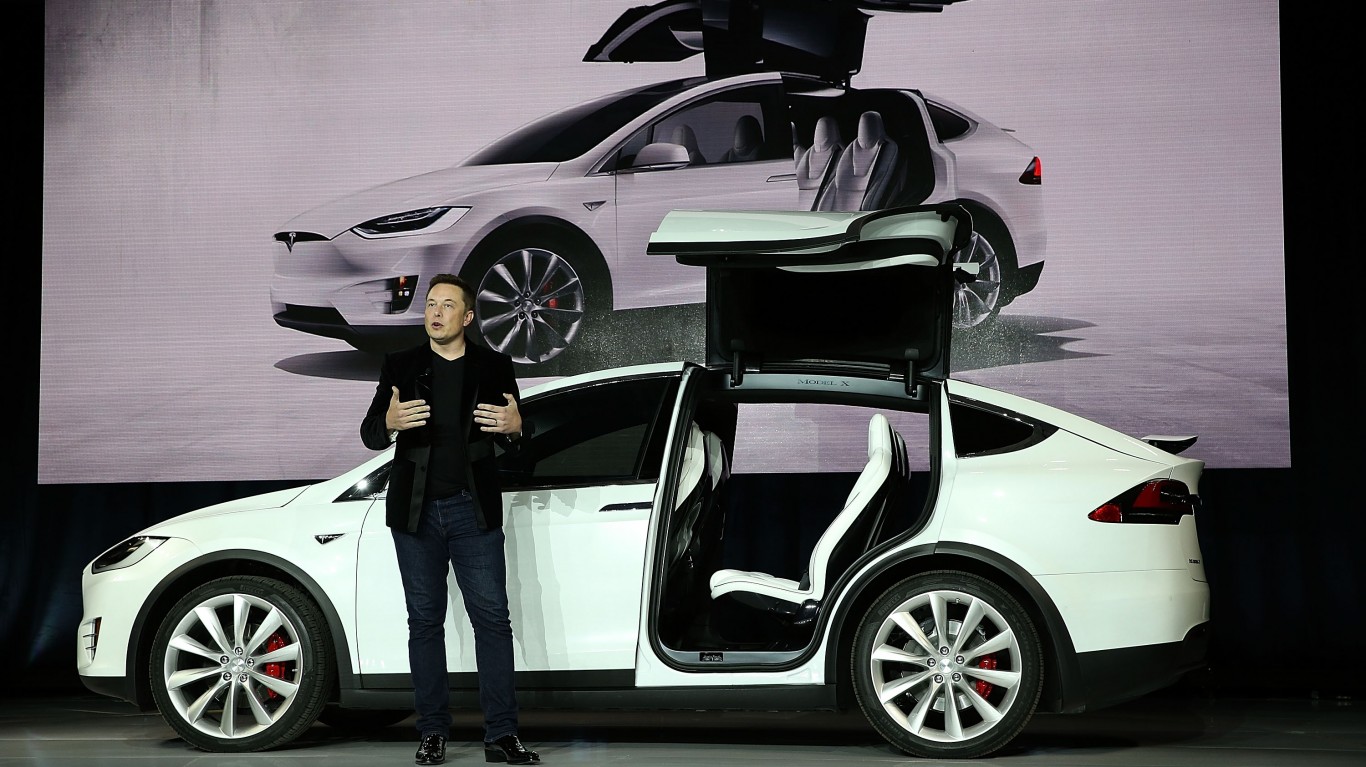
Tesla went upscale next, introducing its Model S sedan and Model X SUV over the following five years, eventually expanding to the mass market Model 3 and Model Y. However, 2025 proved to be a volatile year marking the company’s first-ever annual revenue decline as vehicle deliveries fell to 1.63 million. To stabilize margins in a slumping auto market, Tesla raised Model Y prices by $1,000 in May 2026.
To offset hardware headwinds, Tesla is executing a massive pivot toward artificial intelligence and autonomous infrastructure. The company is currently engaged in a $25 billion CapEx sprint for 2025–2026. This tech lifeline includes targeting late-summer 2026 production of the Optimus humanoid robot and aggressively pushing to deploy Robotaxis across a dozen U.S. states by year-end.
Tesla’s Stock Trajectory

At the time of this writing, Tesla stock is surging around $406. A $10,000 investment ten years ago in May 2016, when the stock traded at roughly $14.50 (split-adjusted), would have bought 689 shares. At the current price, those shares would be worth approximately $279,700, representing a staggering 2,700% ROI.
What to Do With the Wealth
For long-term holders sitting on a highly appreciated position, the question becomes how to actively manage that equity. Instead of fully liquidating their initial golden ticket, savvy investors can turn this volatile growth stock into a yield-generating asset. Maintaining a portfolio of 689 shares allows an investor to generate steady monthly income by writing covered calls against their position, monetizing the stock’s high volatility while keeping their underlying shares intact.
Contact [email protected] for any questions or corrections.
After 15 years on Wall Street with 7 of them as Director of Corporate and Municipal Bond Trading for a NYSE member firm, I started my own project and corporate finance consultancy. Much of the work involves writing business plans, presentations, white papers and marketing materials for companies seeking budgetary allocations for spinoffs and new initiatives or for raising capital for expansion or startup companies and entrepreneurs. On financial topics, I have been published under my own byline at The Motley Fool, 247wallst.com, DealFlow Events’ Healthcare Services Investment Newsletter and The Microcap Newsletter, among others. Additionally, I have done freelance ghostwriting writing and editing for several financial websites, such as Seeking Alpha and Shmoop Financial. I have also written and been published on a variety of other topics from music, audiophile sound and film to musical instrument history, martial arts, and current events. Publications include Copper Magazine, Fidelity (Germany), Blasting News, Inside Kung-Fu, and other periodicals.