S&P 500 May Drop 2,000 Points to 3,500
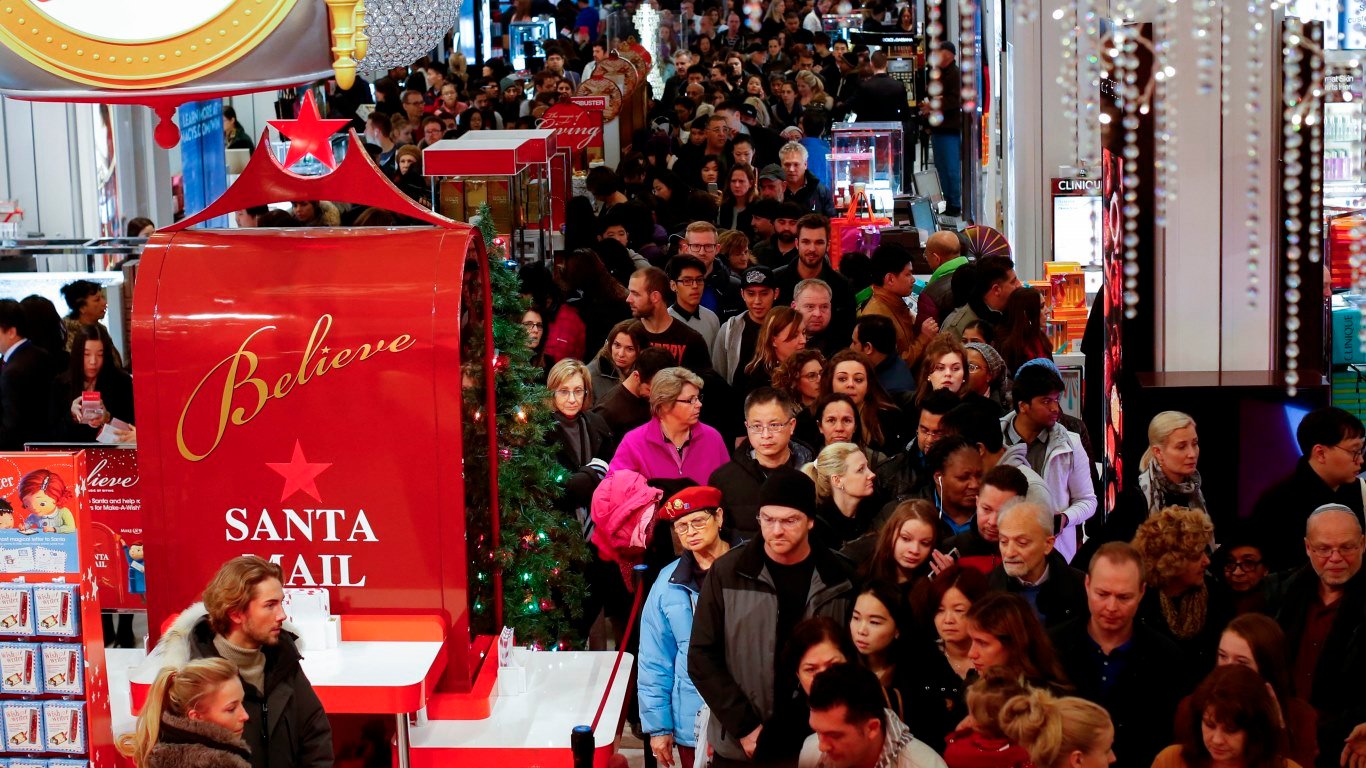
If tariffs bite the economy and send the United States into a recession, the S&P 500 may well reset. Concerns about inflation and job losses hamper consumer spending.


The S&P 500 trades at 5,360 today. If tariffs bite the economy and send the United States into a recession, it may well reset to where it was the last time bad news triggered deep anxiety about gross domestic product (GDP). It was 2,000 points below today’s level in September 2022, when it was at 3,585.
The consumer price index rose 8.2% in September 2022, compared to the same month the year before. The price of gasoline rose almost 20%. Fuel oil costs rose 55%. Crude oil prices had topped $100 at midyear. The Russian invasion of Ukraine started earlier in the year, and it was unclear whether Russia might win the war quickly. Russia was among the largest suppliers of crude in the world.
In March 2022, the Federal Reserve began what would be the first of 11 increases in rates. GDP dropped in the first half of the year. It was the first decline since the COVID-19 pandemic started. There was a worry that consumers would pay more for mortgages, car loans, and credit cards. At the same time, consumer sentiment was weak.
Where We Stand Now
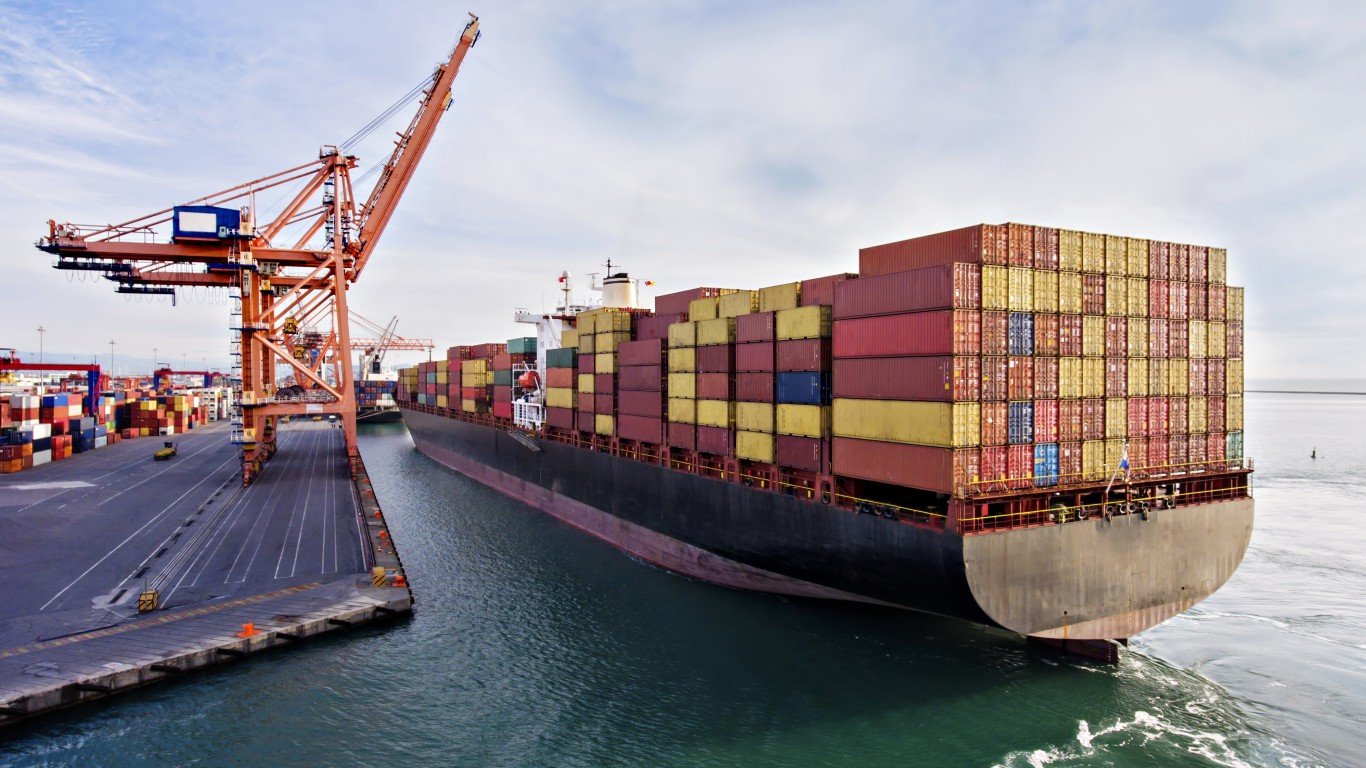
The current economic situation does not look a great deal different than it did in 2022. Fear of inflation has been caused by the supposed effects of tariffs. Not only could these cause inflation, but American jobs are on the line as China puts tariffs of over 100% on goods it imports from the United States.
Consumer sentiment has plunged in the past two months. According to the University of Michigan Survey of Consumers, “Consumer sentiment fell for the fourth straight month, plunging 11% from March.” Worry about job losses helped drag the number down. People also worry about a new jump in inflation.
Consumer spending is the engine of the U.S. economy, and thus the engine of the earnings of a huge number of the companies in the S&P 500. If earnings drive the market, it could be driven down sharply soon.
Americans Are Worried About a Recession. Here’s How to Prepare
Contact [email protected] for any questions or corrections.
Douglas A. McIntyre is the co-founder, chief executive officer and editor in chief of 24/7 Wall St. and 24/7 Tempo. He has held these jobs since 2006.
McIntyre has written thousands of articles for 24/7 Wall St. He is an expert on corporate finance, the automotive industry, media companies and international finance. He has edited articles on national demographics, sports, personal income and travel.
His work has been quoted or mentioned in The New York Times, The Wall Street Journal, Los Angeles Times, The Washington Post, NBC News, Time, The New Yorker, HuffPost USA Today, Business Insider, Yahoo, AOL, MarketWatch, The Atlantic, Bloomberg, New York Post, Chicago Tribune, Forbes, The Guardian and many other major publications. McIntyre has been a guest on CNBC, the BBC and television and radio stations across the country.
A magna cum laude graduate of Harvard College, McIntyre also was president of The Harvard Advocate. Founded in 1866, the Advocate is the oldest college publication in the United States.
TheStreet.com, Comps.com and Edgar Online are some of the public companies for which McIntyre served on the board of directors. He was a Vicinity Corporation board member when the company was sold to Microsoft in 2002. He served on the audit committees of some of these companies.
McIntyre has been the CEO of FutureSource, a provider of trading terminals and news to commodities and futures traders. He was president of Switchboard, the online phone directory company. He served as chairman and CEO of On2 Technologies, the video compression company that provided video compression software for Adobe’s Flash. Google bought On2 in 2009.