These Questions Separate the Rich from the Poor According to Dave Ramsey
Debt has long been part of the American lifestyle. Many of us succumb to loans and credit cards when faced with financial predicaments, and these balances can be carried for months or years, continuing to grow under high interest rates.…


Debt has long been part of the American lifestyle. Many of us succumb to loans and credit cards when faced with financial predicaments, and these balances can be carried for months or years, continuing to grow under high interest rates. Dave Ramsey is one of the top financial gurus, and he has made a name for himself specifically regarding his hardcore advice regarding debt. Ramsey says a key method of avoiding debt is to stop asking “how much down?” and start asking “How much?” He reminds us of the value of living within our means.
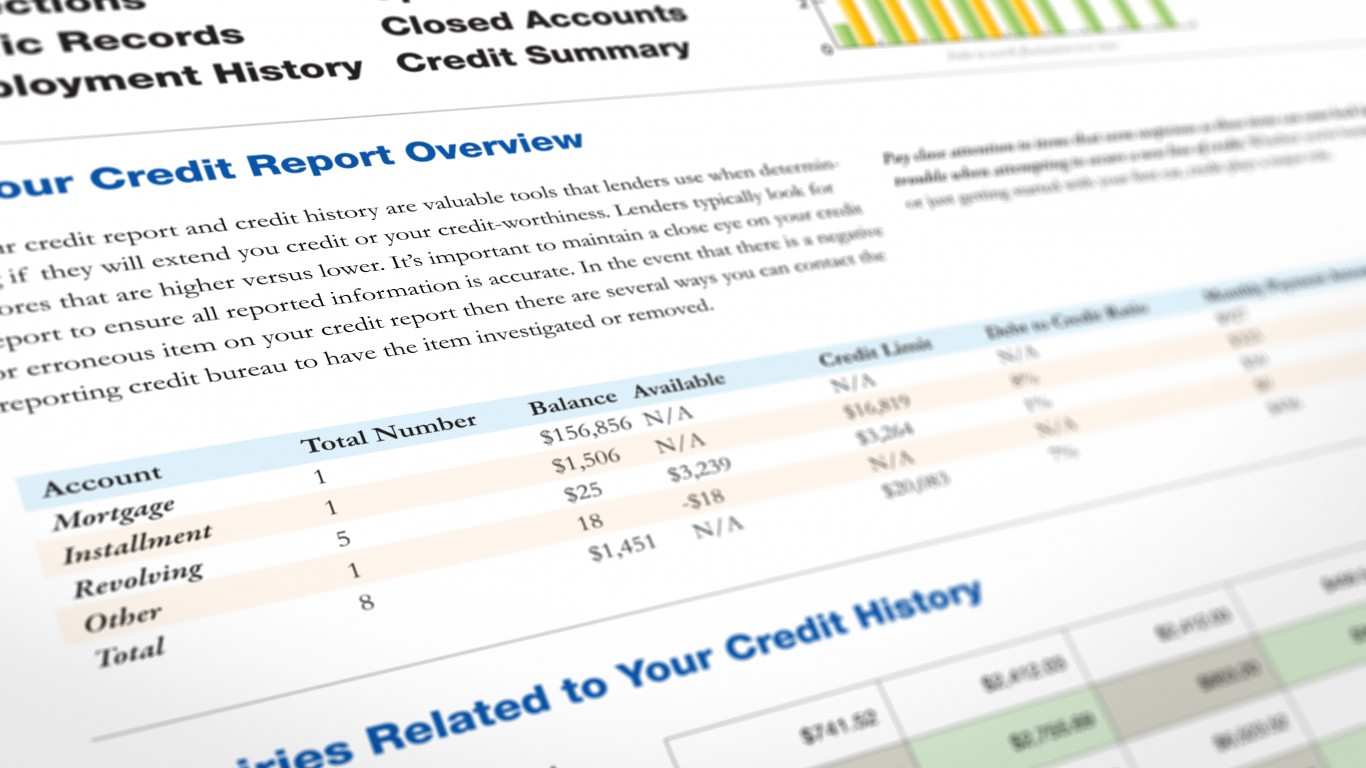
Ramsey’s focus on helping Americans get out of debt is based on real world concerns; Data from Debt.com reveals one in three Americans have maxed out their credit cards. Another shocking statistic states that the average American has upwards of $104,000 in debt, while the total U.S. consumer and gross national debt metrics continue to set historic highs. And as citizens continue to struggle with economic issues, credit card use only continues to rise. This burdensome cycle can begin to feel relentless.
This slideshow reveals Ramsey’s best financial advice regarding debt, including the latest statistics, how to find your way out of debt, and tips to avoid future debt. If you want to regain control of your finances and make a firm commitment to your future, check out Dave Ramsey’s proven methods.
Dave Ramsey’s Debt Philosophy

- Dave Ramsey highlights the importance of mindset in financial decisions.
- He believes rich people ask, ‘How much?’ while poor people ask, ‘How much down?’
- This reflects a focus on affordability versus long-term debt.
The Weight of American Debt

- Business Insider reports the average American holds $104,215 in debt.
- This includes mortgages, student loans, auto loans, and credit card debt.
- Debt can quickly become overwhelming, especially with macroeconomic inflationary pressures.
The Credit Card Trap

- 1 in 3 Americans have maxed out their credit cards according to Debt.com.
- Many people rely on credit to afford basic needs due to inflation.
- 22% carry $10,000–$20,000 in debt, and 5% owe more than $30,000.
Massive Growth of the Debt Industry

- Visa and MasterCard stocks are near record highs.
- Total U.S. credit card debt sits at an all-time high of $1.252 trillion, with average interest rates hovering near 21.52%.
- The debt industry is booming despite rising financial insecurity for many.
Psychology of Spending

- Ramsey stresses that poor spending decisions often stem from emotional buying.
- Social media and constant advertising pressure consumers to spend.
- Asking ‘Can I afford this?’ is a better question than ‘Can I make the down payment?’
The “Hopelessness” Trap
- Fewer than half of Americans now believe the traditional American Dream is still achievable.
- Social media cycles often foster a sense of financial hopelessness that encourages defeatist spending.
- Ramsey notes that tuning out systemic negativity and focusing on individual choices is vital for building wealth.
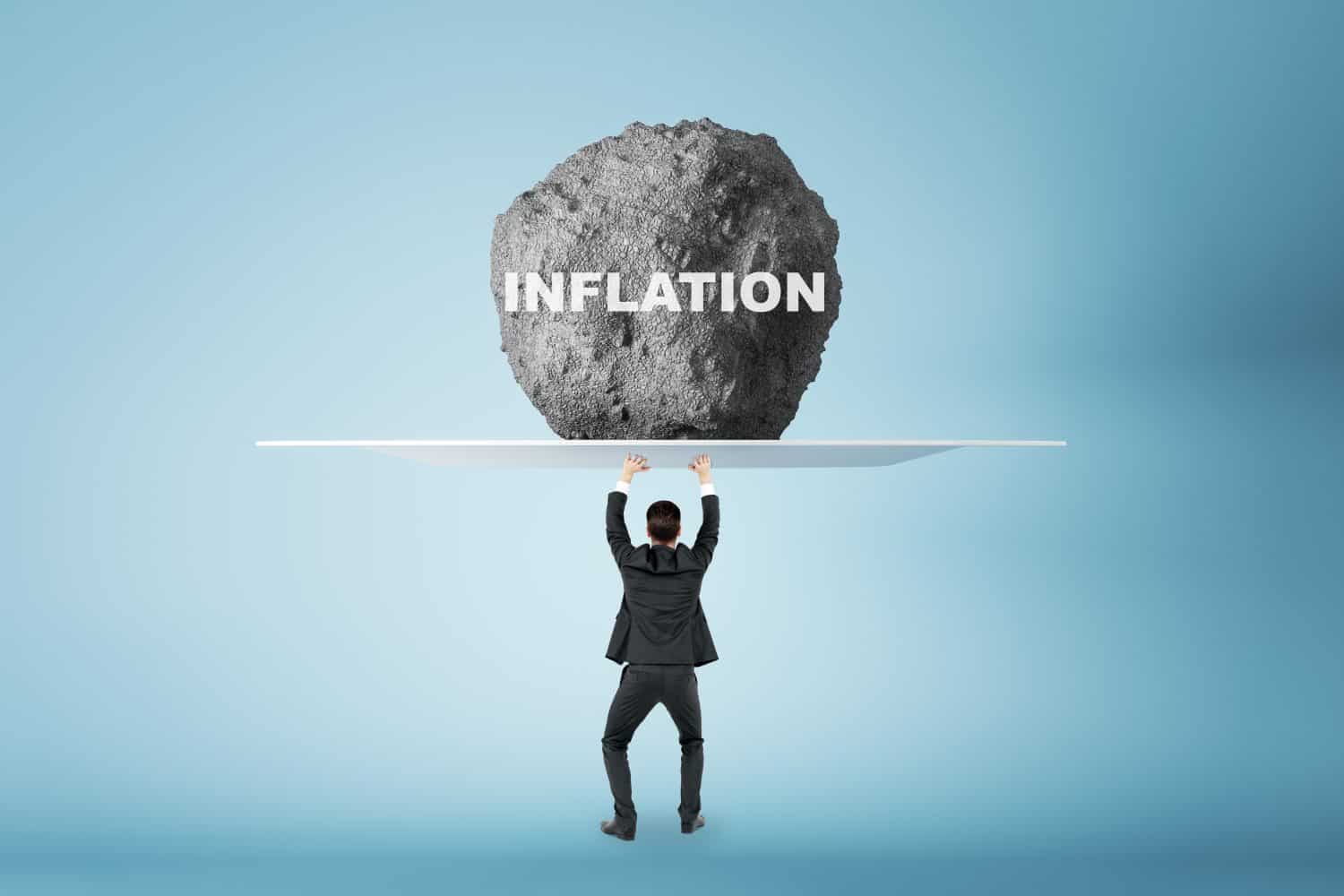
How Inflation Drives Debt
- Inflation has caused basic expenses to rise significantly.
- 45% of people report using credit cards to pay for necessities.
- This reliance contributes to long-term debt and high interest payments.
Ramsey’s Core Advice

- Ramsey’s core philosophy is: ‘Don’t buy it if you can’t afford it.’
- This means avoiding purchases that lead to debt without secure income.
- He promotes living below your means as a path to wealth.
Combating “Lifestyle Creep”

- High-earning households frequently feel financial strain due to expanded non-essential expenses.
- Leisure spending, high-end subscriptions, and modern financing plans quietly drain monthly cash flow.
- Identifying and cutting back on these invisible leaks is standard Ramsey protocol before building momentum.
Budgeting to Break Free
- Weekly budgeting helps differentiate between wants and needs.
- Small, consistent savings add up over time.
- Budgeting allows for better financial planning and less reliance on credit.
Cutting Credit Card Dependency

- Avoid habitual use of credit cards by using cash or debit.
- Credit card interest makes small purchases cost significantly more.
- Track spending regularly to stay within budget.
The Debt Snowball Method

- Ramsey strongly rejects debt consolidation or refinancing because it only alters the structure of debt rather than behavior.
- He advises utilizing the Debt Snowball method by paying off accounts from the smallest balance to the largest balance regardless of interest rates.
- Securing early, small victories builds the behavioral psychology required to eliminate liabilities entirely.
Editor’s Note: This article has been revised to incorporate updated macroeconomic data, including the latest federal statistics on total national consumer liabilities, current credit card interest rates, and overall credit balances. Additionally, the final segment was rewritten to accurately represent Dave Ramsey’s official methodology regarding the Debt Snowball method over debt consolidation, and two new sections regarding the psychology of the financial hopelessness trap and the impact of lifestyle creep were introduced.
Contact [email protected] for any questions or corrections.